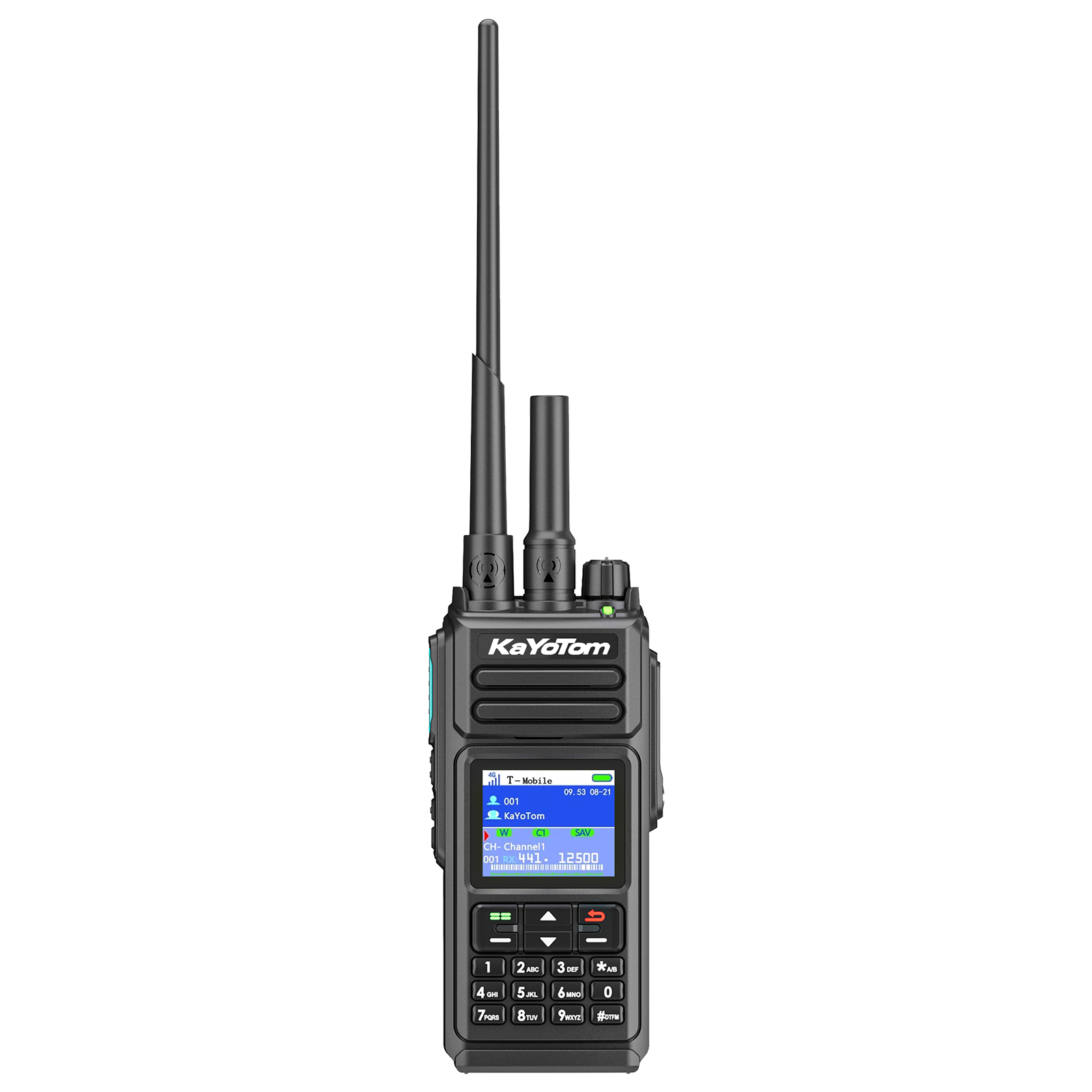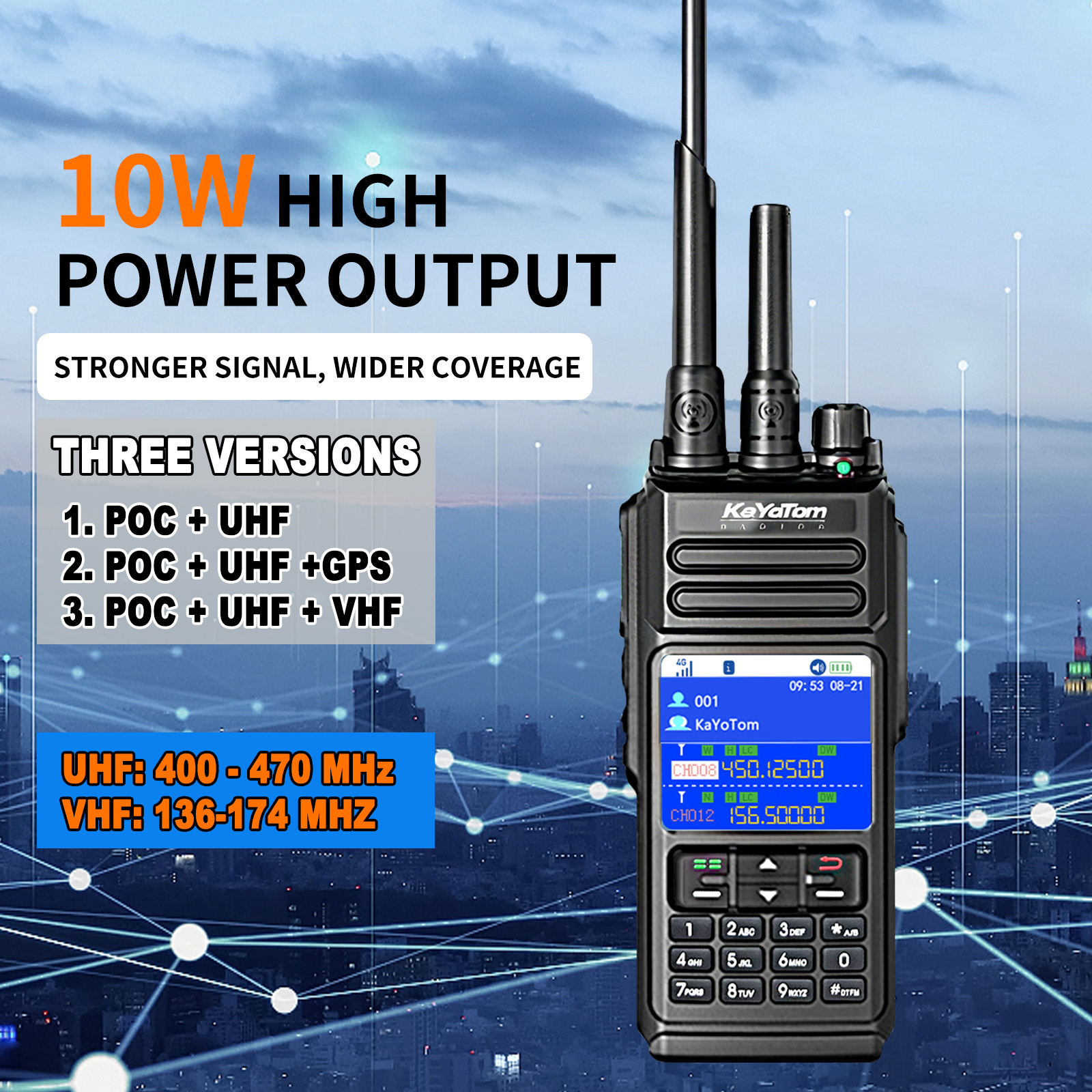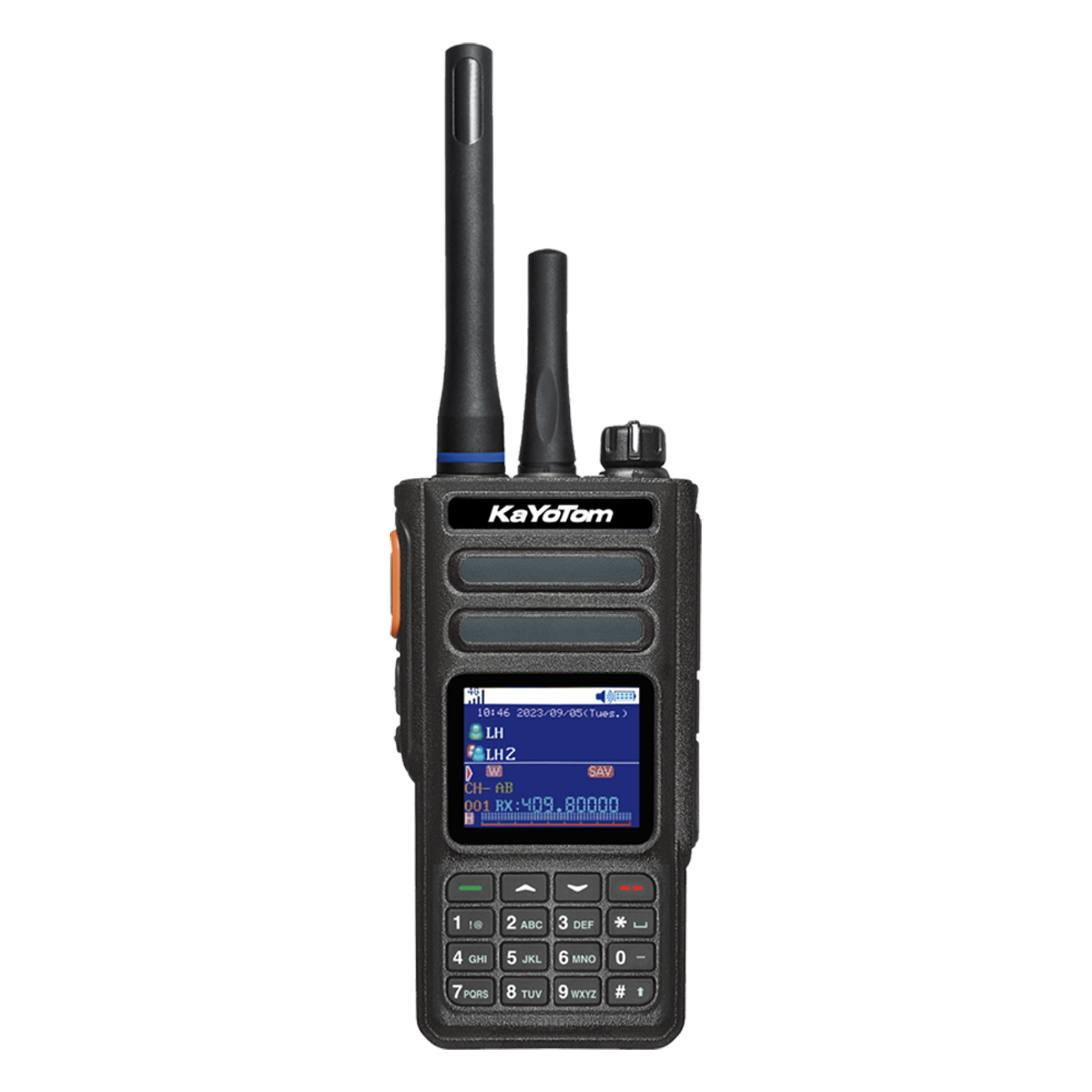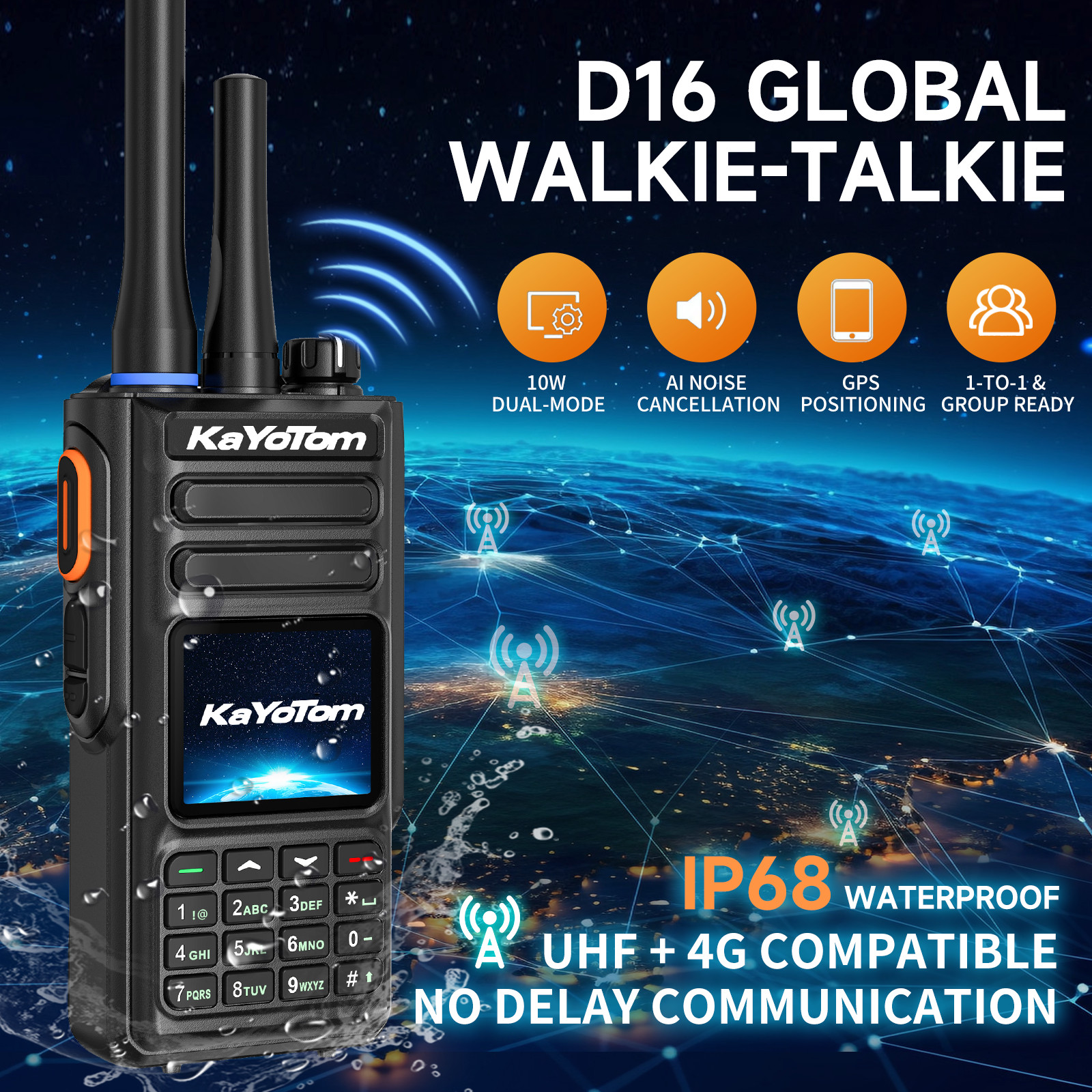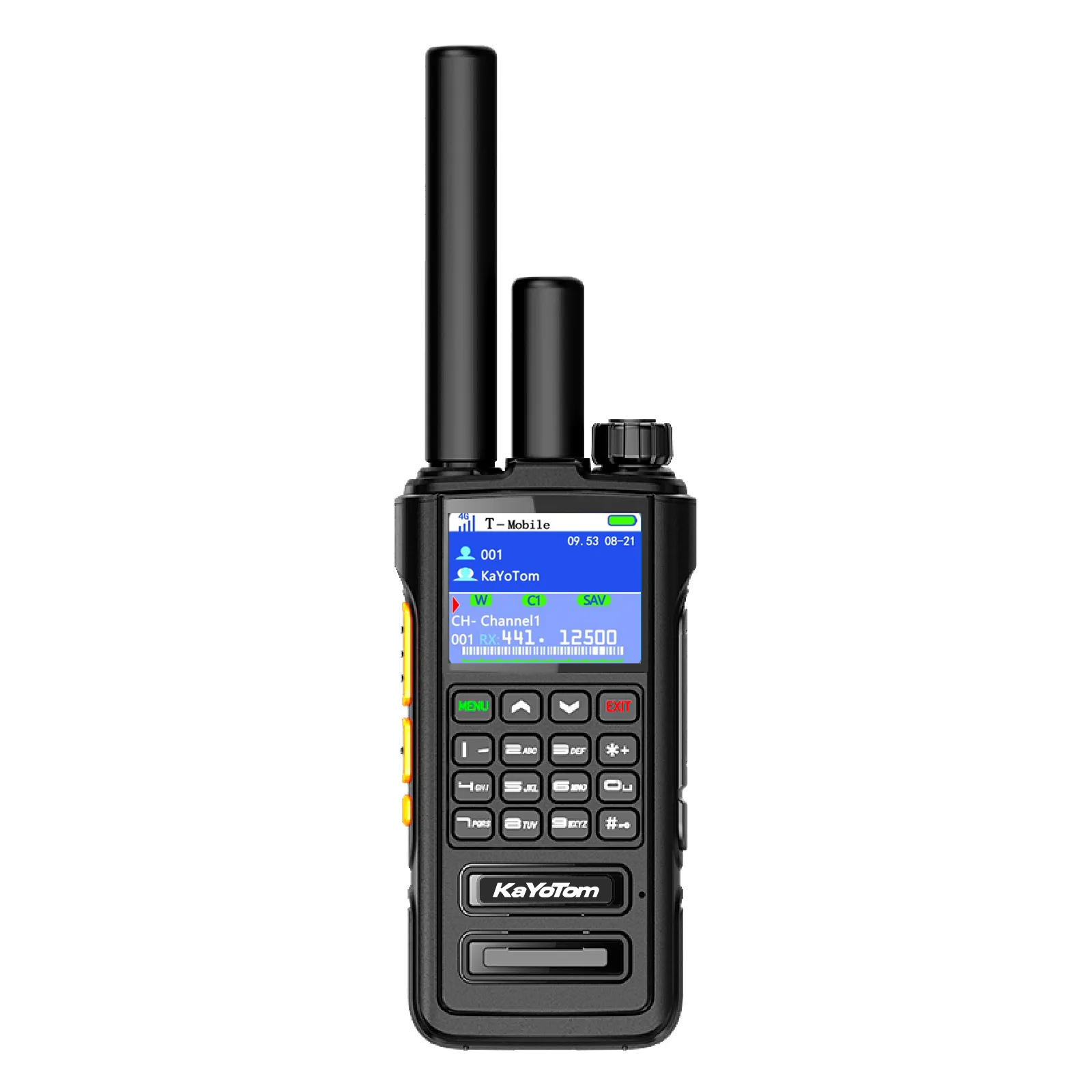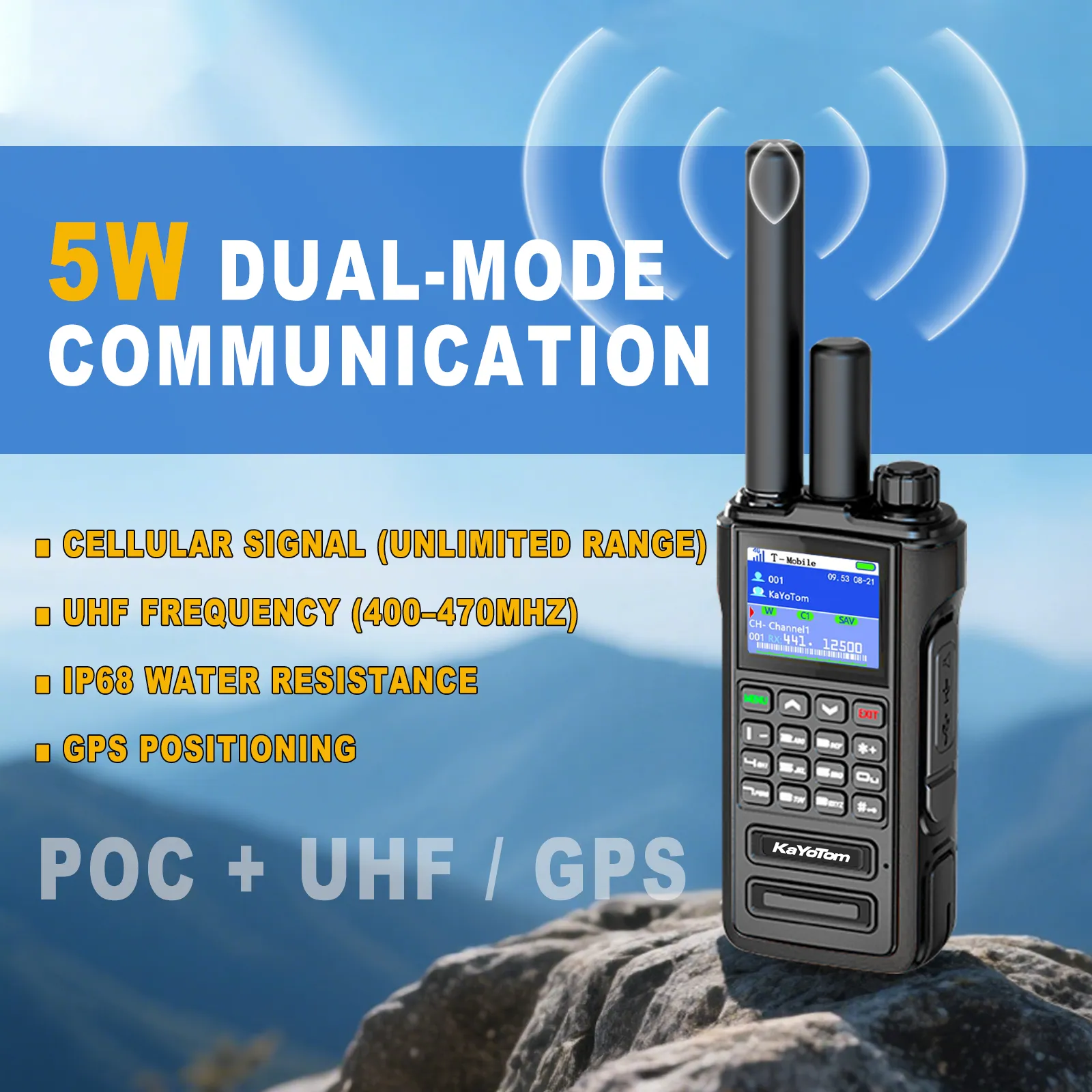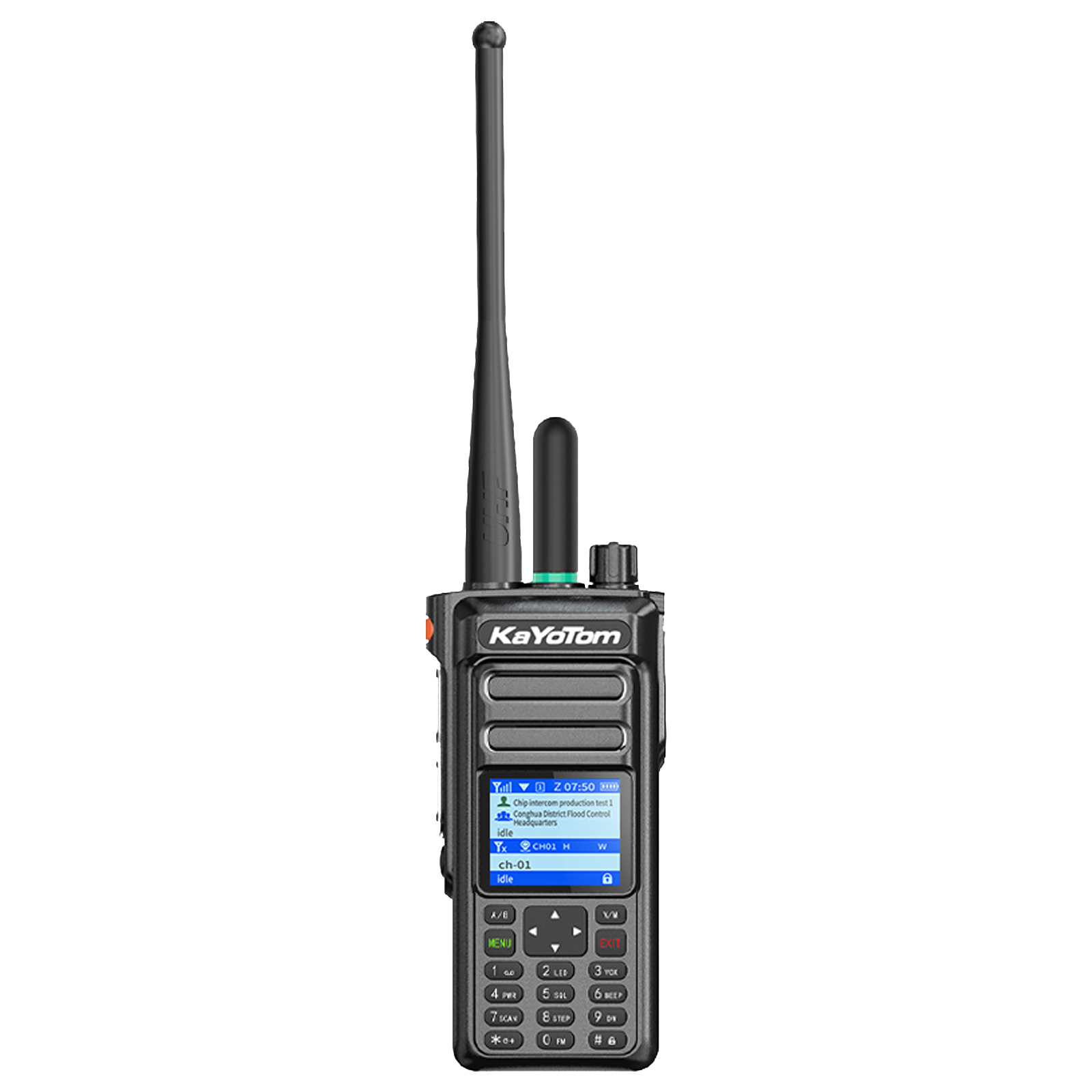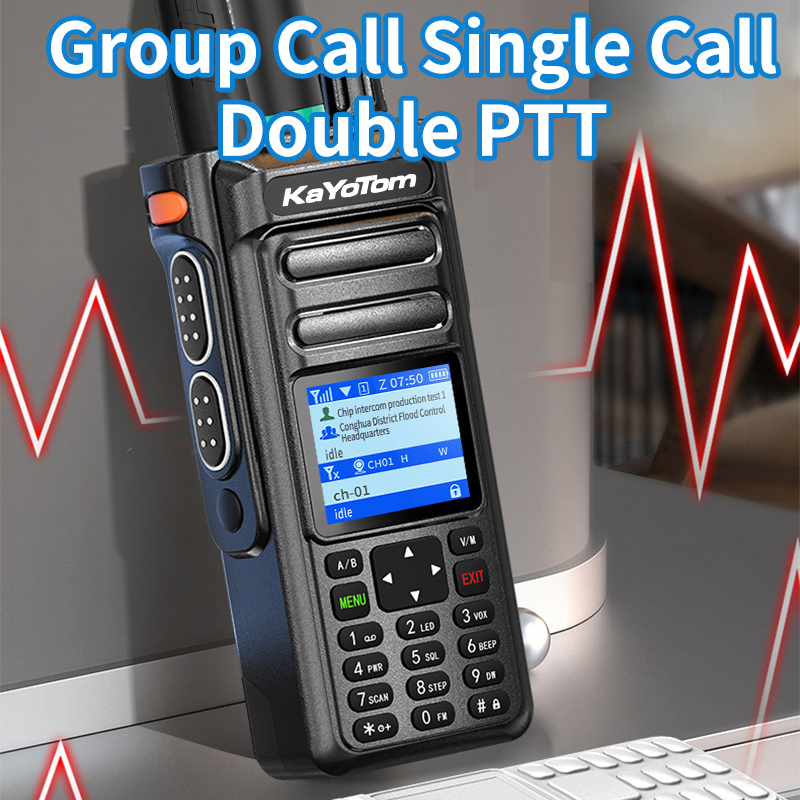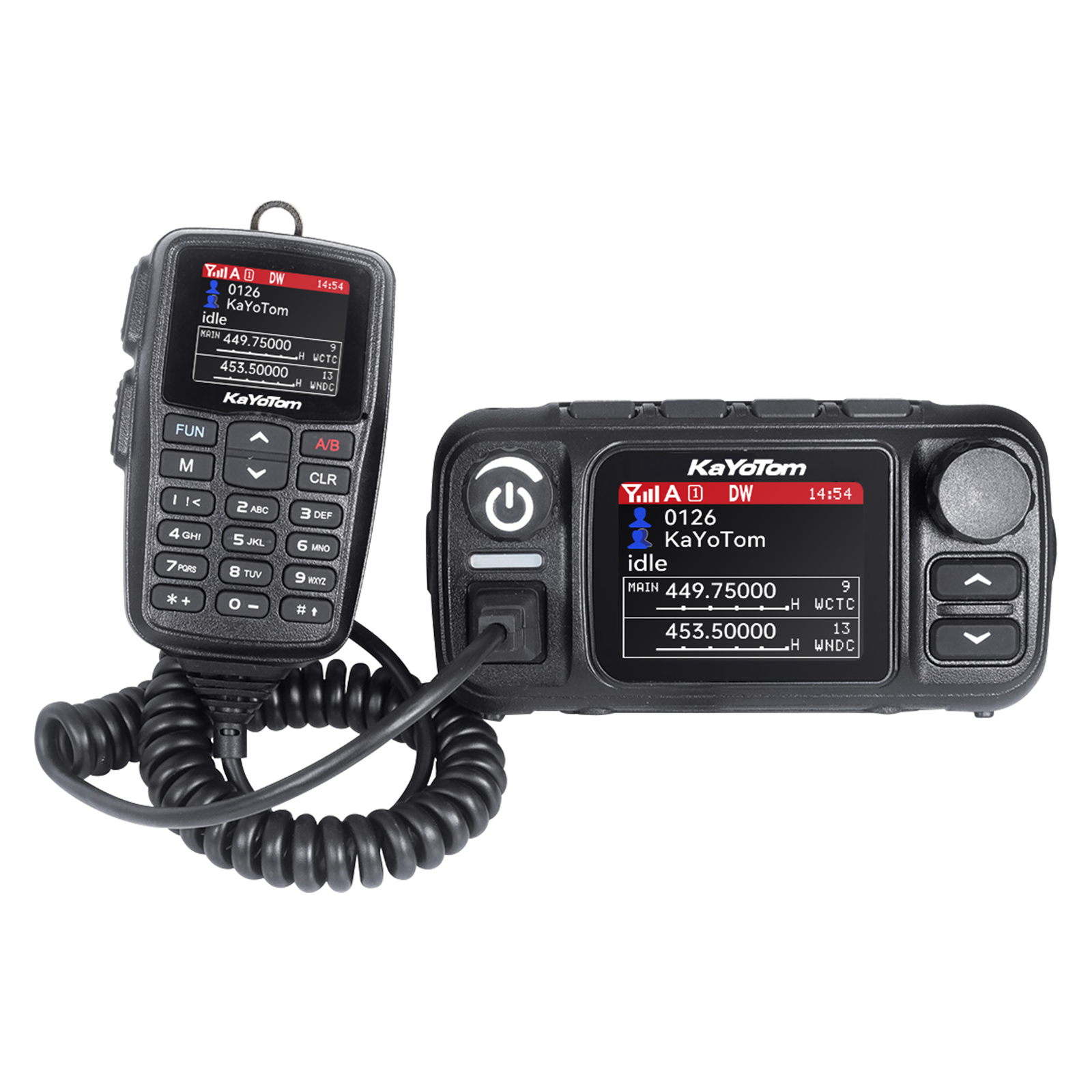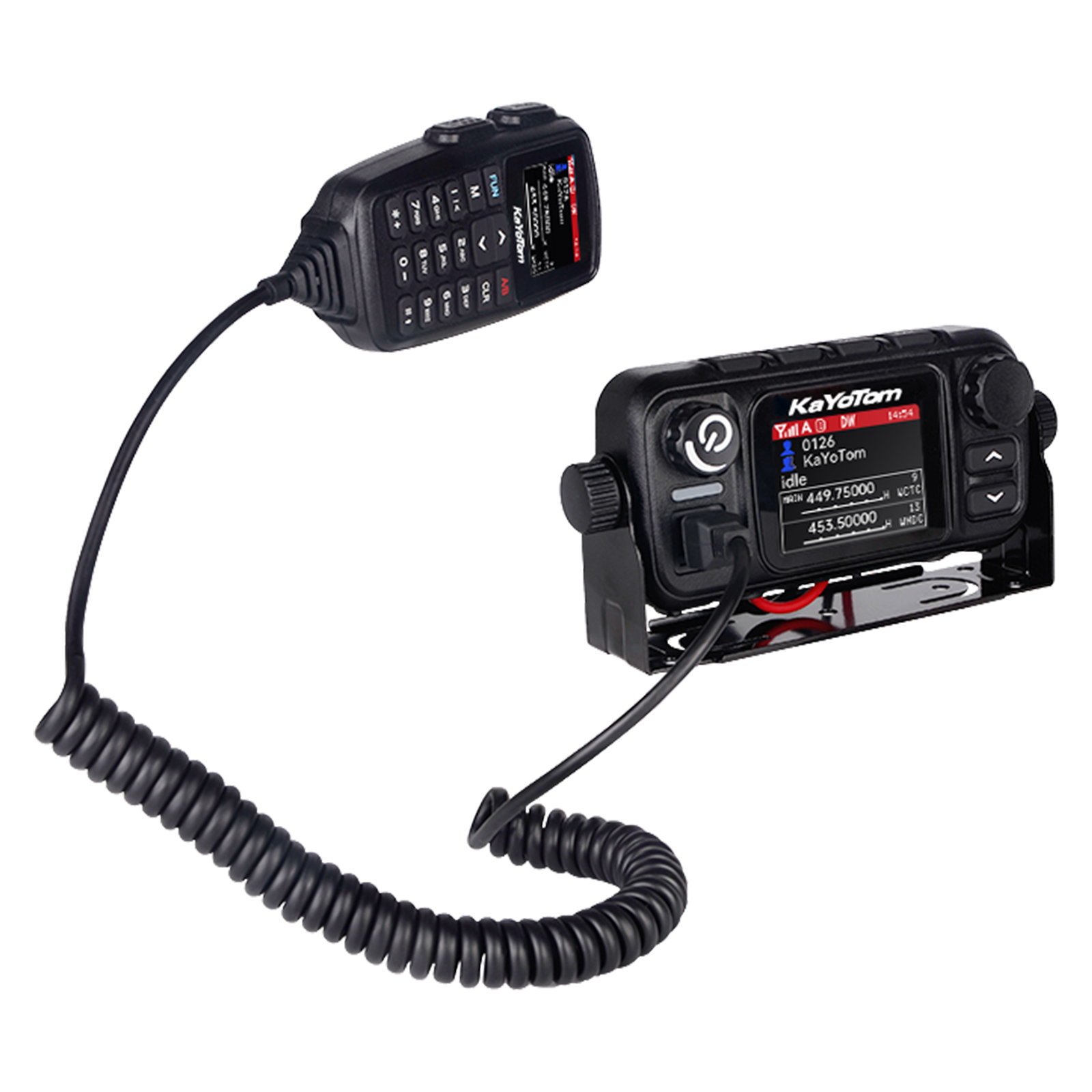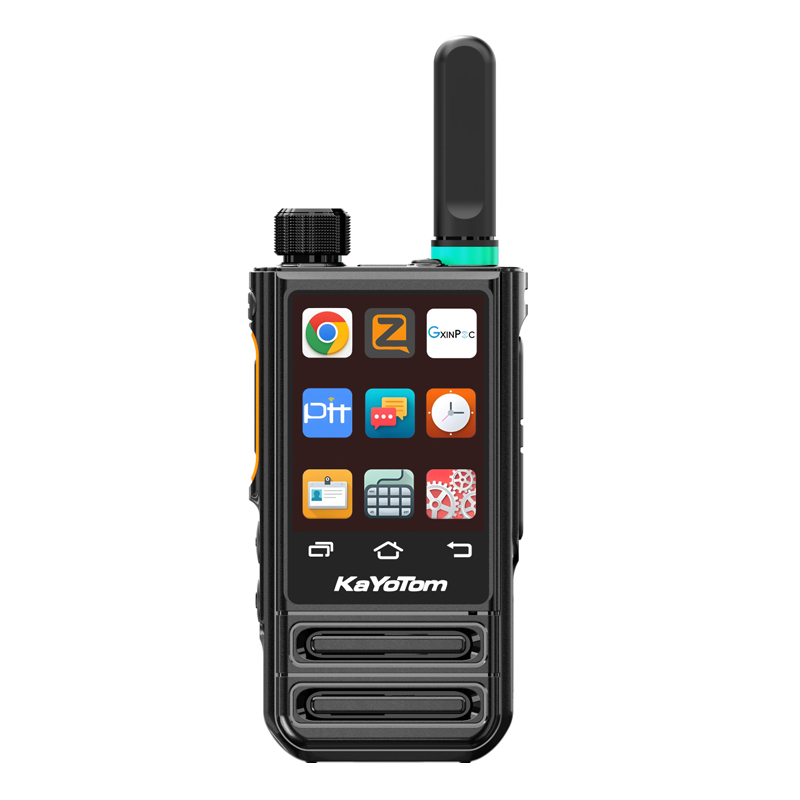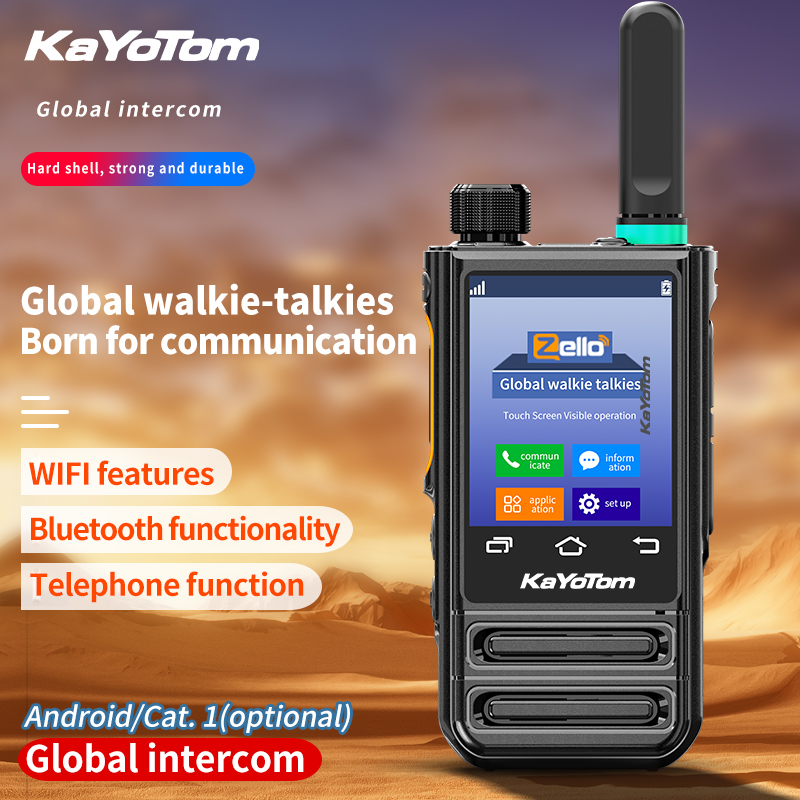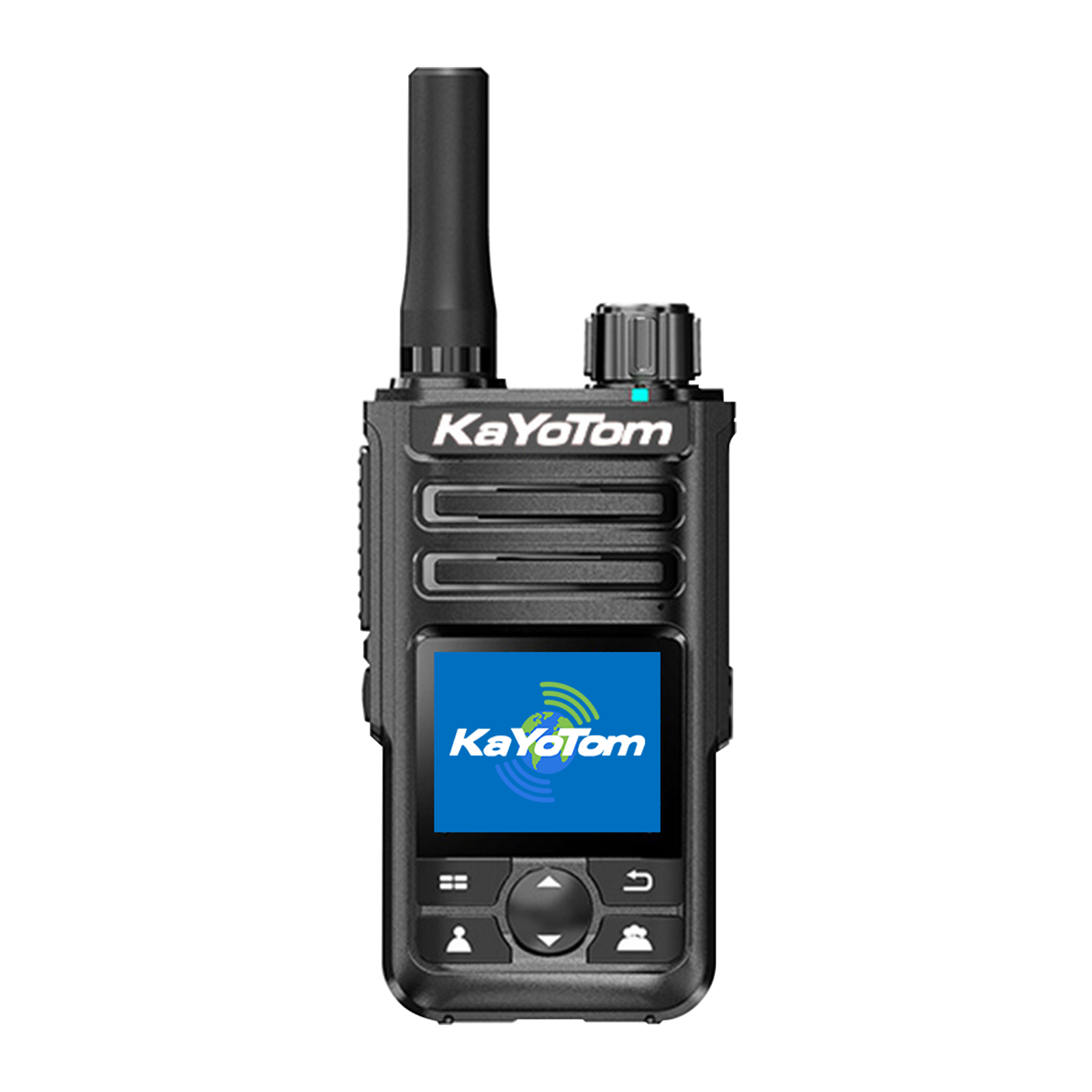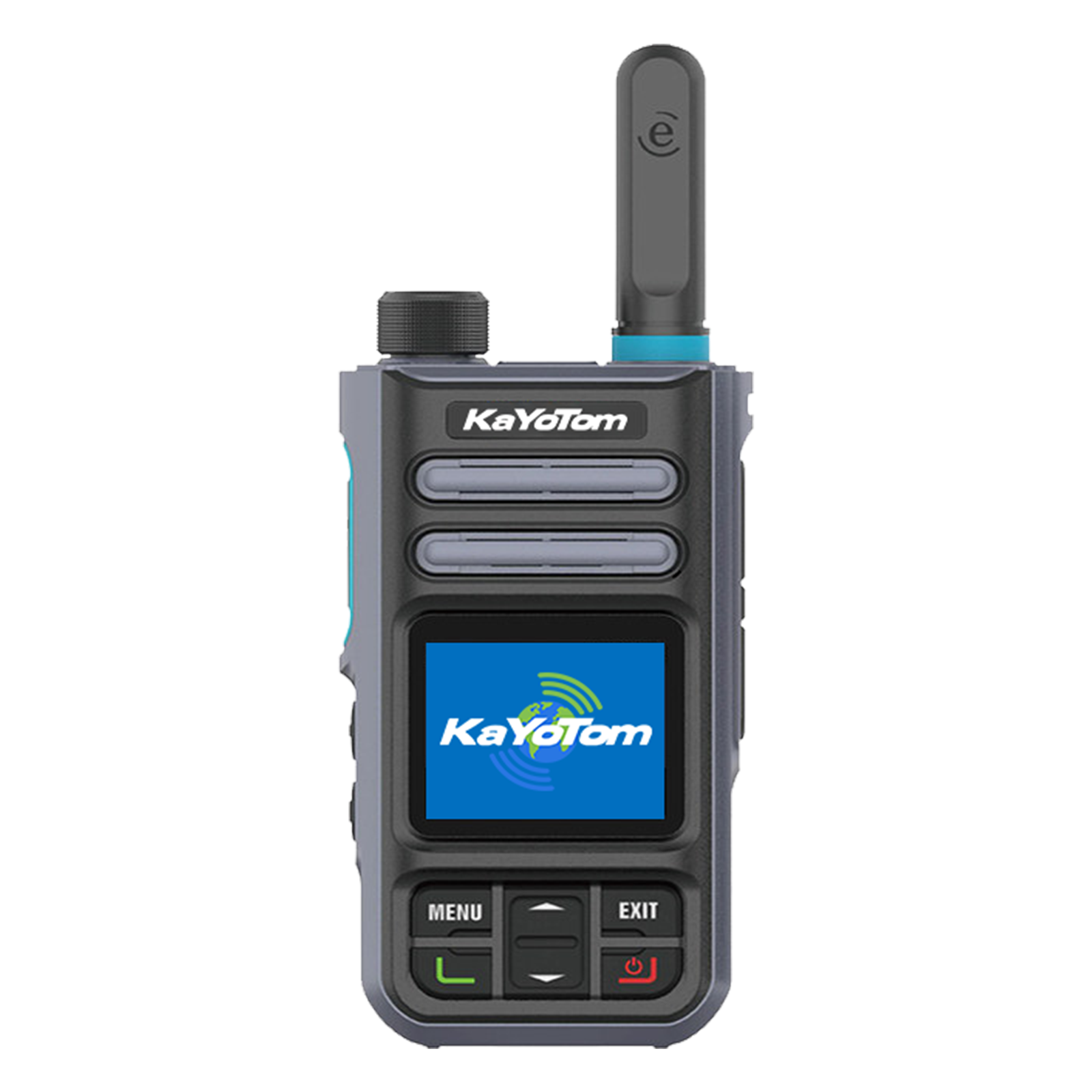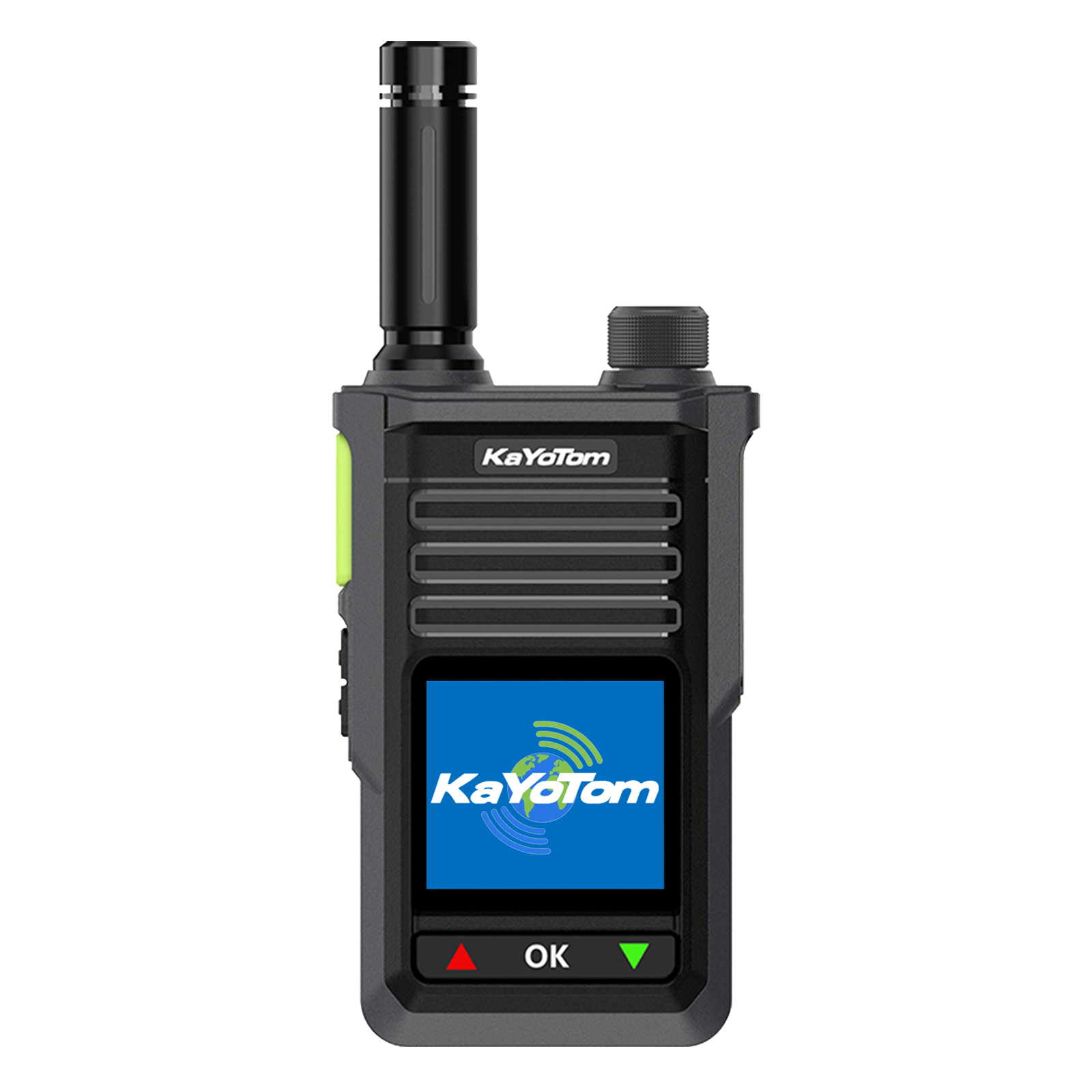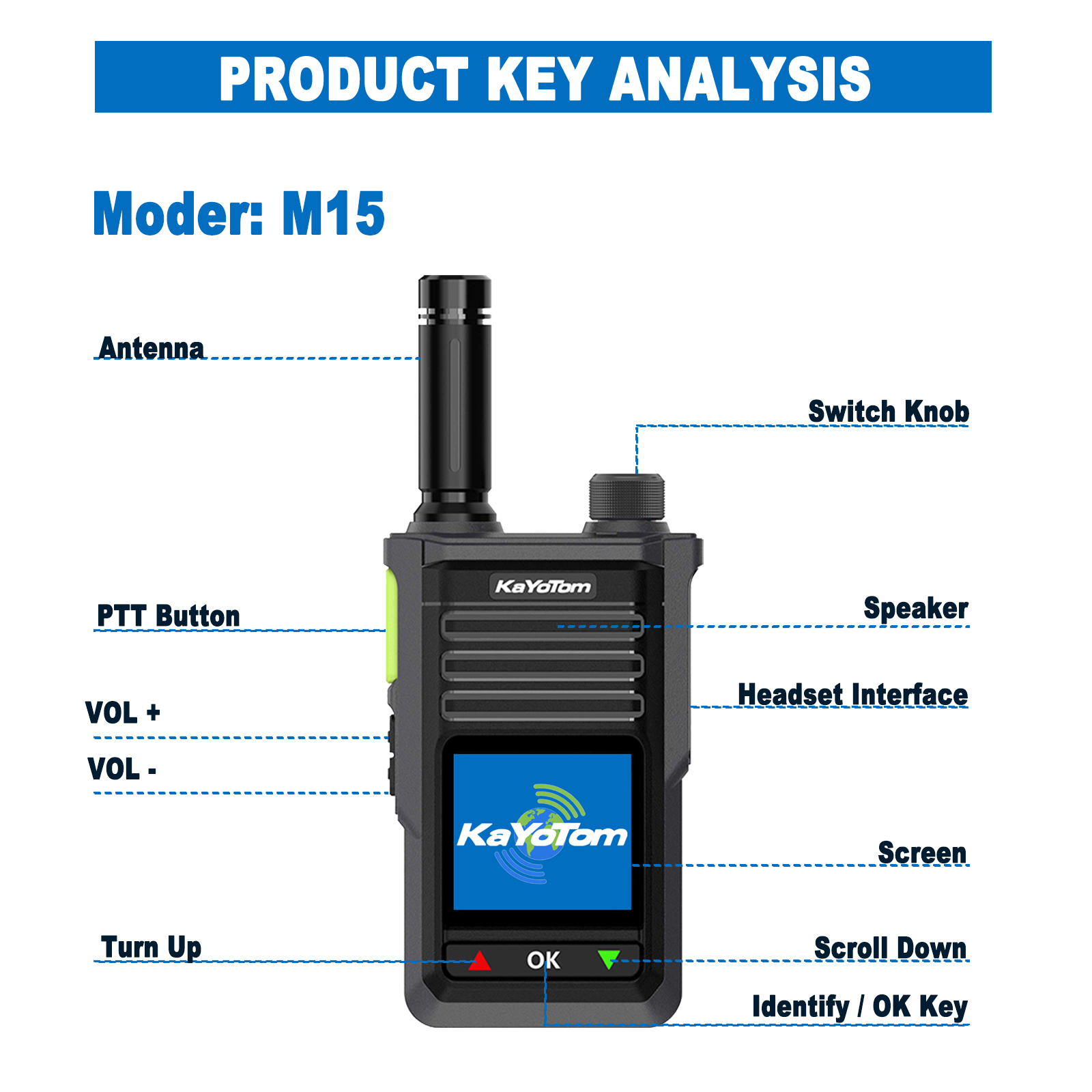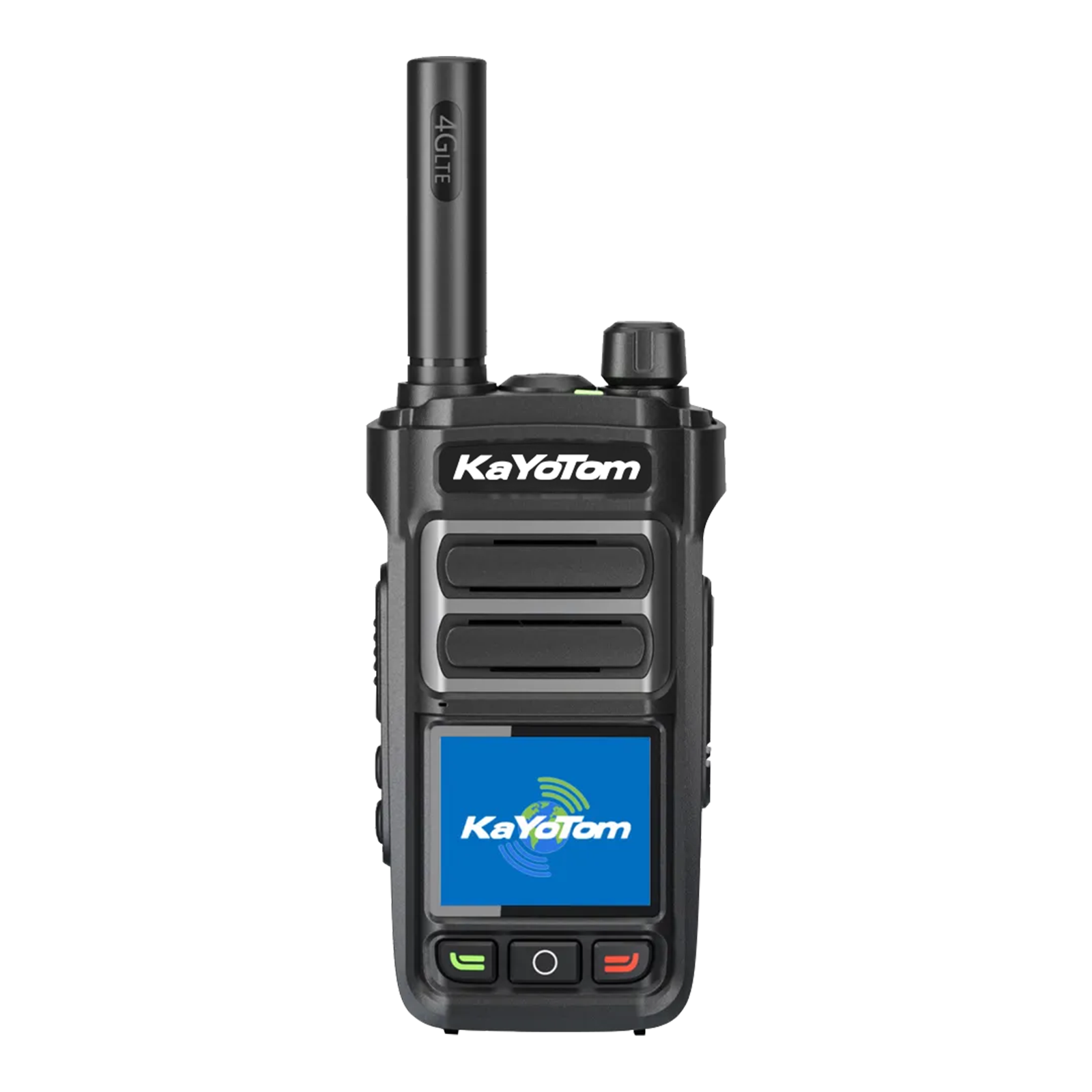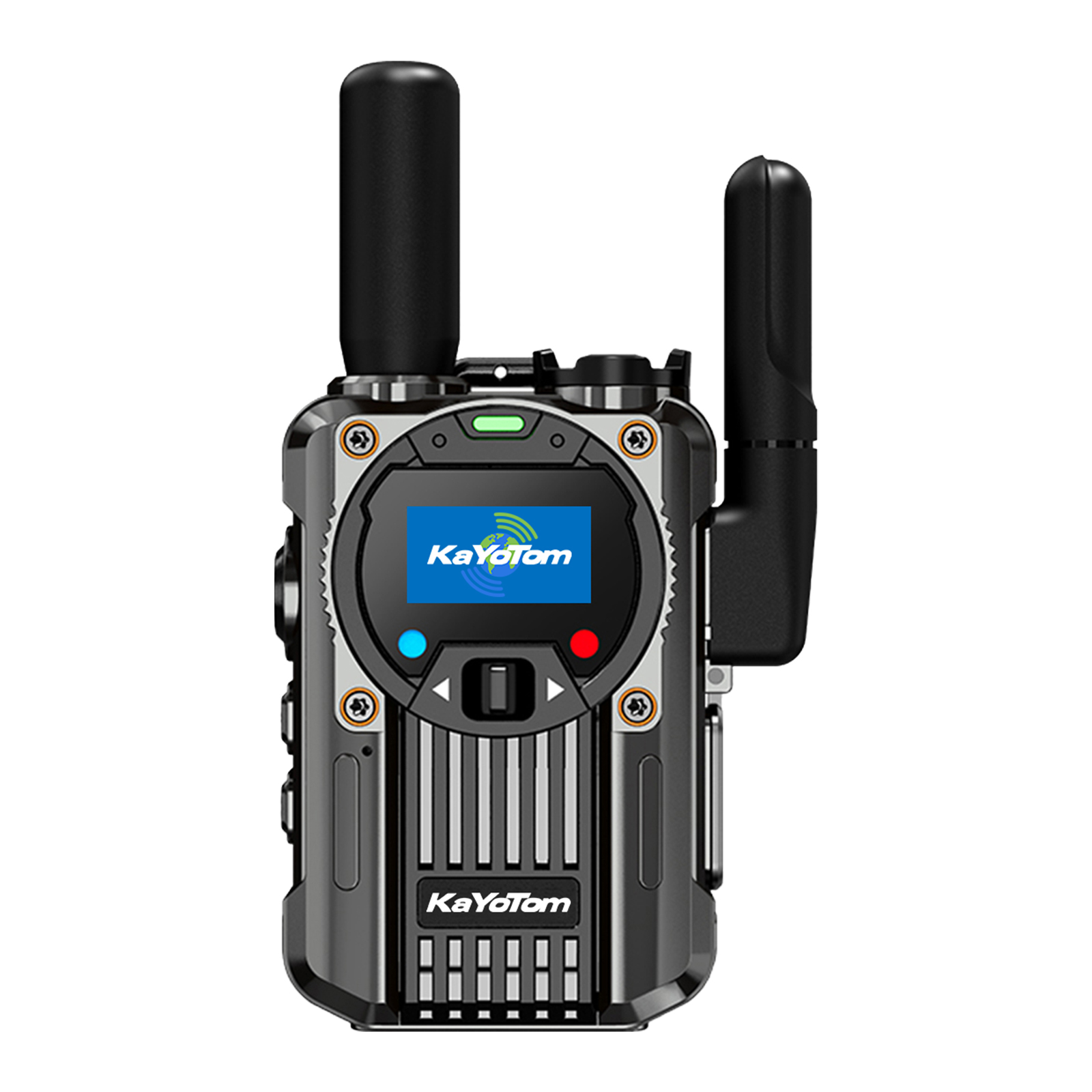

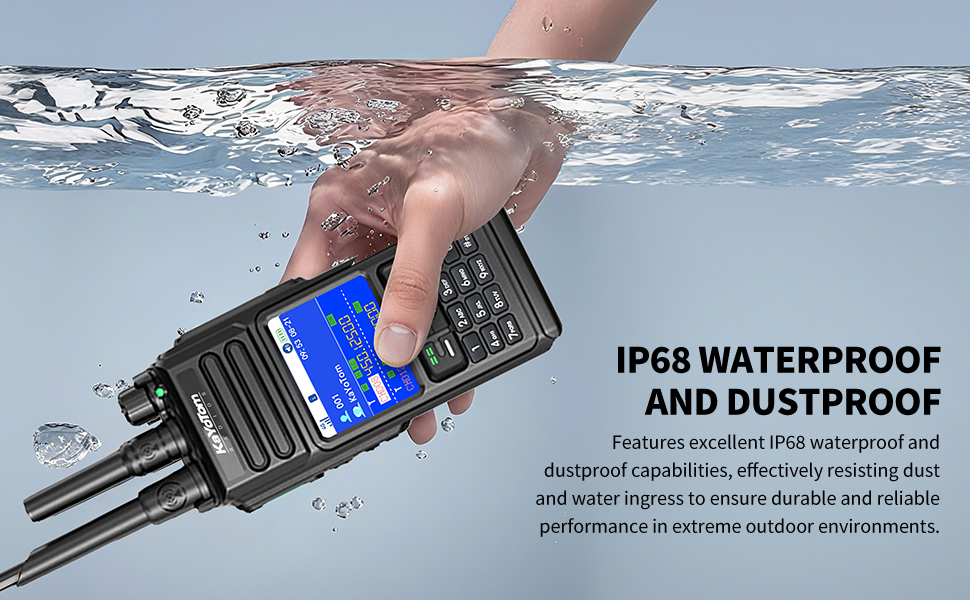
The KaYoTom D10 is engineered with an IP68-rated chassis, the highest industry-standard protection level for professional handheld radios. This certification ensures the device is fully dust-tight and capable of continuous submersion in water (up to 1.5 meters for 30 minutes), making it the definitive choice for high-stakes environments like heavy construction, mining, and disaster response where standard devices fail.
Understanding the IP68 Standard
In industrial communications, an IP (Ingress Protection) rating is the primary indicator of a device's ability to survive harsh conditions. The "68" in IP68 signifies:
-
6 (Dust Protection): The device is completely sealed against microscopic particles. No dust, debris, or abrasive sand can enter the internal circuitry, preventing the common "crunchy" dial or internal short-circuits found in lower-rated equipment.
-
8 (Water Protection): The device is tested for long-term submersion. Unlike IP67-rated radios, which may only survive temporary water splashes or shallow immersion, the IP68-rated KaYoTom D10 is designed to maintain structural integrity under hydrostatic pressure.
Why Construction and Field Teams Require IP68
Standard consumer or light-commercial radios are often "weather-resistant" rather than "ruggedized." In real-world field operations, this distinction is critical:
| Environment | Risk Factor | KaYoTom D10 Protection |
| Construction Site | Concrete dust and abrasive sand | 6 (Dust-tight): Eliminates internal component failure. |
| Heavy Rainfall | Sustained exposure to rain | 8 (Submersible): Seals remain intact under high-volume water flow. |
| Emergency Response | Mud, sludge, and accidental submersion | 8 (Tested): Maintains functionality even when dropped in puddles or muddy terrain. |
Engineering for Longevity
The ruggedness of the KaYoTom D10 isn't just about the seal; it is about the chassis design. The device uses high-impact reinforced polymers and an internal structural frame to dissipate shock. By combining IP68 sealing with shock-resistant architecture, the D10 ensures that the device is not just a tool for the present, but a reliable asset for years of daily field use.
FAQ: Ruggedness & IP68
Q: Is IP68 really necessary for my field team?
A: If your team operates in environments with high dust (construction/mining) or potential for exposure to heavy moisture (outdoor logistics/forestry/security), IP68 is a vital safety layer. It prevents the most common causes of radio failure: internal corrosion and dust-clogged hardware.
Q: Can I wash the KaYoTom D10 under a faucet?
A: Yes. Thanks to its IP68 rating, the device can be rinsed under clean water to remove mud or construction debris, ensuring that your communication interface remains clean and fully operational without risking damage to the internal electronics.
Q: How does IP68 differ from IP67?
A: IP67 is generally rated for temporary immersion in shallow water (up to 1 meter). IP68 represents a higher tier, guaranteeing performance under more demanding conditions, including continuous submersion and higher-pressure environments.