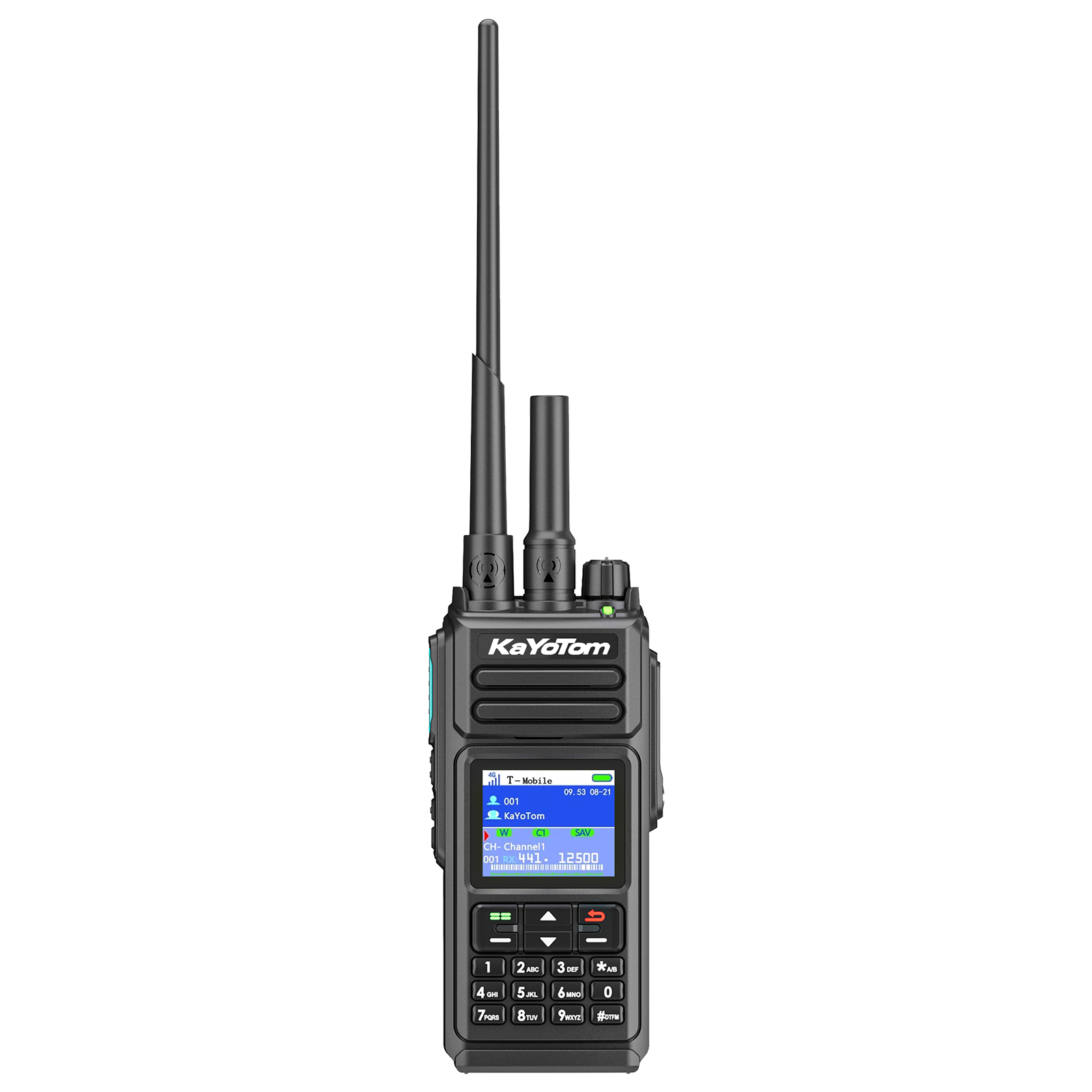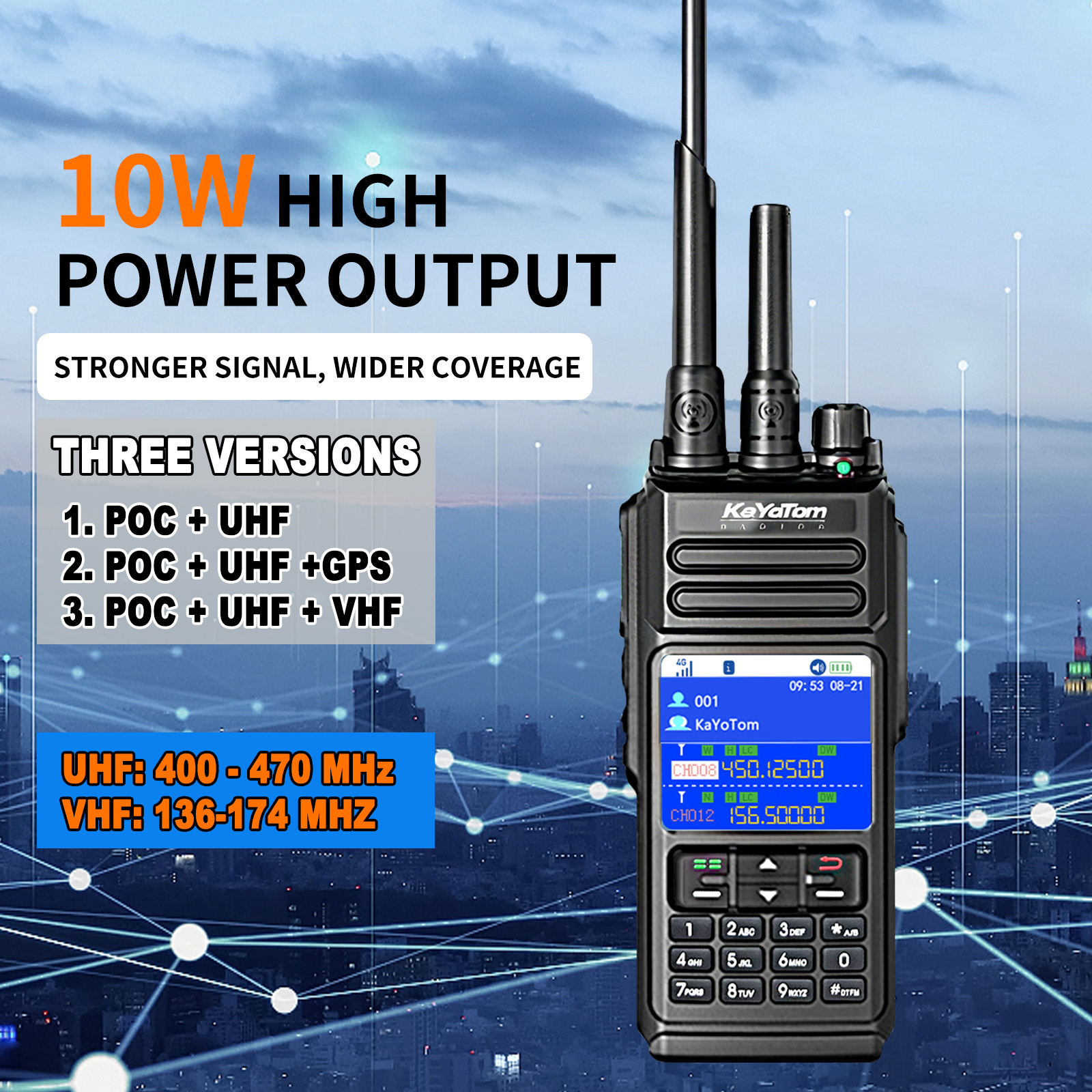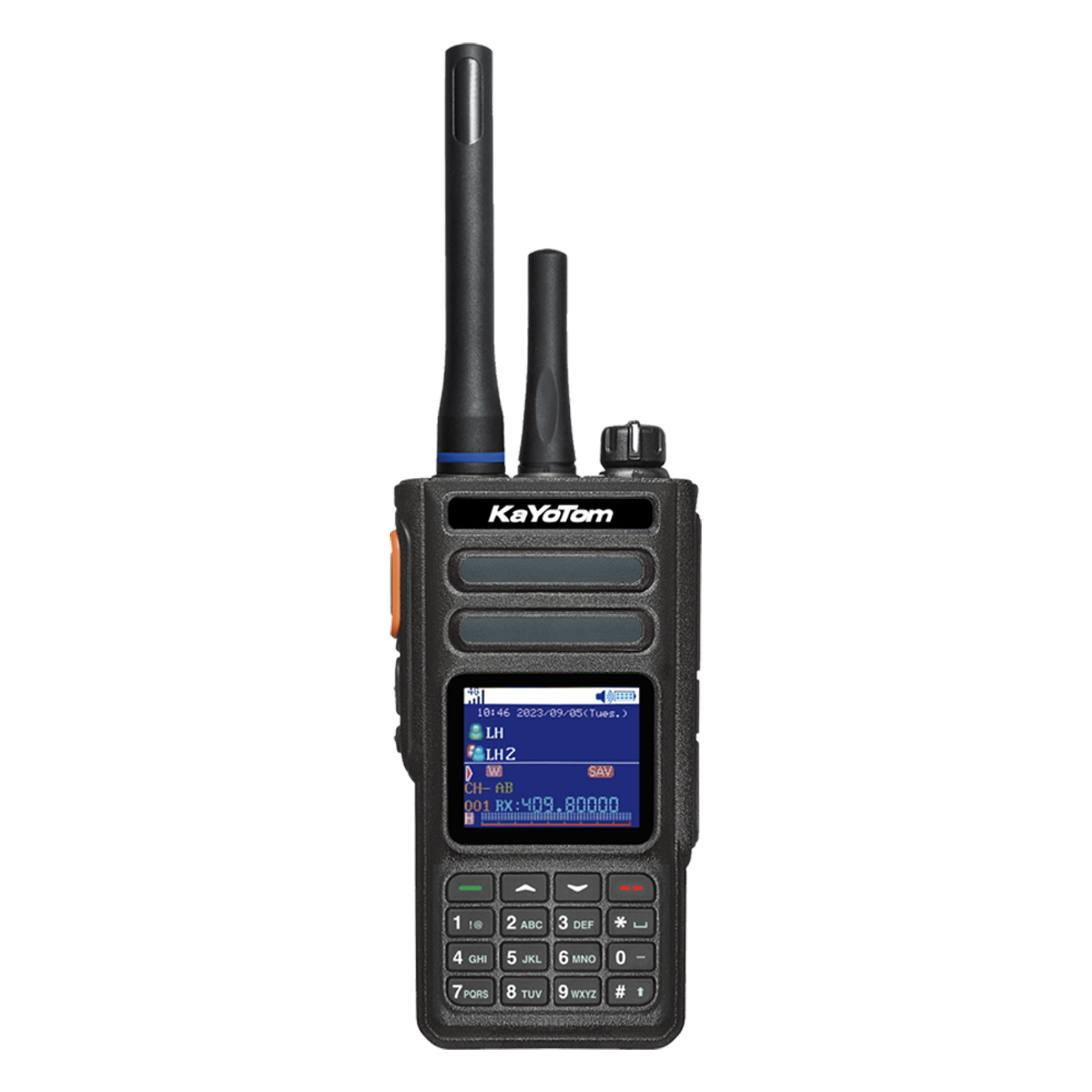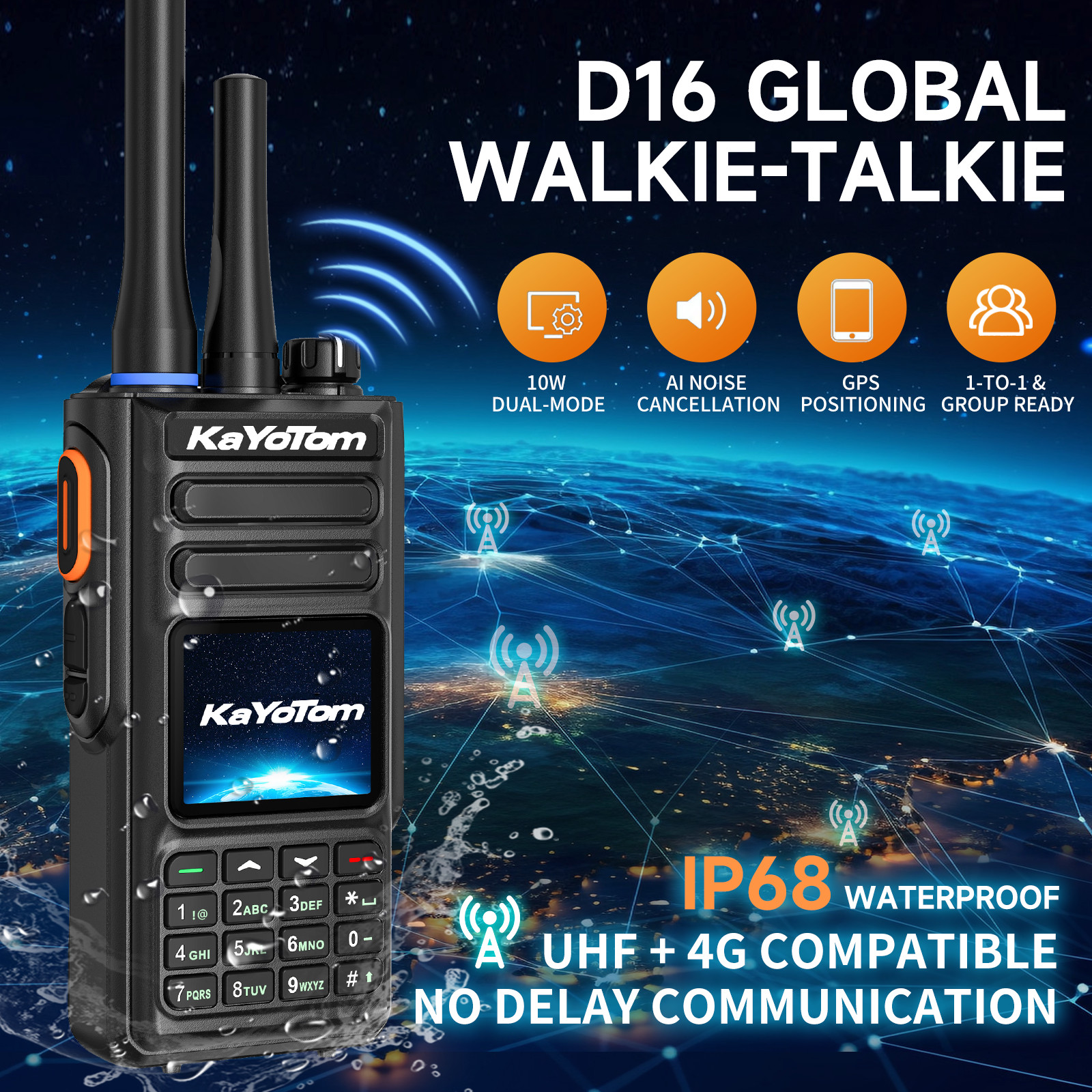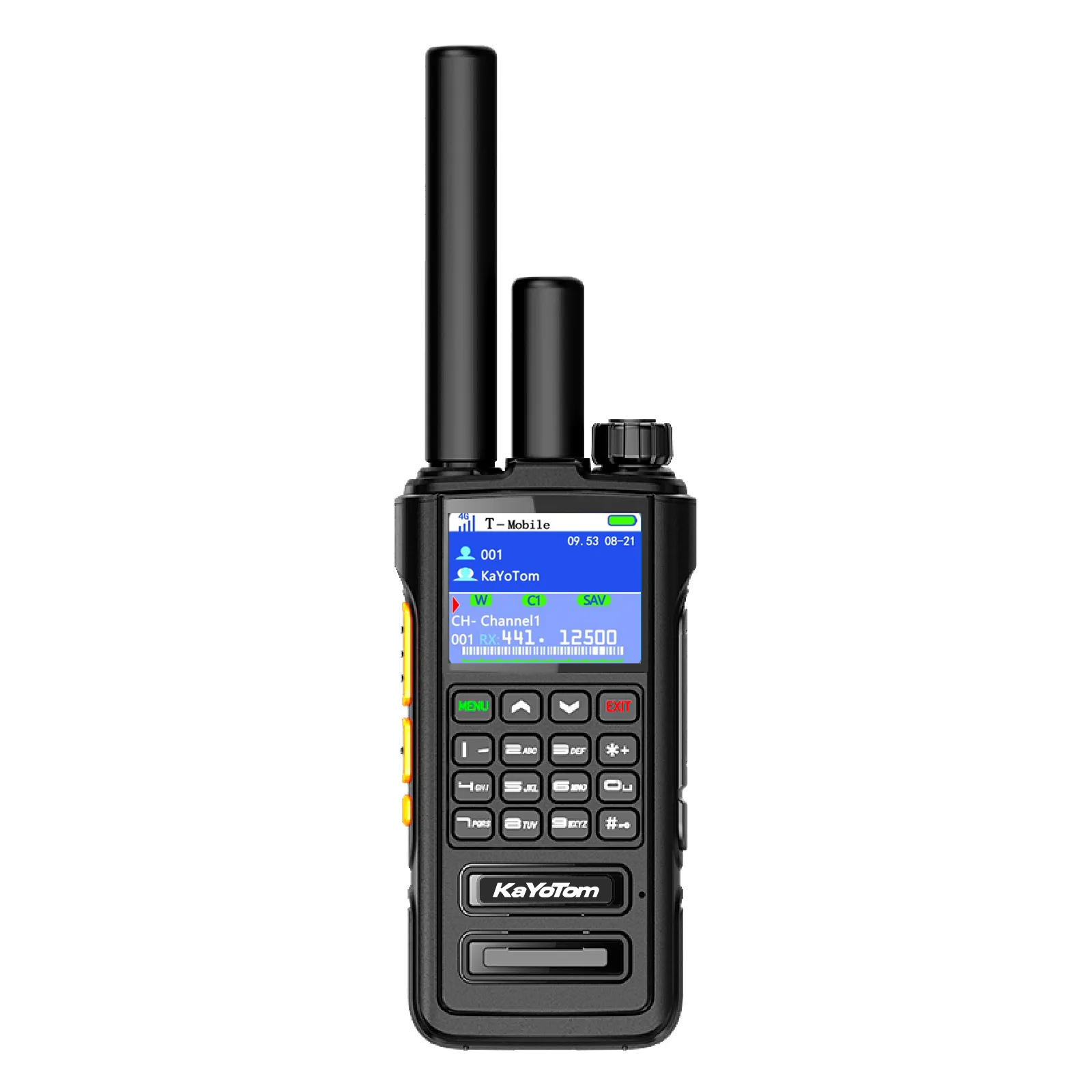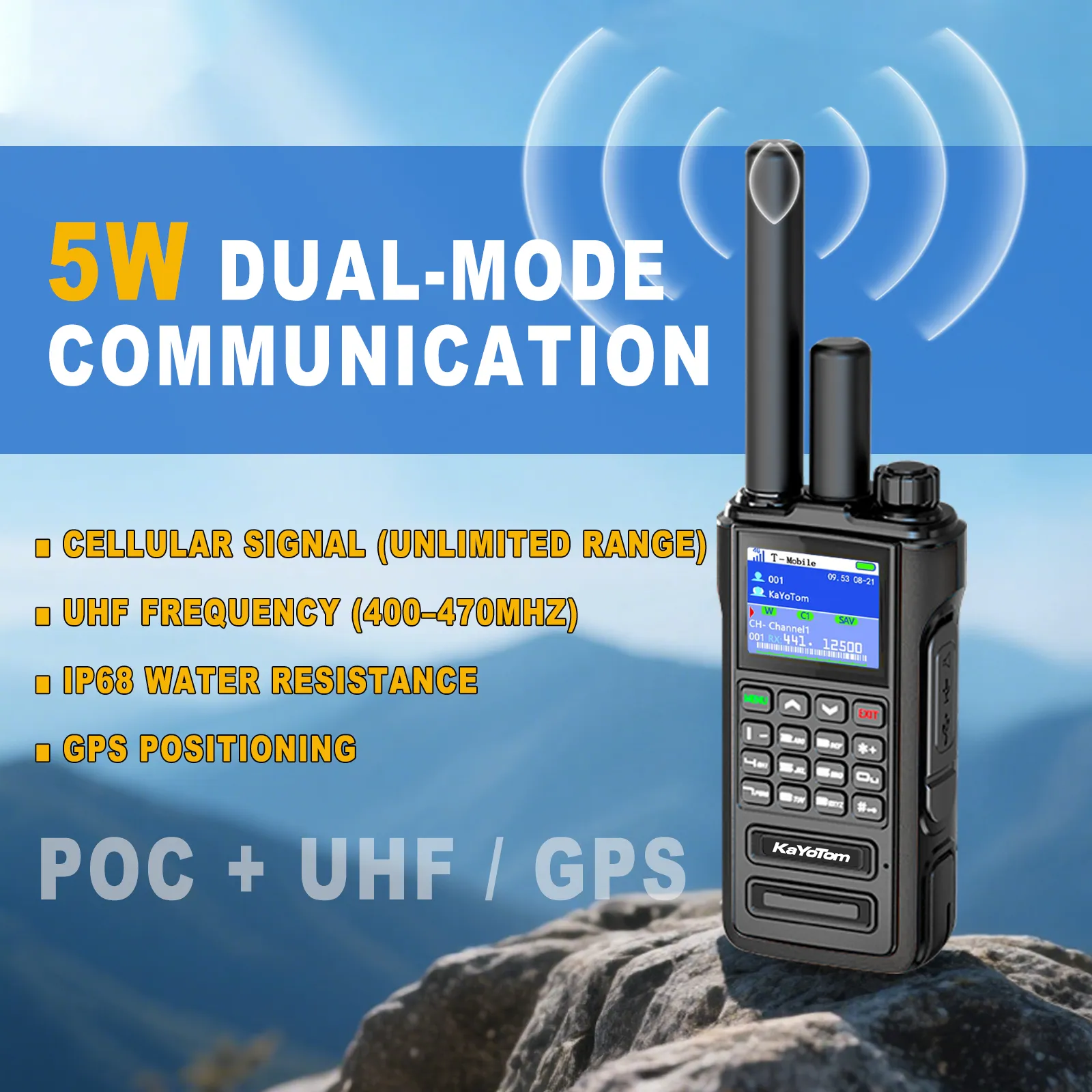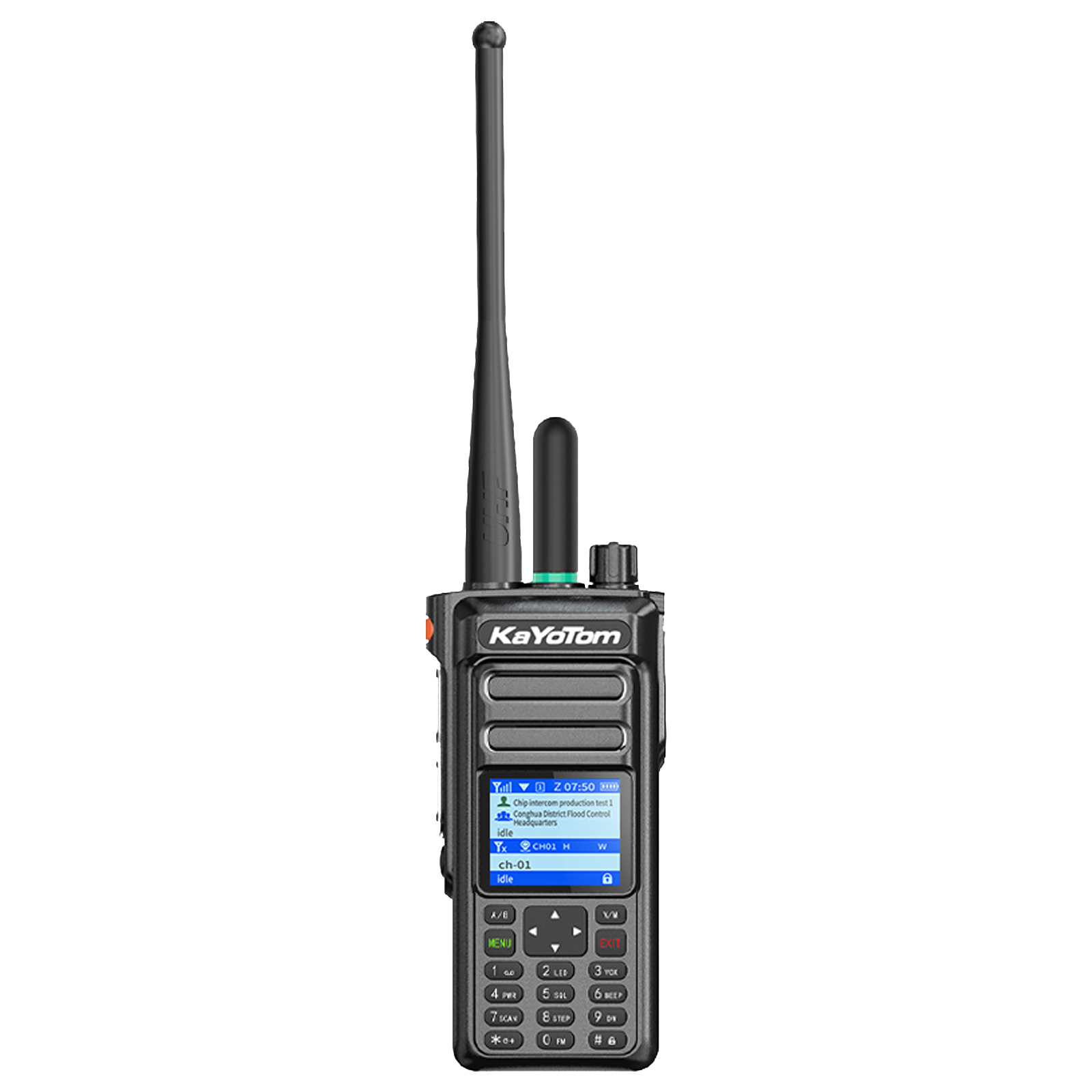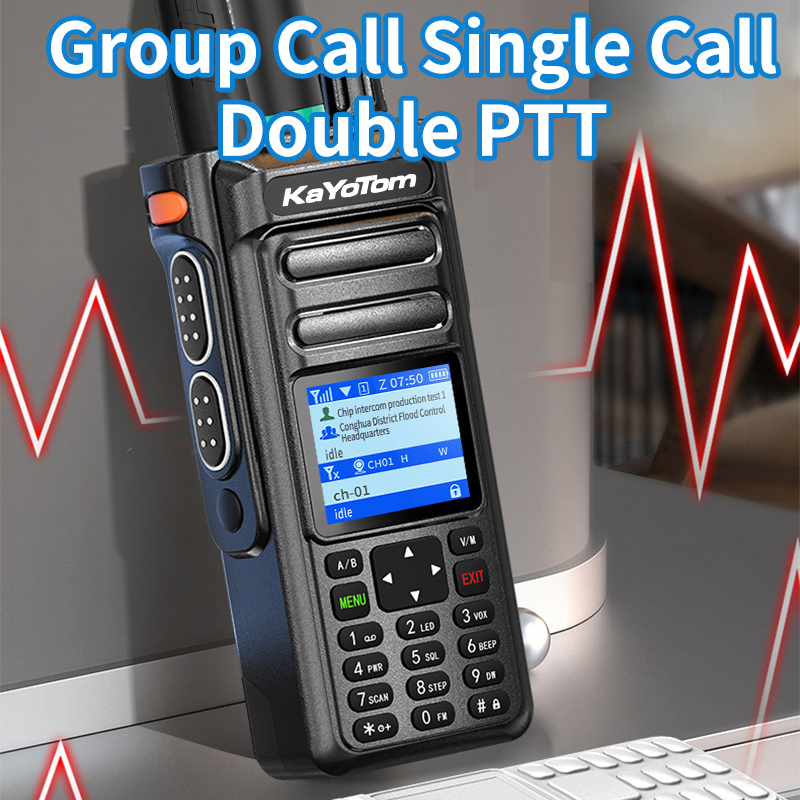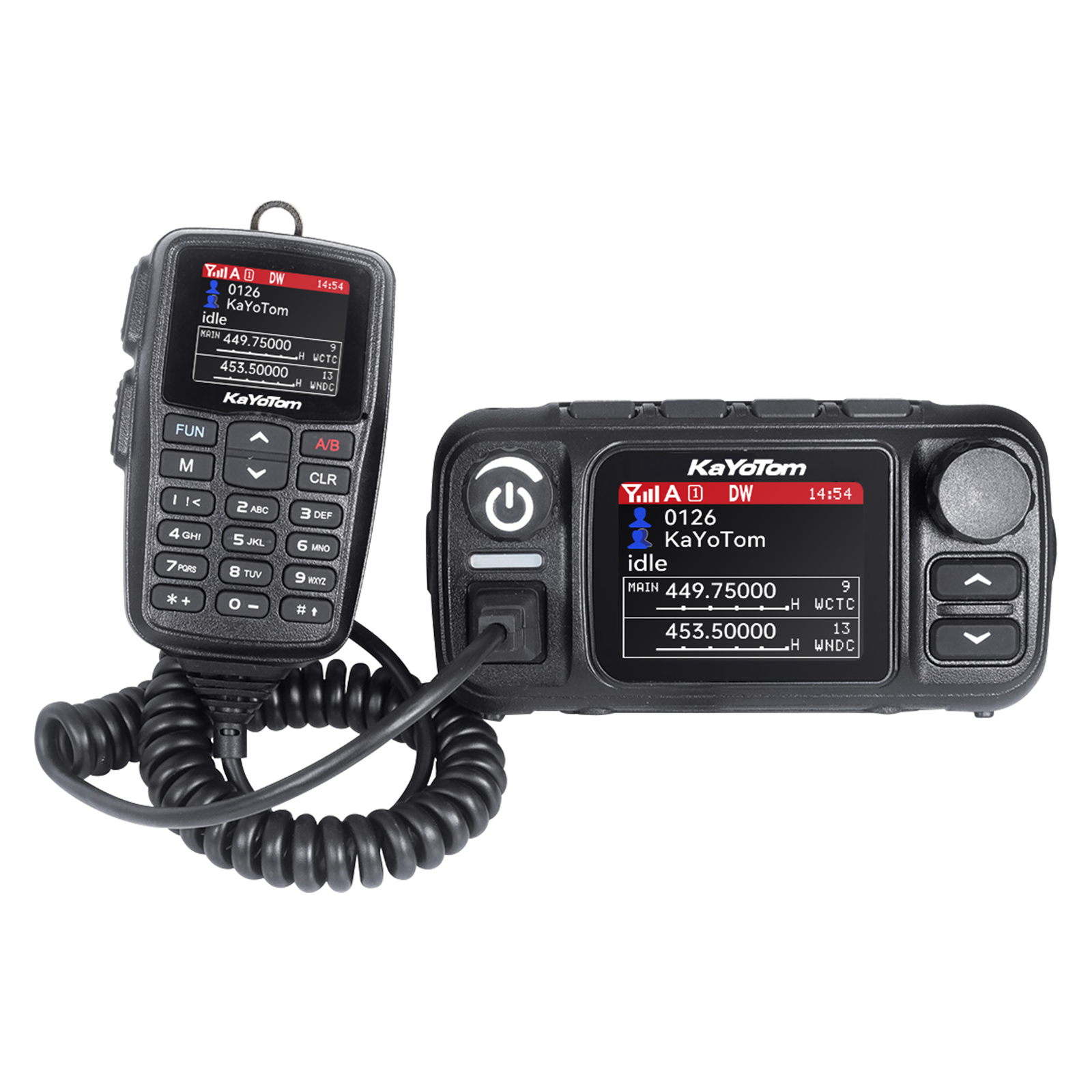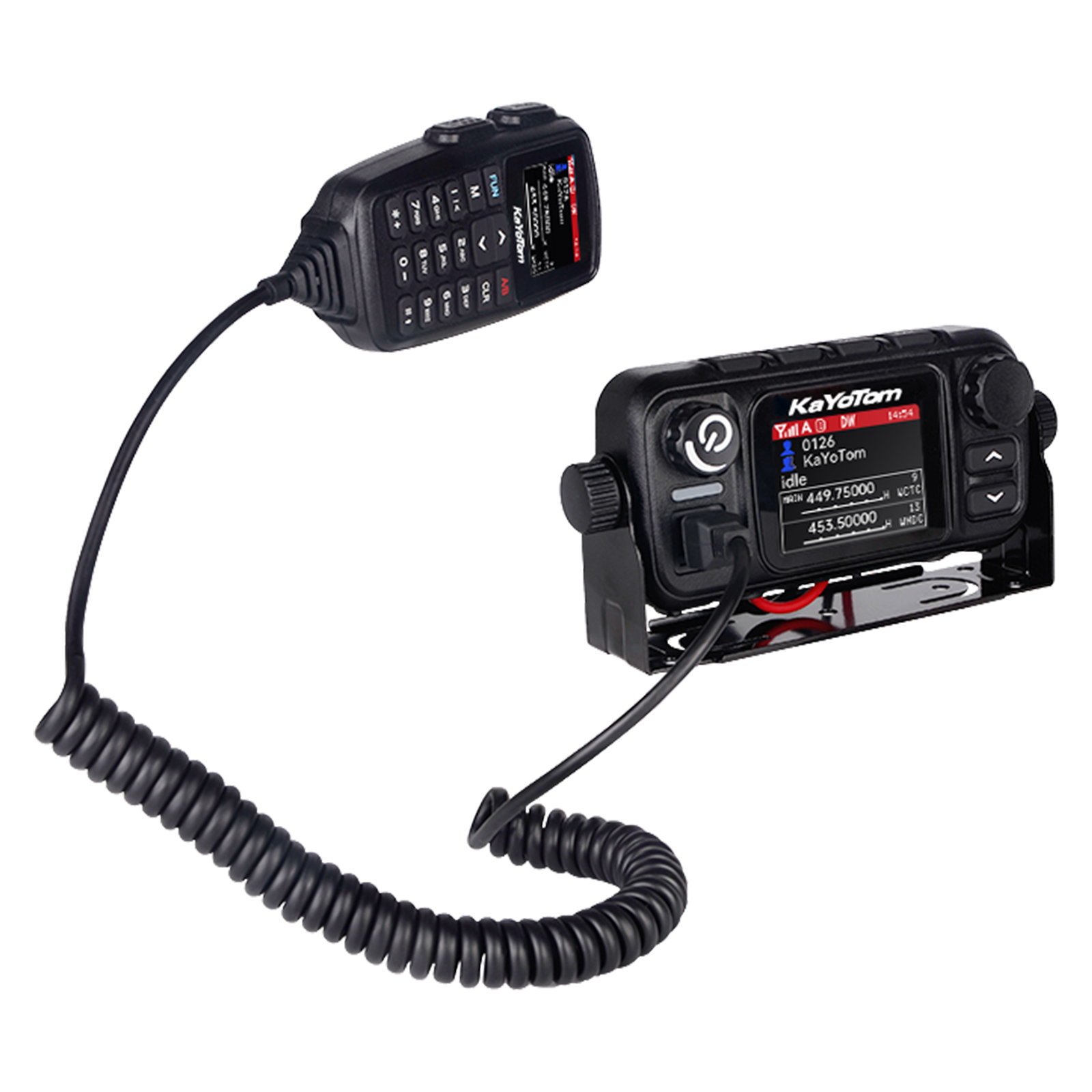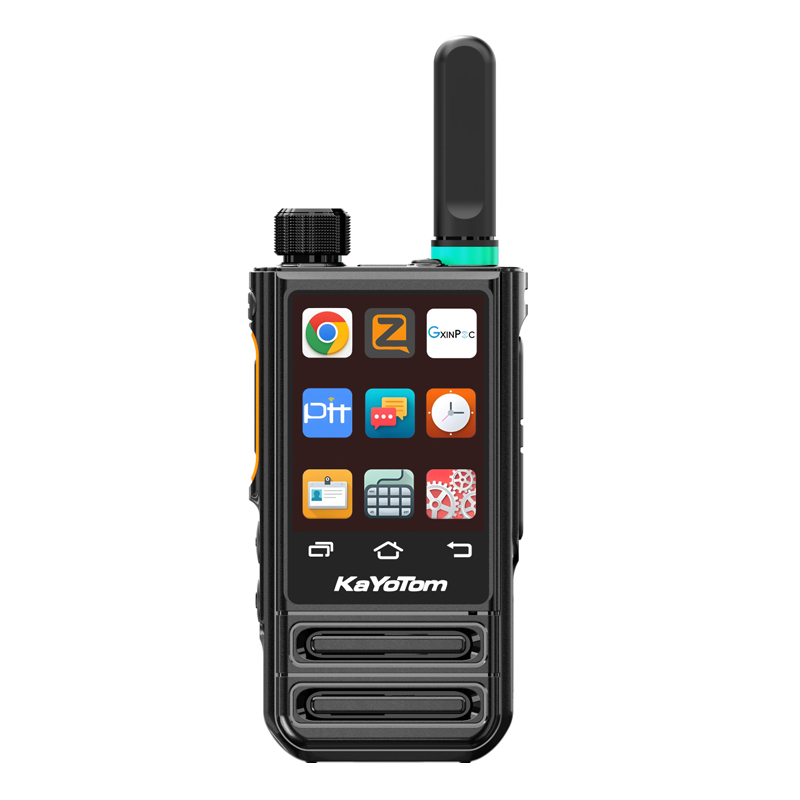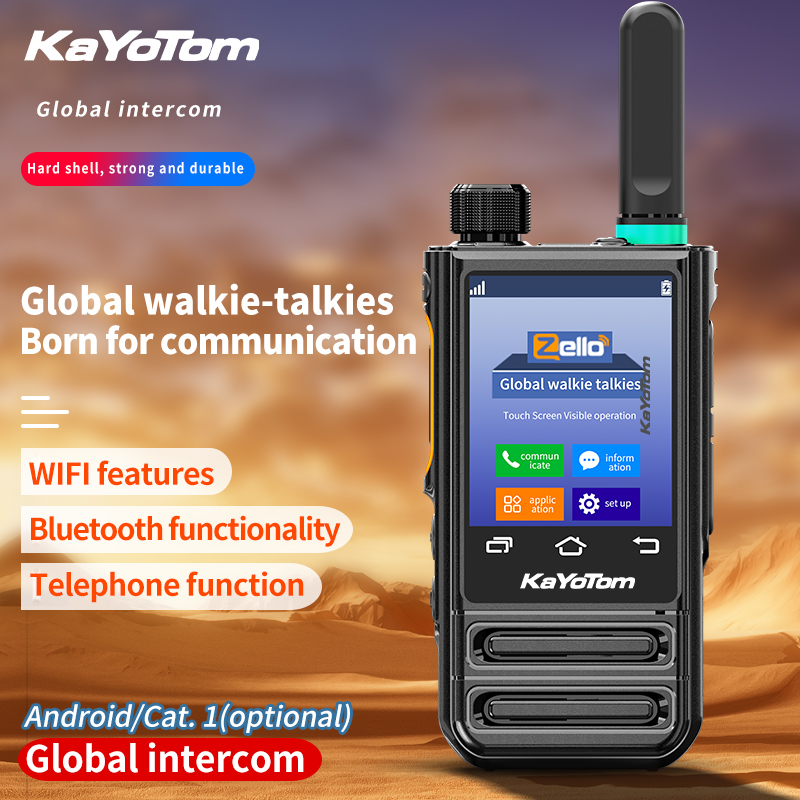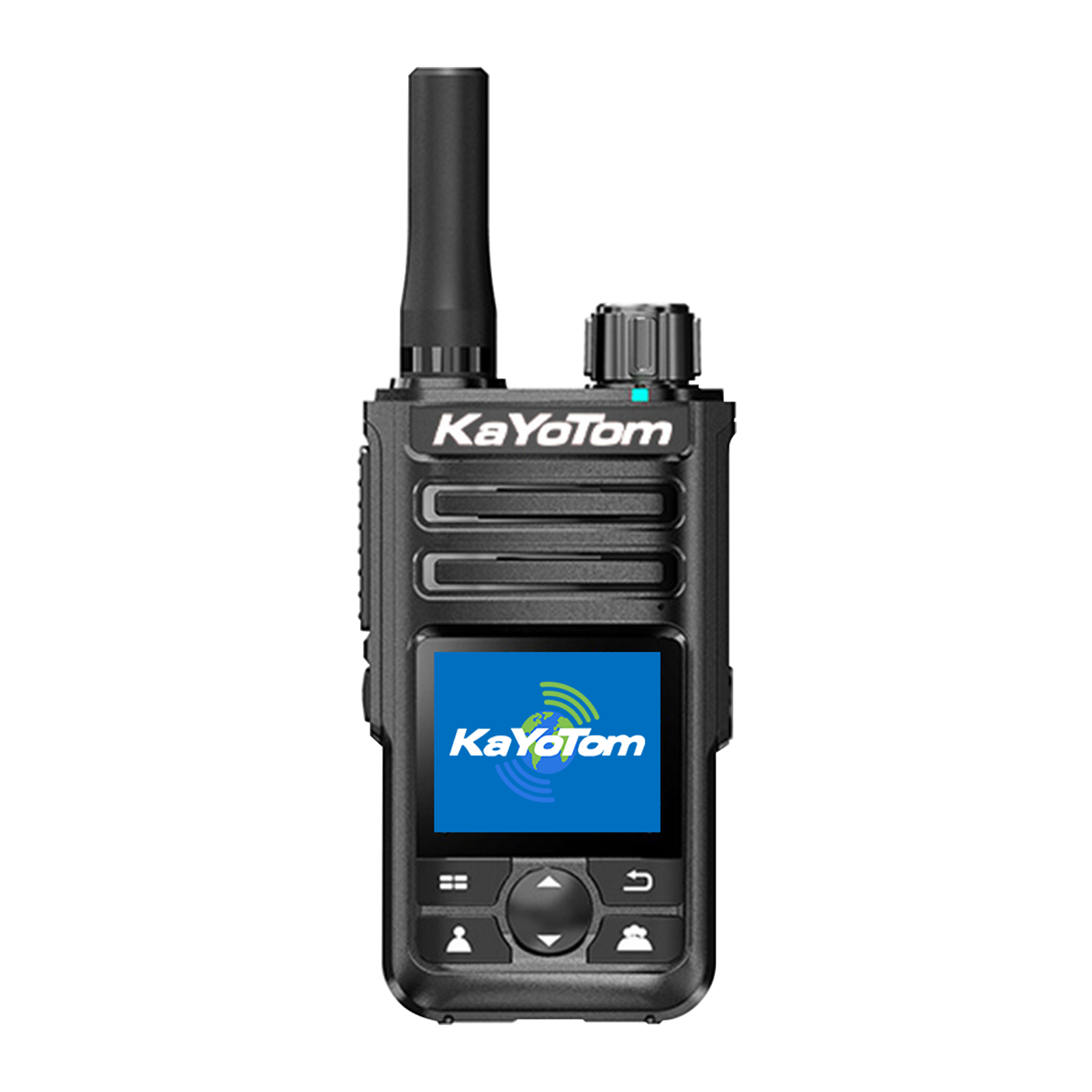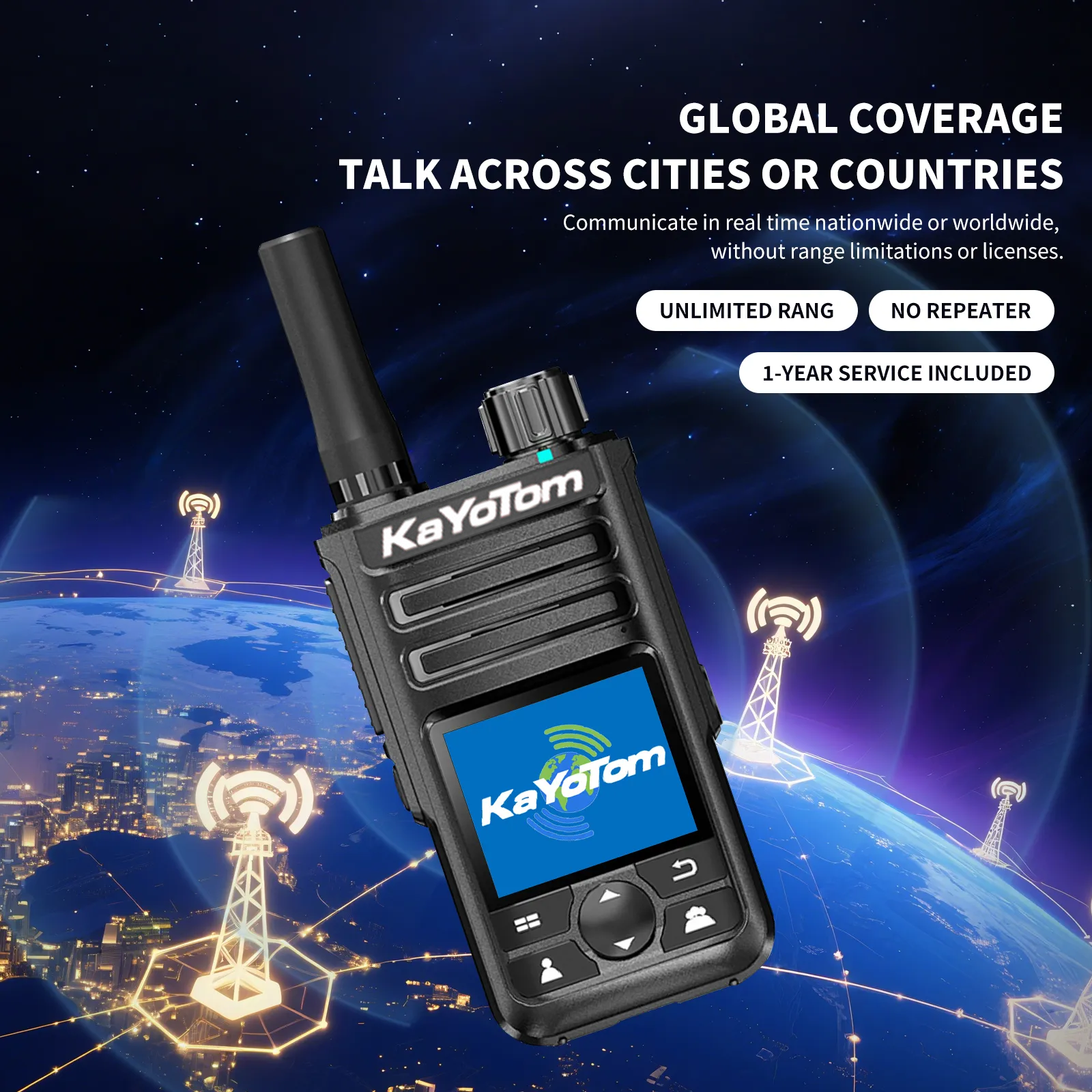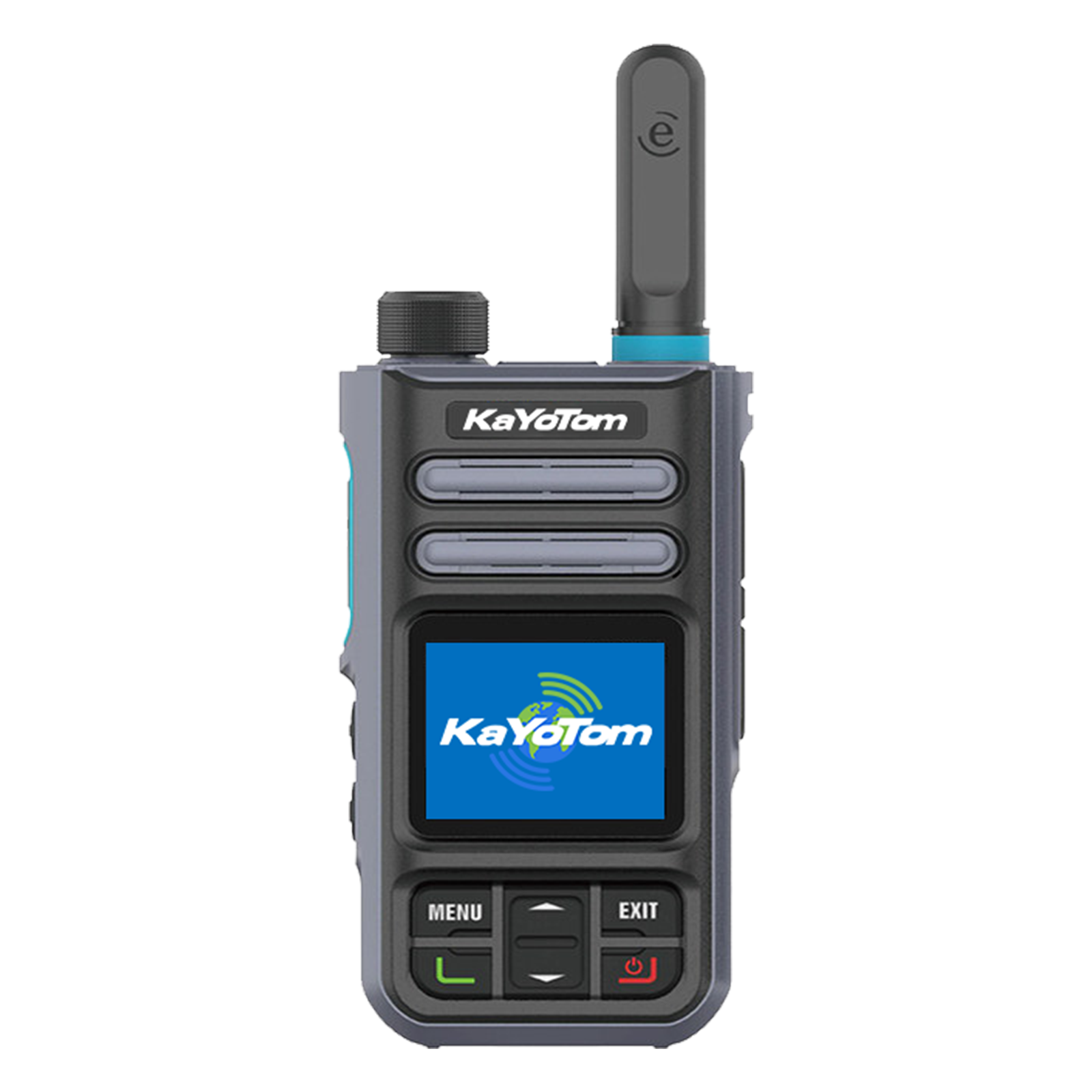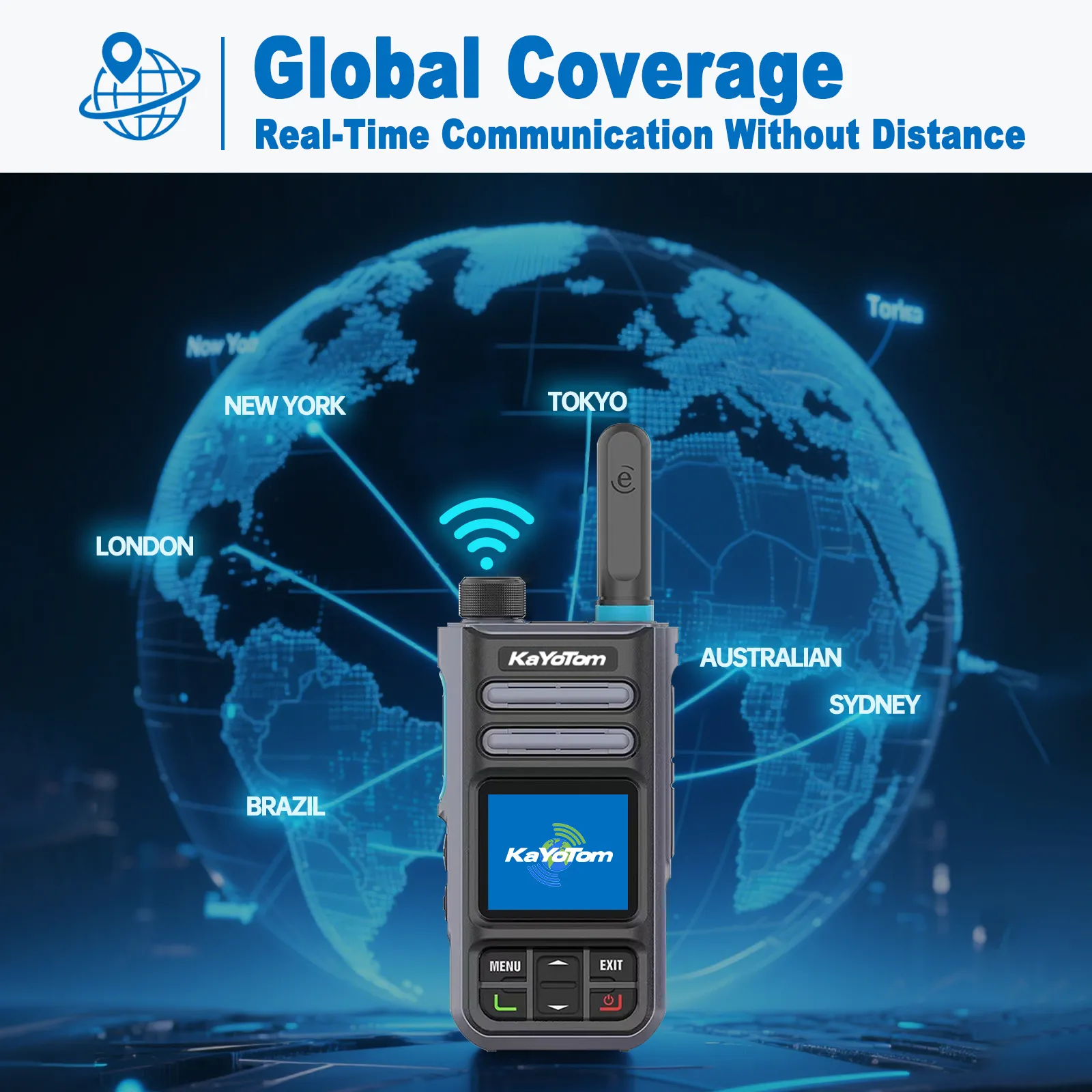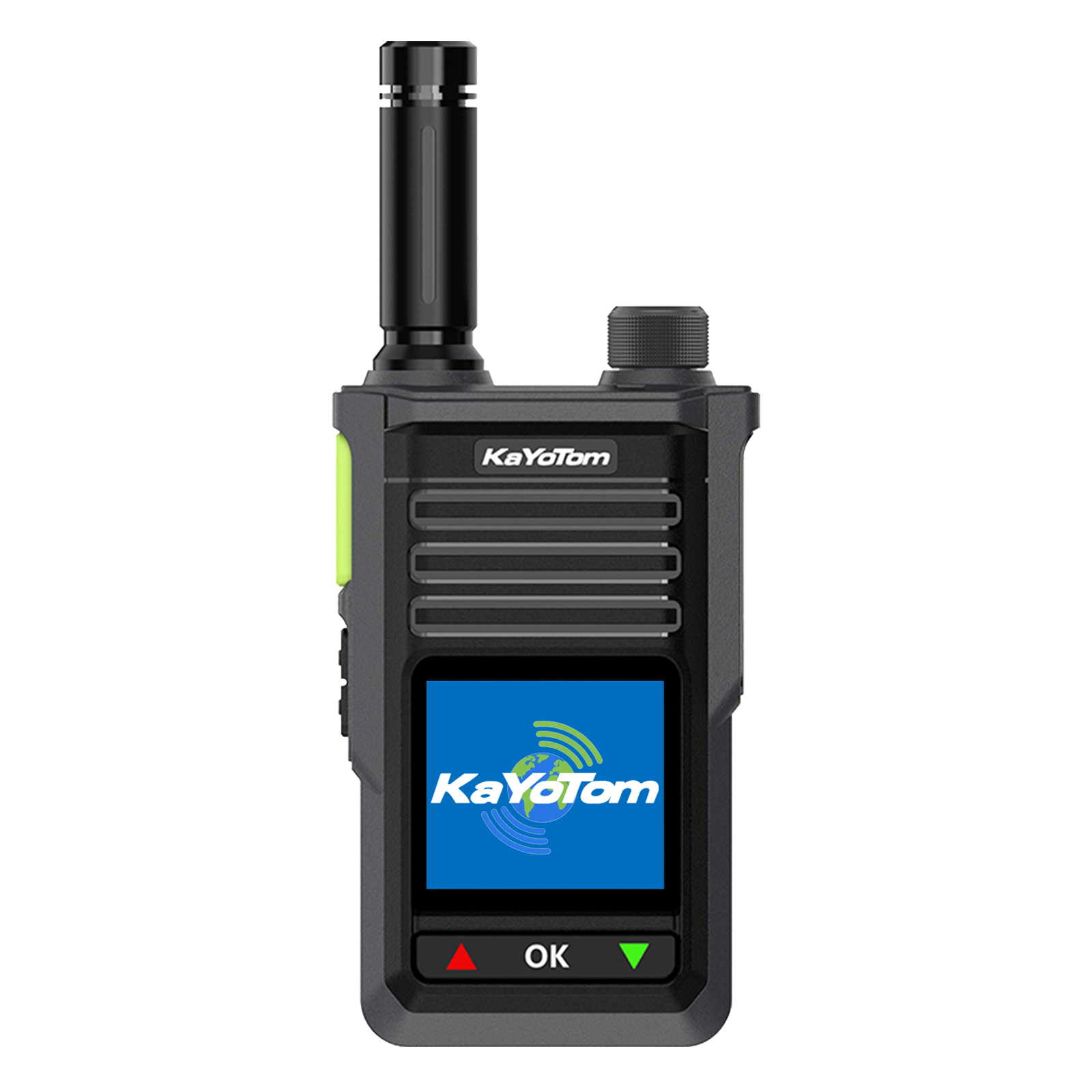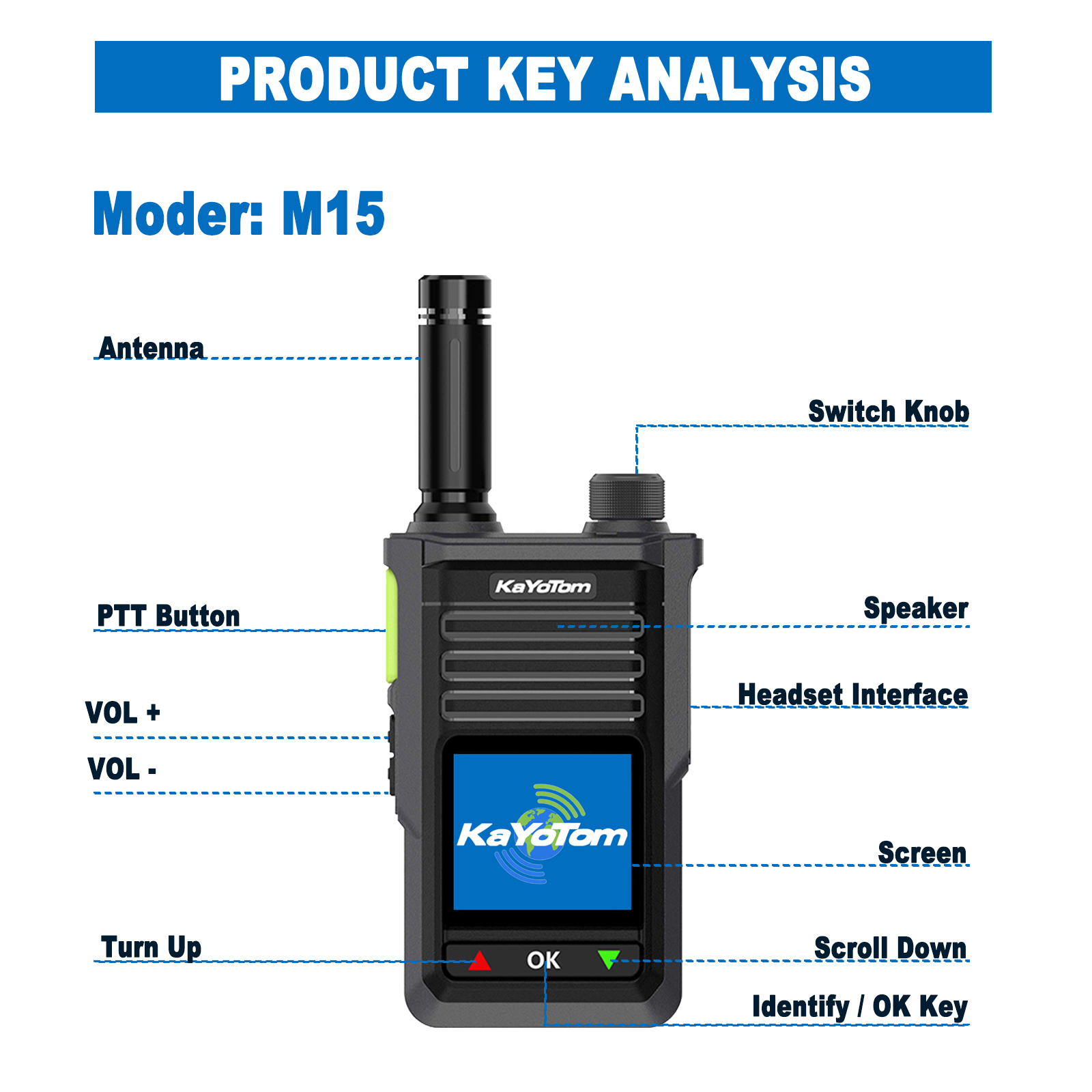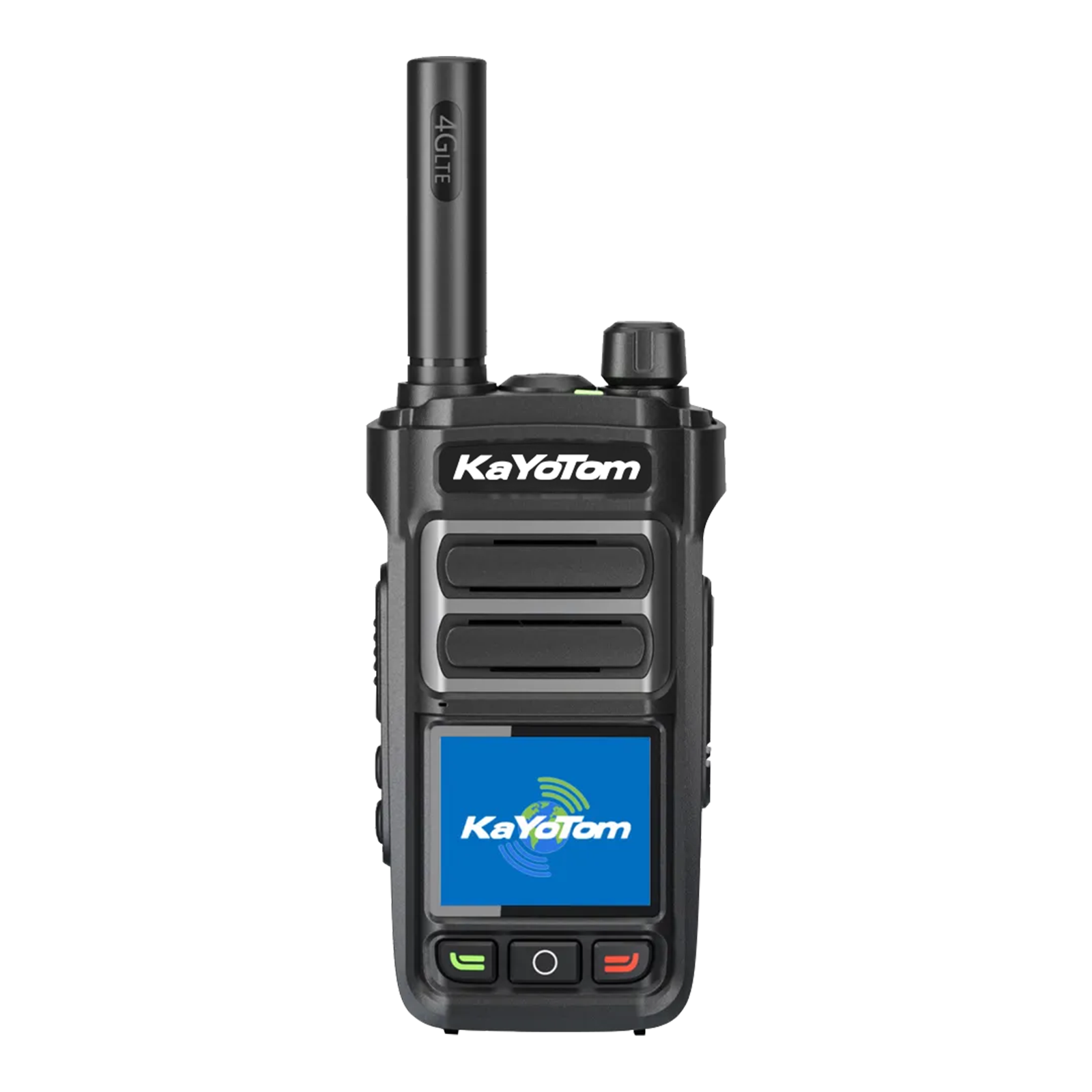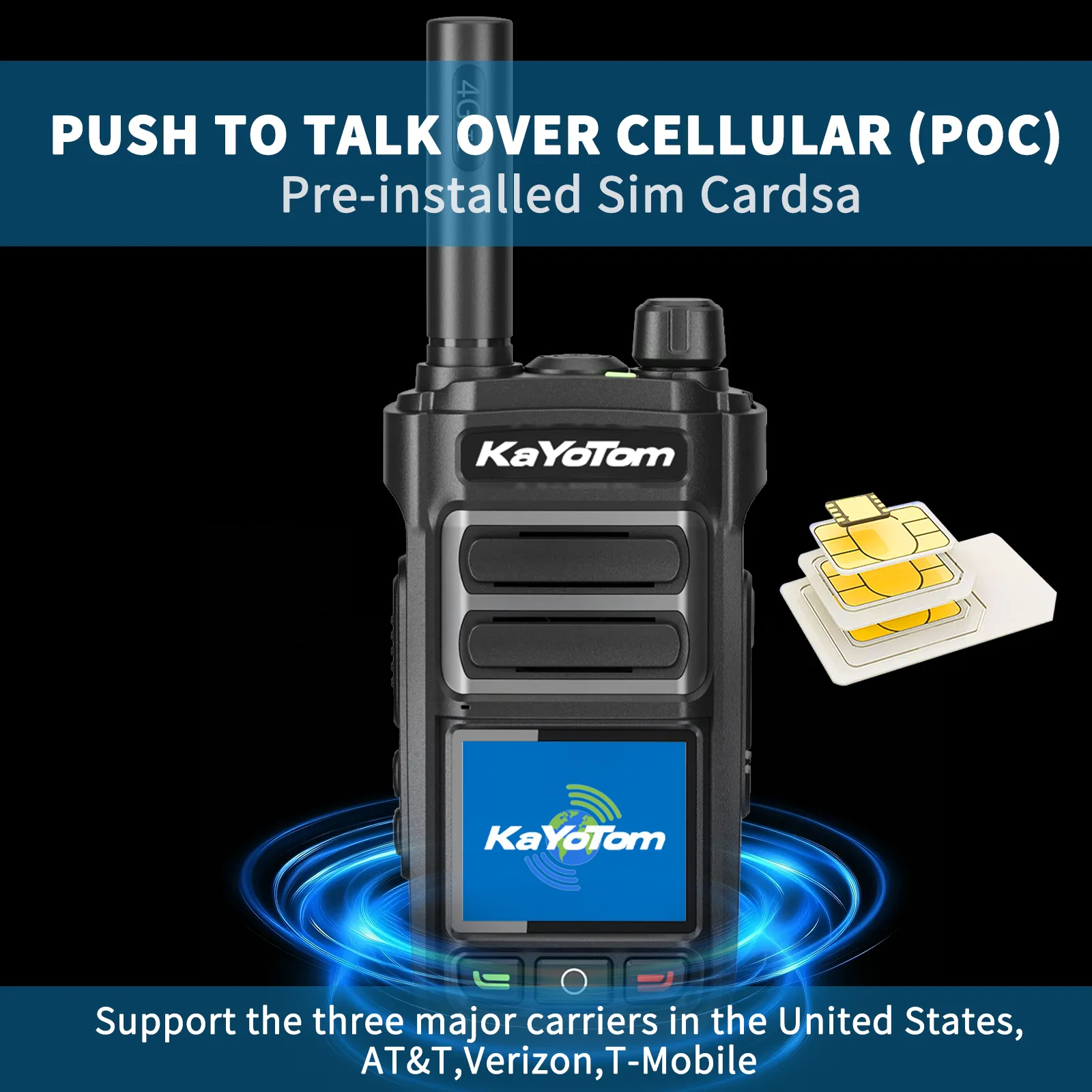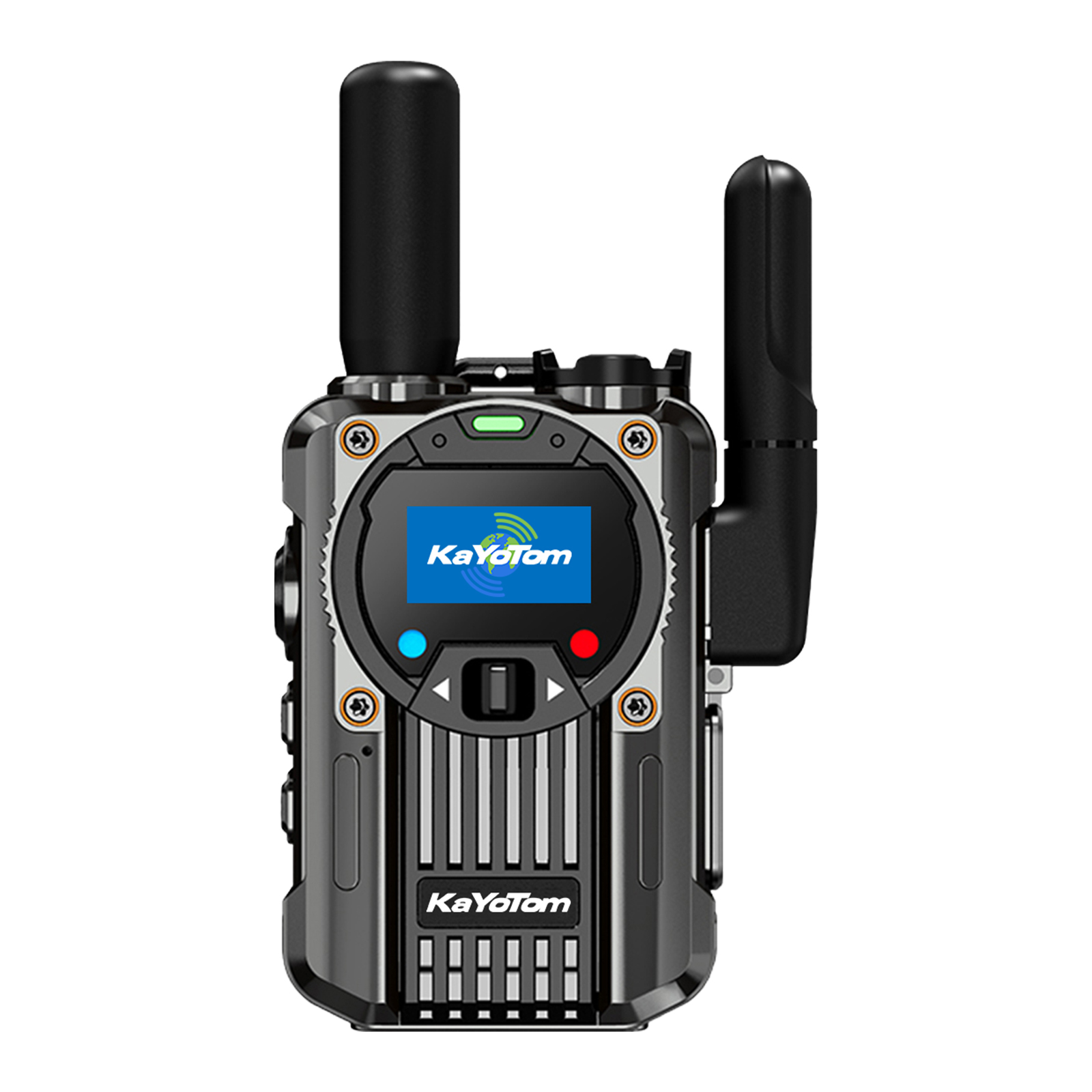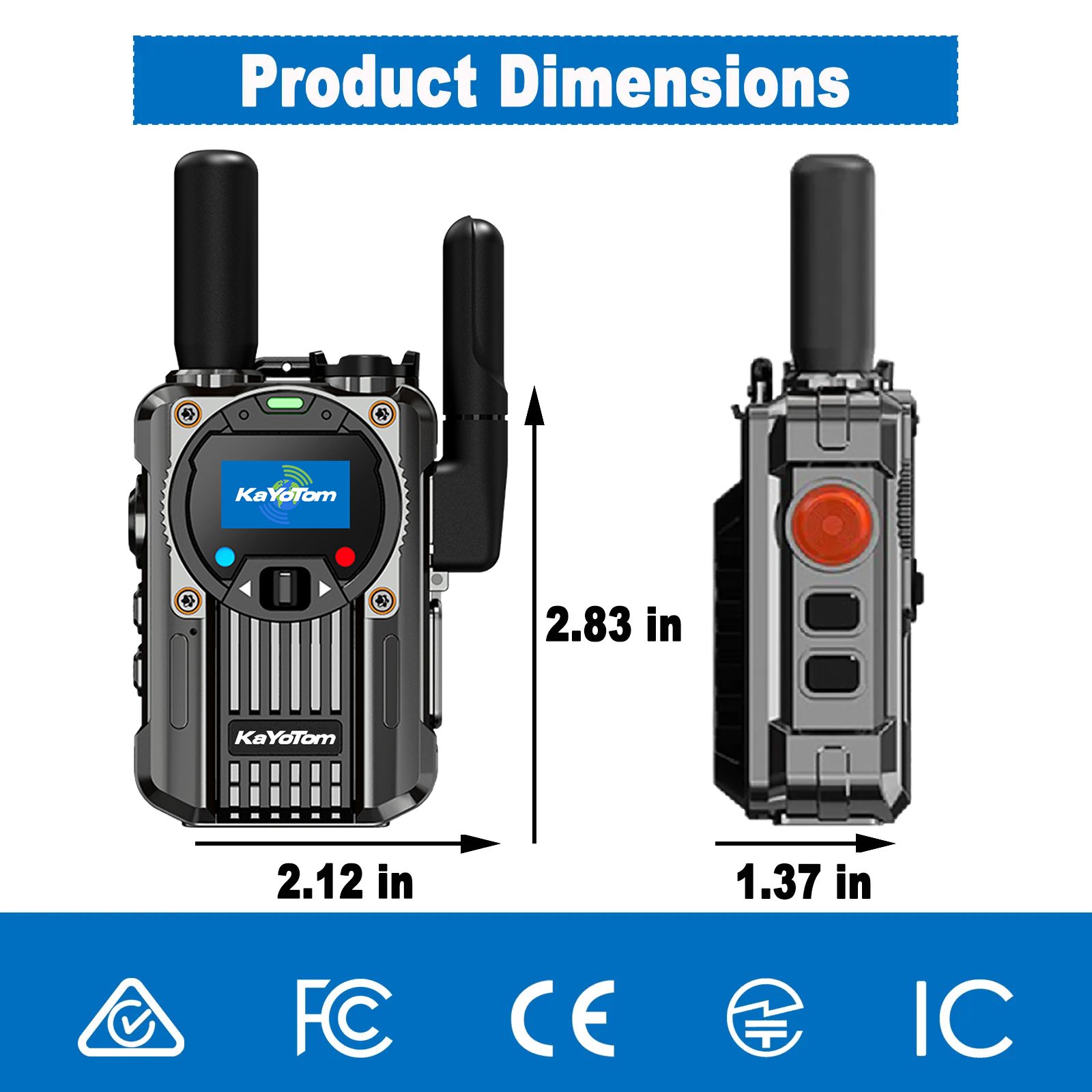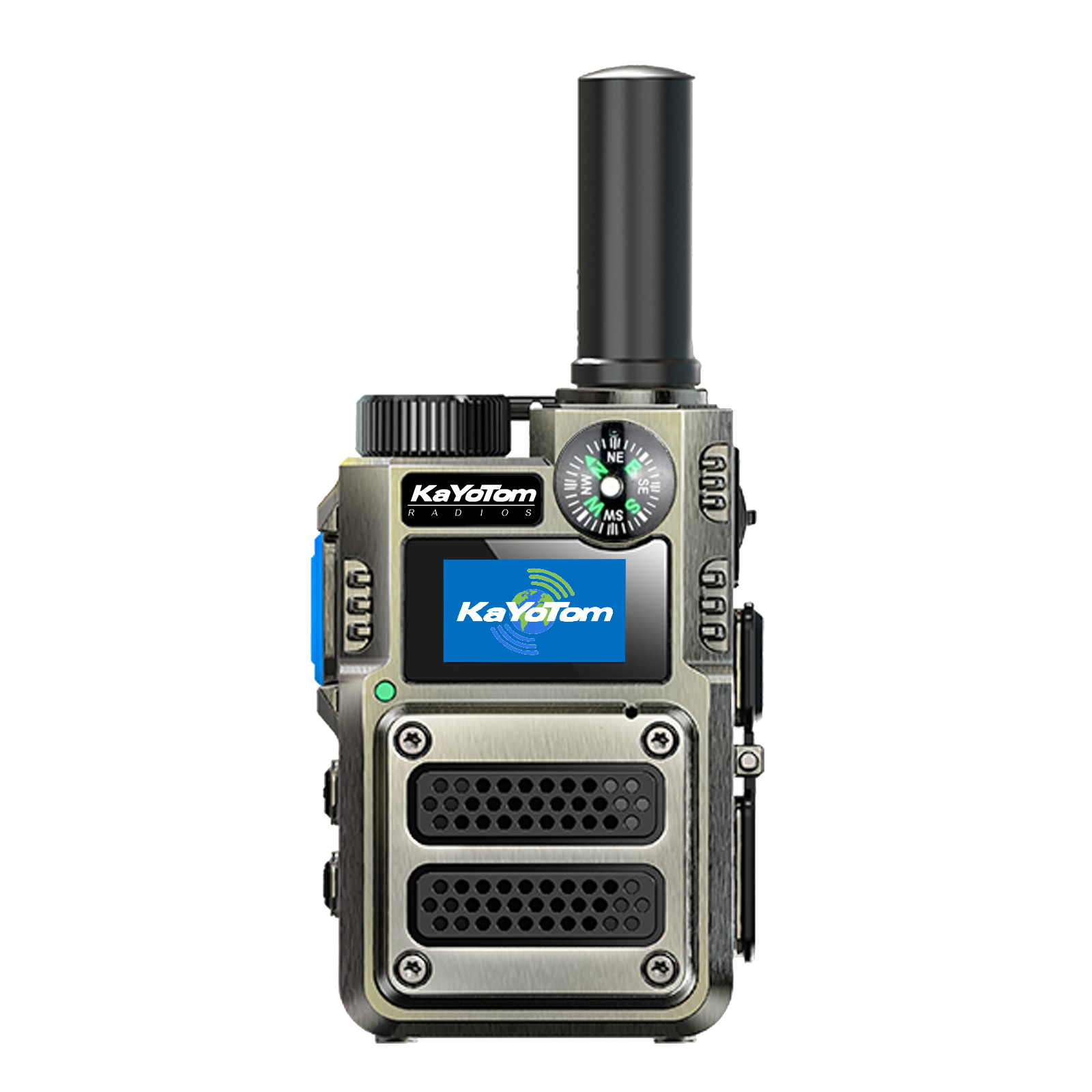

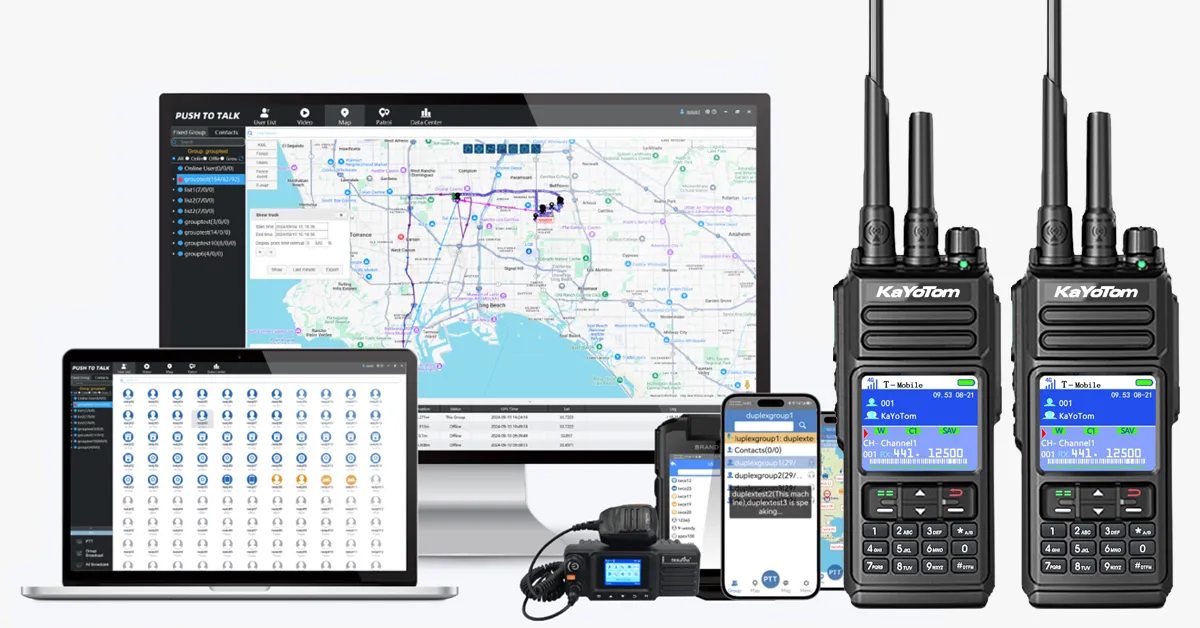
While traditional analog radios (DMR/FM) have been the standard for decades, they are increasingly unable to meet the needs of modern, expanding businesses. The KaYoTom D10 represents a shift toward PoC (Push-to-Talk over Cellular), offering global range, crystal-clear digital audio, and zero infrastructure costs, making it a superior choice for teams requiring scalability and efficiency.
Key Technological Differences
| Feature | Traditional Analog/DMR | KaYoTom D10 (PoC) |
| Communication Range | Limited (Line-of-sight/Repeaters) | Unlimited (Global 4G LTE) |
| Audio Quality | Subject to static/interference | Crystal Clear Digital |
| Infrastructure Cost | High (Repeaters/Antennas/Licensing) | Zero (Uses existing 4G network) |
| Setup Complexity | High (Frequency planning/Programming) | Low (Plug-and-play) |
| Cross-Border Use | Difficult (Regulatory/Freq blocks) | Easy (Global 4G roaming) |
Why Modern Teams are Transitioning
For years, the industry relied on DMR for its ability to function without public networks. However, the rise of reliable 4G/5G infrastructure has rendered this approach unnecessarily complex and expensive.
-
Breaking the Distance Barrier: Traditional radios force teams to stay within a few miles of a base station. The KaYoTom D10 allows a logistics manager to speak to a driver on the other side of the country as easily as if they were standing in the same room.
-
Audio Clarity: Analog signals suffer from "noise floor" issues—background hiss and signal dropouts. The D10 uses digital packet transmission to deliver a consistent, high-fidelity audio stream, which is critical for reducing miscommunication in safety-sensitive environments.
-
Future-Proofing: Digital radio systems often require dedicated technicians to manage frequencies and repeaters. The D10 simplifies your business operations into a hardware-only model, freeing you from technical maintenance and spectrum licensing fees.
The "Bridge" Advantage
What sets the KaYoTom D10 apart from generic PoC handsets is its dual-mode capability. Unlike standard digital radios, the D10 can bridge traditional analog signals into the PoC network. This means you do not have to discard your existing inventory of analog radios; you can deploy the D10 as a powerful communication hub that integrates your old assets into a new, global network.
FAQ: Choosing Your Communication System
Q: Is there any scenario where analog radios are better than the D10?
A: Analog radios are only strictly better in environments where there is zero cellular coverage (e.g., deep-sea vessels or remote wilderness). However, for 99% of construction, logistics, and commercial use-cases, the D10's dual-mode capability provides the best of both worlds.
Q: Can I transition to KaYoTom D10 gradually?
A: Yes. Because the D10 functions as a cross-band bridge, you can deploy it alongside your current analog radios. It acts as a gateway, allowing your new PoC-equipped teams to communicate seamlessly with your existing staff on traditional hardware.
Q: How does the D10 handle voice priority during network congestion?
A: The D10 utilizes dedicated data channels for PTT traffic, ensuring that voice packets are prioritized over standard web traffic. This guarantees that your commands get through even when the local 4G network is under load.