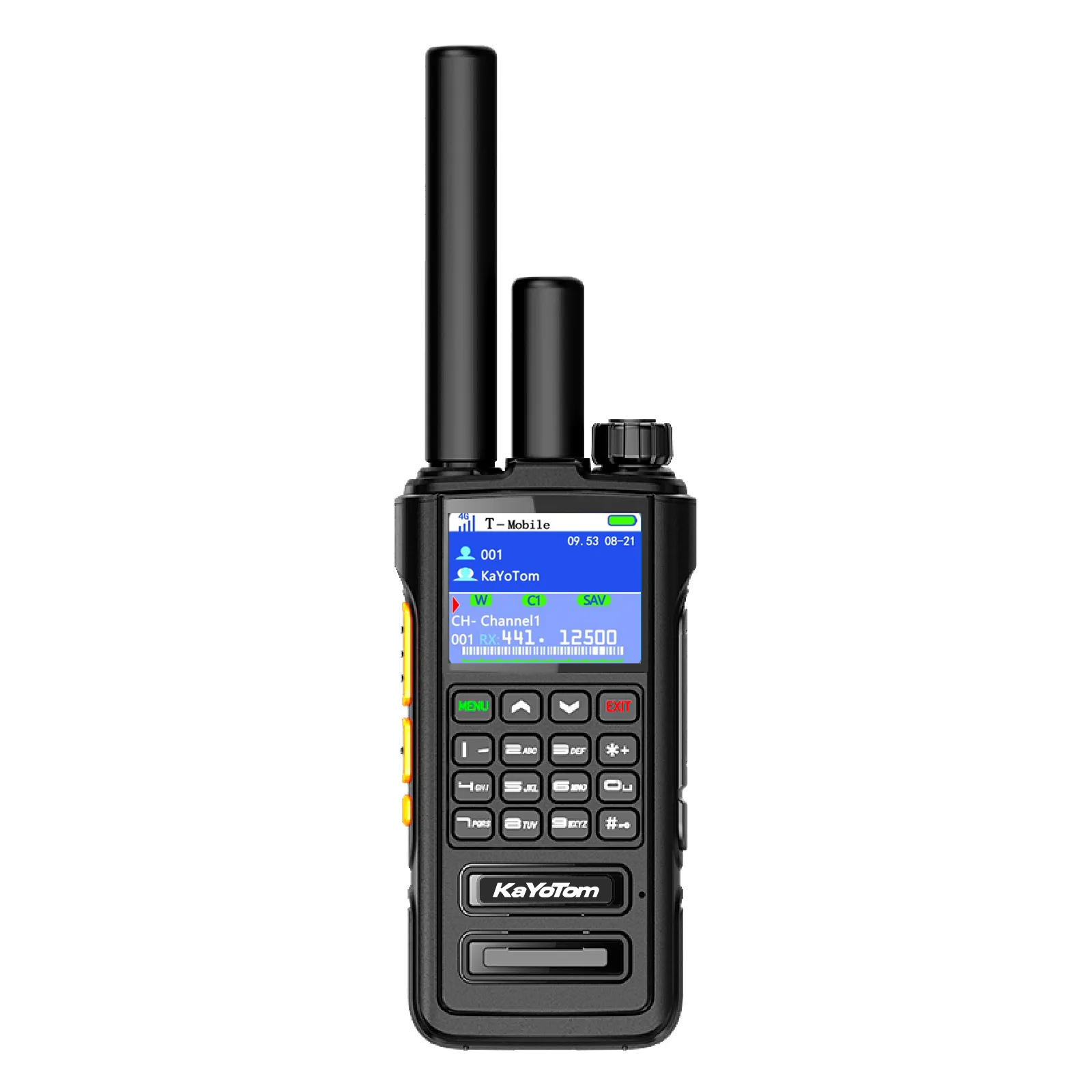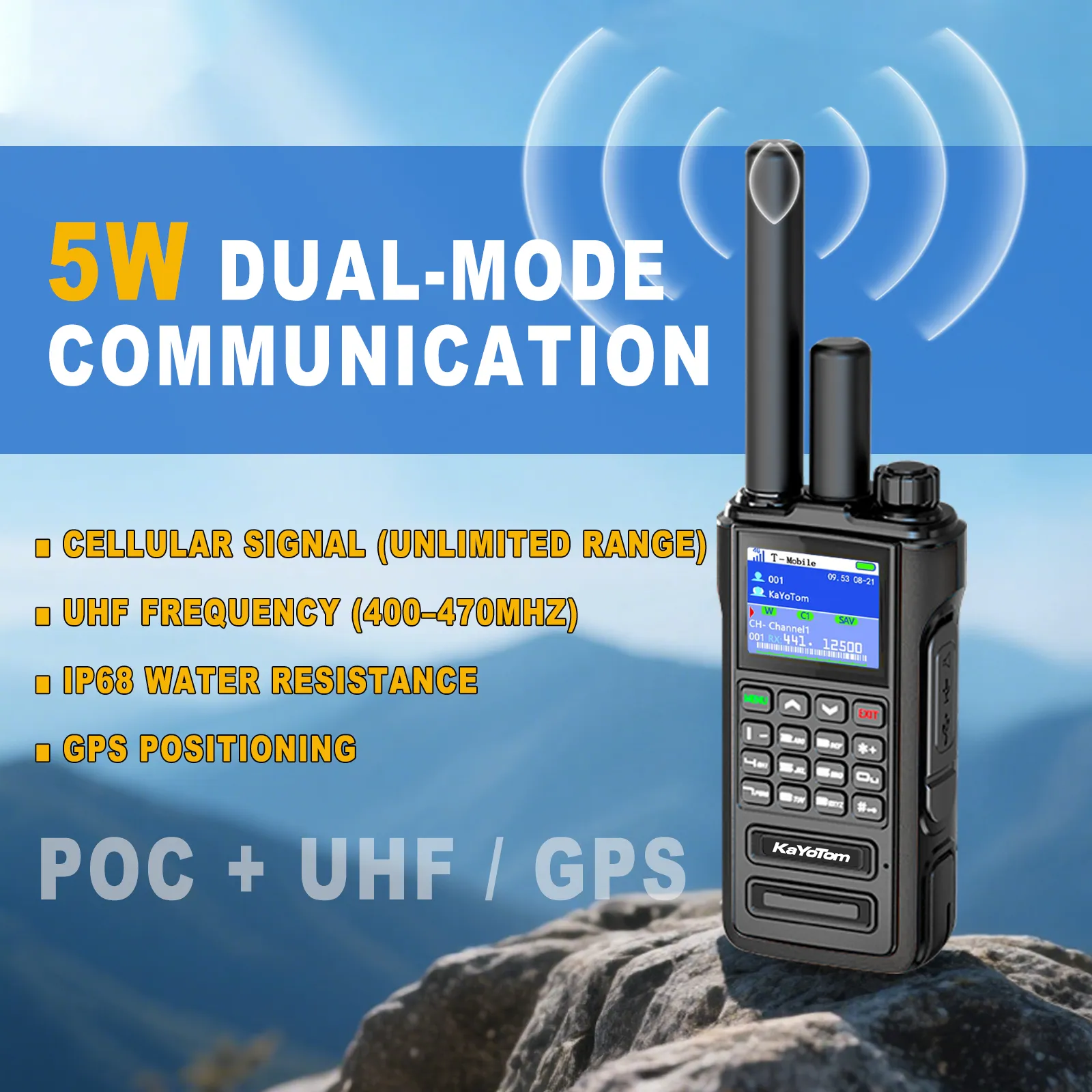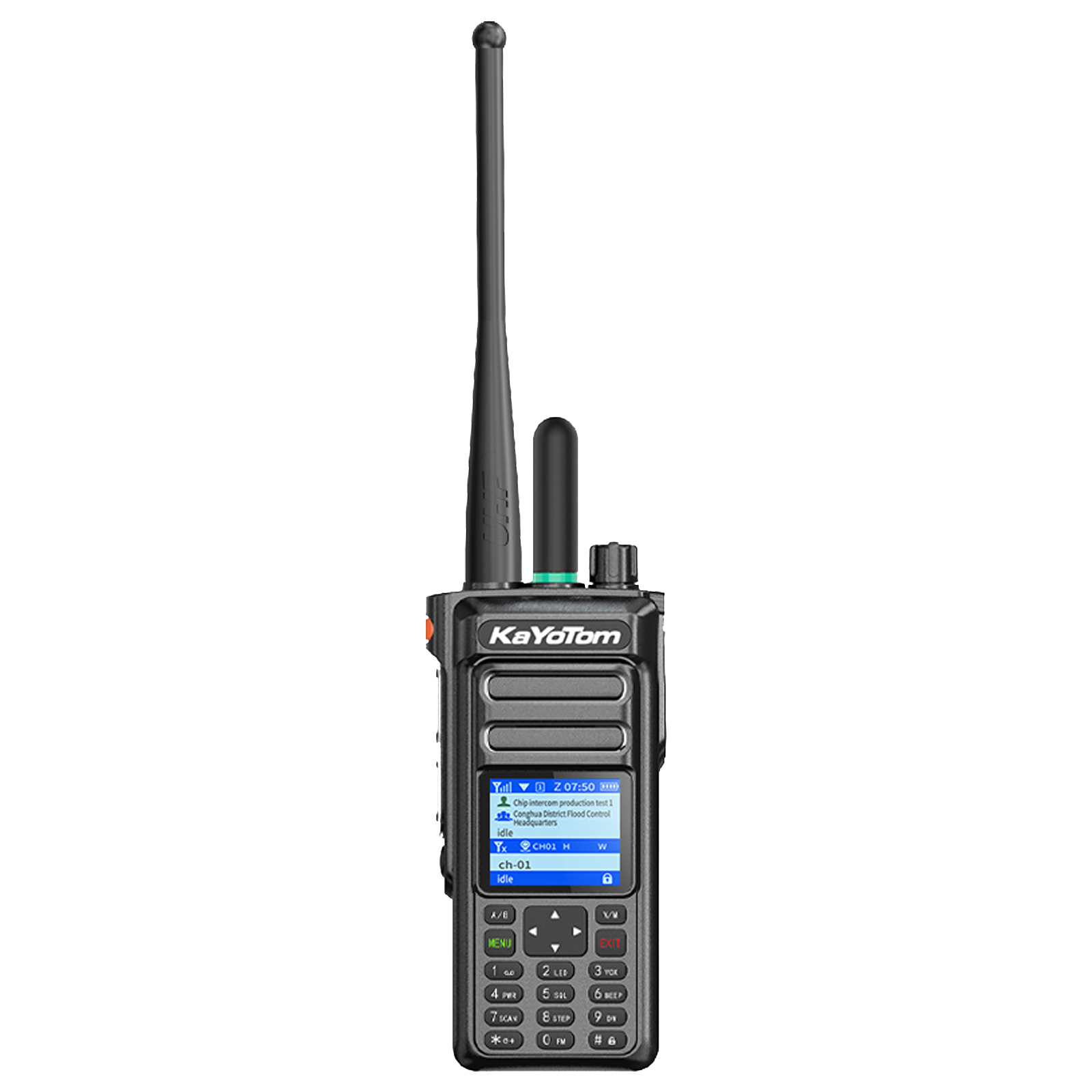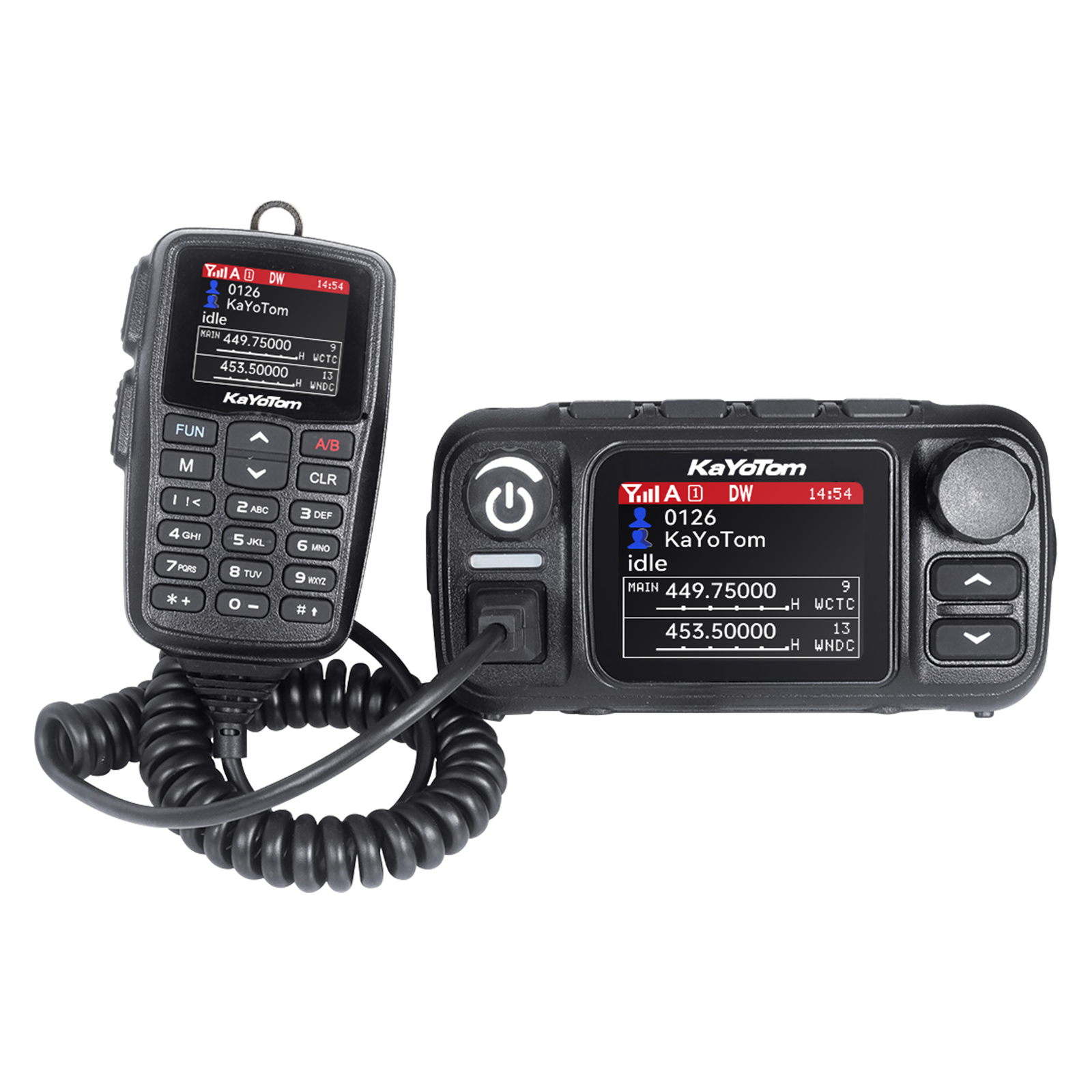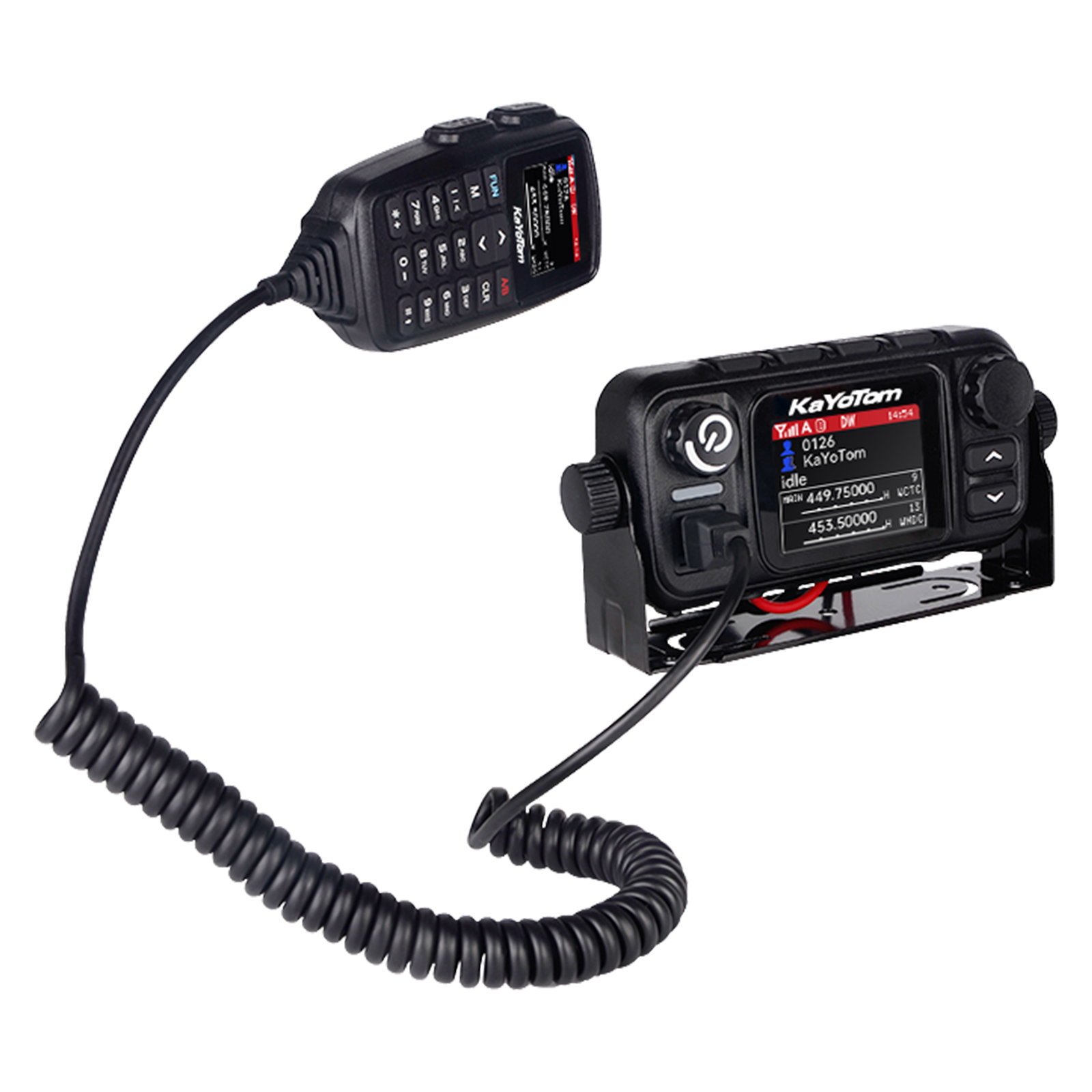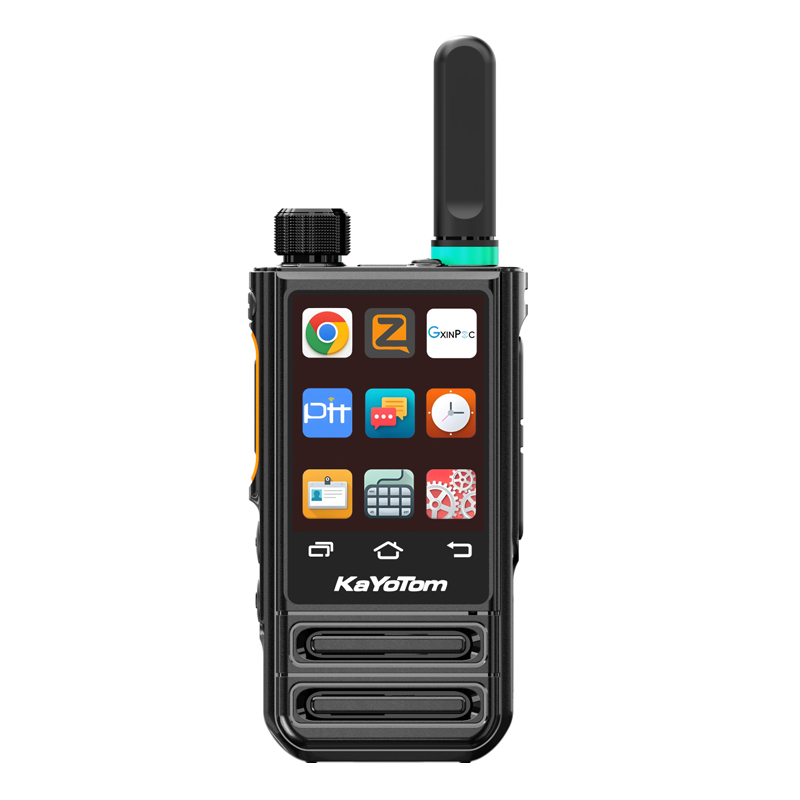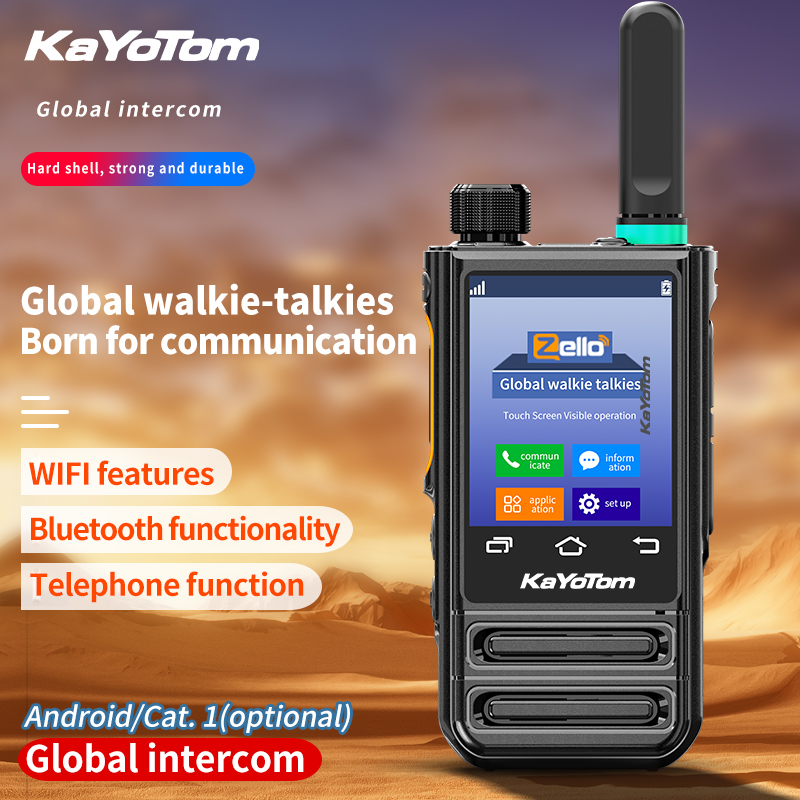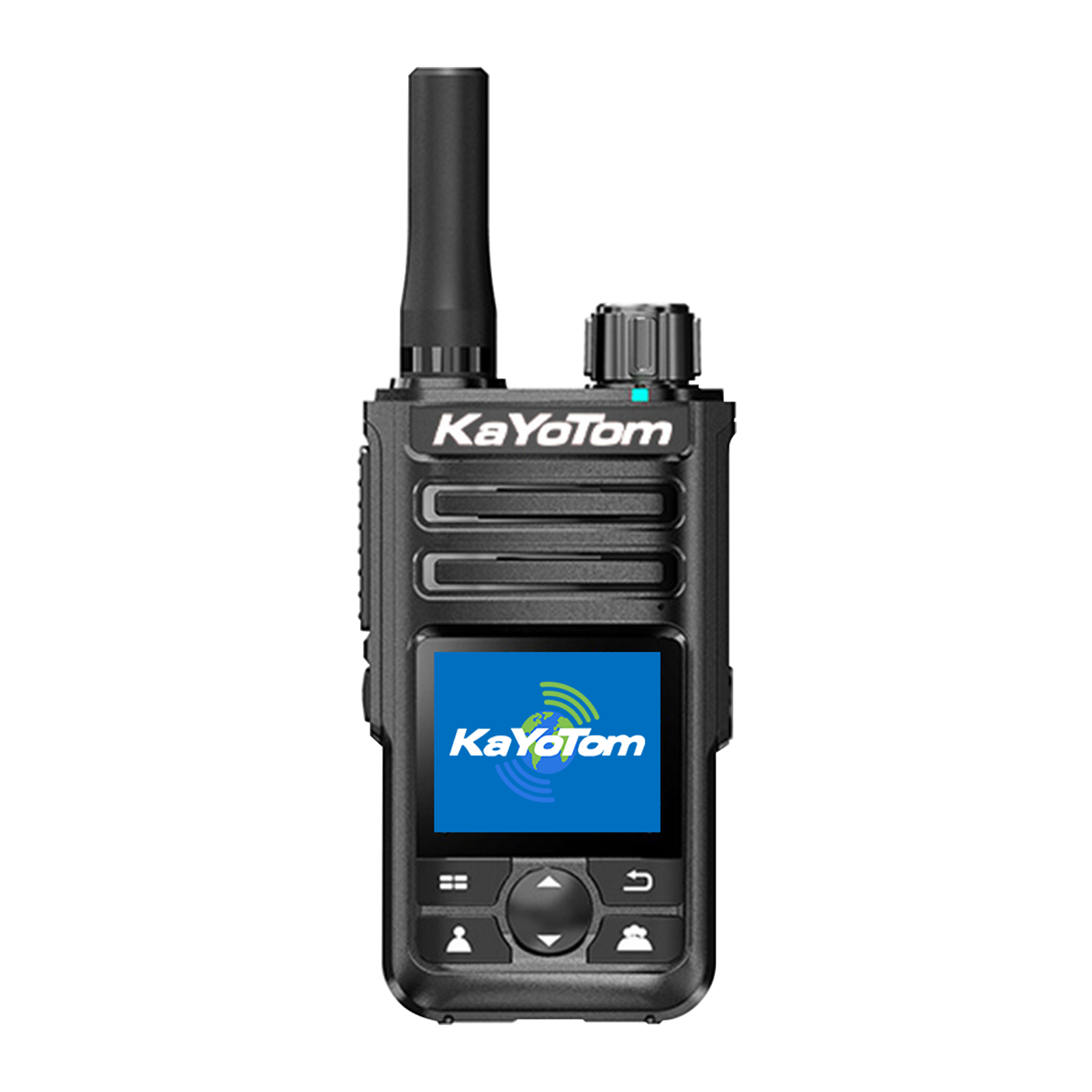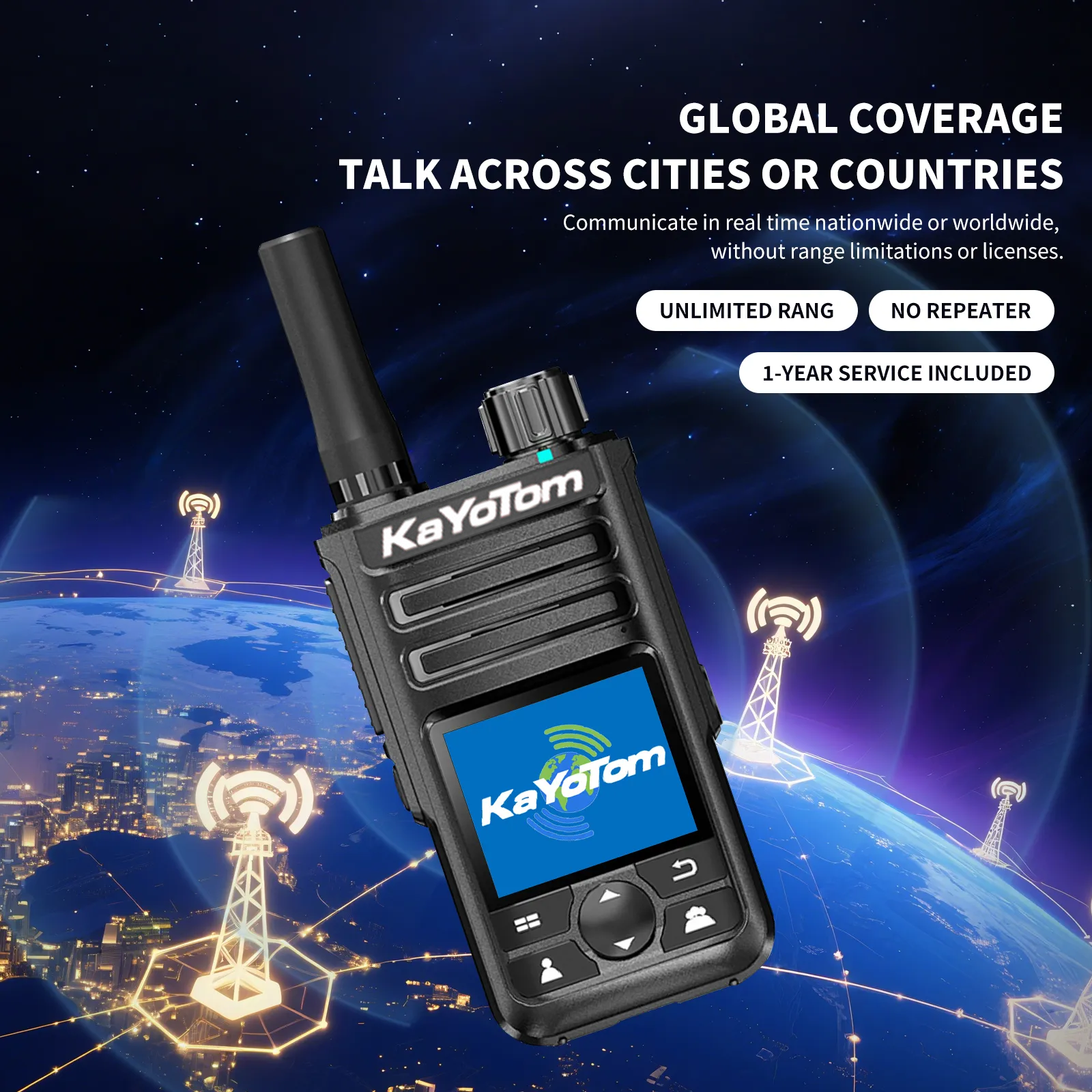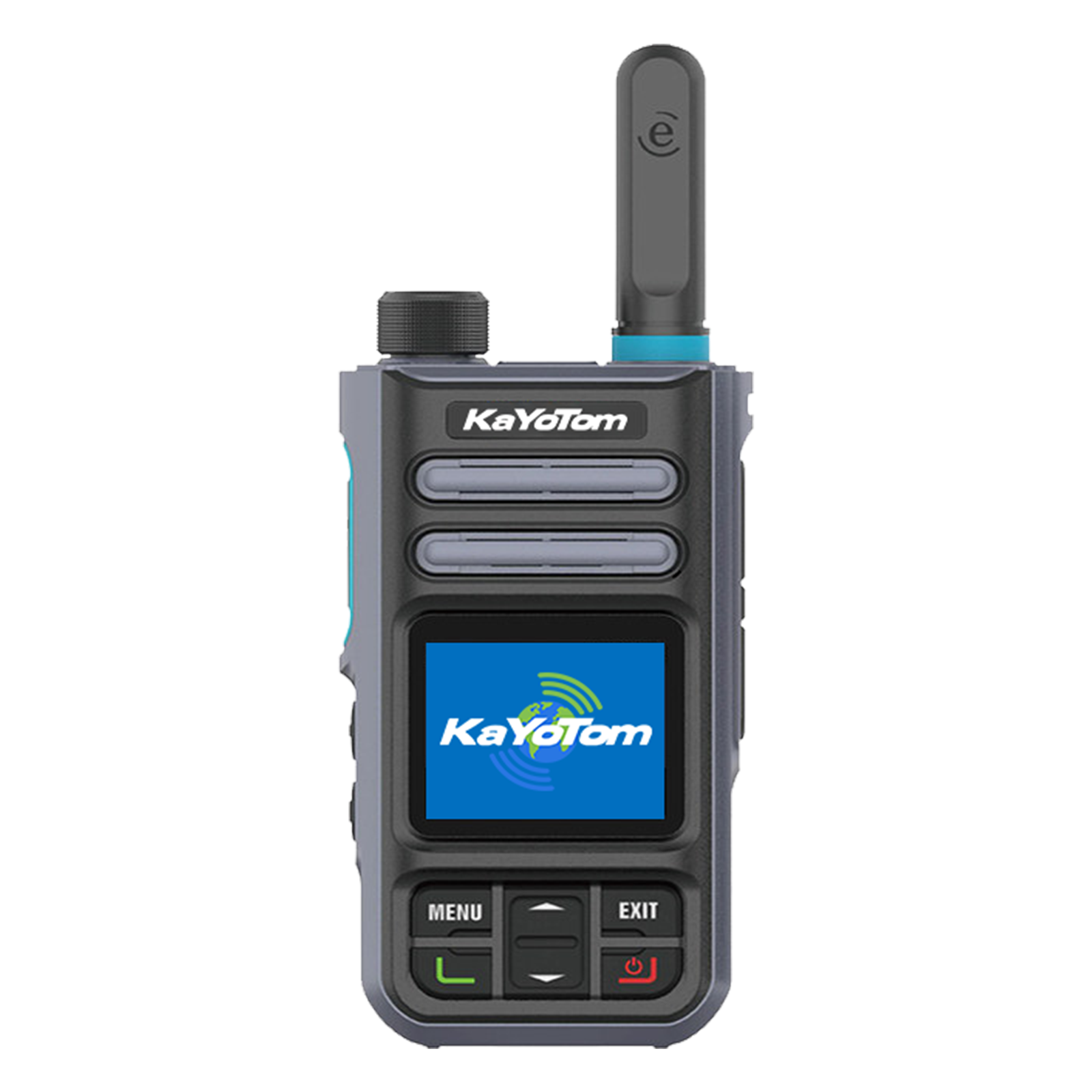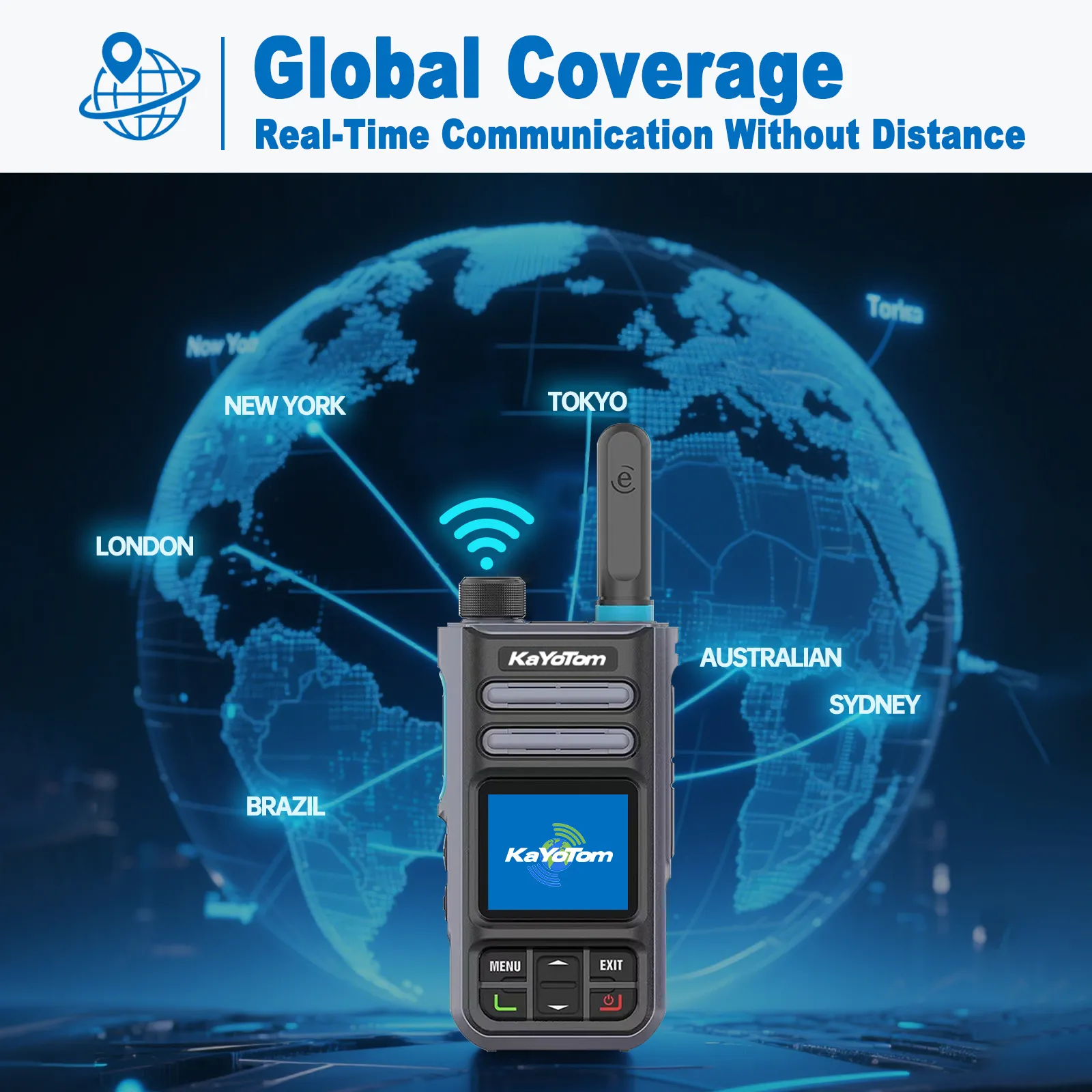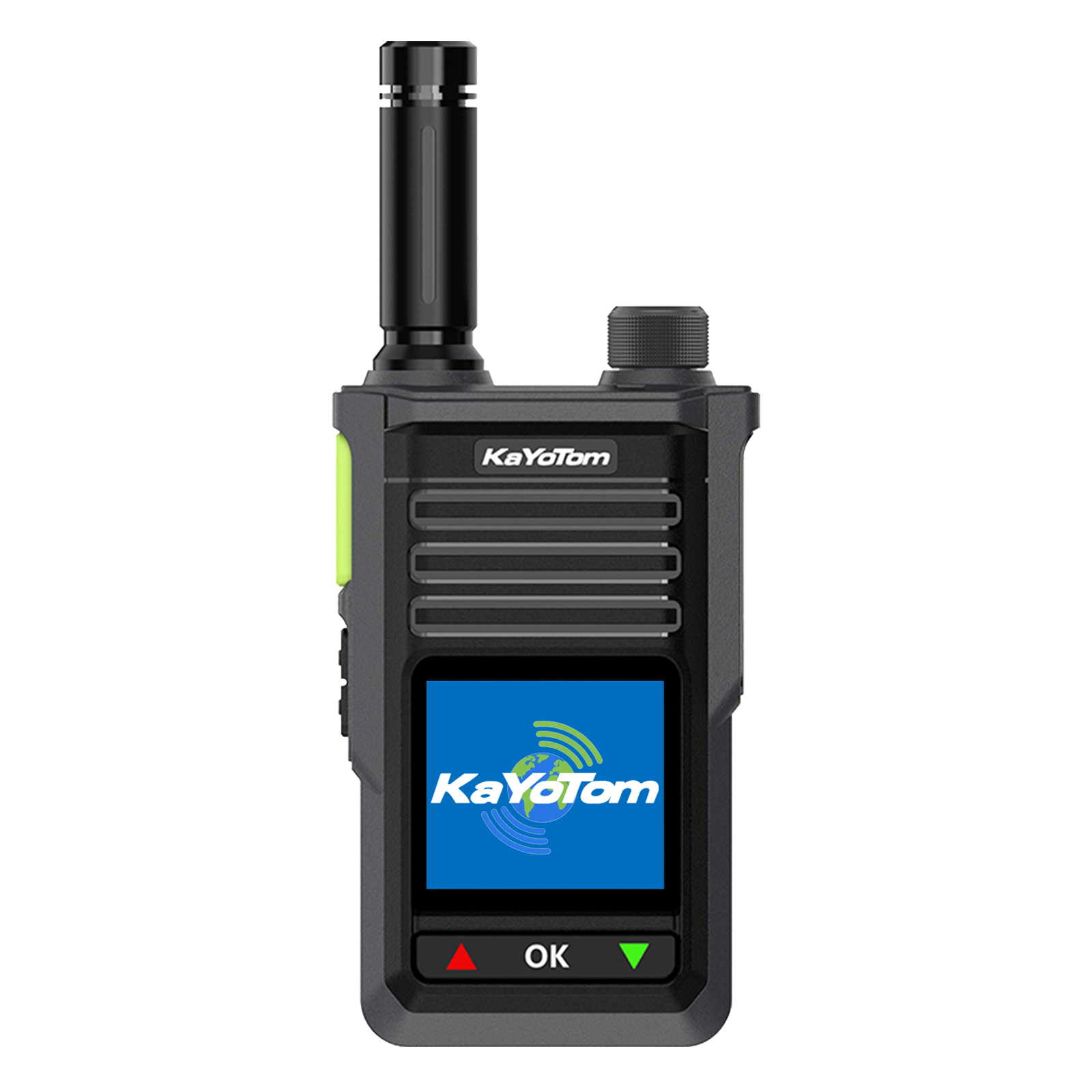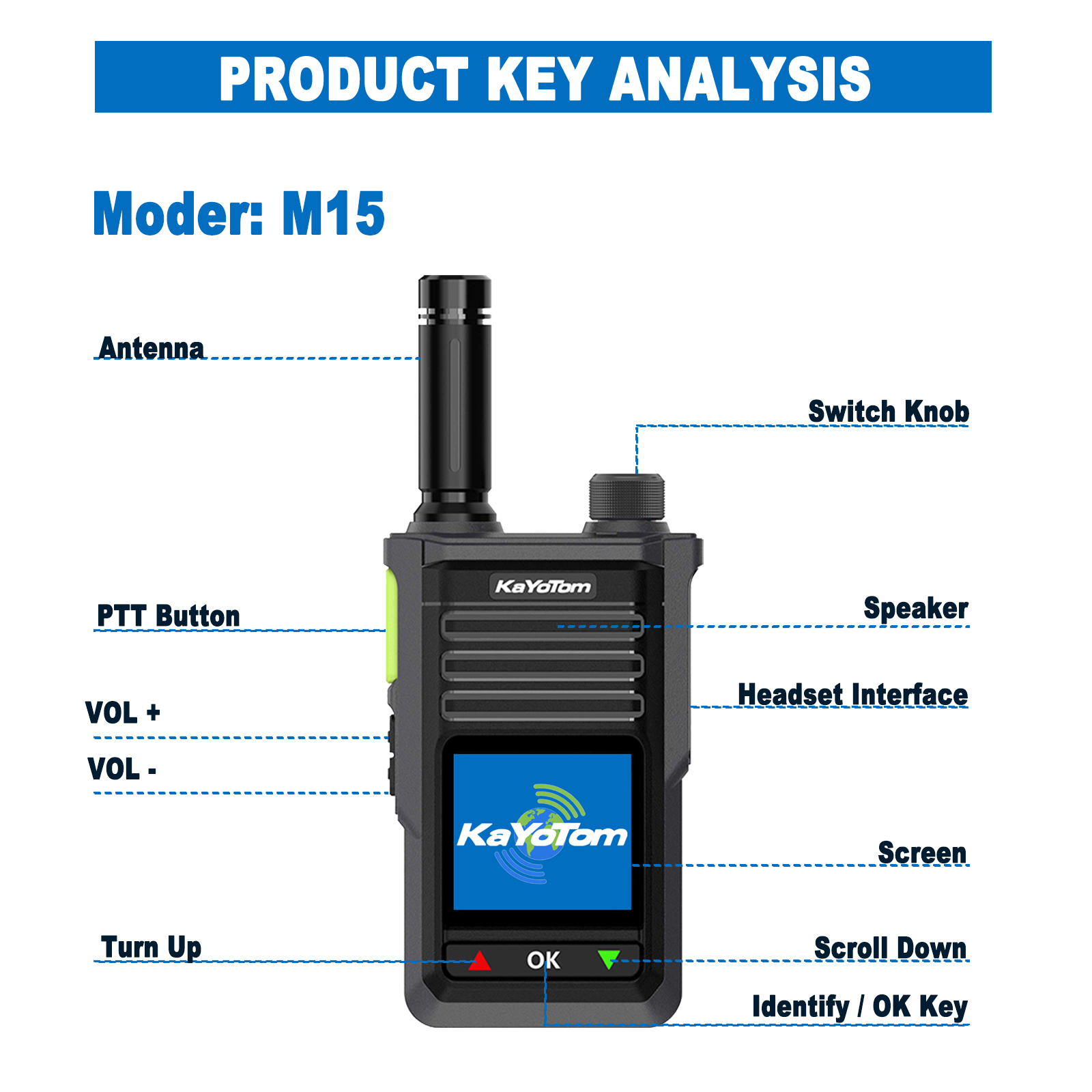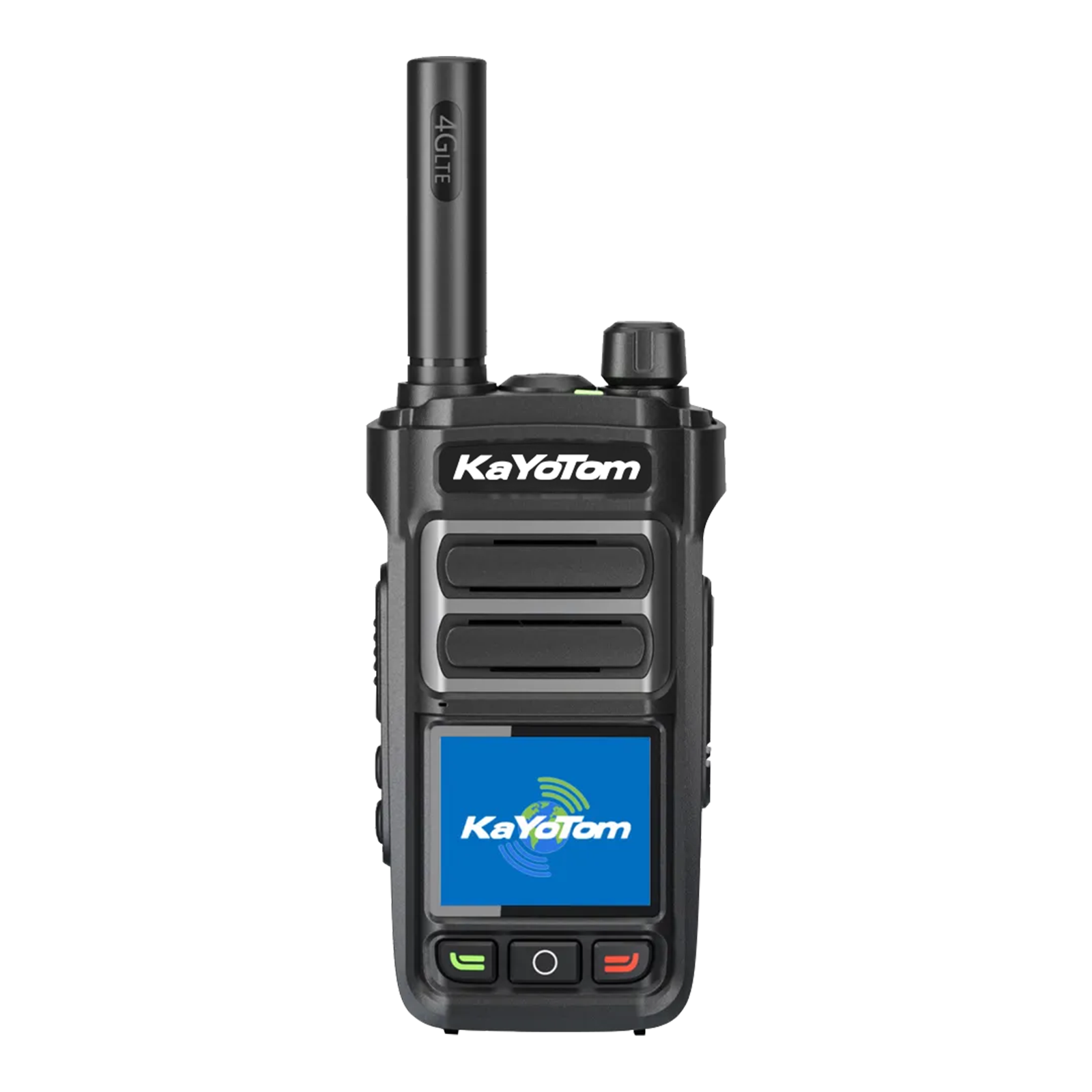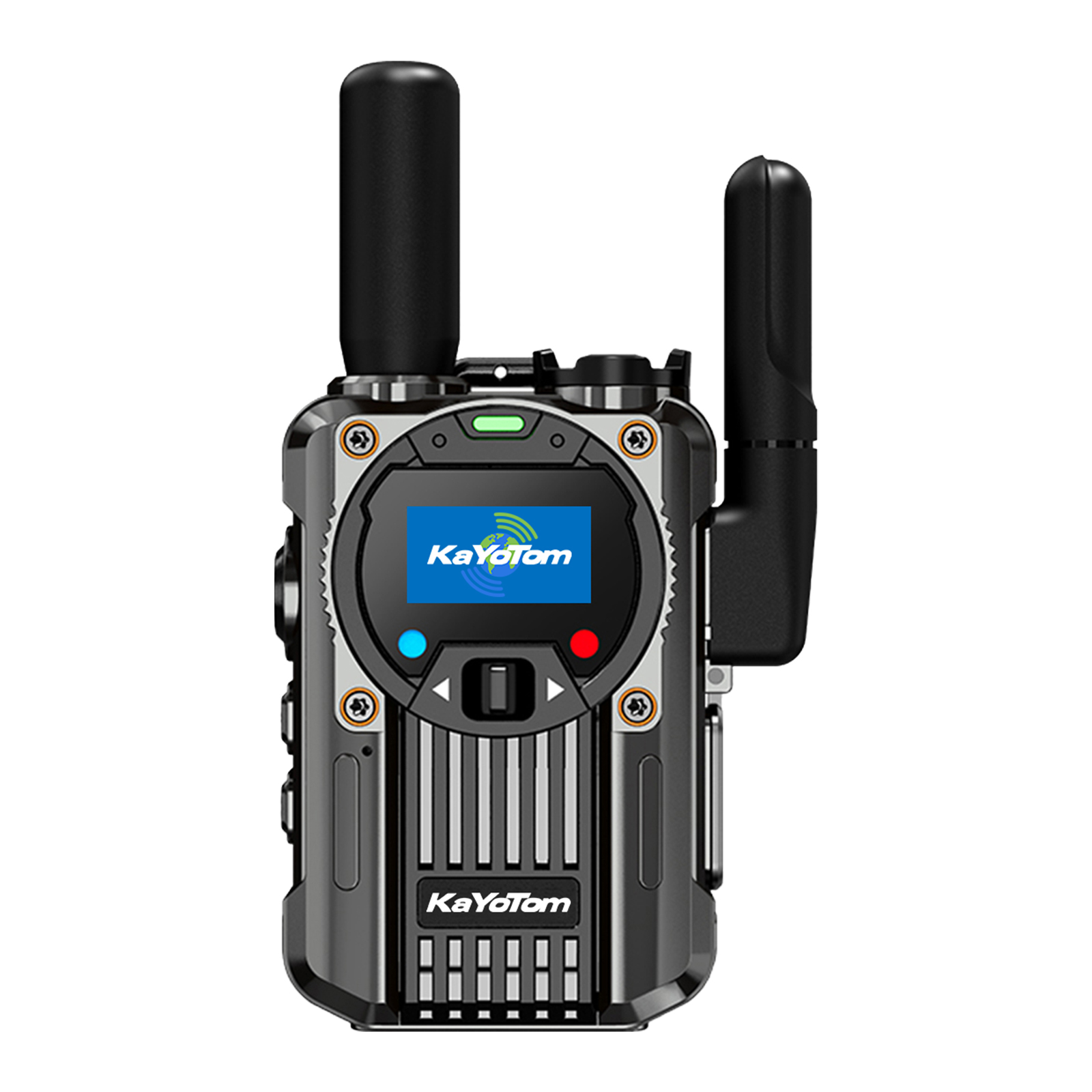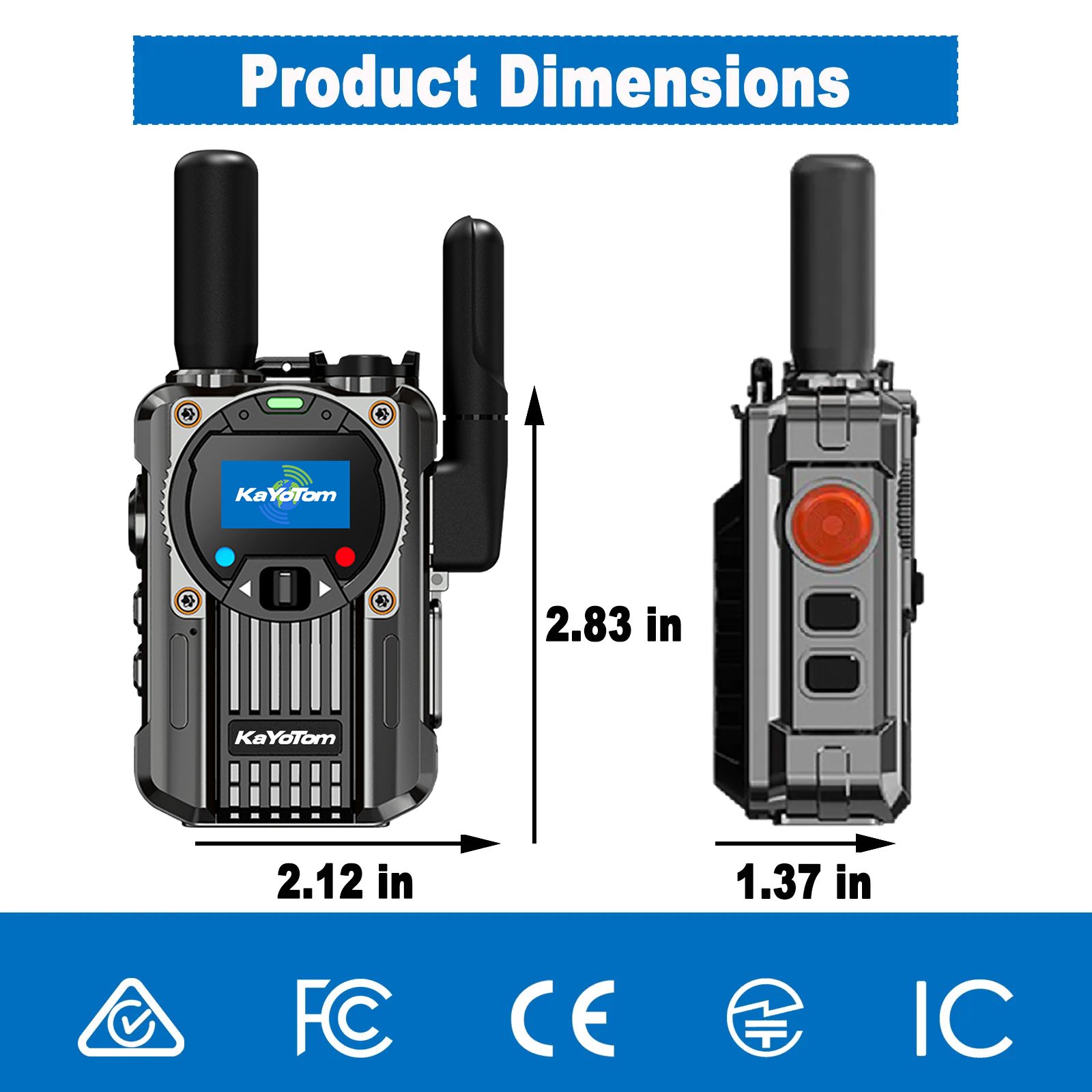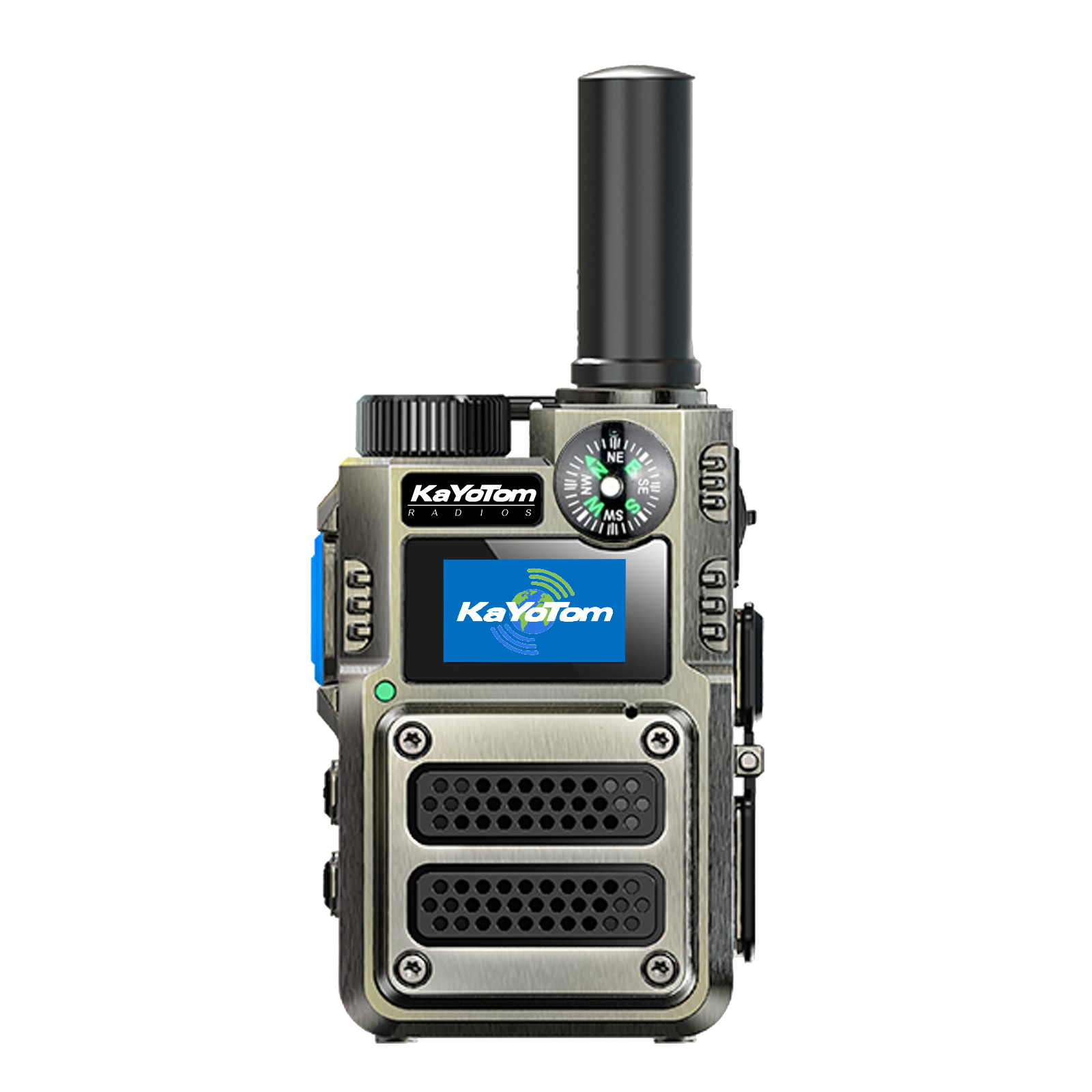


For field‑based teams working across urban centres and hard‑to‑reach locations, voice communication alone is no longer sufficient. Today’s professional crews demand long range walkie talkie performance paired with location awareness, and this is where a GPS walkie talkie powered by 4G LTE POC radio technology shines.
Traditional long‑range two‑way radio only delivers voice. Managers cannot see where field staff are located. Meanwhile, basic cell‑phones have poor push‑to‑talk group functionality and fragile hardware unsuitable for construction sites or wilderness missions.
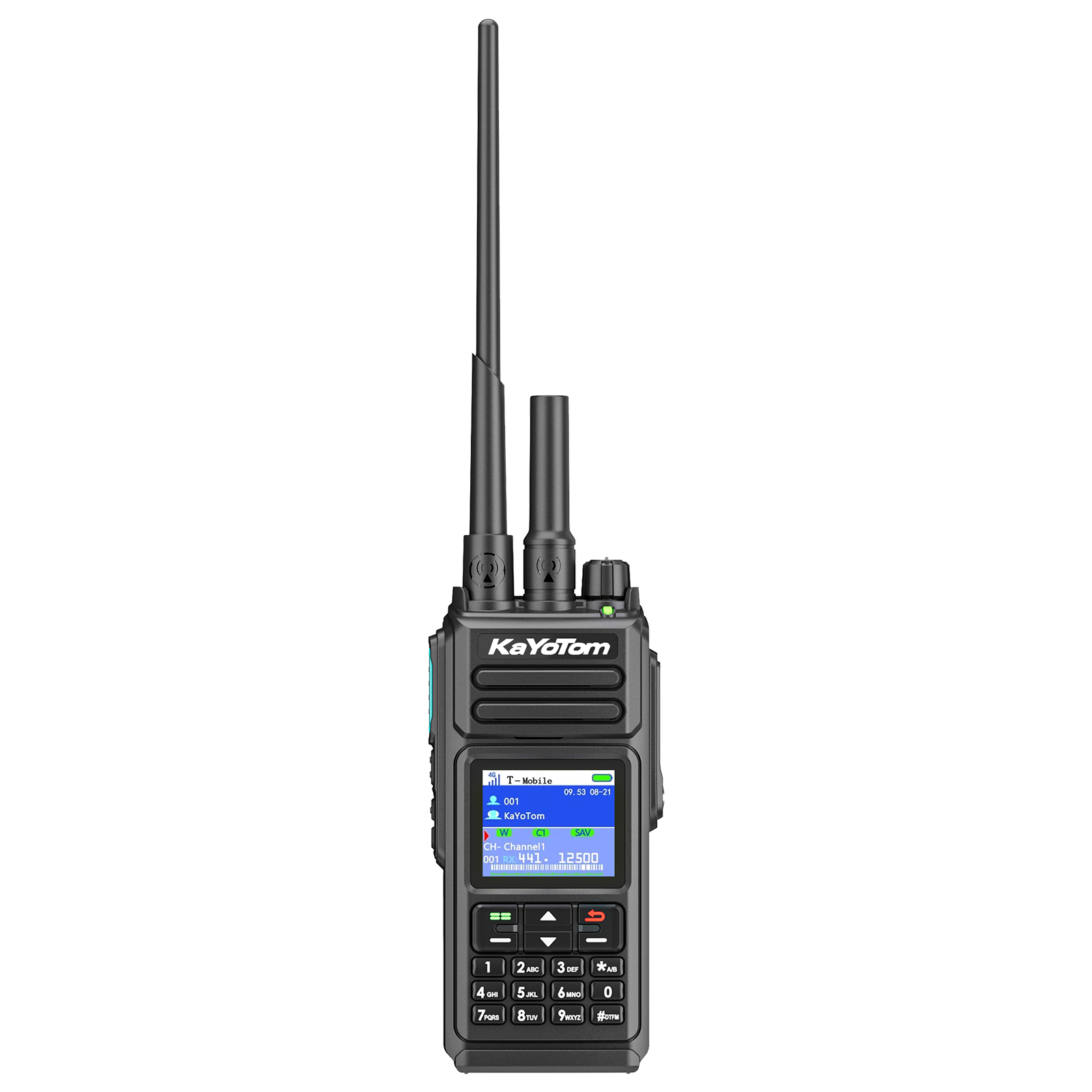
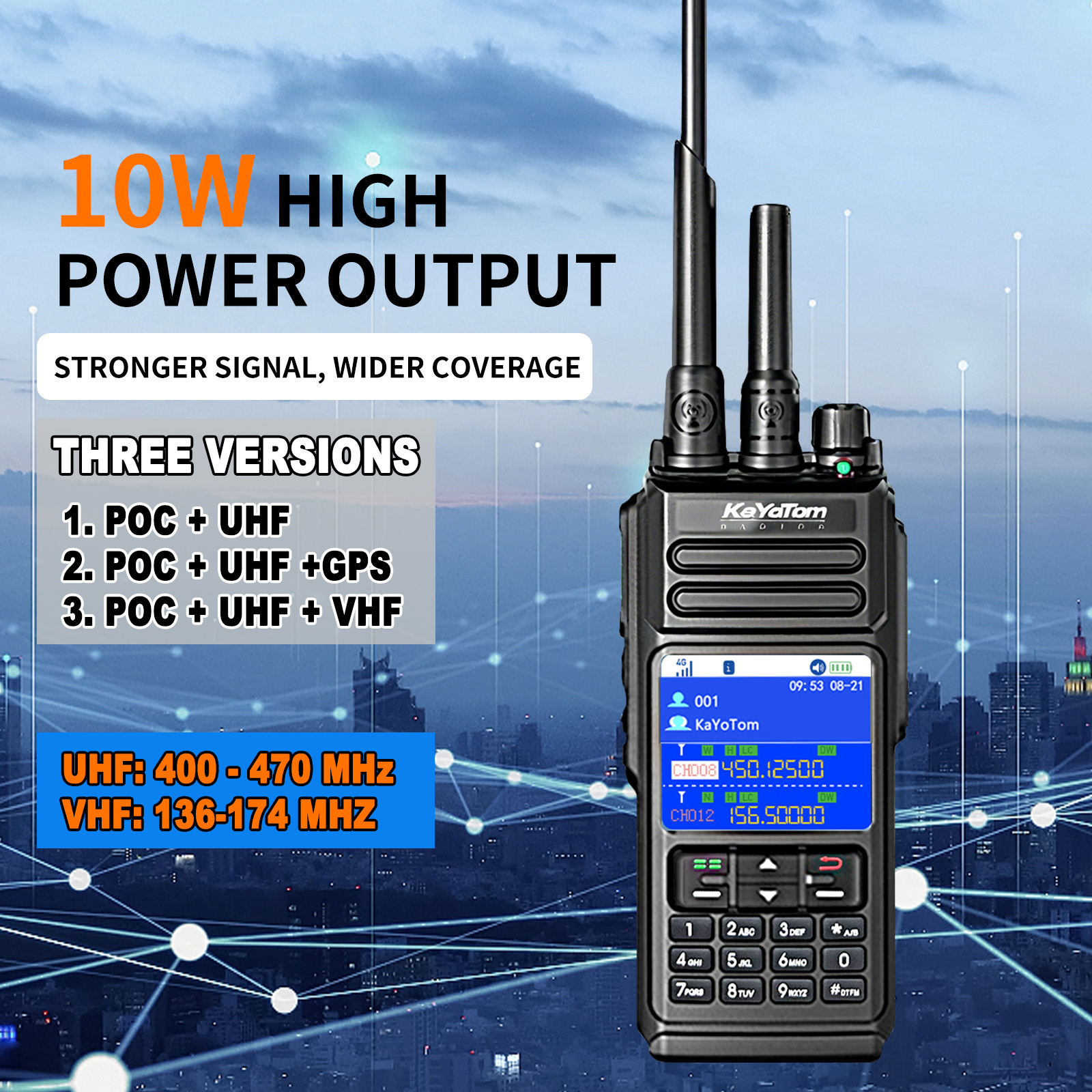
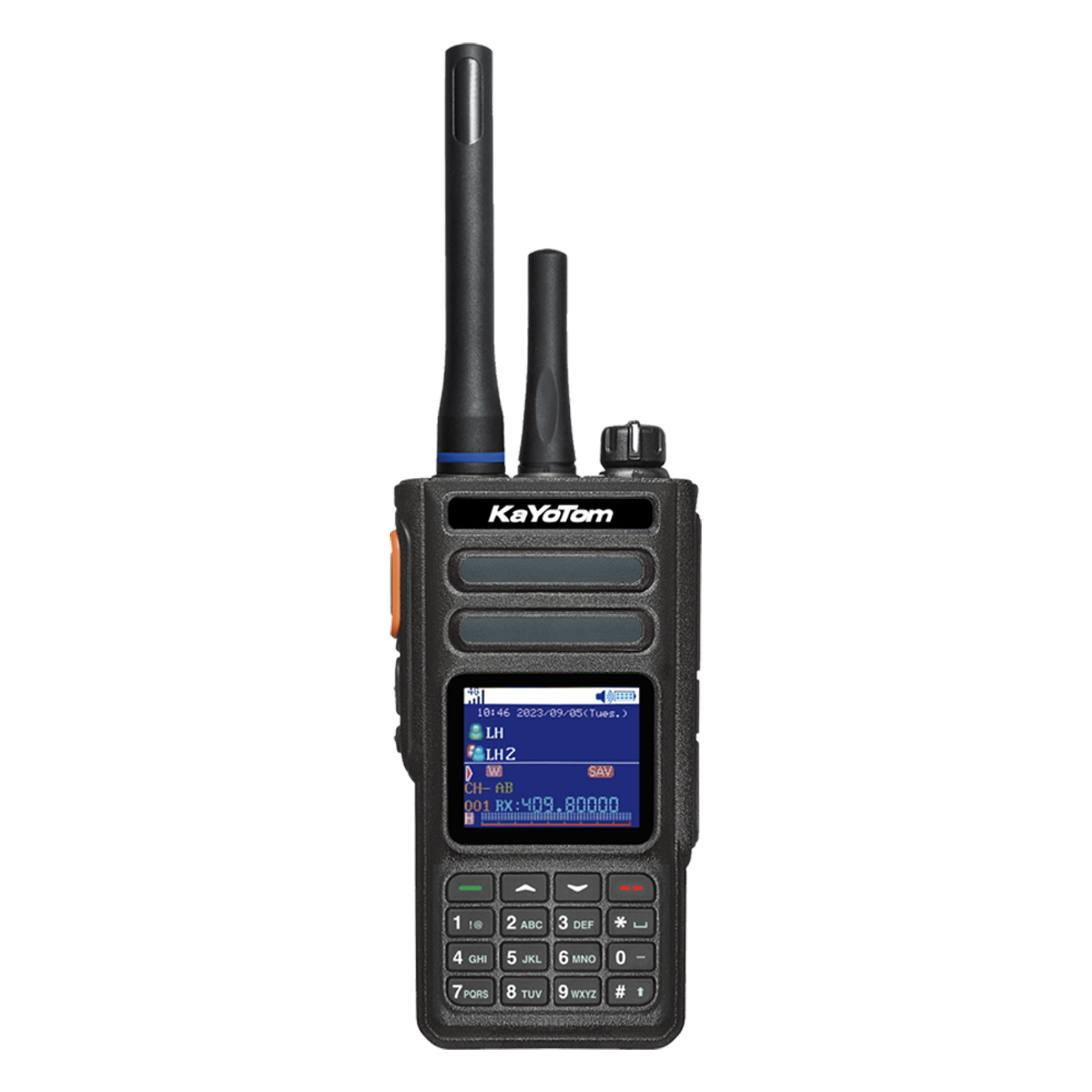
Hybrid cellular walkie talkie units such as KaYoTom D‑Series solve this gap: combining global walkie talkie unlimited PoC coverage, offline analog radio backup and integrated GPS location tracking inside one rugged handheld device.
Key Benefits of GPS‑Enabled Hybrid POC Radio
Real‑time location visibility
Dispatch teams can view live GPS positions for every radio unit. Critical for lone‑worker safety, logistics route tracking and emergency rescue operations. Some models support geofence alerts for entry/exit of predefined zones.
Two‑layer communication safety net
When cellular service is available: use 4G LTE PoC for nationwide or cross‑border group calls.
When cell towers drop out: fall back to local UHF long‑range walkie‑talkie mode, no network required.
Ruggedized field‑ready build quality
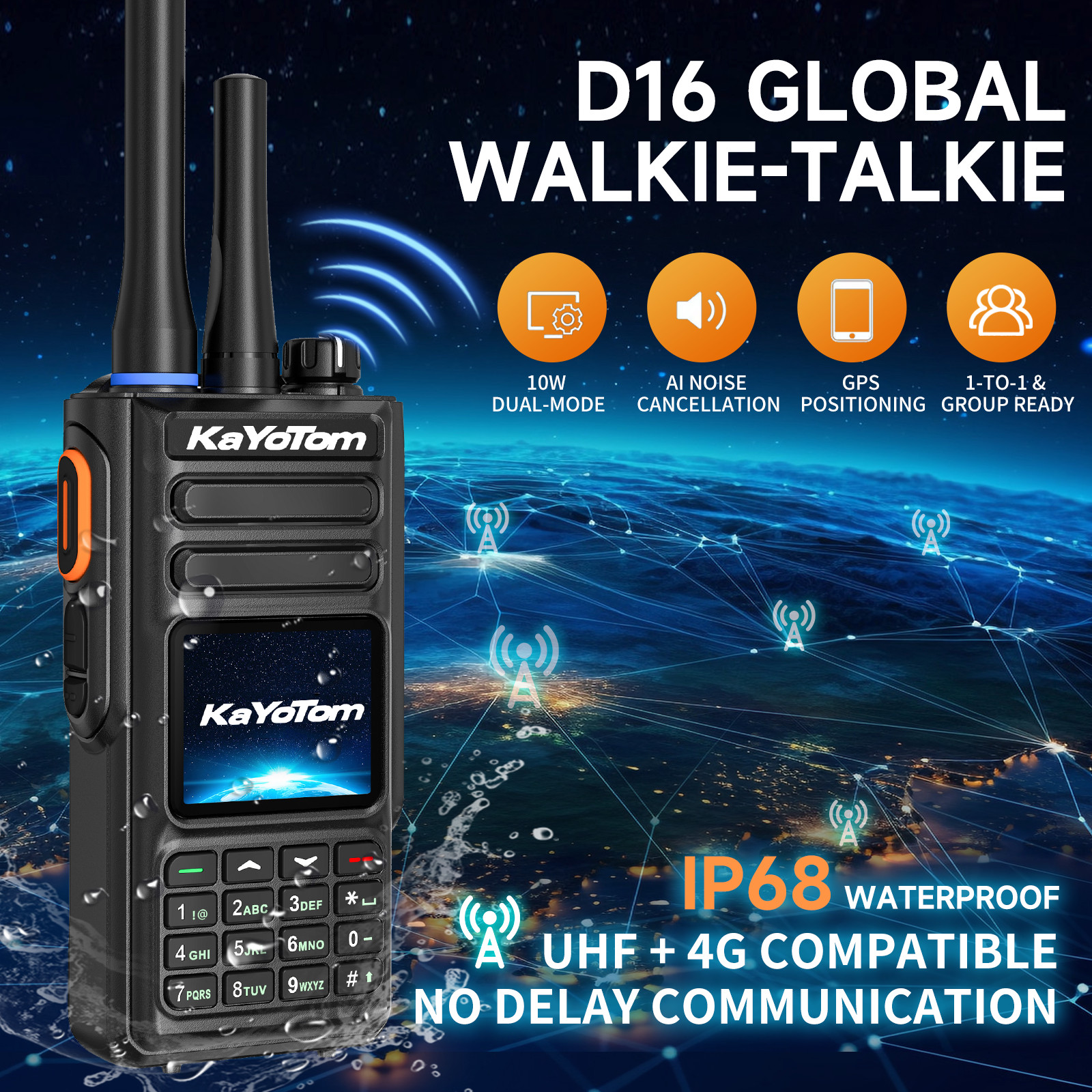
Professional GPS walkie talkie models like KaYoTom D16 carry IP68 waterproof and dust‑proof ratings, reinforced housing against drops, vibration and extreme weather, built for construction, mining, outdoor expeditions and emergency response teams.
Secure multi‑group encrypted voice communication
AES‑level voice encryption keeps team conversations private. You can set multiple independent talk‑groups for different departments: security, logistics, on‑site construction crews, all operating on the same fleet of radios.
Real‑World Use‑Case Scenarios
Highway & remote‑area logistics: Trucks travel hundreds of kilometres (nationwide walkie talkie PoC mode); depot monitors GPS positions of every vehicle.
Mountain search‑and‑rescue: GPS tracks team member locations; analog radio maintains comms where there is zero cell service.
Large construction projects spread across multiple sites: Office managers talk to site supervisors over PoC; site‑workers coordinate locally via analog radio.