

1. Traditional Radios vs. 4G LTE PoC Radios in School Environments
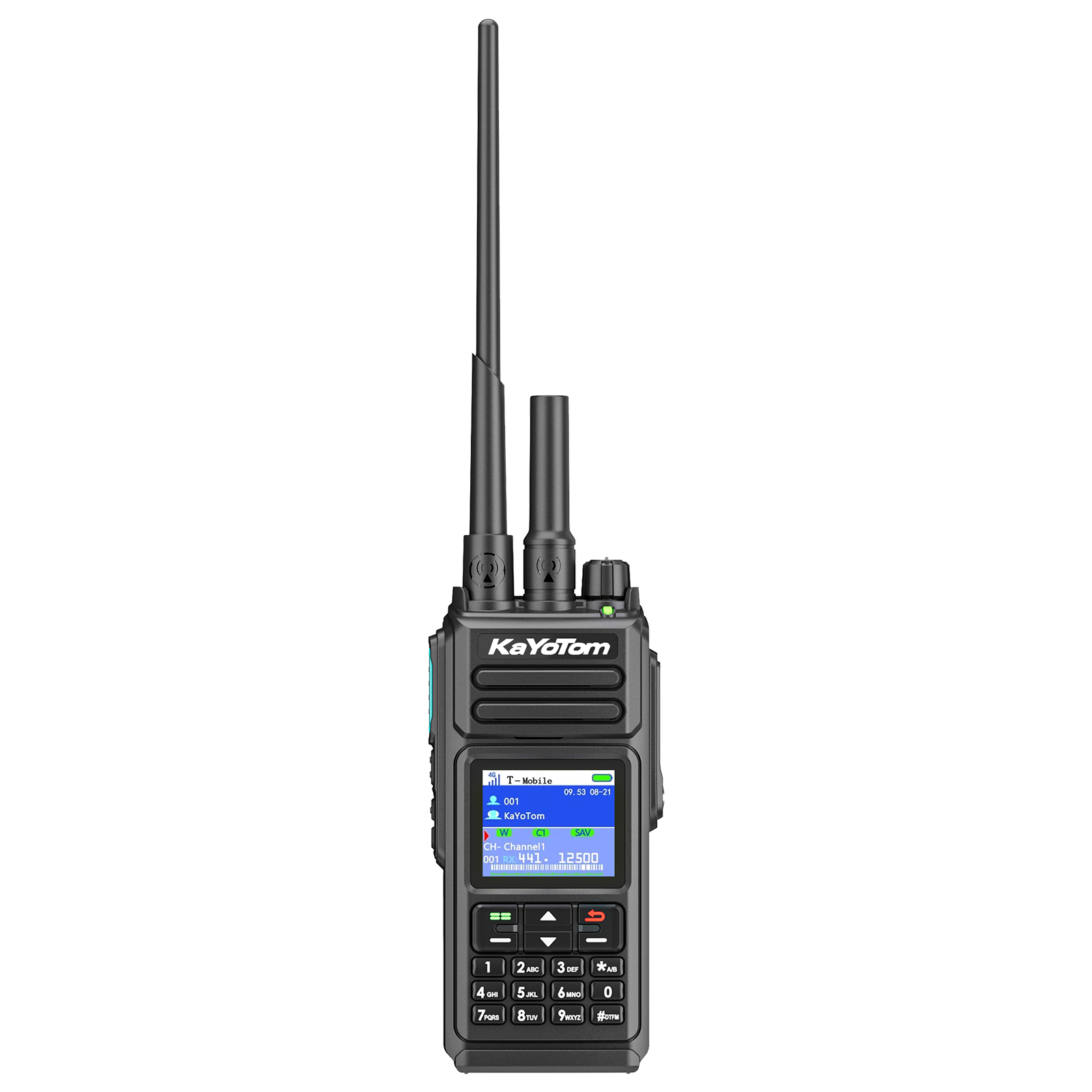
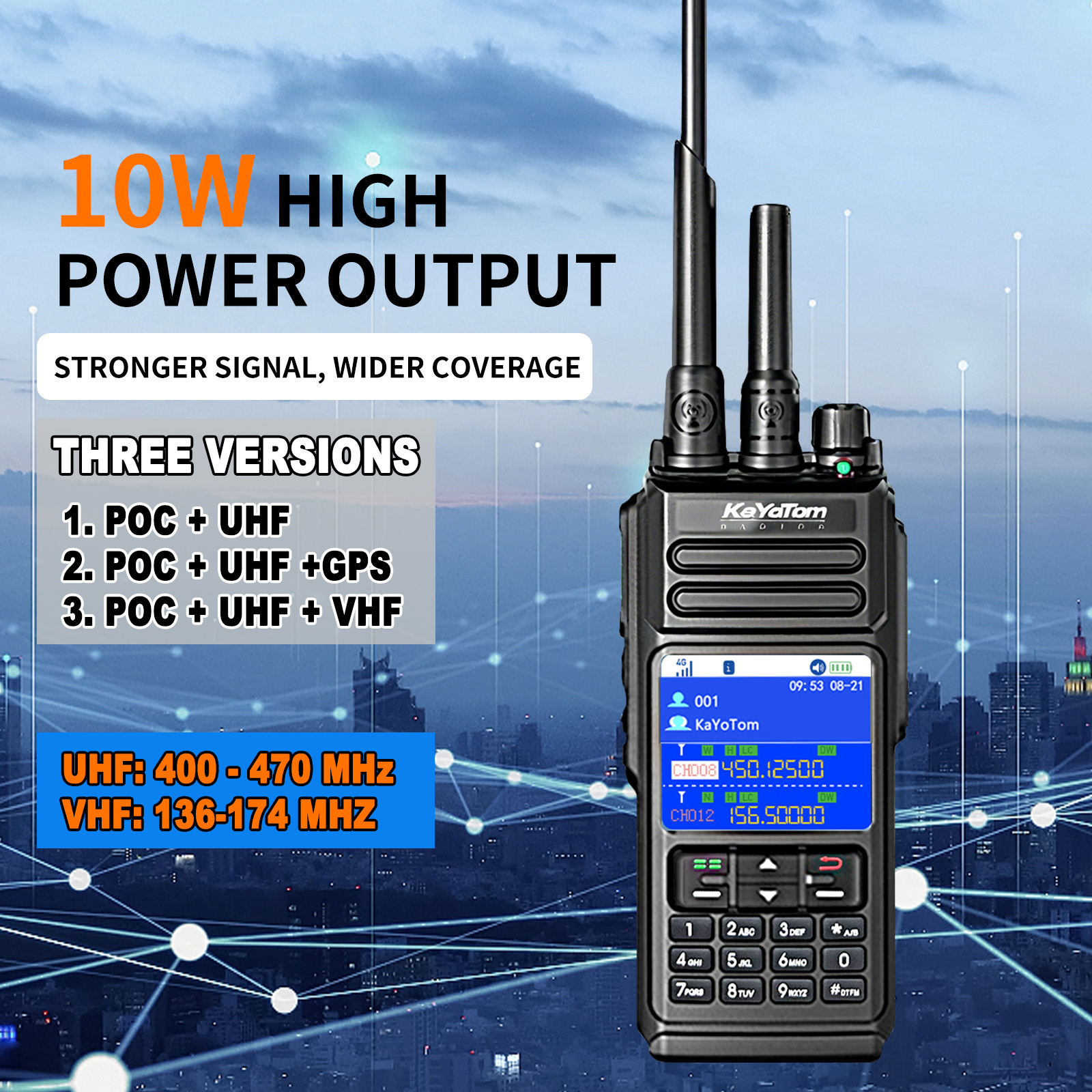
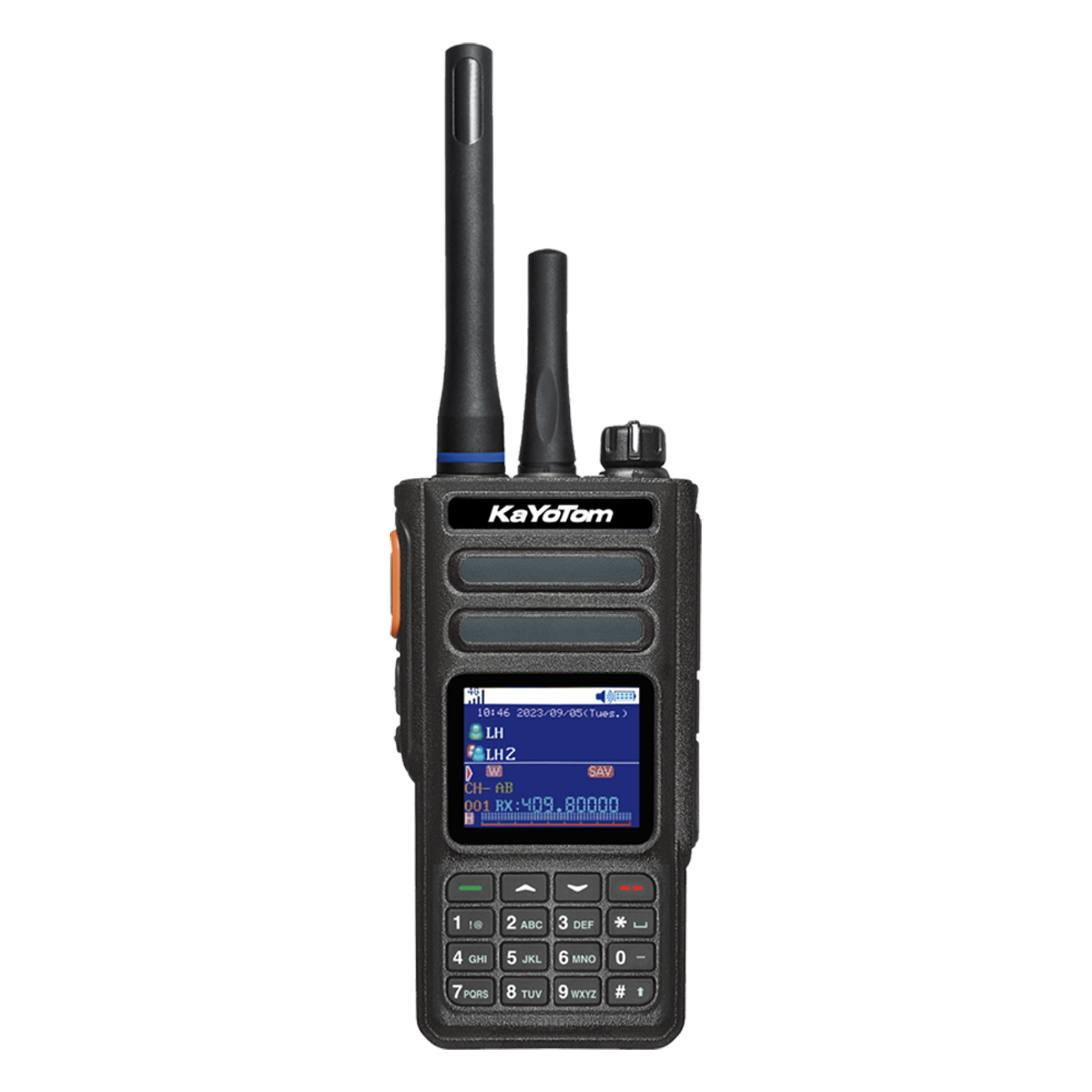
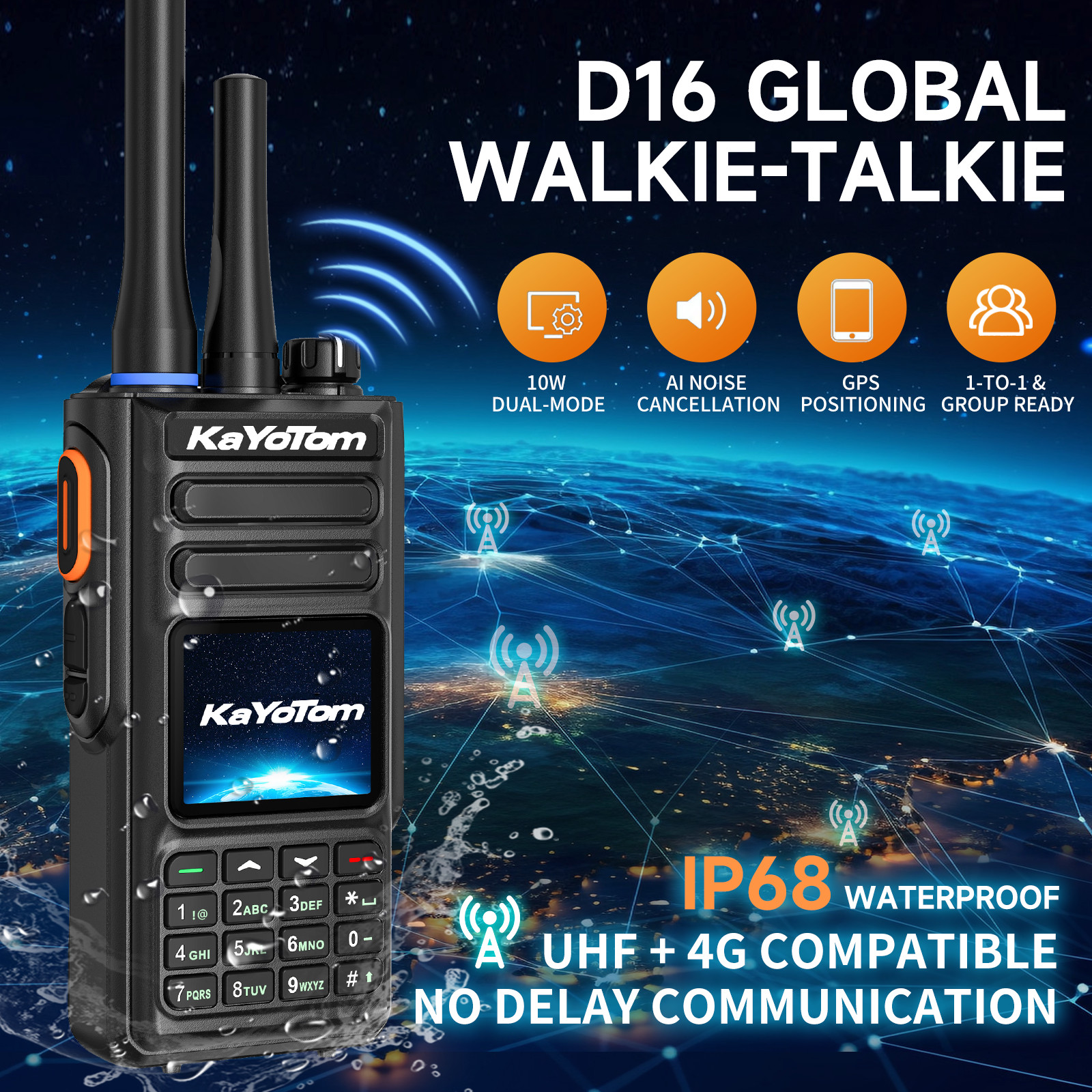
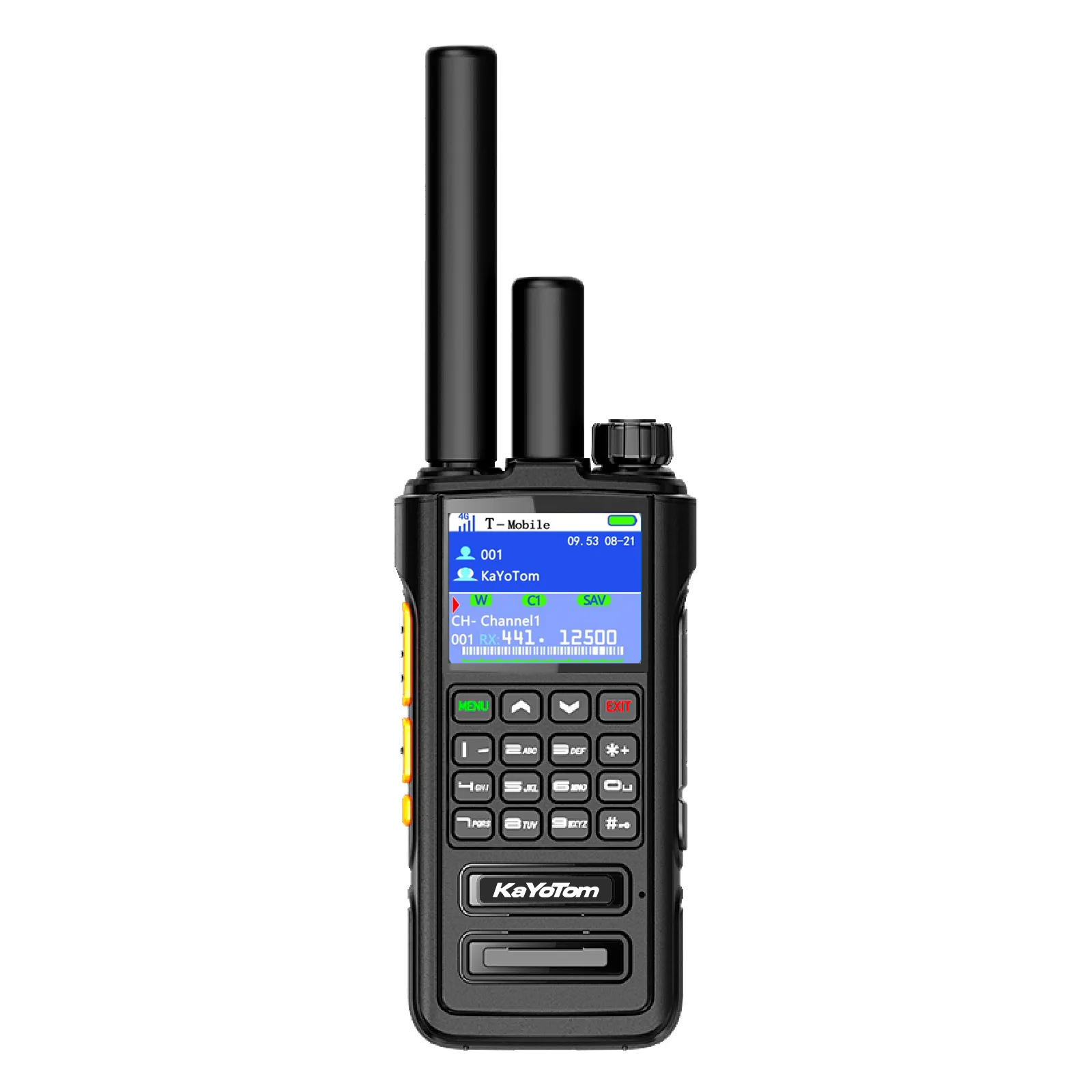
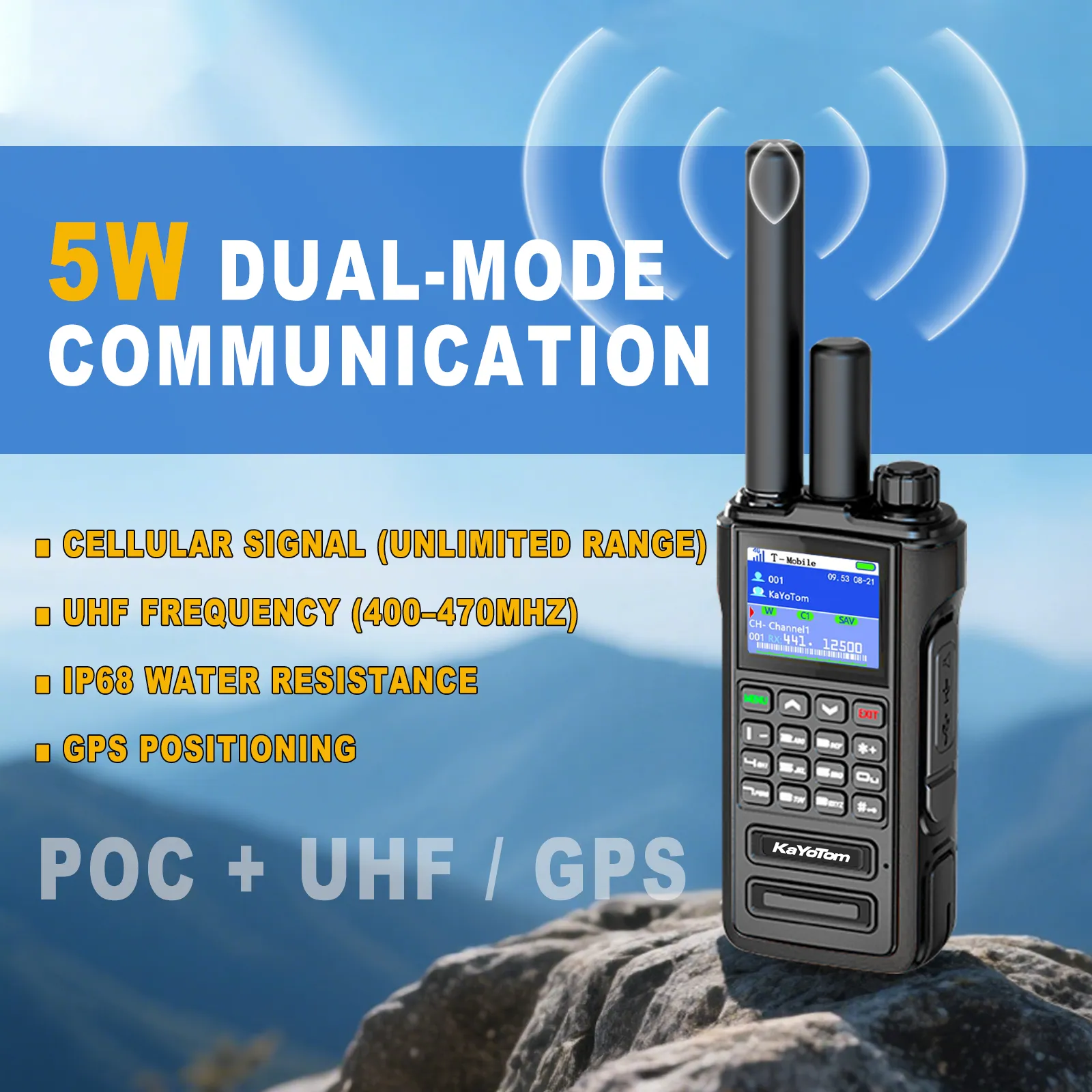
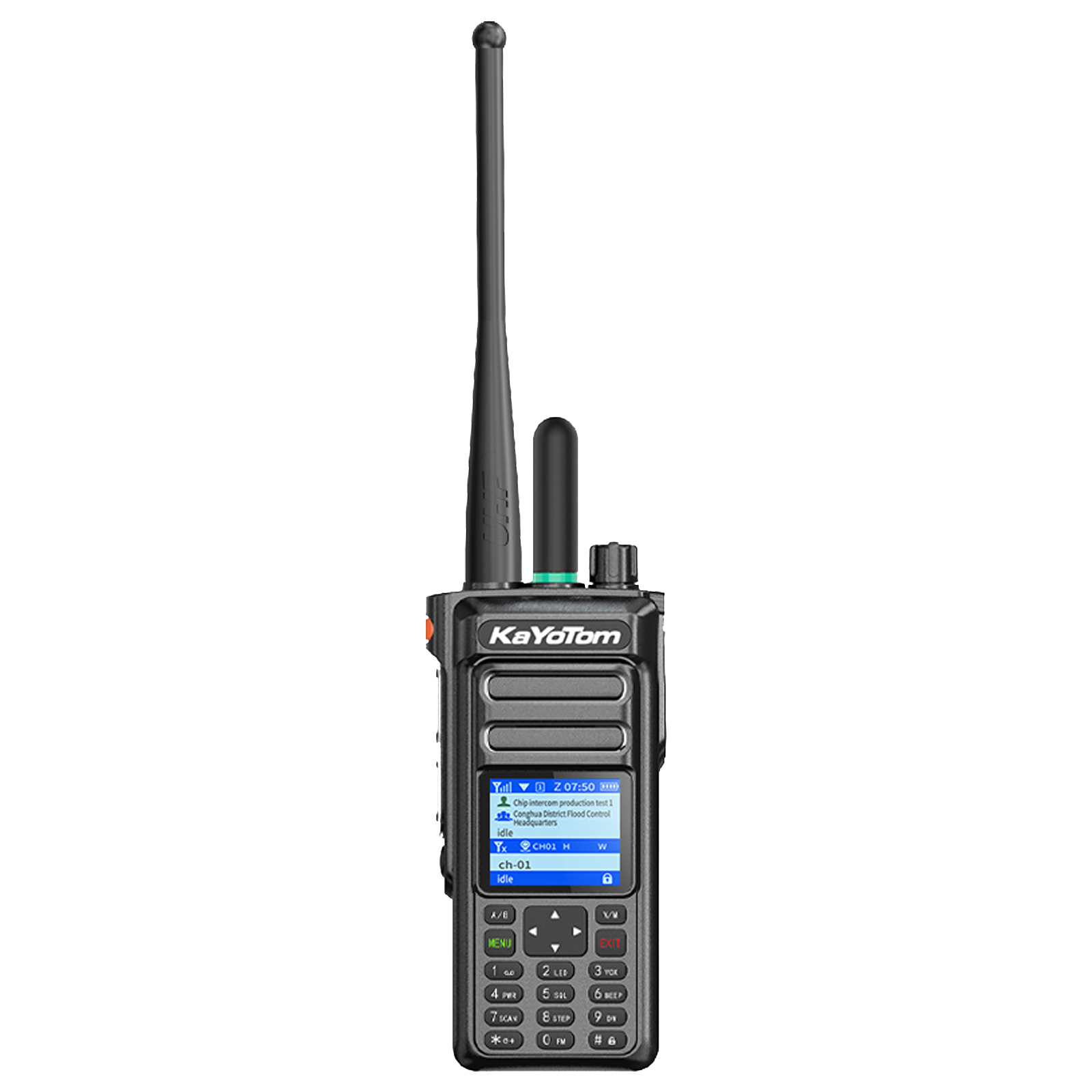
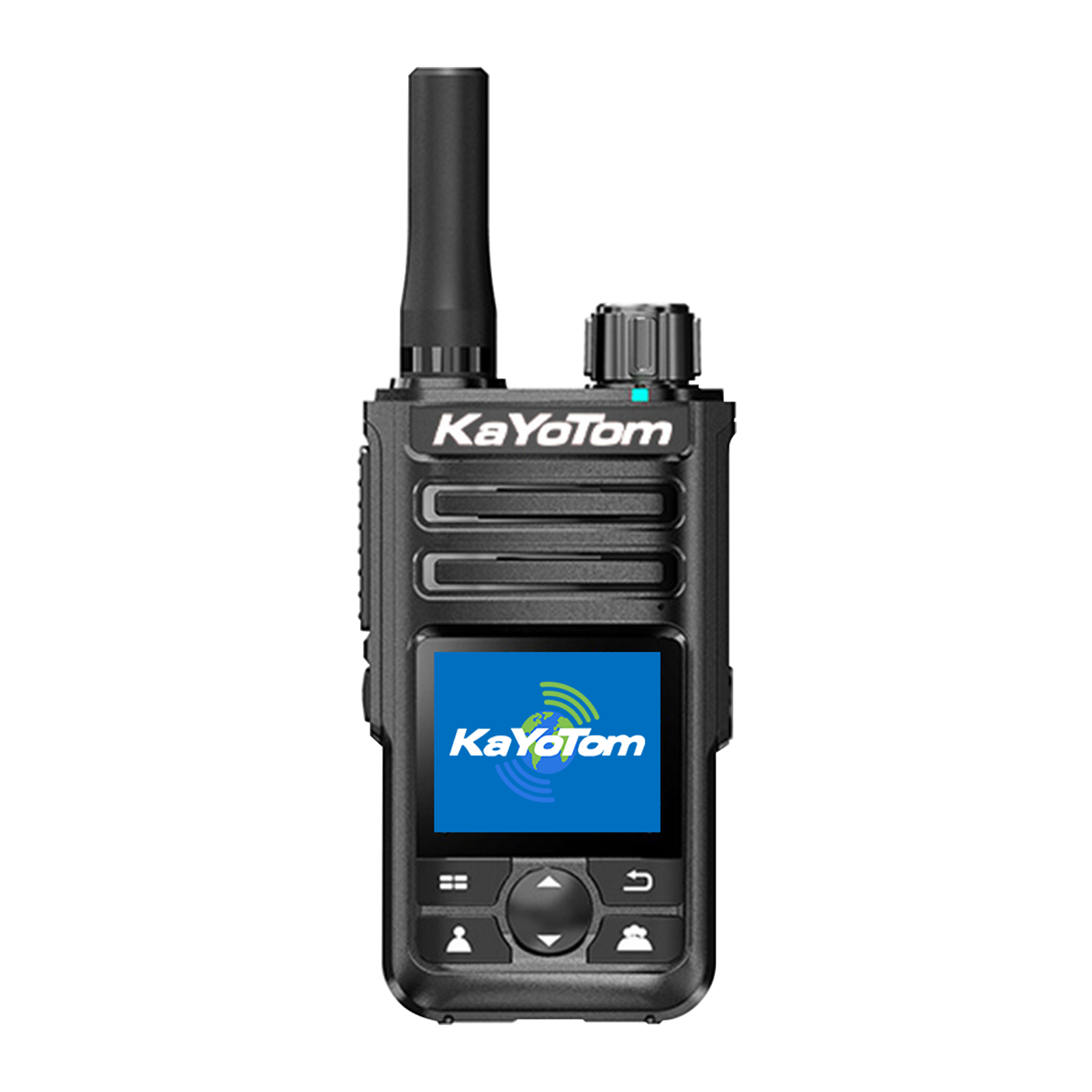
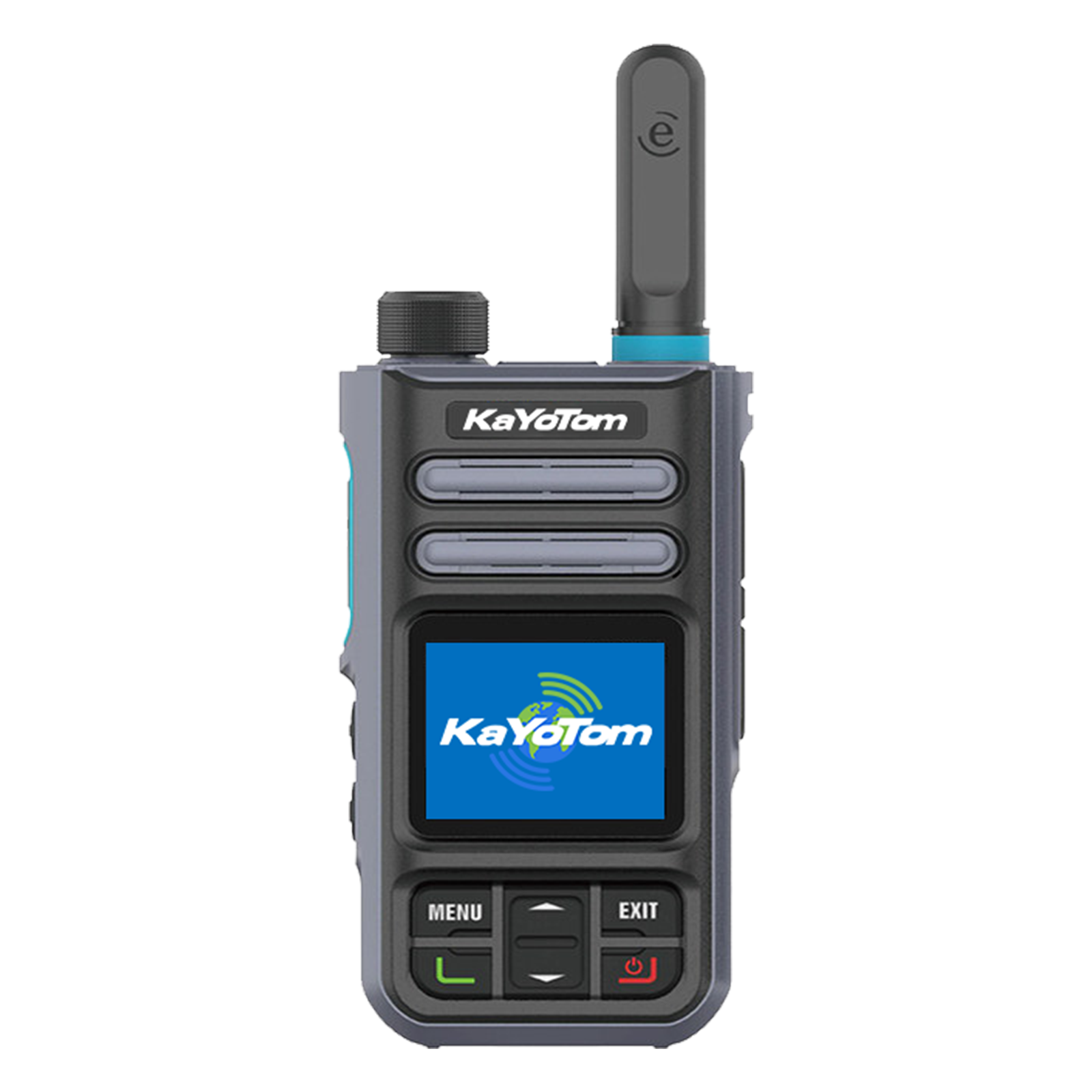
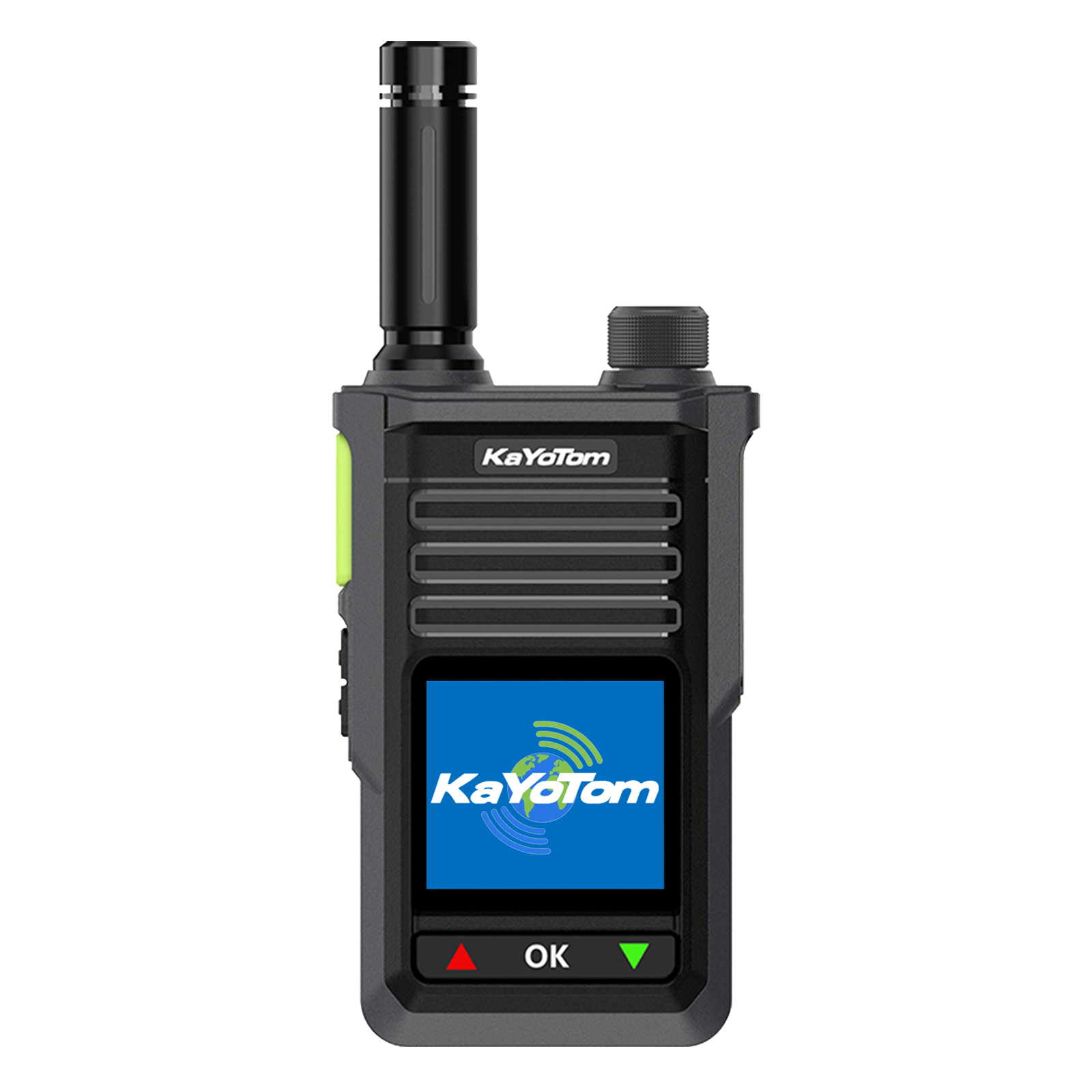
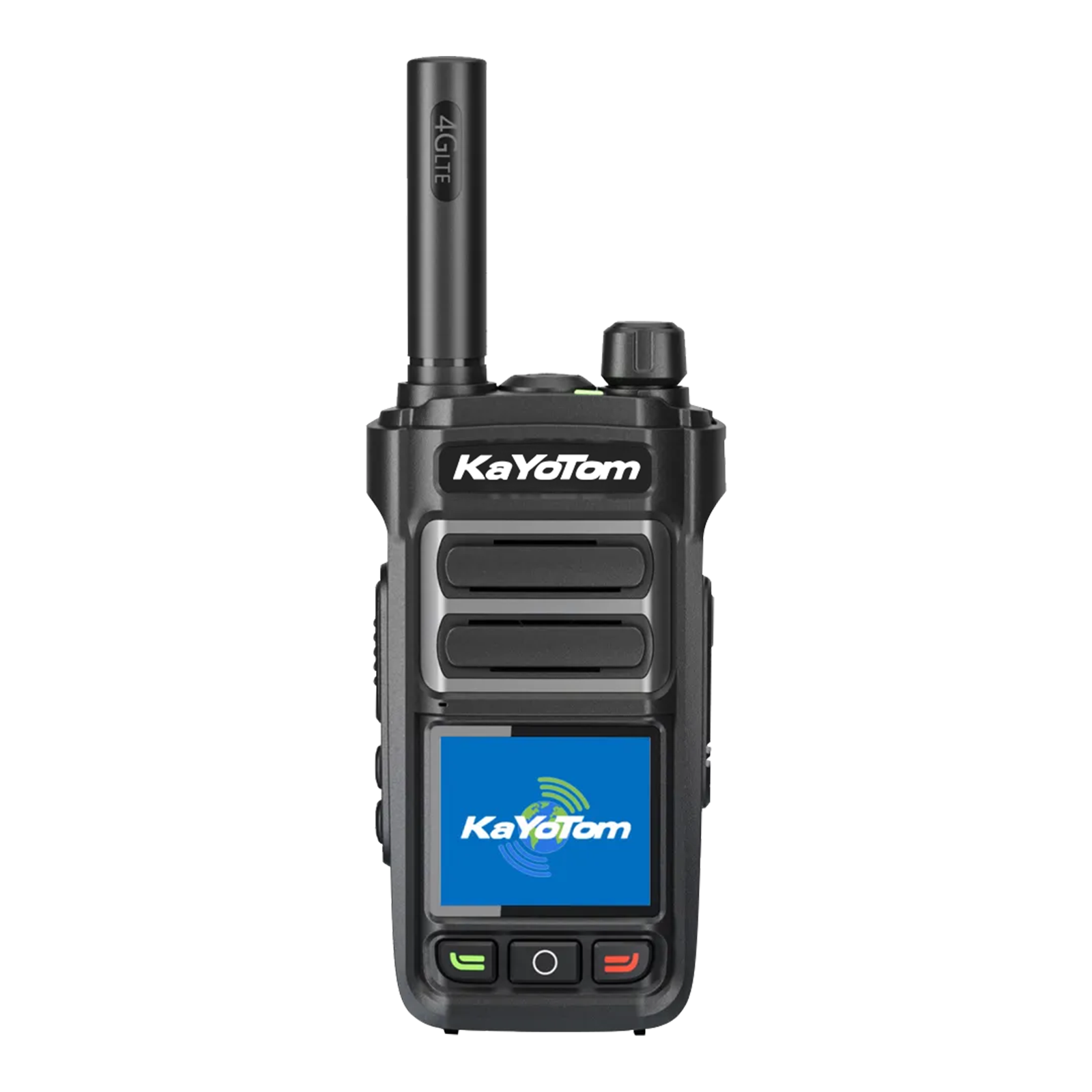
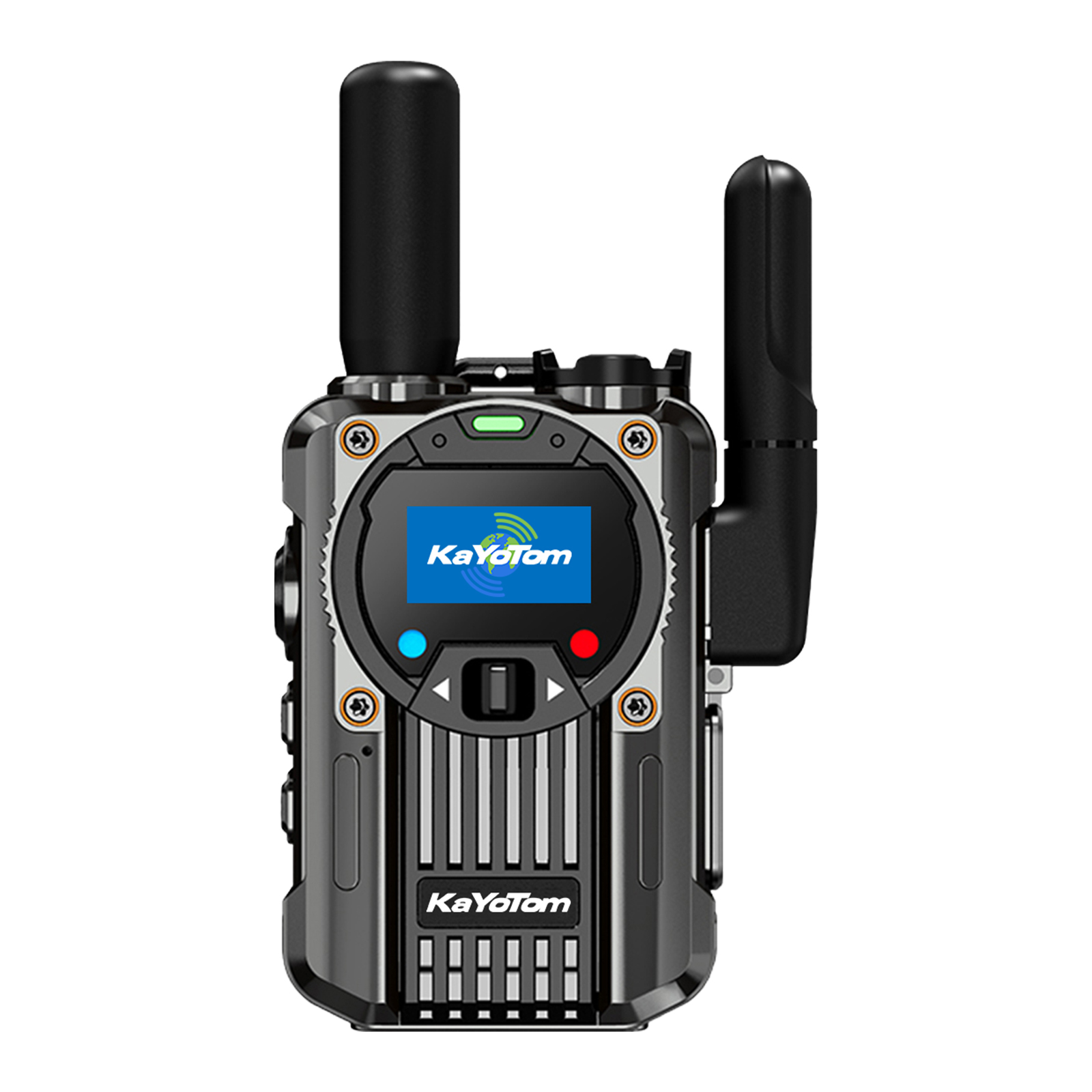
Maintaining seamless connectivity across expansive educational facilities is vital for daily operations and logistics. The table below compares traditional two-way radios with 4G LTE PoC radios like the KaYoTom D10:
| Feature / Metric | Traditional Analog/Digital Radio | 4G LTE PoC Radio (e.g., KaYoTom D10) |
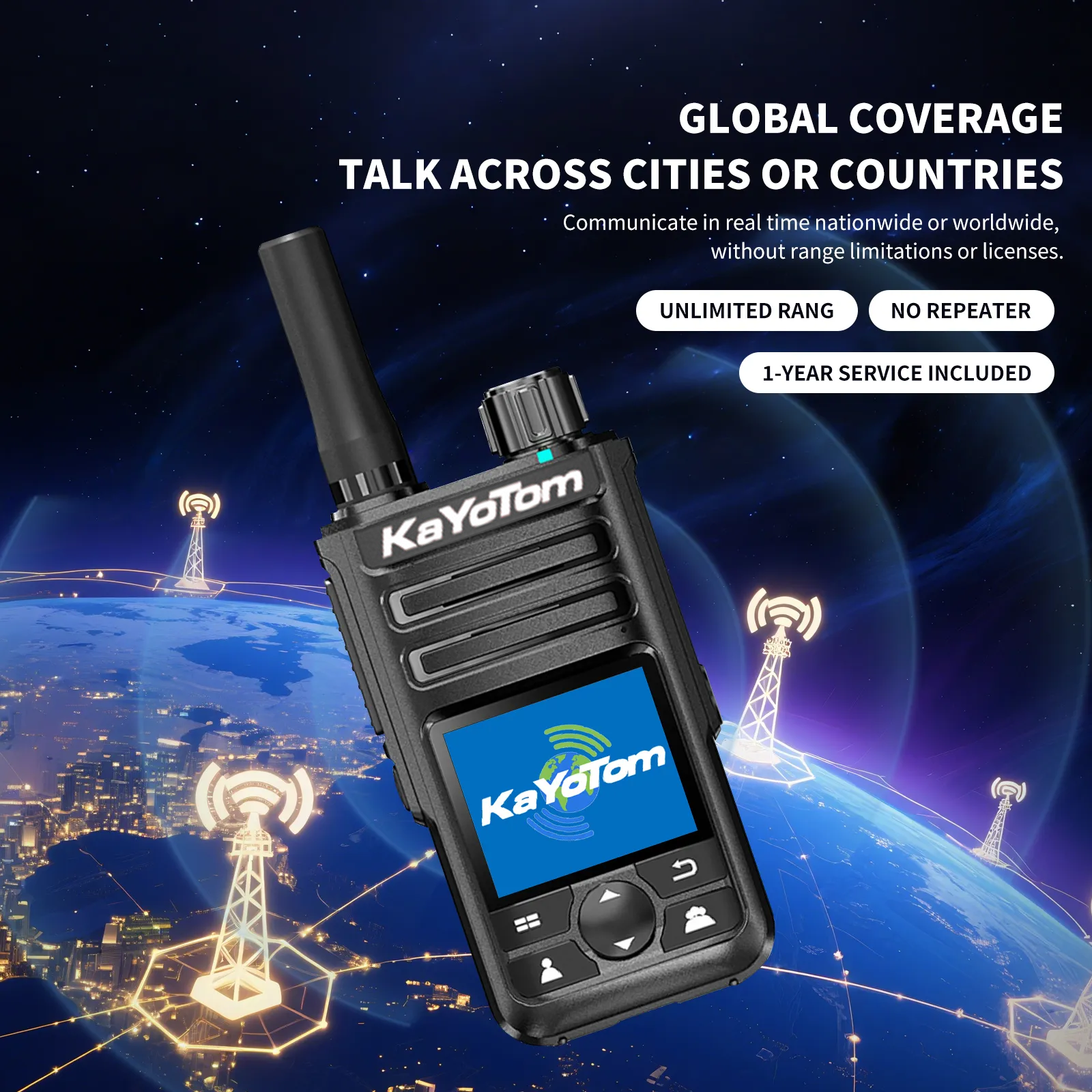
| Coverage Area | Limited to campus grounds (1–2 miles) | Unlimited Distance (Multi-school districts & bus routes) |
| Building Penetration | Frequent dead zones in basements & concrete walls | High Penetration (Seamless 4G LTE & Wi-Fi coverage) |
| Instant Calling | Channel interference & restricted distance | Instant One-Touch PTT & Group Override |
| Location Tracking | None or requires expensive add-ons | Integrated Real-Time GPS Tracking |
| Group Coordination | Limited channels & fixed frequency | Multi-Group Dispatching (Security, Admin, Transportation) |
2. Key Campus Management Challenges Solved by KaYoTom D10
Eliminating Signal Dead Zones Across Multi-Story Buildings
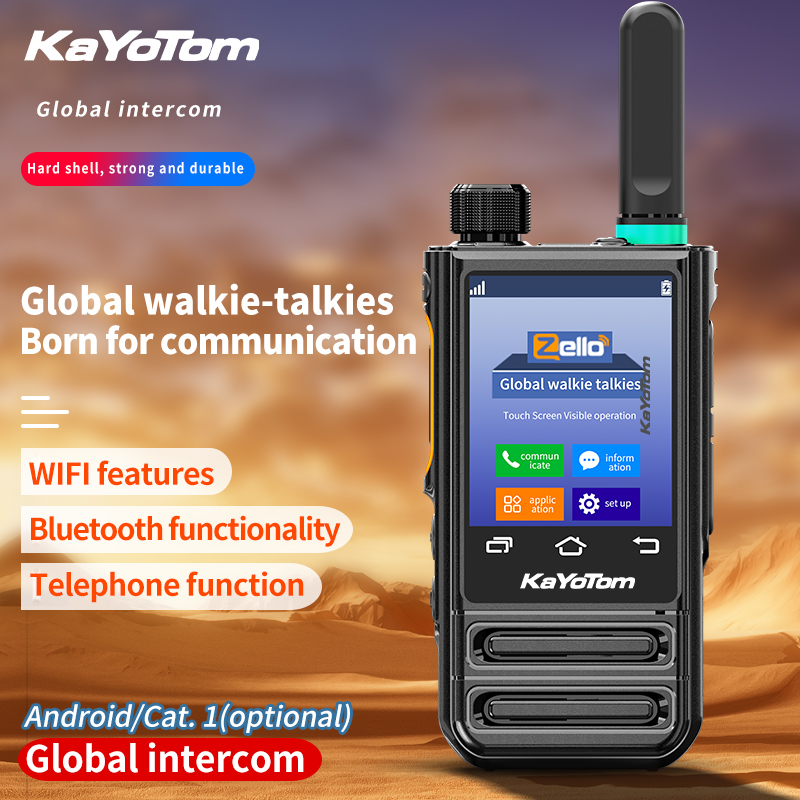
Reinforced concrete, steel structures, and subterranean facilities (like basements or gymnasiums) create signal dead zones for traditional radios. The KaYoTom D10 connects through cellular networks and Wi-Fi, guaranteeing clear voice communication everywhere on school grounds.
Instant One-Touch Group Broadcasting
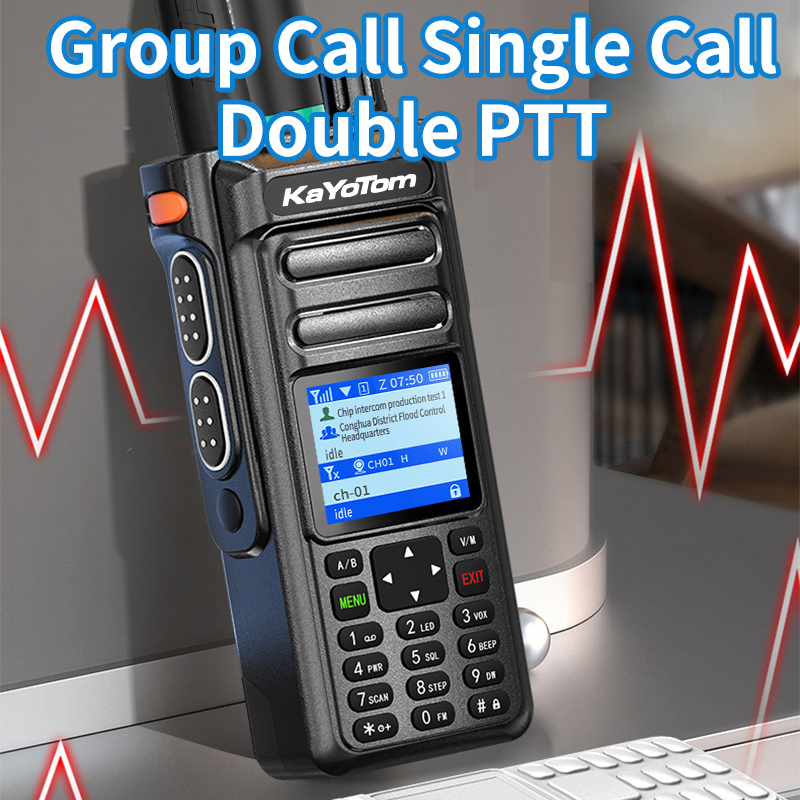
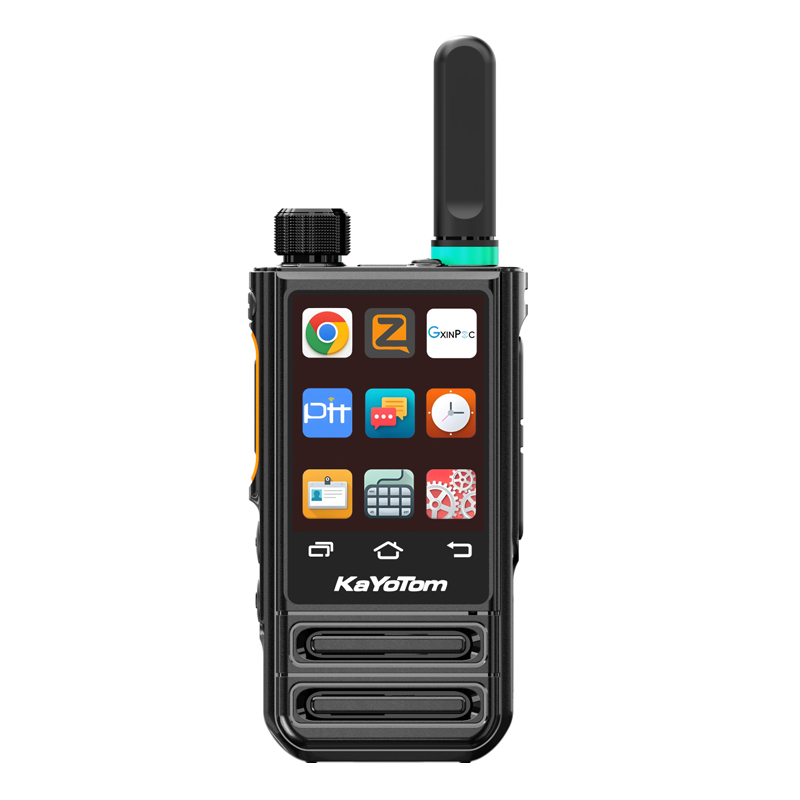
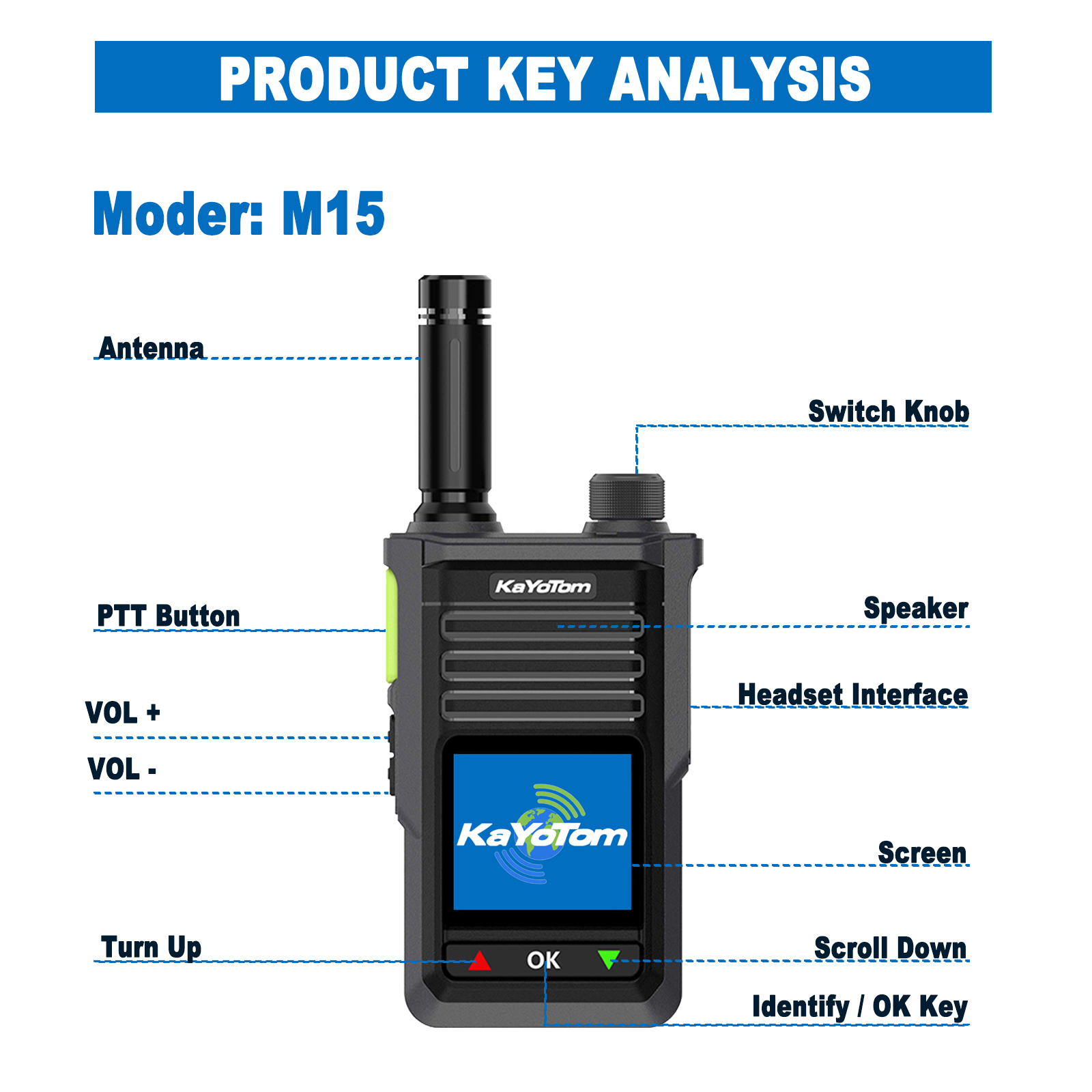
During daily routines or unexpected schedule changes, instant team coordination is vital. The KaYoTom D10 features a dedicated physical Push-to-Talk (PTT) button, allowing staff and administrators to broadcast messages to designated teams or the entire campus simultaneously without delay.
District-Wide Bus & Field Trip Coordination
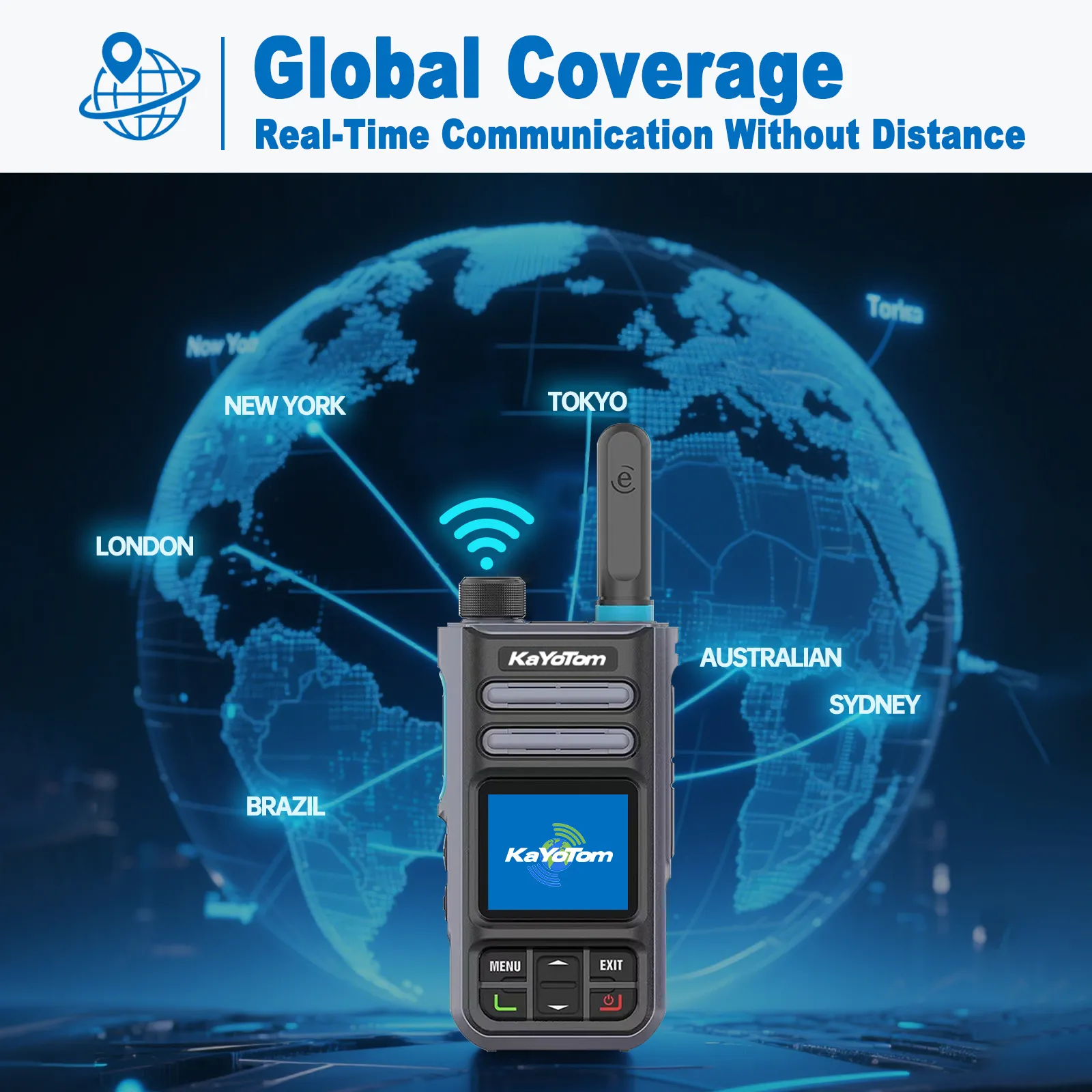
Standard walkie talkies cannot reach school buses once they leave school property. With nationwide LTE connectivity, the KaYoTom D10 enables real-time communication between administrators, field trip leaders, and bus drivers, supported by real-time GPS tracking for student transportation management.
3. Essential Use Cases for Schools & Universities
-
Daily Campus Security & Patrols: Keep security teams connected across dormitories, parking lots, and perimeter fences.
-
Staff Coordination & Facility Management: Enable instant voice dispatching between school administration, maintenance staff, and groundskeepers.
-
School Bus & Transportation Management: Monitor bus routes, track delays, and ensure quick response during transit incidents.
-
Large Campus Events & Athletics: Coordinate parking, crowd control, and staff logistics during sports games and graduation ceremonies.
4. Frequently Asked Questions (FAQ)
Q1: Why should a school choose KaYoTom D10 over smartphones?
Smartphones require unlocking screens, dialing numbers, or navigating apps—processes that are inconvenient during busy shifts. The KaYoTom D10 provides instant one-touch PTT communication, allowing one-to-many group broadcasts in less than a second without reliance on personal phone numbers.
Q2: Does operating the KaYoTom D10 require an FCC license?
No. Unlike high-power GMRS or UHF/VHF commercial radios, PoC radios operate on cellular data networks and do not require FCC frequency licensing, eliminating complex compliance procedures for school districts.
Q3: Can different departments (e.g., Maintenance, Security, Admin) have separate channels on KaYoTom D10?
Yes. The KaYoTom D10 supports flexible group channel setups. Staff members can be organized into distinct groups (such as Maintenance, Administration, or Transport) while maintaining an overarching "All-Call" channel for campus-wide broadcasts.