
1. Key Communication Challenges in Emergency Rescue Operations
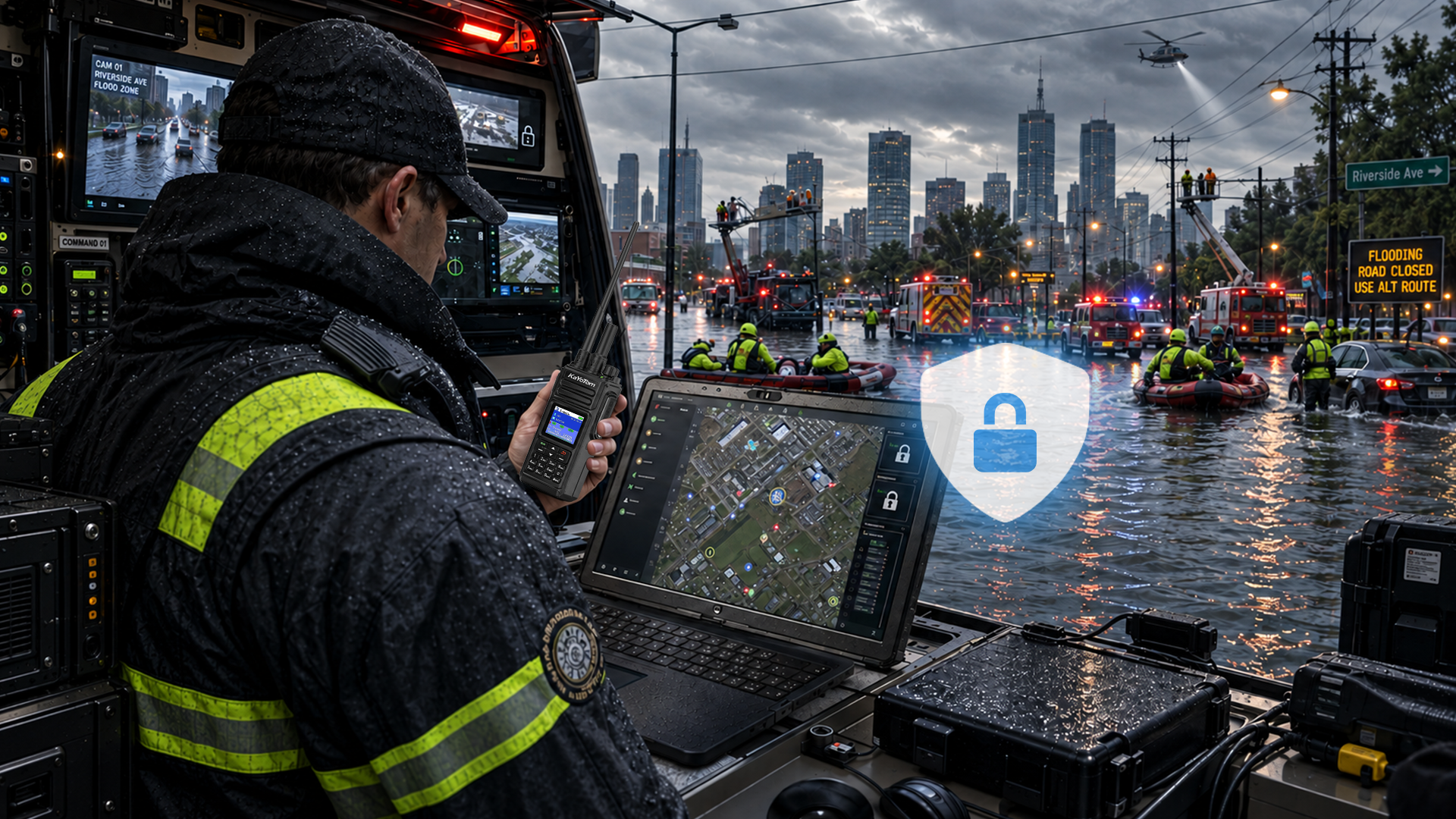
Rescue personnel operate across unpredictable and destructive environments—from mountainous off-grid zones to flooded urban areas. Standard radios face several major hurdles:
-
Infrastructure Collapse & Cellular Dead Zones: Severe natural disasters frequently destroy cell towers and power grids, rendering mobile phones and pure cellular radios unusable.
-
Wide-Area Dispatch Limits: On-scene SAR teams often struggle to maintain direct, instant contact with regional headquarters hundreds of miles away due to range limits.
-
Lack of Responder Trajectory Visibility: Command centers struggle to monitor responder coordinates in dense forests or rubble fields, compromising safety and search efficiency.
-
Extreme Wear & Water Damage: Torrential rain, flood immersion, mud, and heavy drops quickly ruin standard commercial communications gear.
2. Core Technology: How Cellular PTT and Dual-Mode Power Disaster Response
To meet the high-stakes demands of emergency services, modern dual-mode radio architectures redefine wide-area tactical dispatching:
-
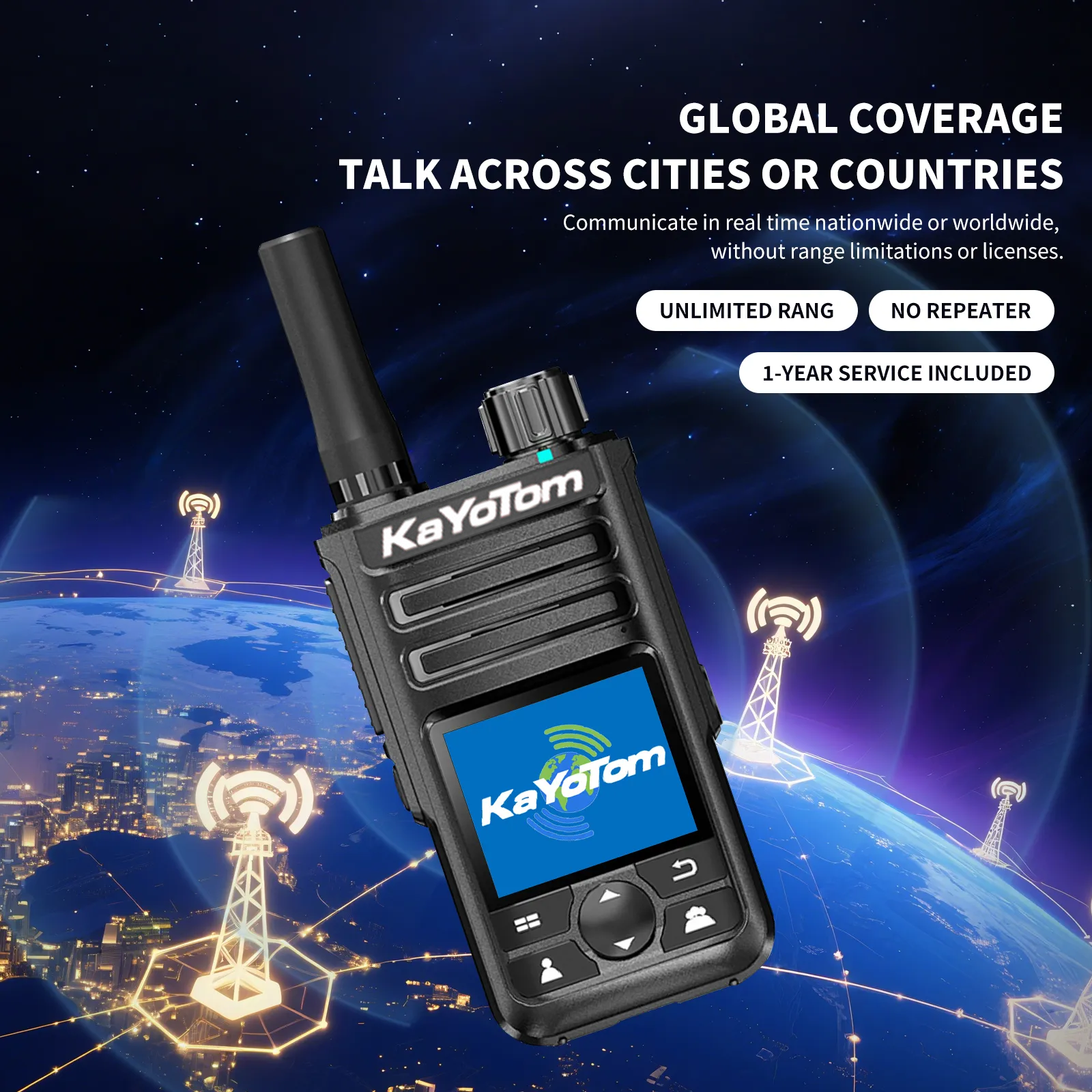
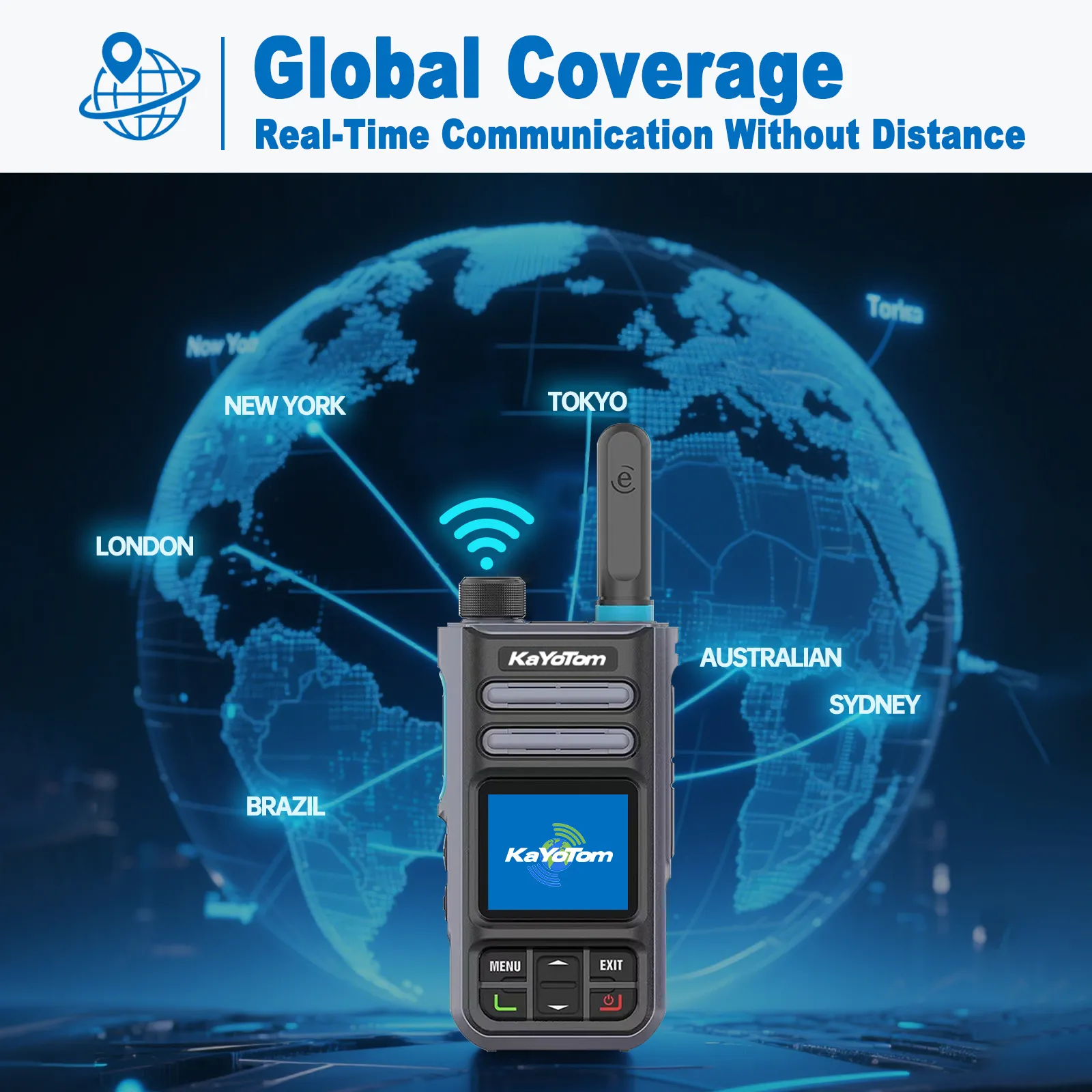
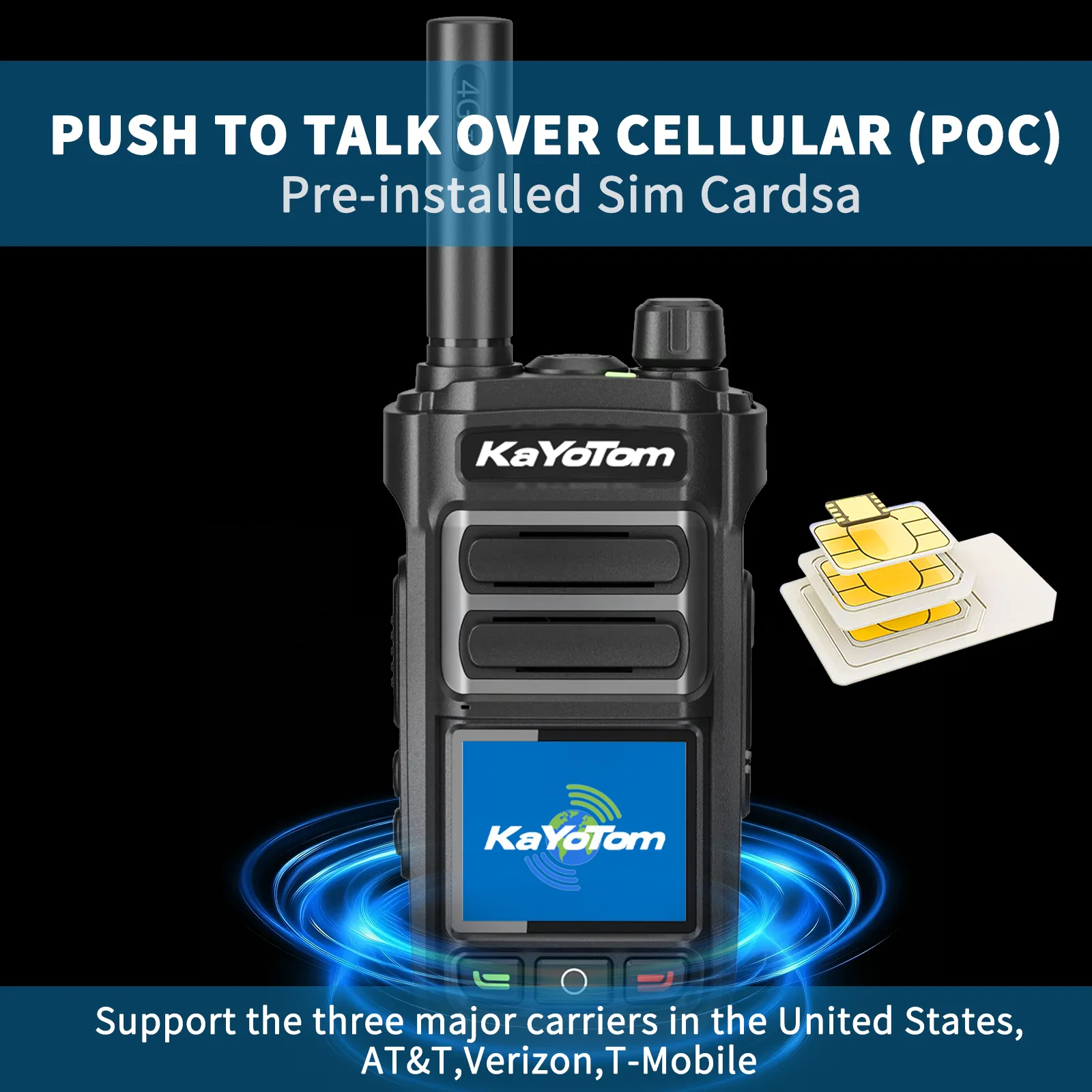
PoC Wide-Area Cellular Coverage: Leveraging nationwide 4G/5G carrier networks, headquarters can execute instant group broadcasts or individual calls to search teams anywhere across the country.
-
Seamless Dual-Mode Failover: Uses cellular PTT for long-range comms, then automatically fails over to direct UHF/VHF frequencies inside off-grid wilderness or tower-damaged disaster zones for zero downtime.
-
Real-Time GPS Tracking: Integrates spatial telemetry into dispatch platforms, enabling commanders to review live responder locations, verify search grid coverage, and ensure field safety.
3. Emergency Radio Evaluation: Kayotom D10 Field Advantages
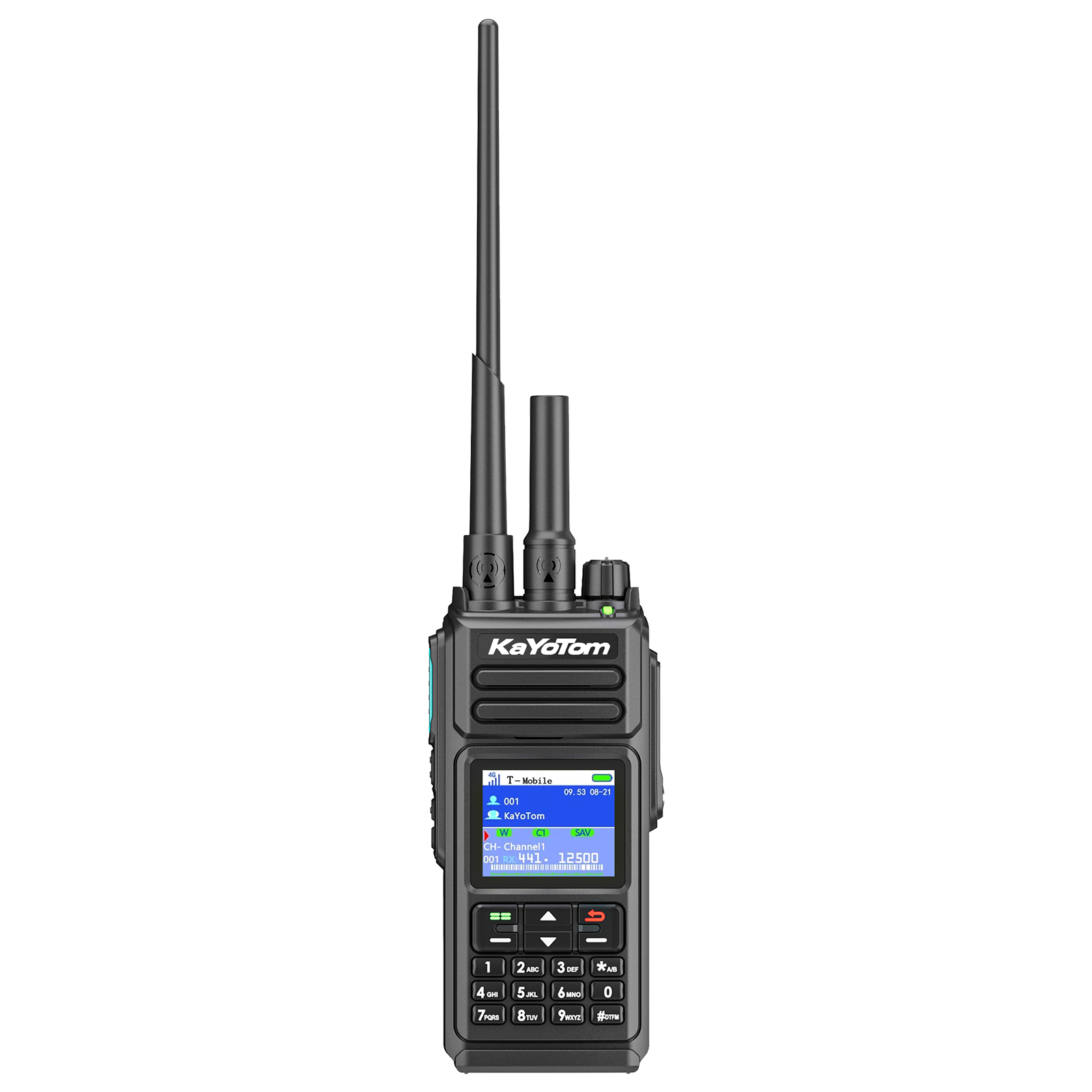
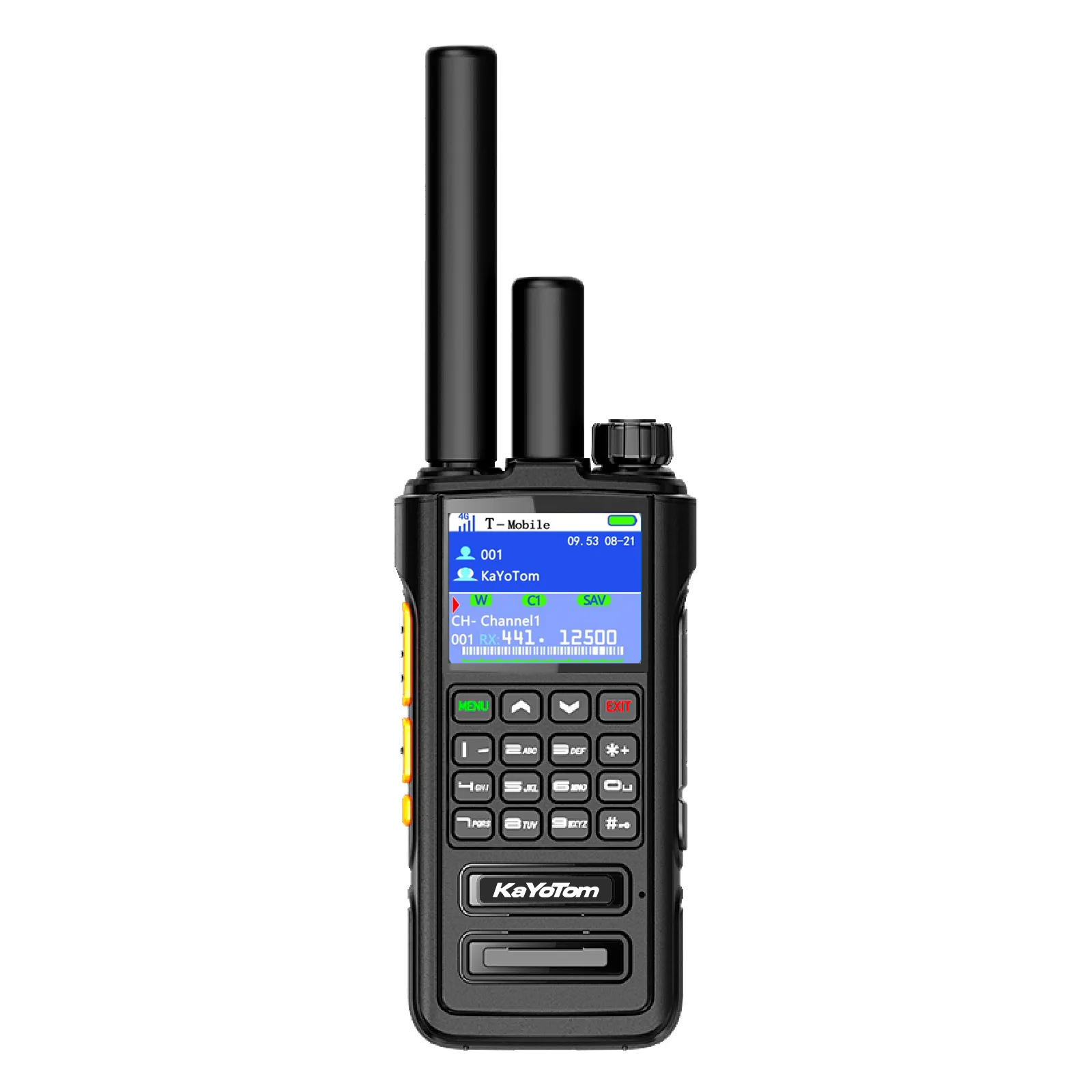
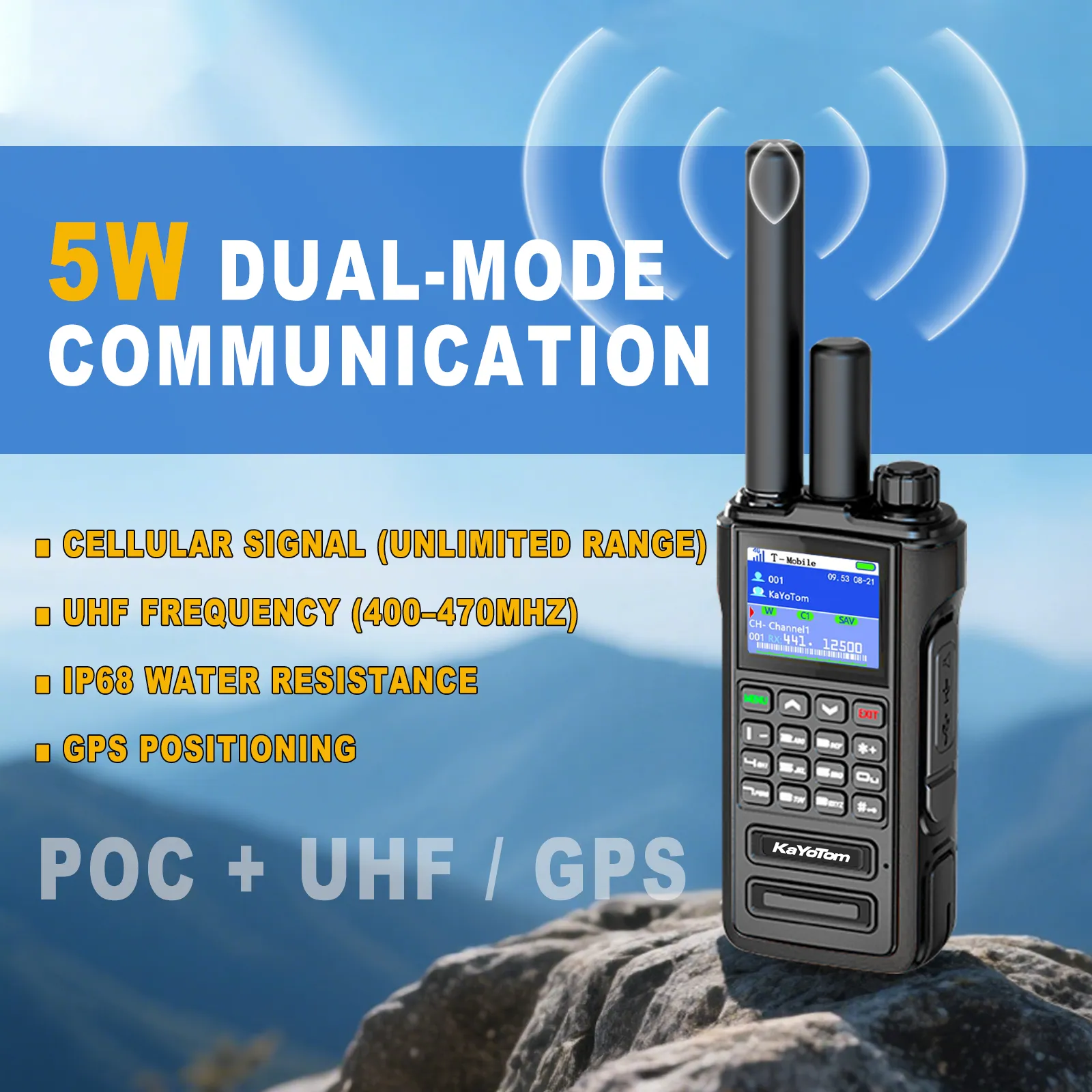
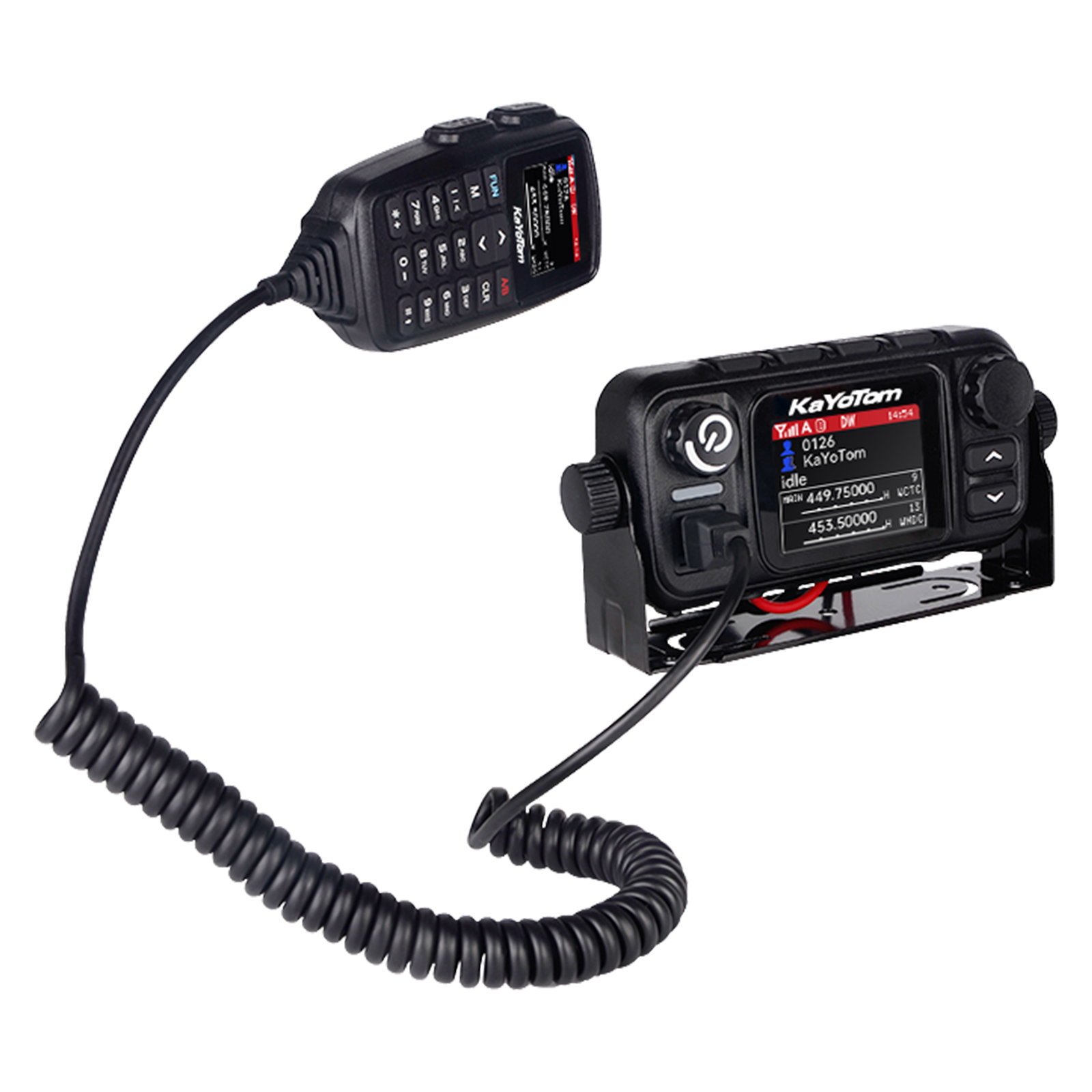
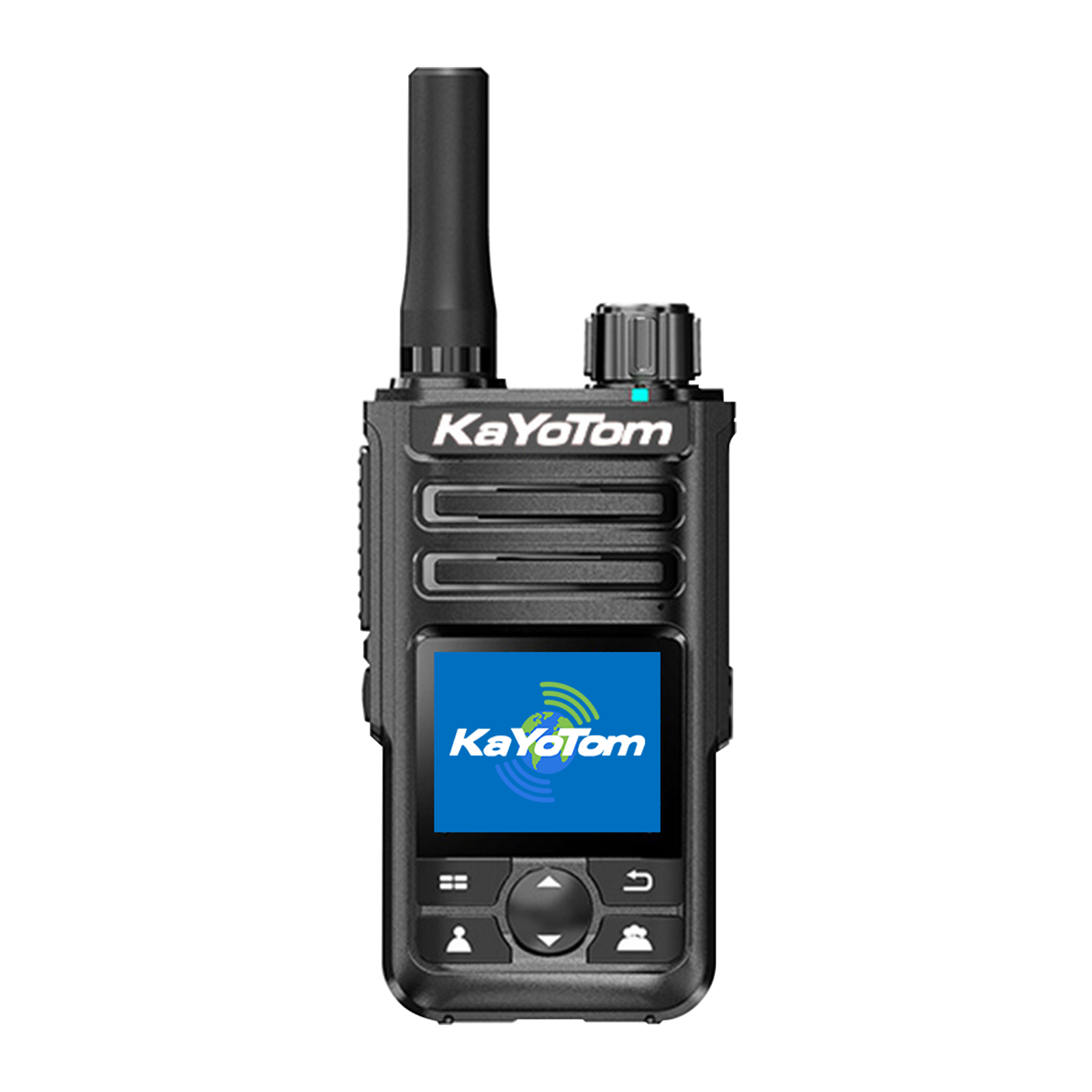
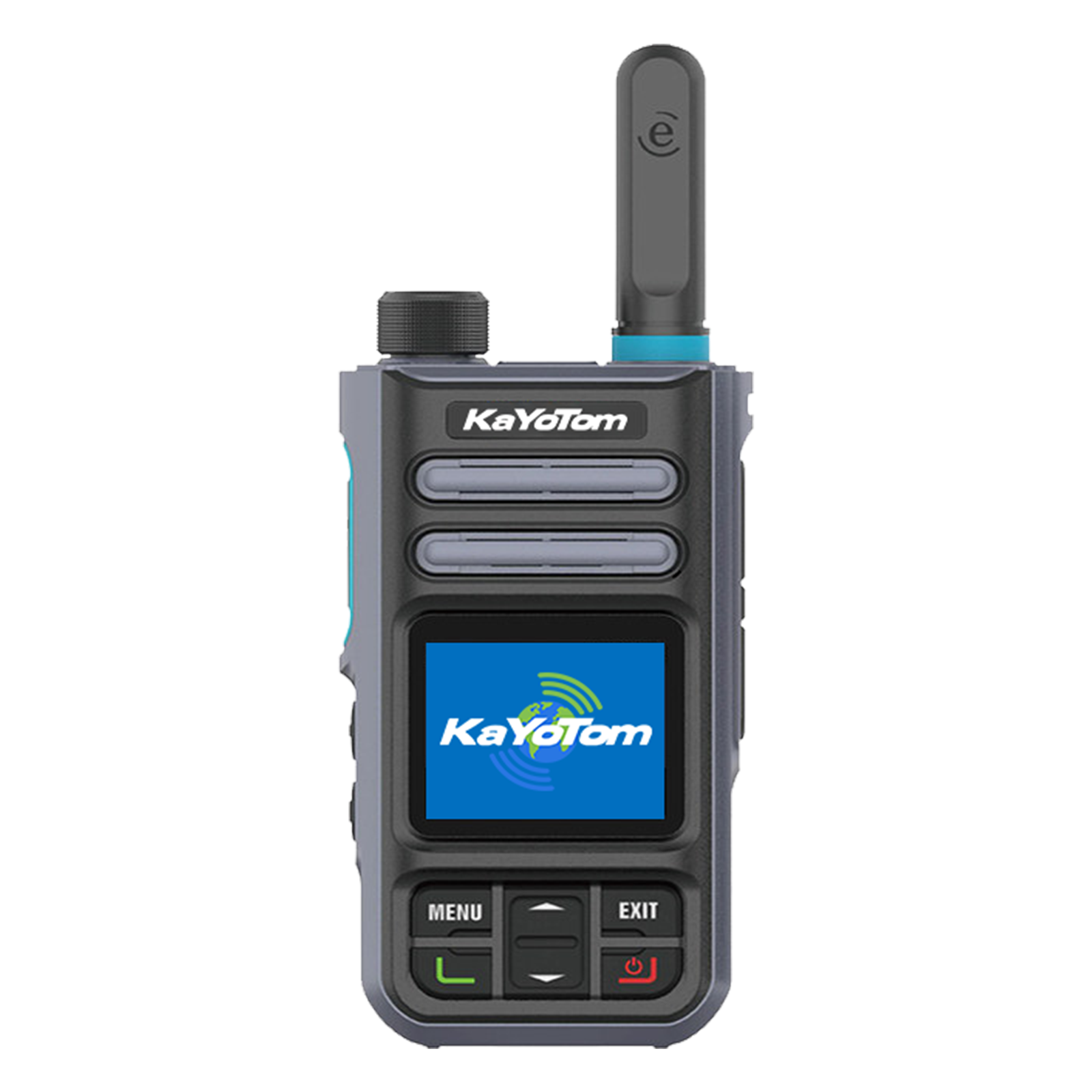
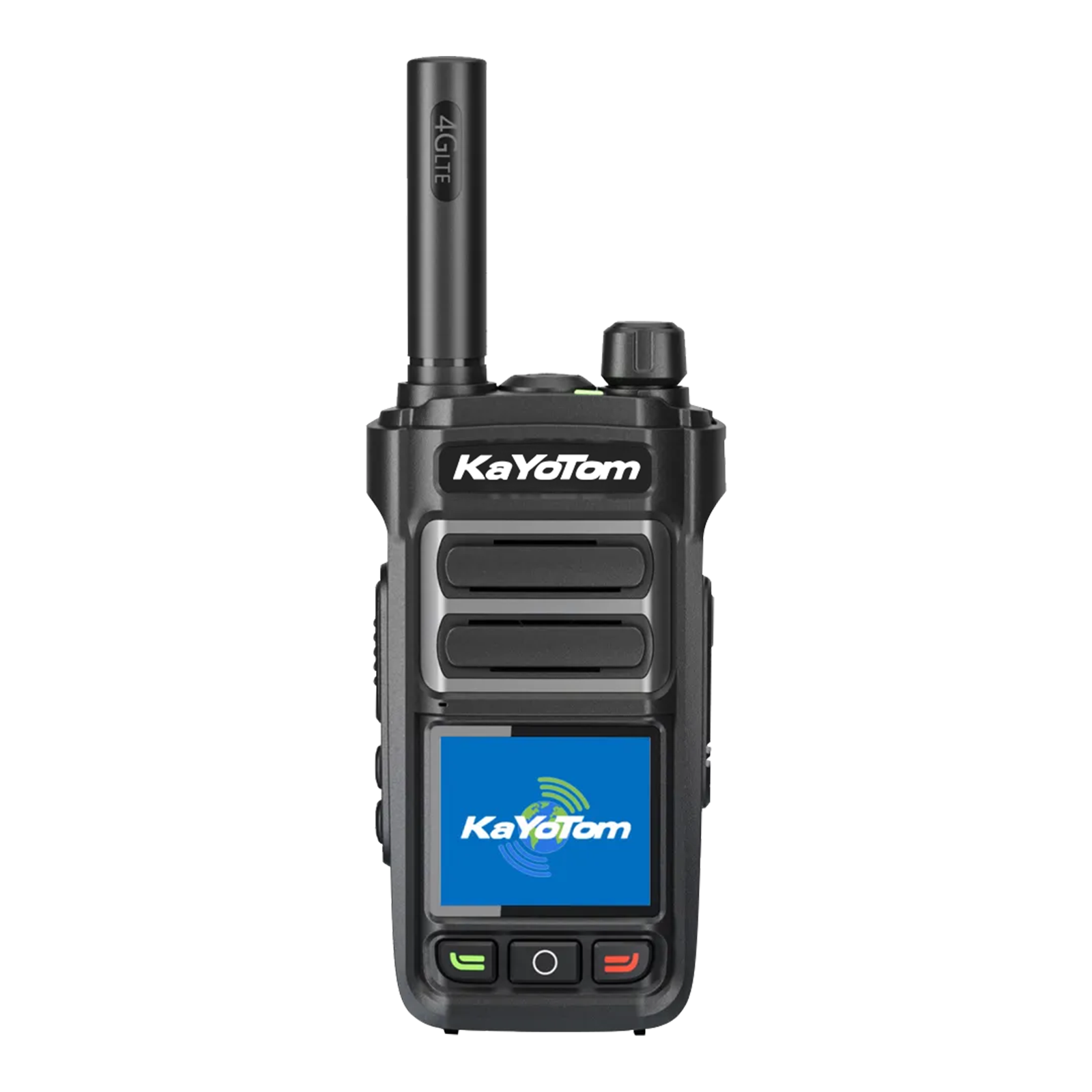
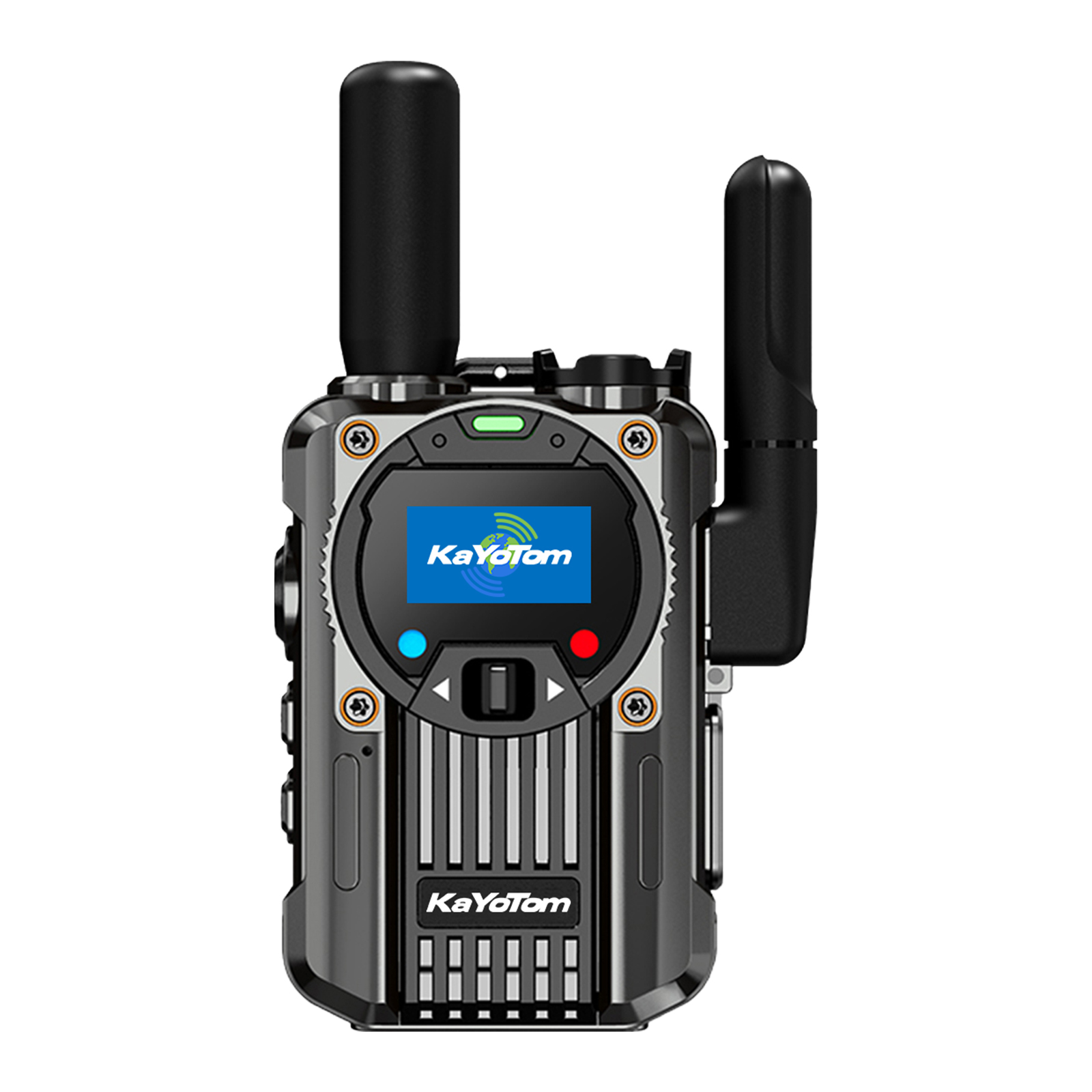
Engineered for extreme disaster environments and high-intensity search and rescue operations, the Kayotom D10 dual-mode radio delivers key field advantages:
| Feature Dimension | Kayotom D10 Specification | Tactical Value in Emergency Rescue |
| Communication Modes | 4G LTE Cellular PTT + UHF/VHF Dual Mode | Bridges field teams with distant headquarters; automatically fails over to direct RF when towers go down |
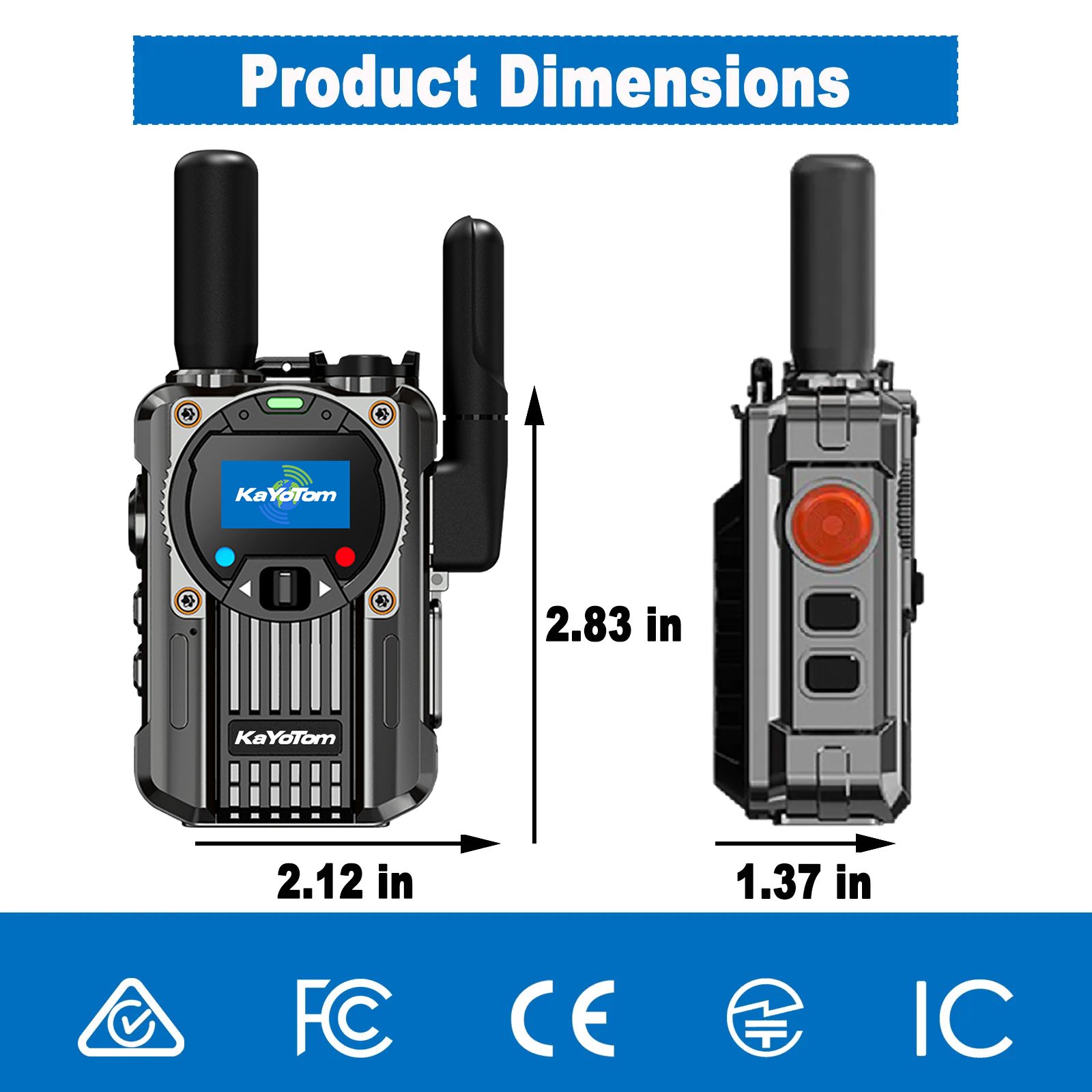
| Ruggedness | IP68 Dust & Water Resistance | Built to withstand torrential rain, flood submersion, mud, and heavy impacts in disaster zones |
| Location Tracking | Real-Time Global GPS Tracking | Provides commanders with live spatial telemetry for grid search coordination and responder safety |
| Grouping & Cost | Multi-Channel Grouping + Lifetime Free Data | Supports segregated channels for multi-agency teams, with zero recurring annual cellular renewal fees |
4. Frequently Asked Questions (FAQ)
Q1: How does the Kayotom D10 maintain contact when disaster zones lose cell tower coverage?
Answer: The Kayotom D10 features built-in UHF/VHF direct radio hardware. When rescue teams enter remote wilderness or disaster areas with damaged cellular infrastructure, units instantly switch to direct radio mode to maintain point-to-point communication among nearby responders.
Q2: How can remote command centers track search and rescue teams in real time?
Answer: The device incorporates a global GPS module. Command centers can monitor real-time spatial coordinates and movement trajectories of field responders on a digital map, enabling precise grid searches and rapid emergency dispatch.
Q3: How are cellular data fees handled for rescue teams using PoC radios?
Answer: The Kayotom D10 includes lifetime free cellular PTT data. Emergency agencies and volunteer rescue teams do not need to pay recurring annual SIM subscription renewals, ensuring cost-free communication during drills and long-duration disaster response operations.