

Communication Challenges in Large-Scale Industrial Parks
Managing day-to-day operations across an industrial park involves coordinating facility managers, security patrols, warehouse staff, and maintenance engineers. Traditional VHF/UHF two-way radios struggle with signal attenuation caused by steel-reinforced factory walls, underground utility tunnels, and heavy machinery electromagnetic interference.
Industrial Facility Barrier  ===> [ Steel & Concrete Attenuation ] ===> Radio Dead Zones
PoC Cellular / Wi-Fi Mesh    ===> [ Wide-Area Cloud Dispatch ]   ===> 100% Coverage
How PoC Radios Bridge Facility Communication Gaps
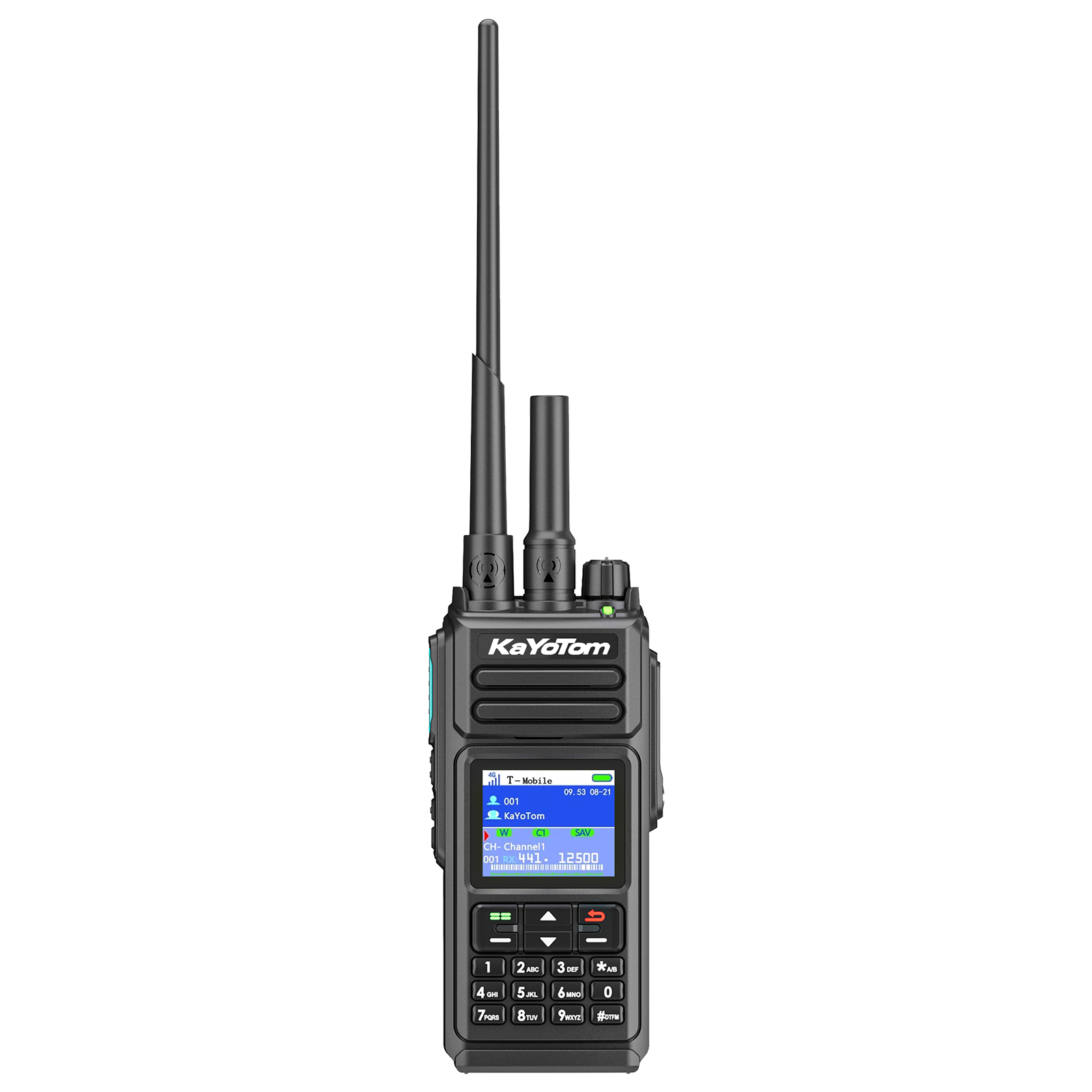
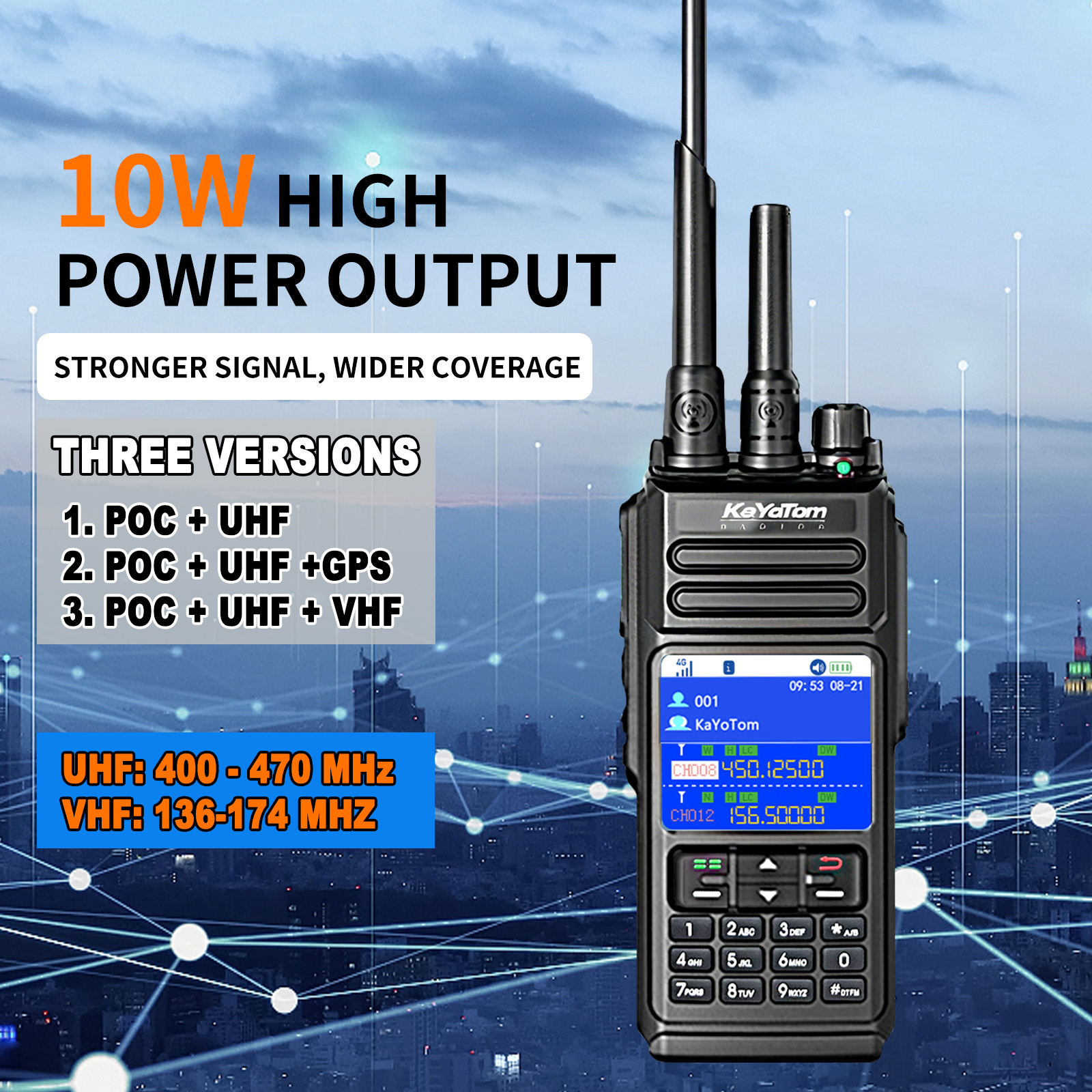
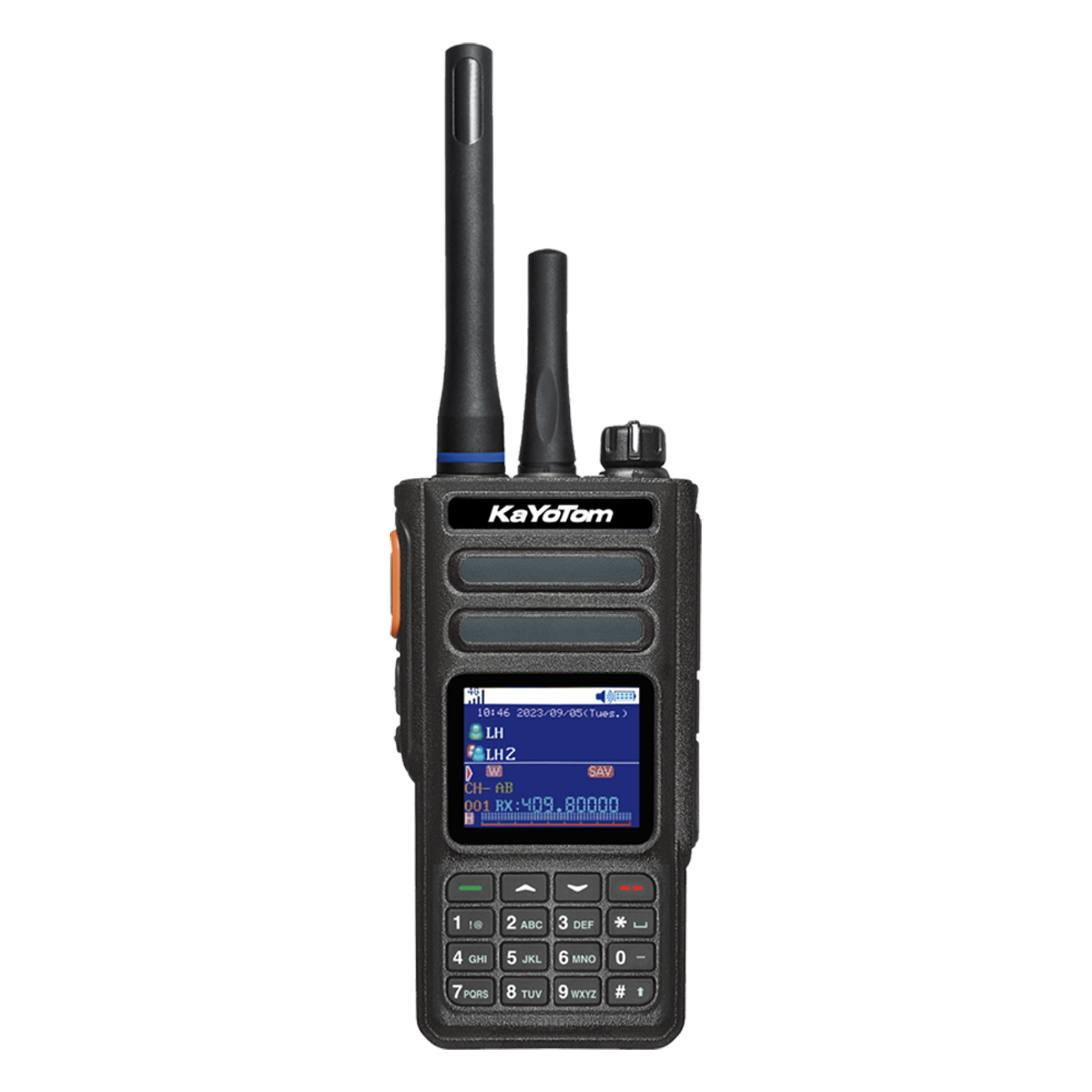
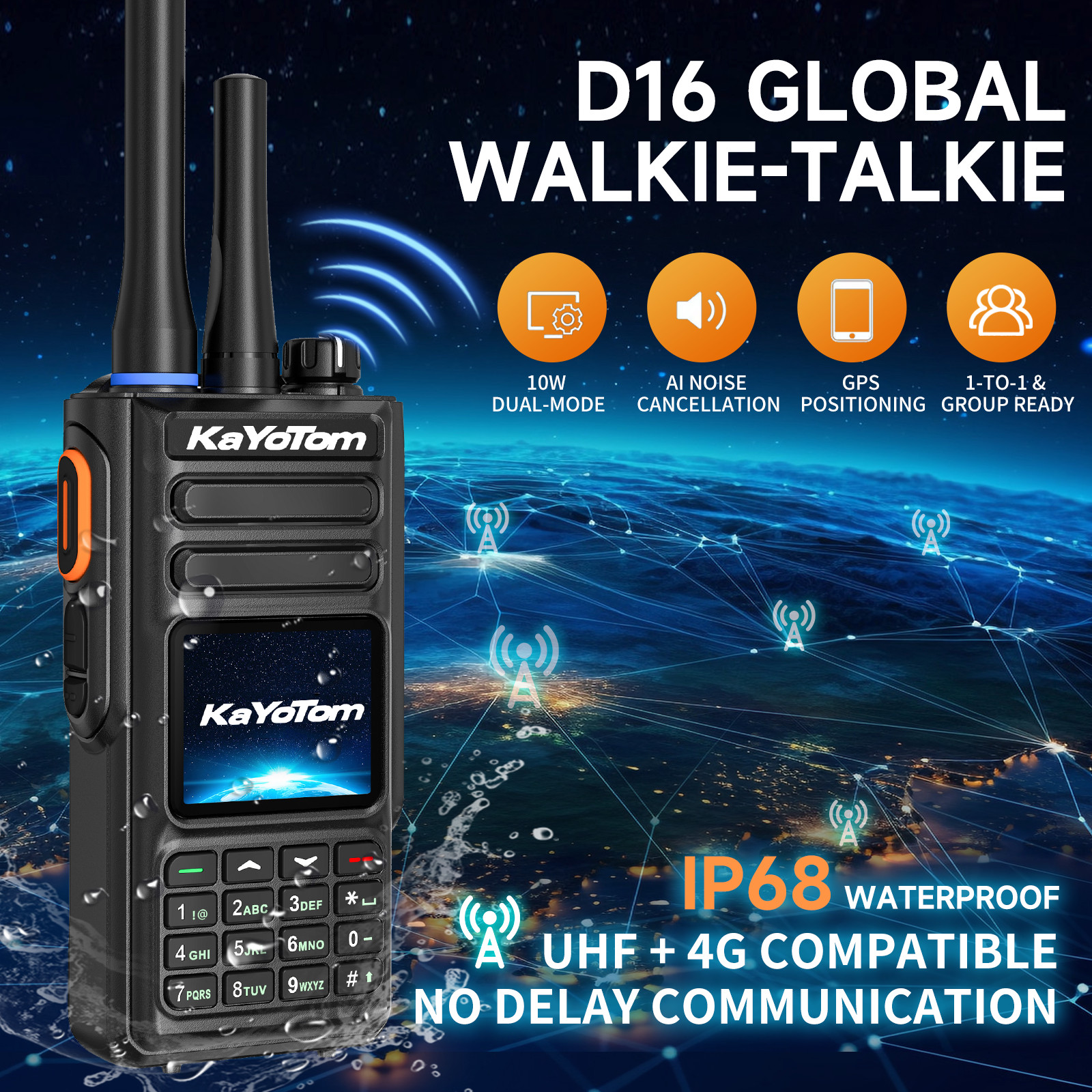
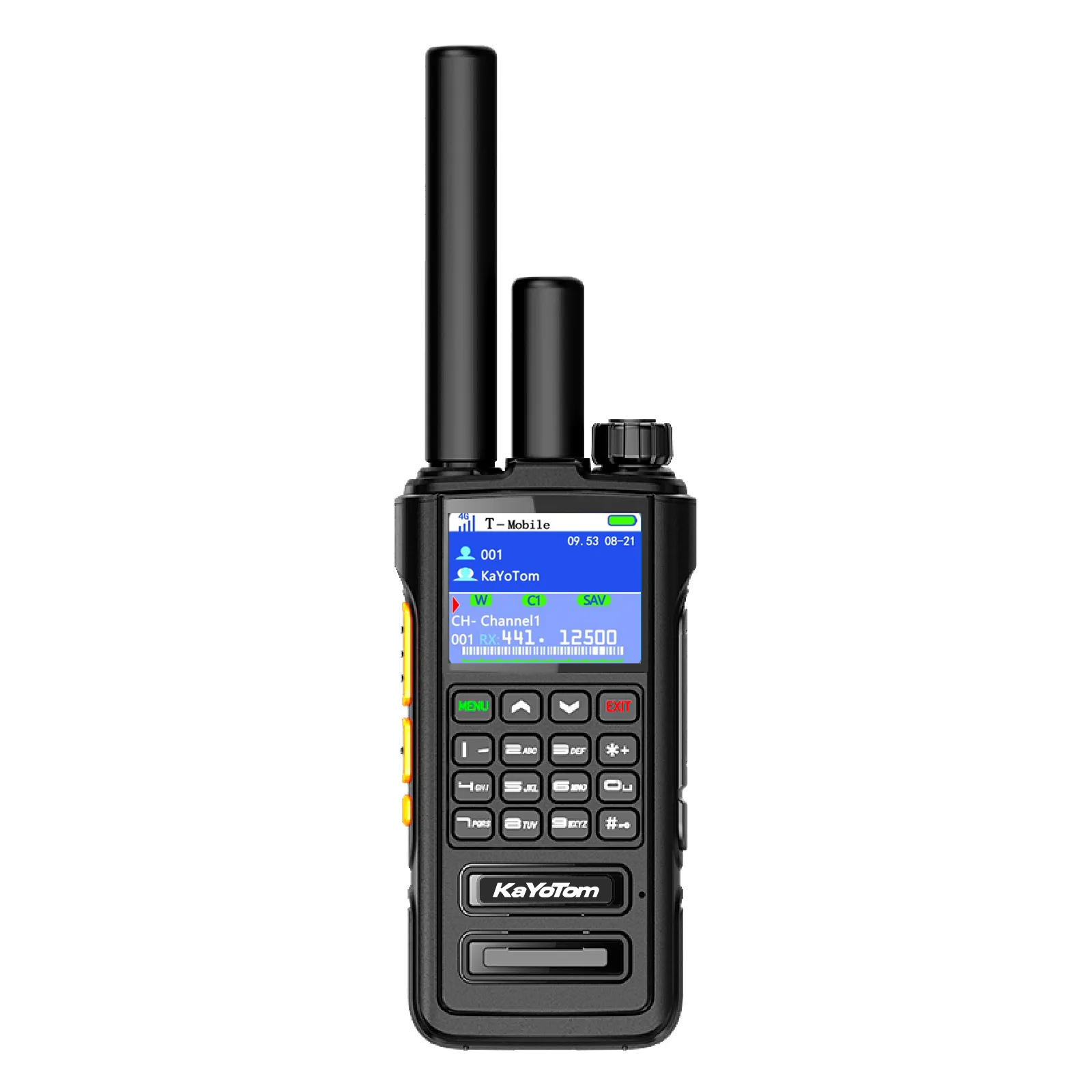
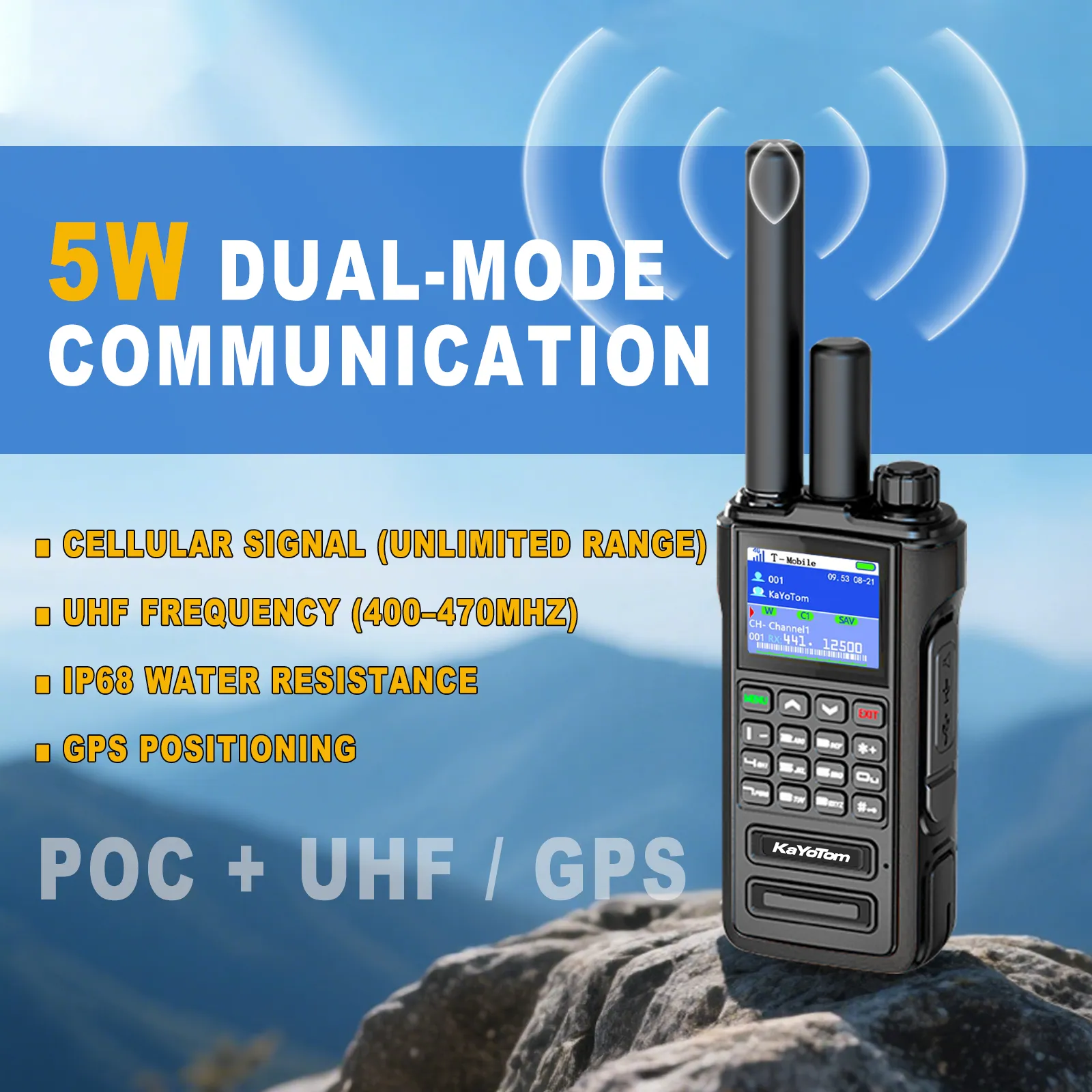
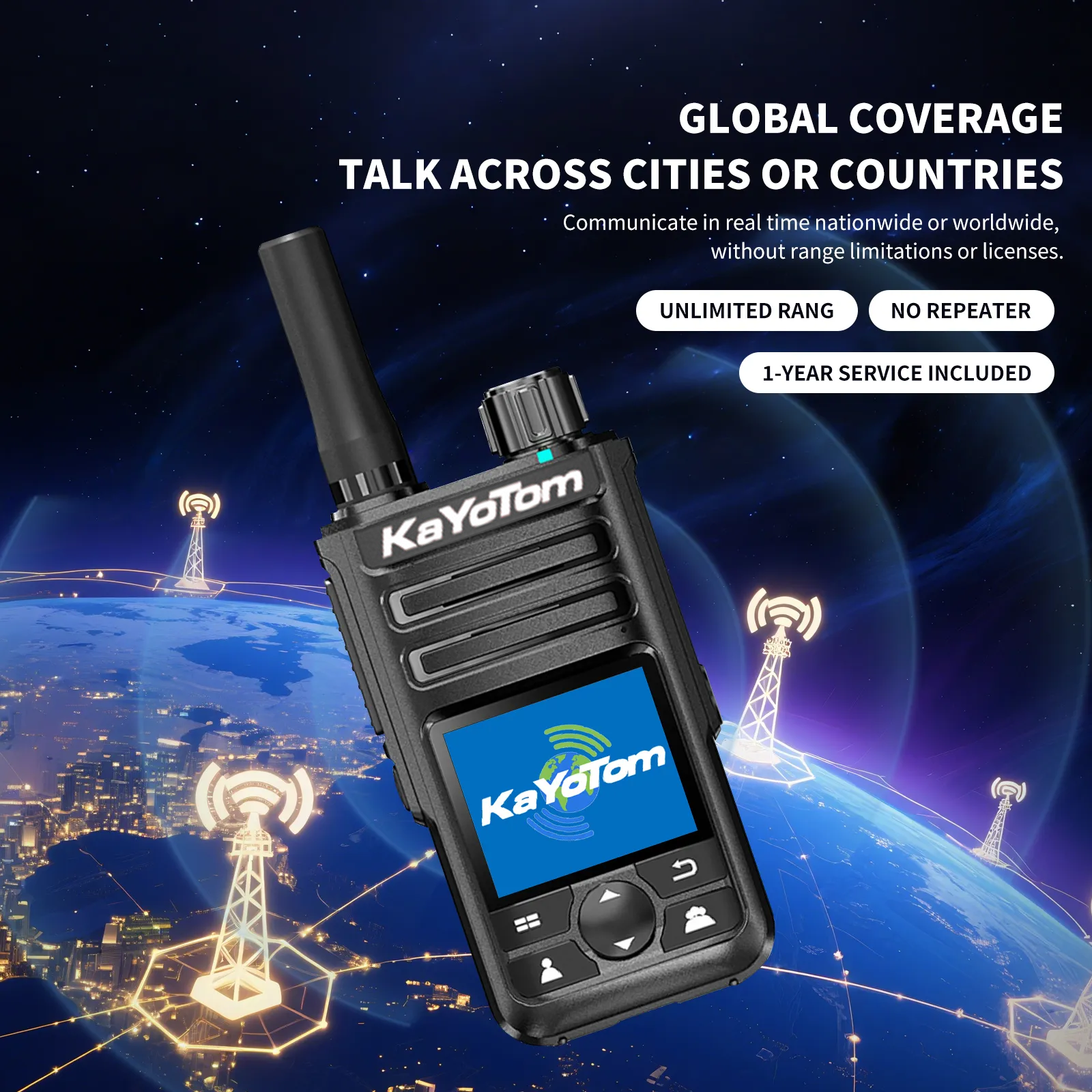
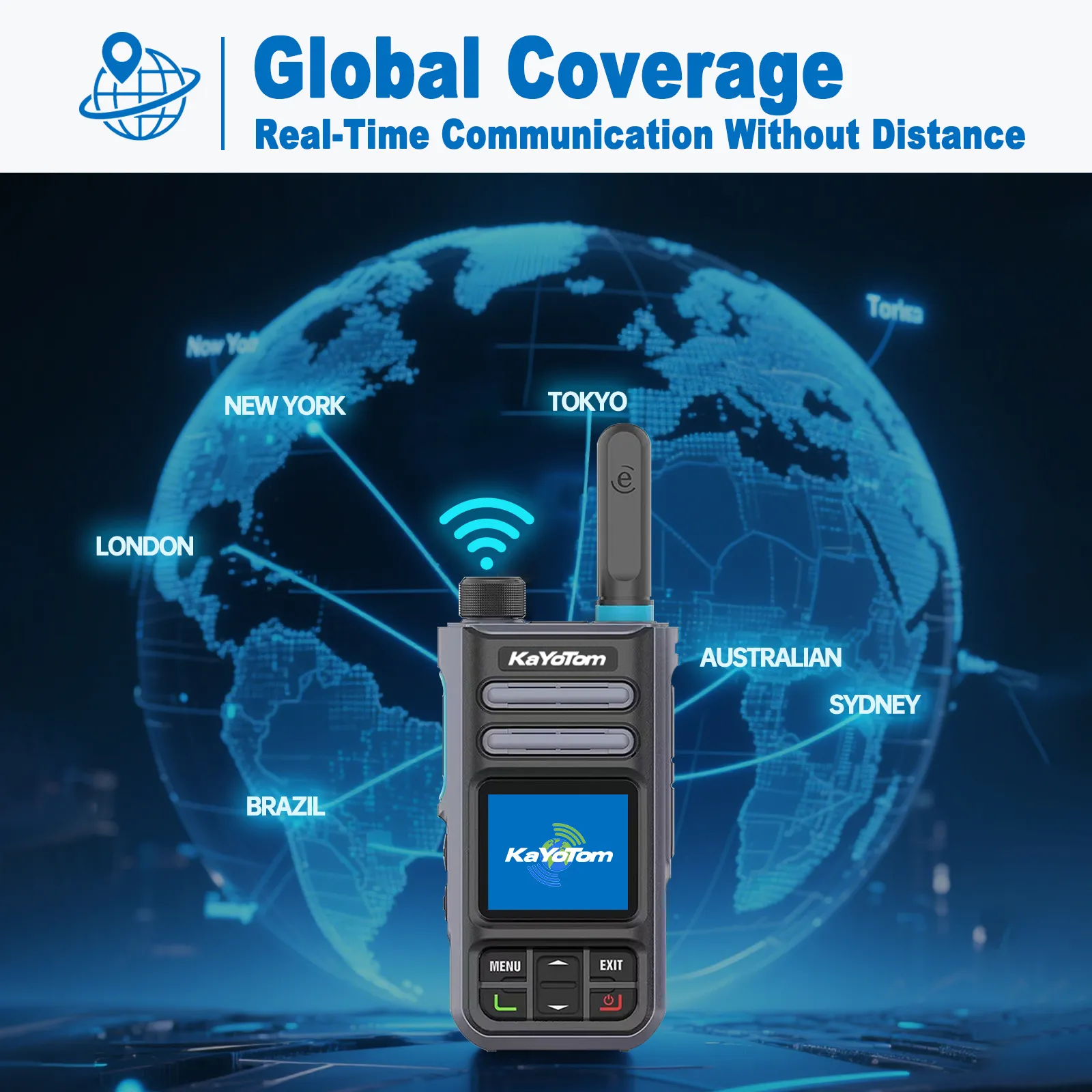
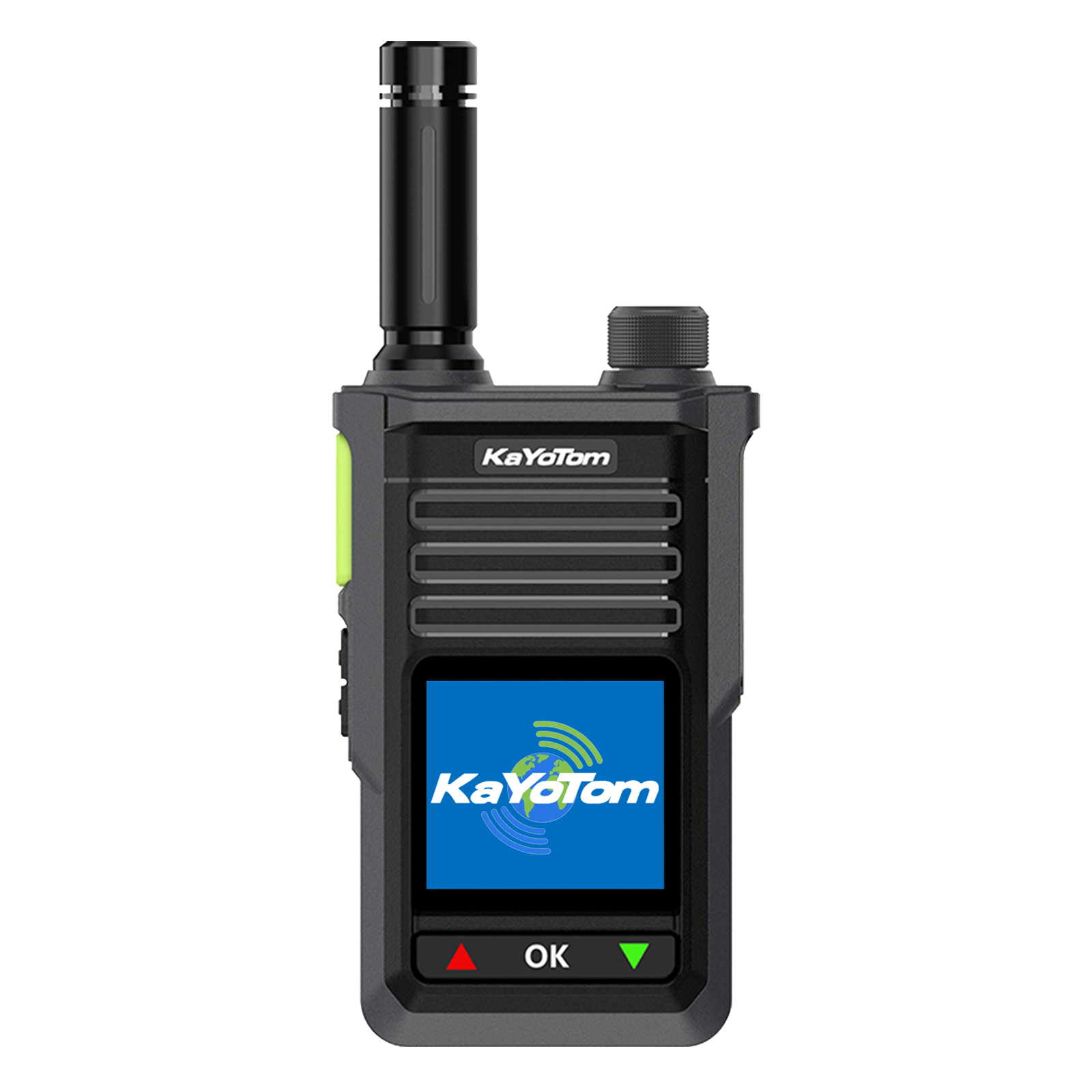
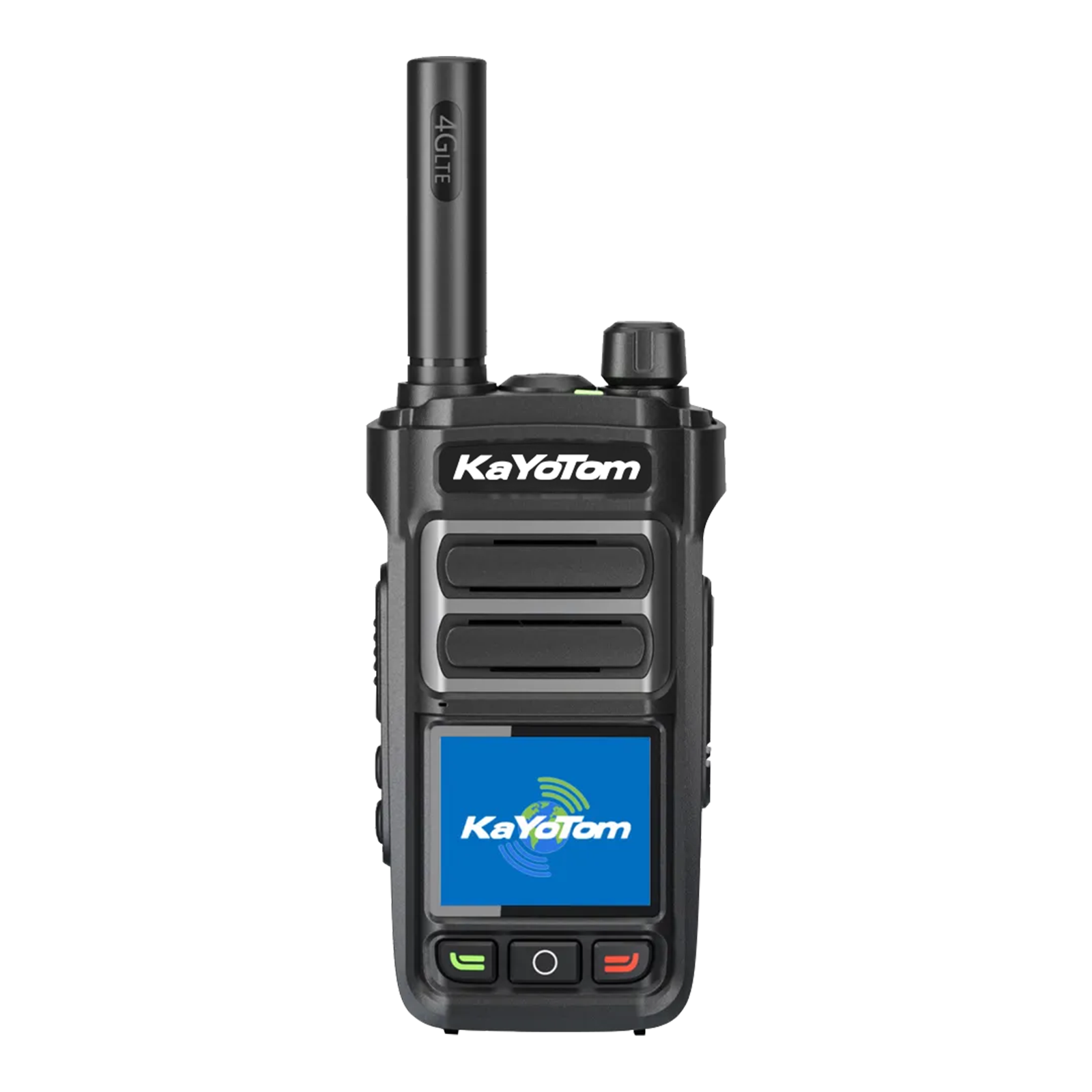
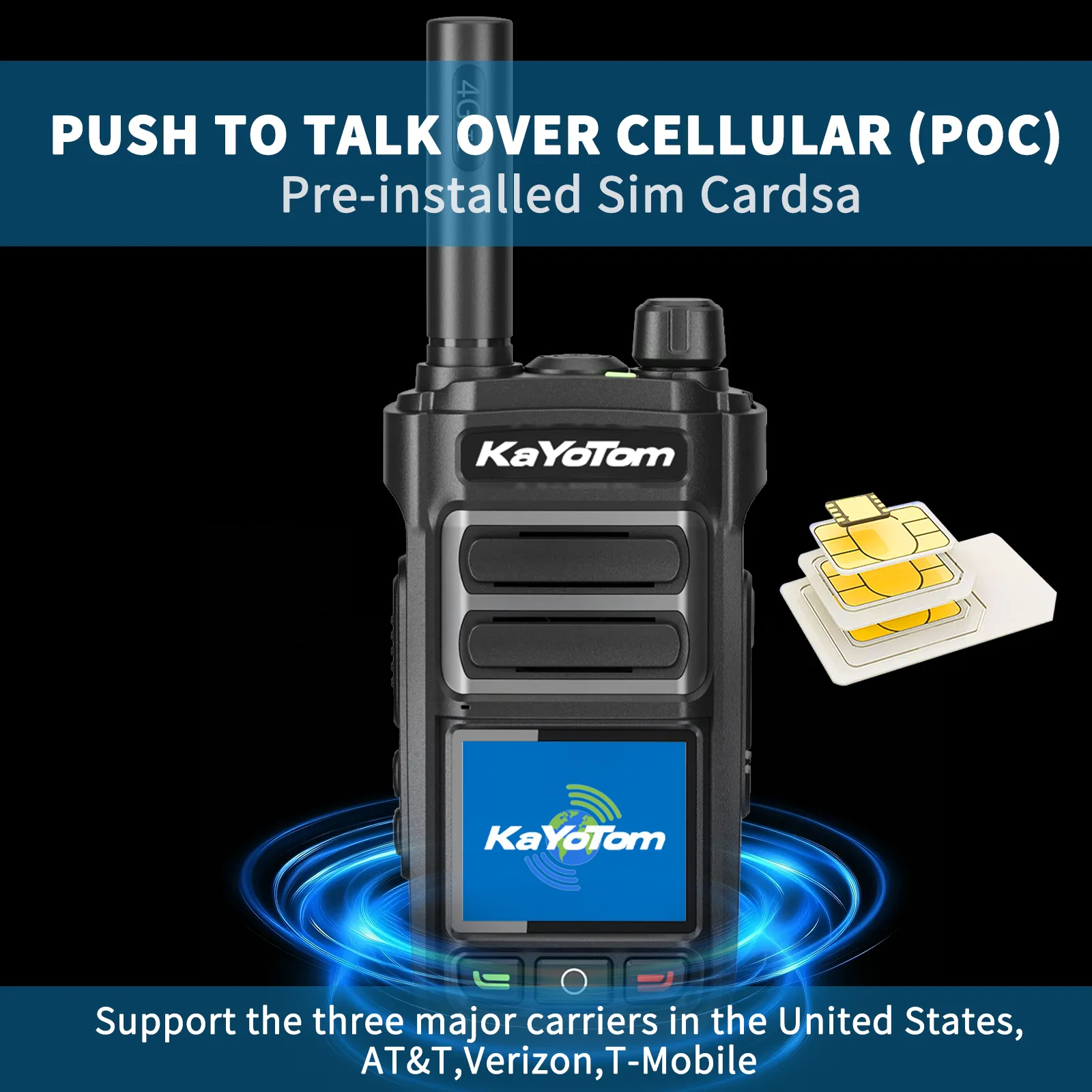
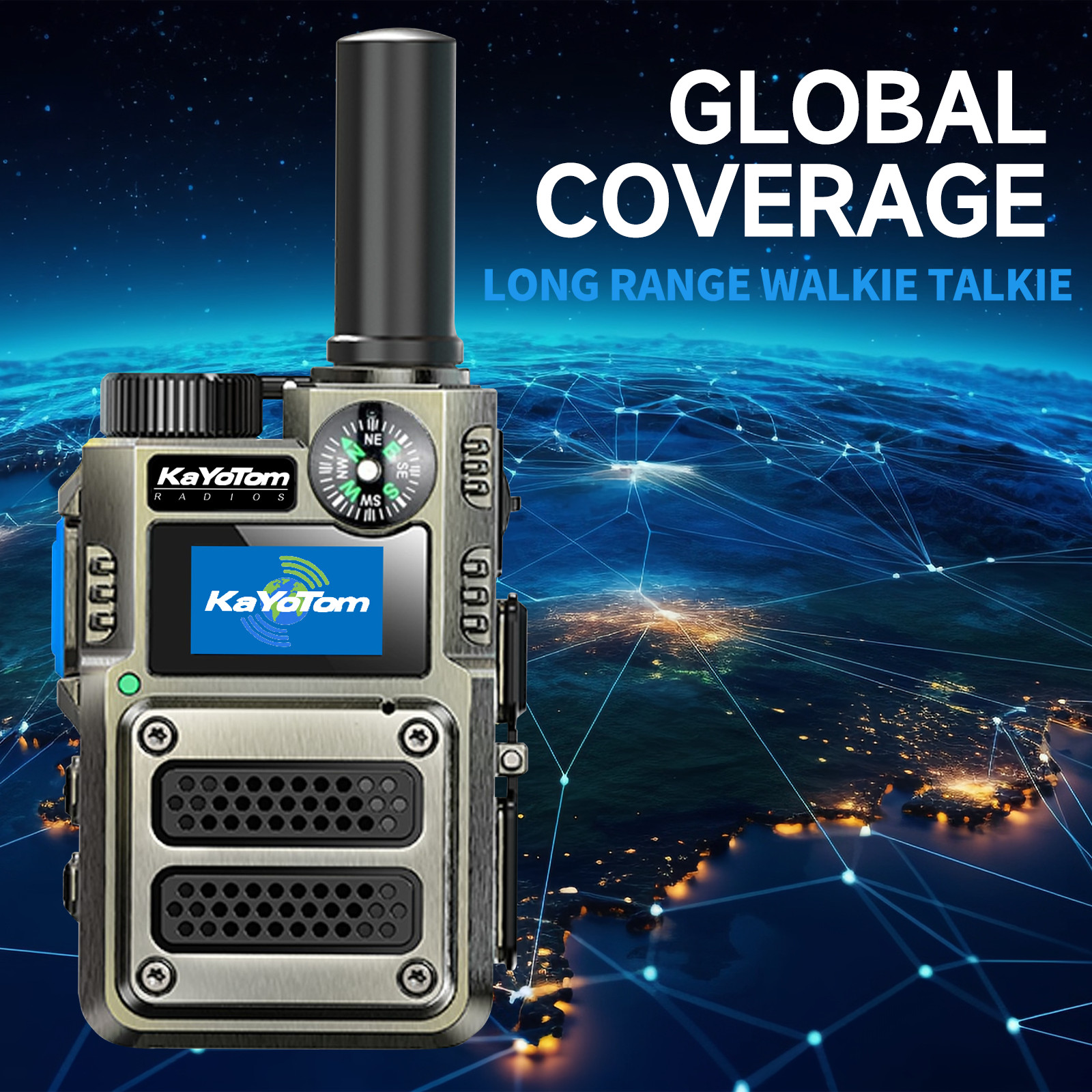
By routing voice traffic over cellular LTE networks and local Wi-Fi access points, Push-to-Talk over Cellular (PoC) eliminates physical distance limits. Park managers in central control rooms can instantaneously broadcast emergency updates or maintenance orders to field workers anywhere across multi-building campuses.
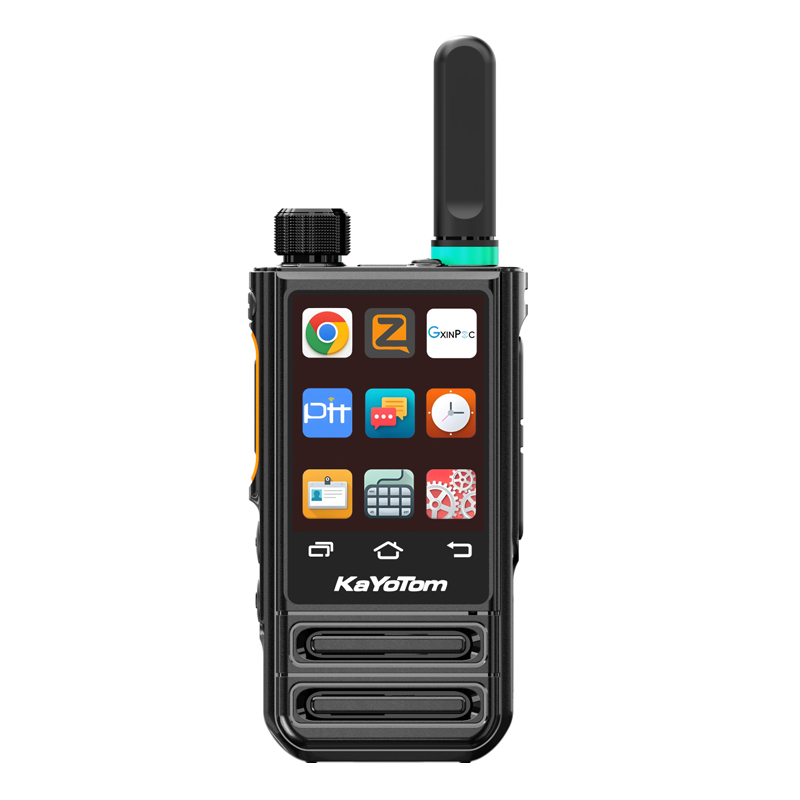
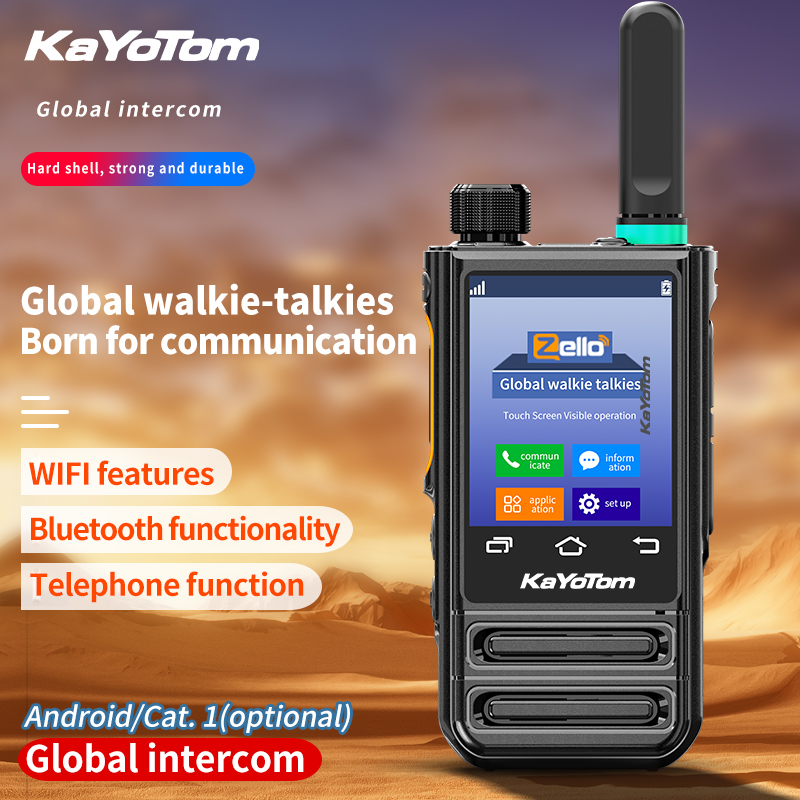
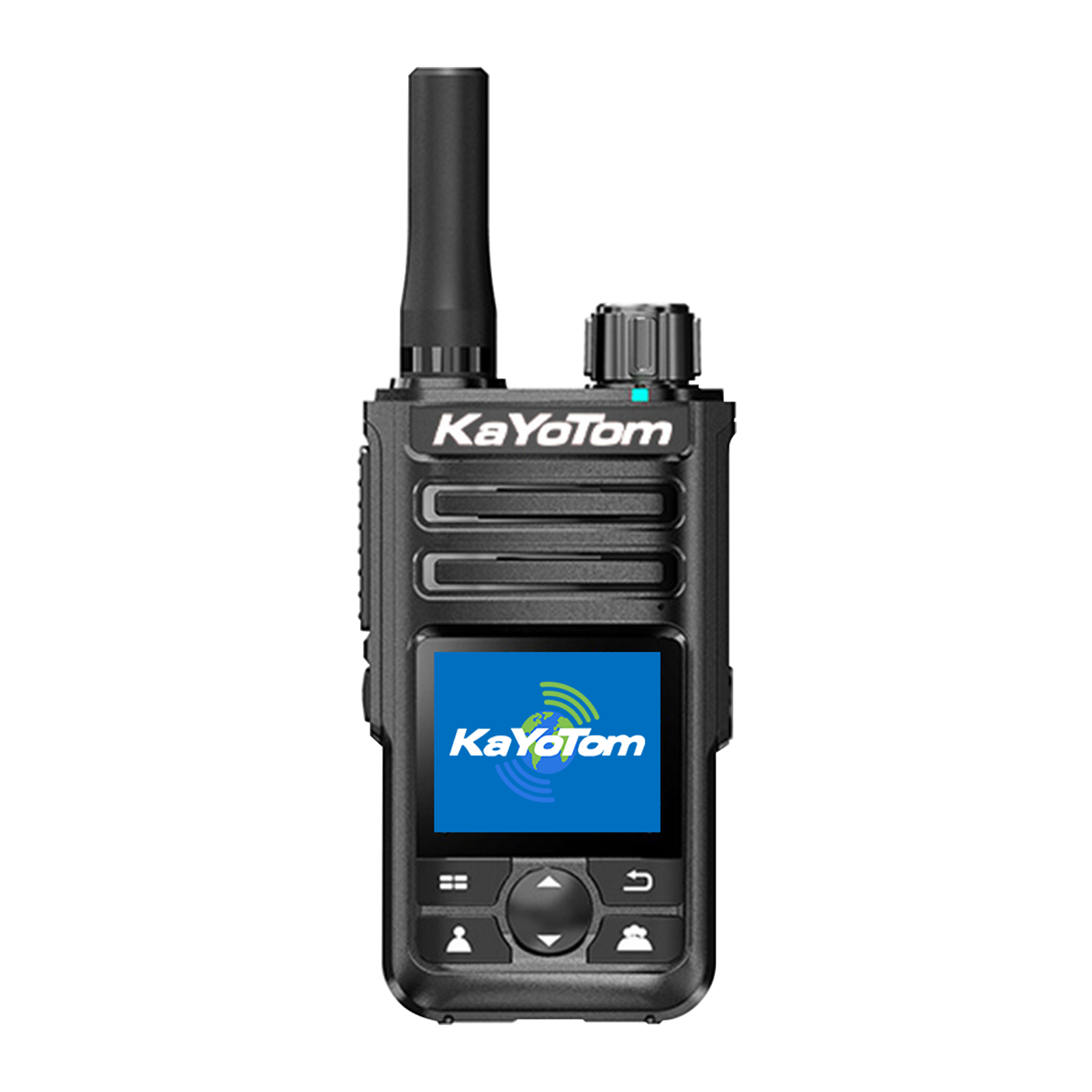
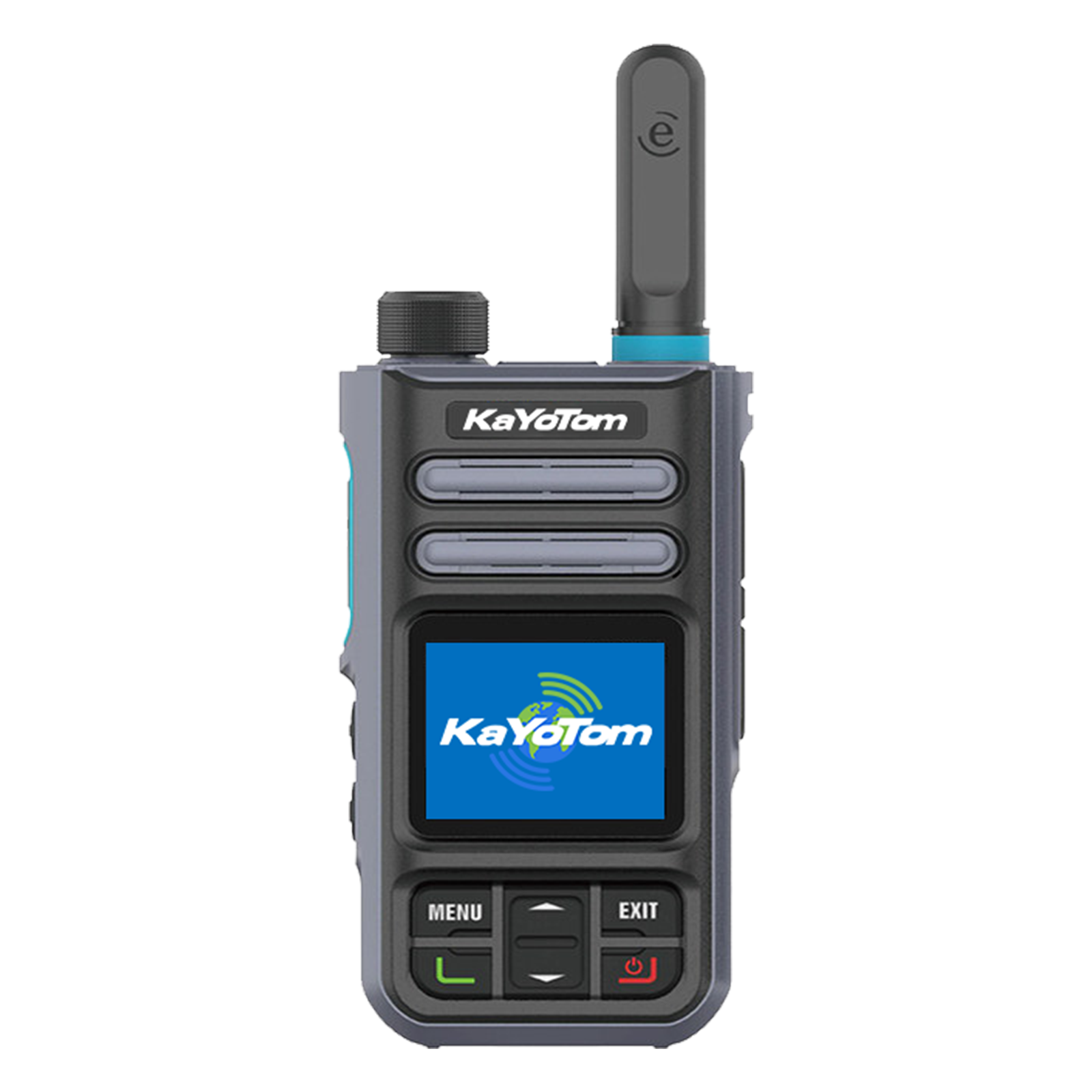
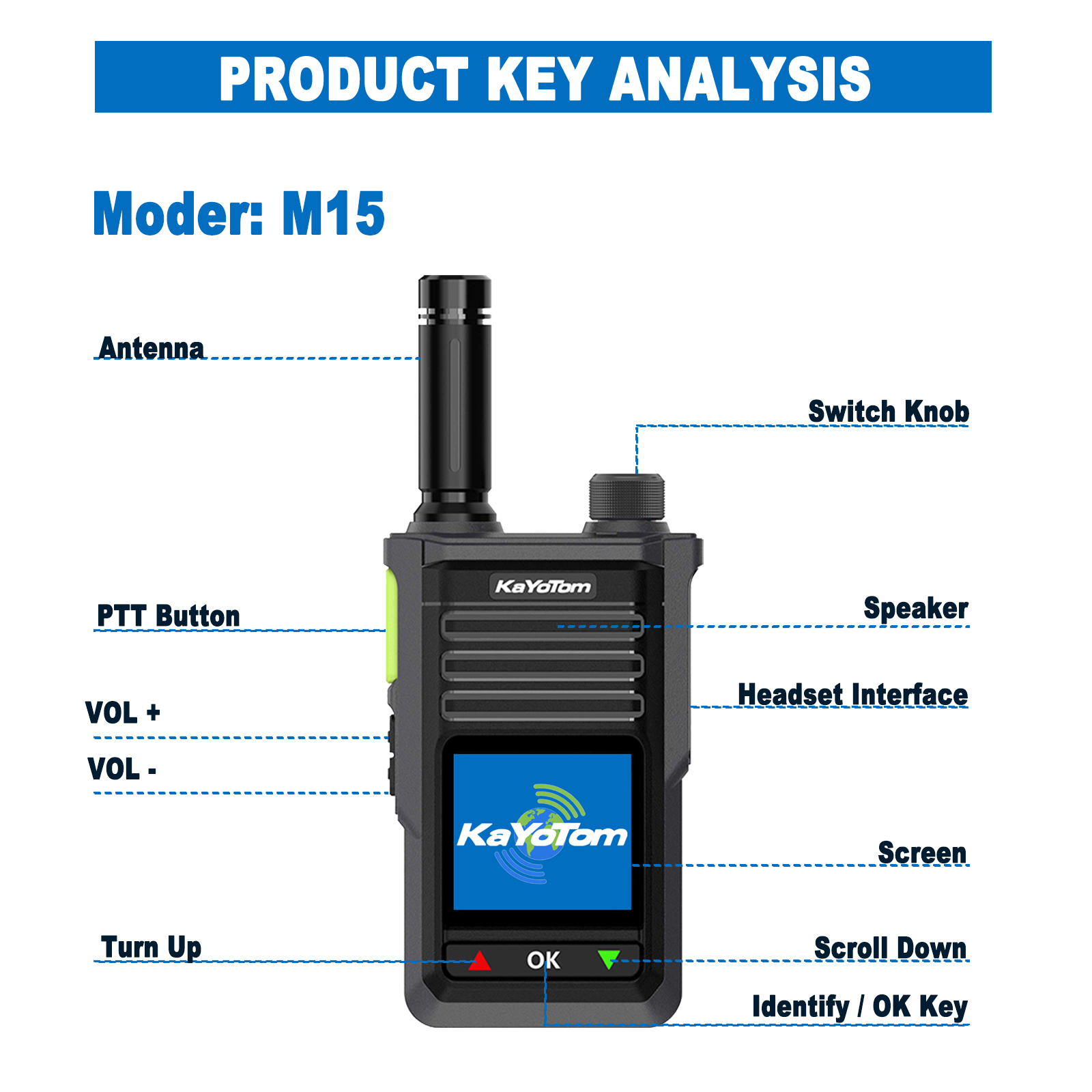
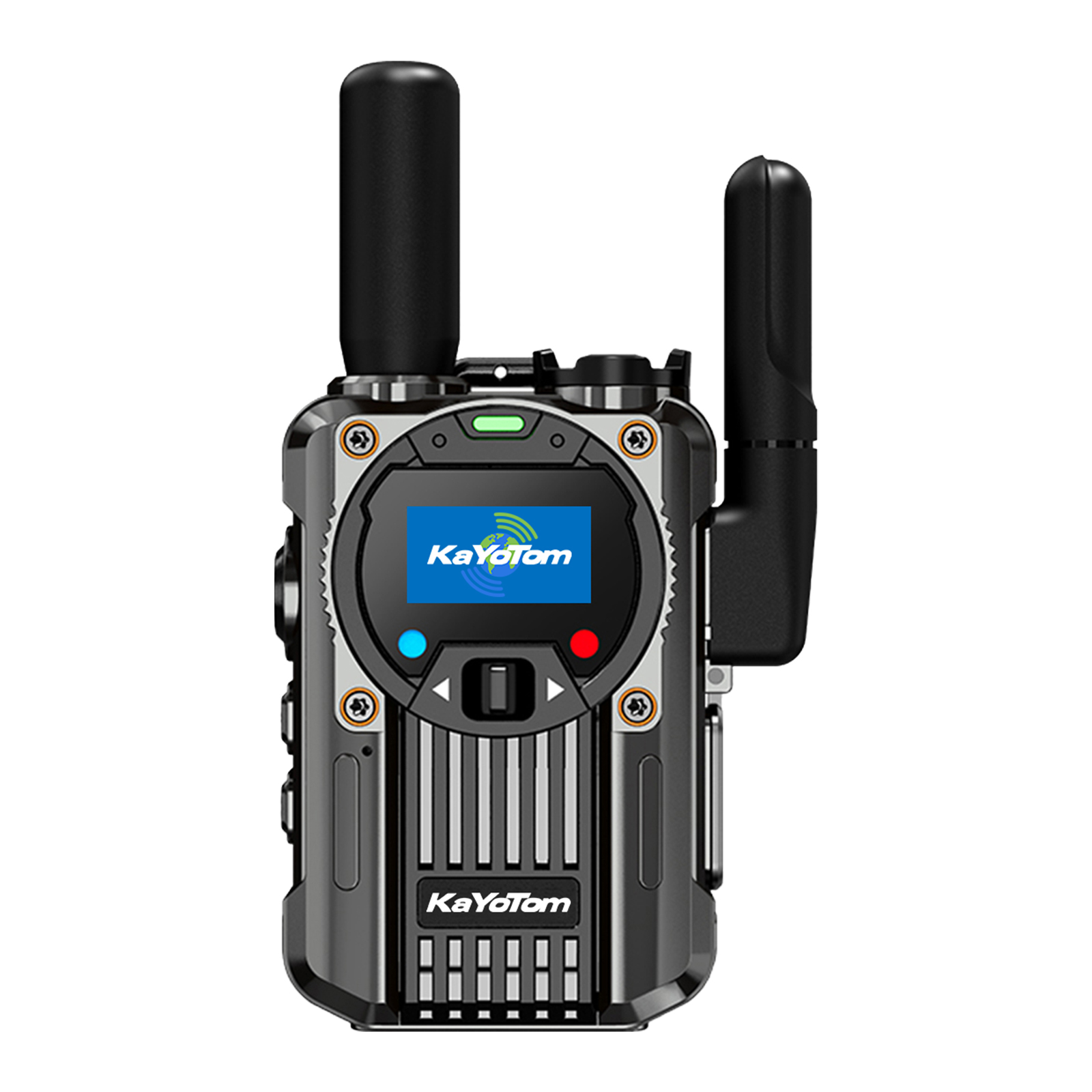
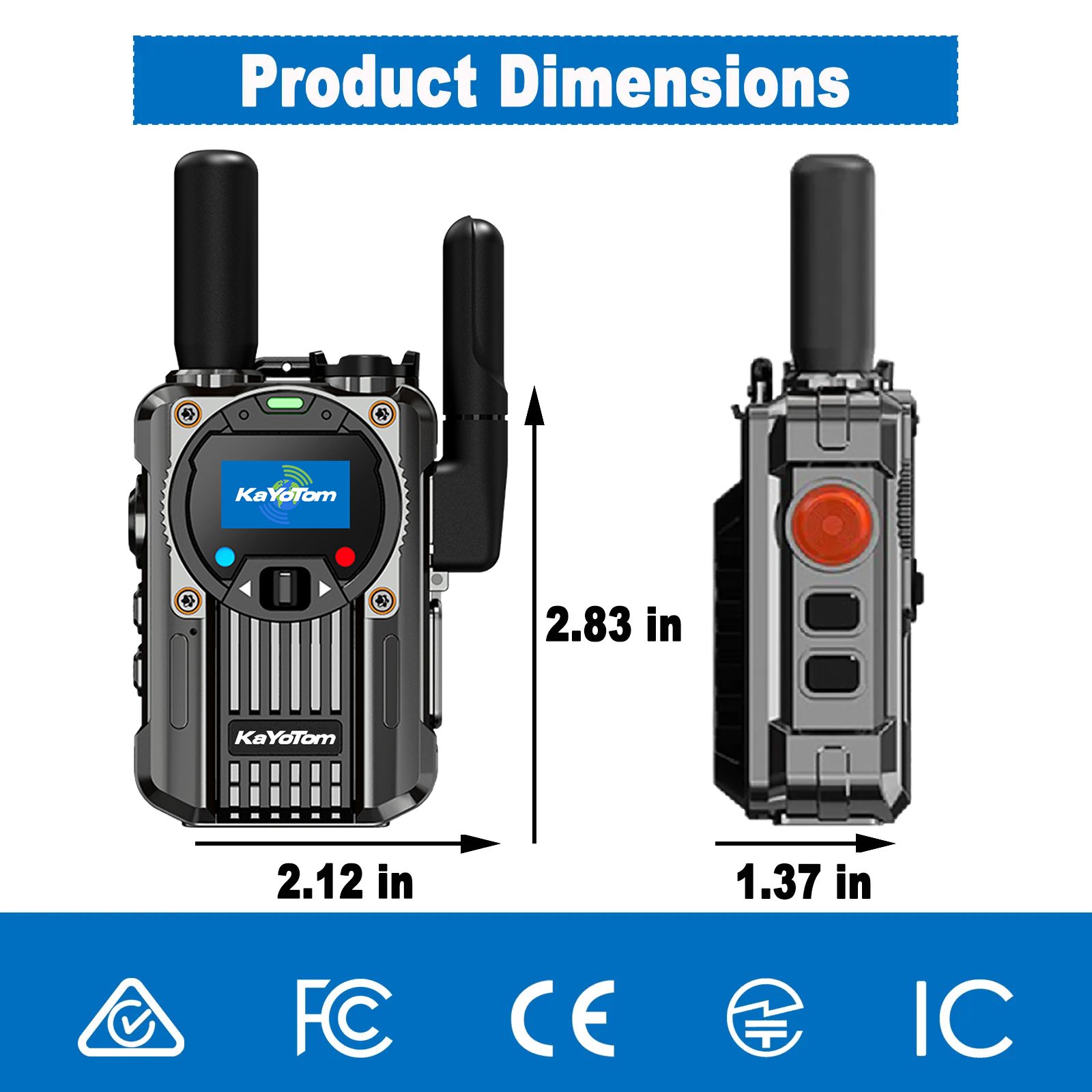
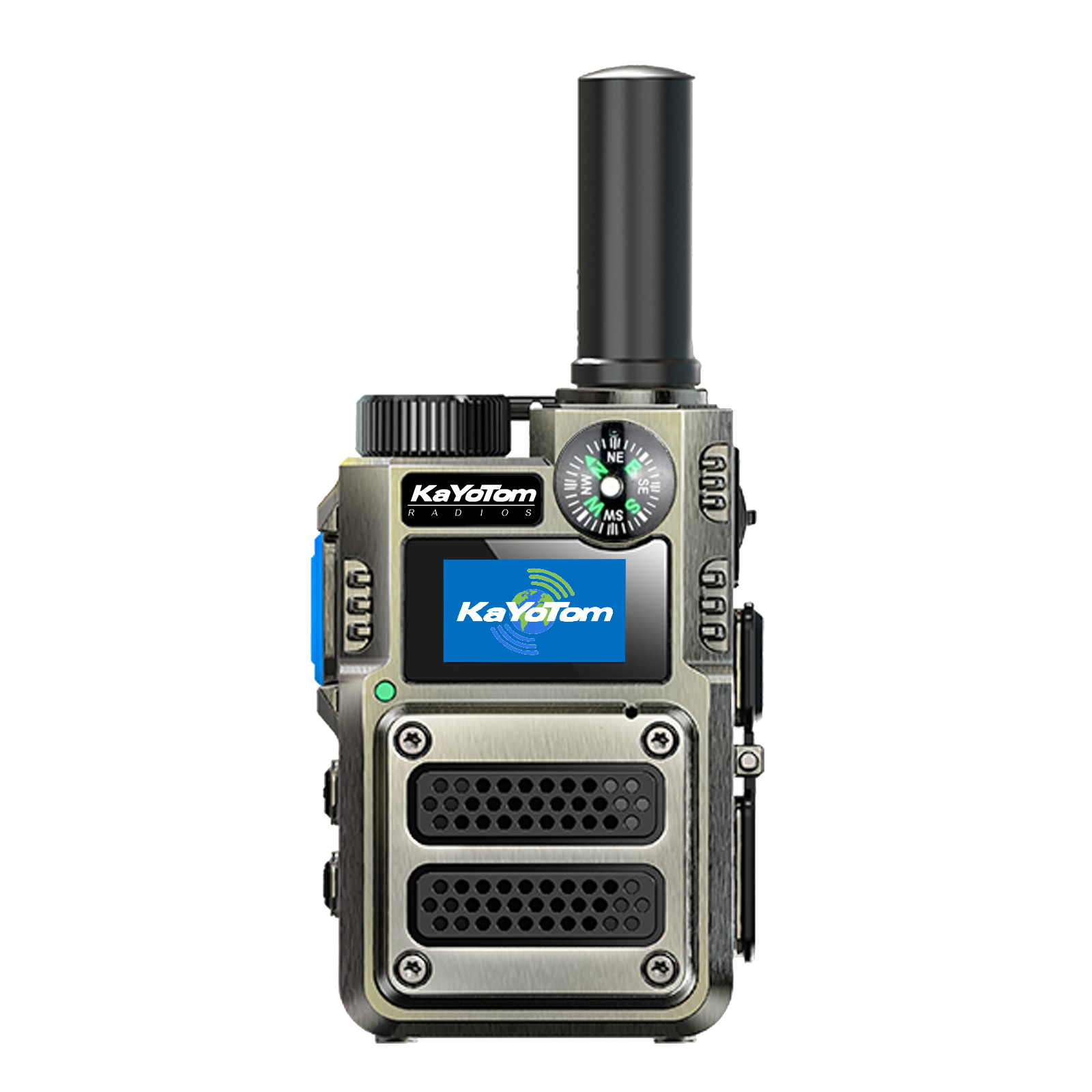
Core Advantages of the KaYoTom M12 in Industry Parks
-
Zero Monthly Fee Model: Lifetime free global connectivity removes recurring SIM/platform subscriptions across enterprise radio fleets.
-
AES-256 Encrypted Security: Protects proprietary manufacturing protocols, executive movements, and security detail communications.
-
Integrated Inspection Tools: Equipped with IR, UV, and high-lumen LED lights for nighttime perimeter patrols and facility leak detection.
Frequently Asked Questions (FAQ)
Q: Can workers inside underground industrial basements communicate with outside guards?
A: Yes. As long as the basement has campus Wi-Fi or cellular coverage, PoC radios like the KaYoTom M12 provide crystal-clear voice transmission without dead zones.
Q: Is the KaYoTom M12 cost-effective for multi-building facility fleets?
A: Yes. The KaYoTom M12 Walkie Talkie features zero monthly subscription fees, significantly reducing long-term Total Cost of Ownership (TCO).