

1. Key Communication Challenges in Off-Road & Overlanding
Off-road convoys operate across unpredictable and isolated environments—from rocky mountain passes to off-grid deserts. Standard radios face several major hurdles:
-
Off-Grid Cellular Dead Zones: Deep wilderness trails and remote deserts lack cell towers, rendering mobile phones and pure cellular radios useless.
-
Convoy Stretches & Terrain Obstructions: During long highway rallies or mountain ridge trail rides, lead and sweep vehicles can be separated by tens of miles, exceeding standard RF limits.
-
Lack of Vehicle Trajectory Visibility: When a vehicle gets stuck or takes a wrong turn at an unmarked trail junction, team members struggle to pinpoint precise spatial coordinates for recovery.
-
Extreme Environmental Wear & Dust Invasion: Fine sand, deep water crossings, heavy vibrations, and accidental drops quickly ruin standard commercial communications gear.
2. Core Technology: How Cellular PTT and Dual-Mode Power Off-Road Fleets
To meet the high-mobility demands of overlanding and trail riding, modern dual-mode radio architectures redefine wide-area tactical communication:
-
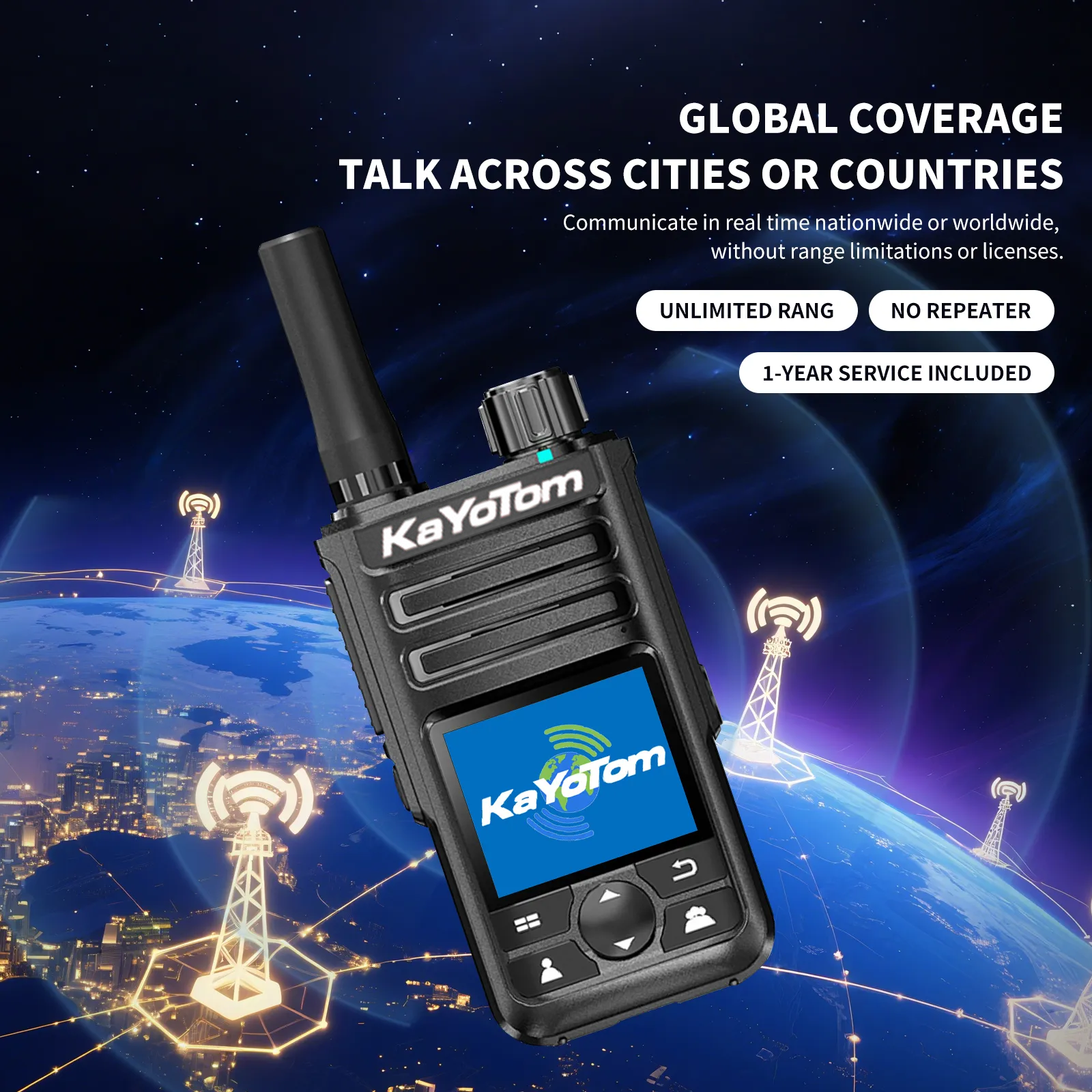
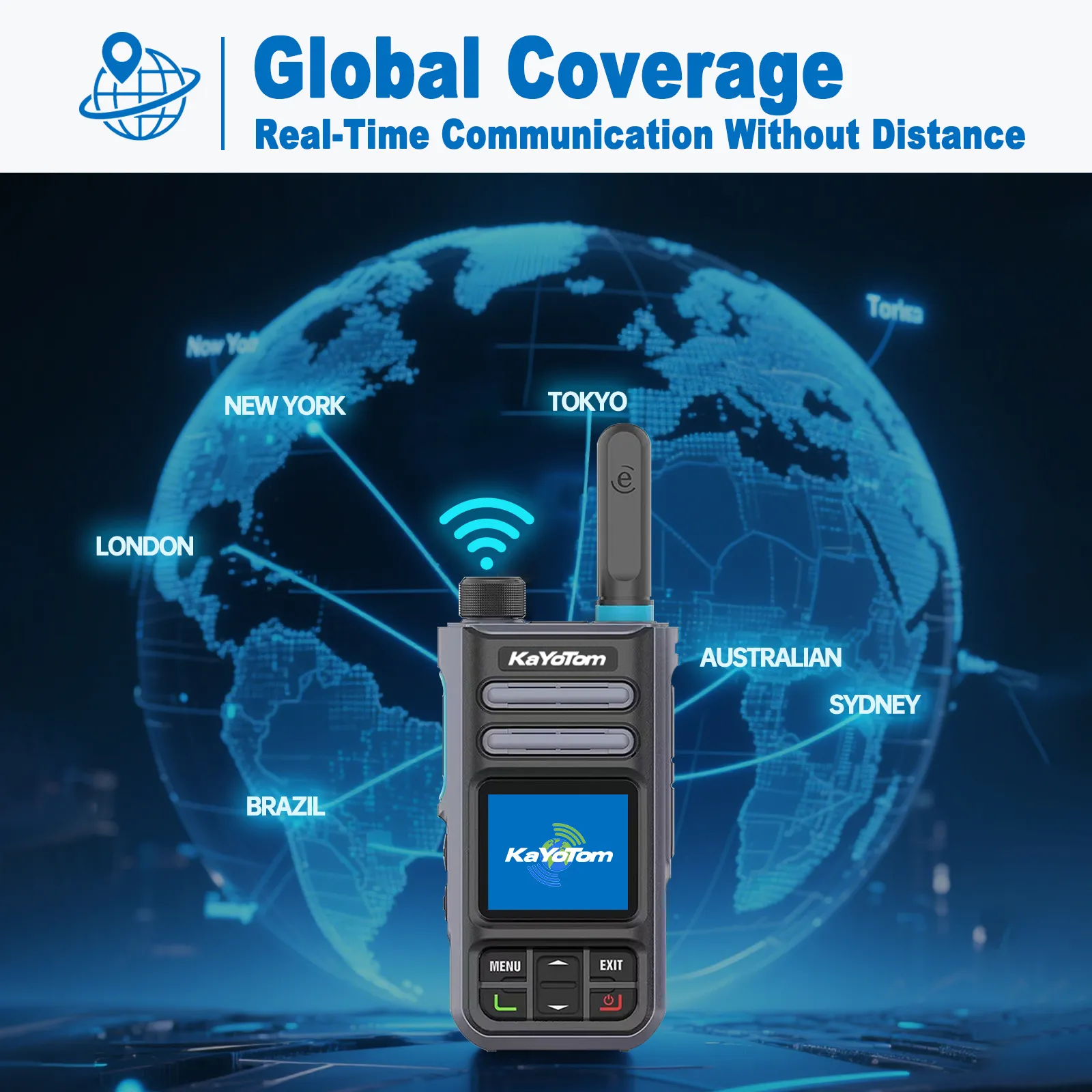
PoC Wide-Area Cellular Coverage: Leveraging nationwide 4G/5G carrier networks, convoy leaders can execute instant group broadcasts or individual calls to members across highways or different states.
-
Seamless Dual-Mode Failover: Uses cellular PTT for long-range comms, then automatically fails over to direct UHF/VHF frequencies when driving into off-grid wilderness or deep canyons for zero downtime.
-
Real-Time GPS Tracking: Integrates spatial telemetry into management platforms, enabling trip organizers to review live vehicle locations, verify trail progress, and ensure convoy safety.
3. Off-Road Radio Evaluation: Kayotom D10 Field Advantages
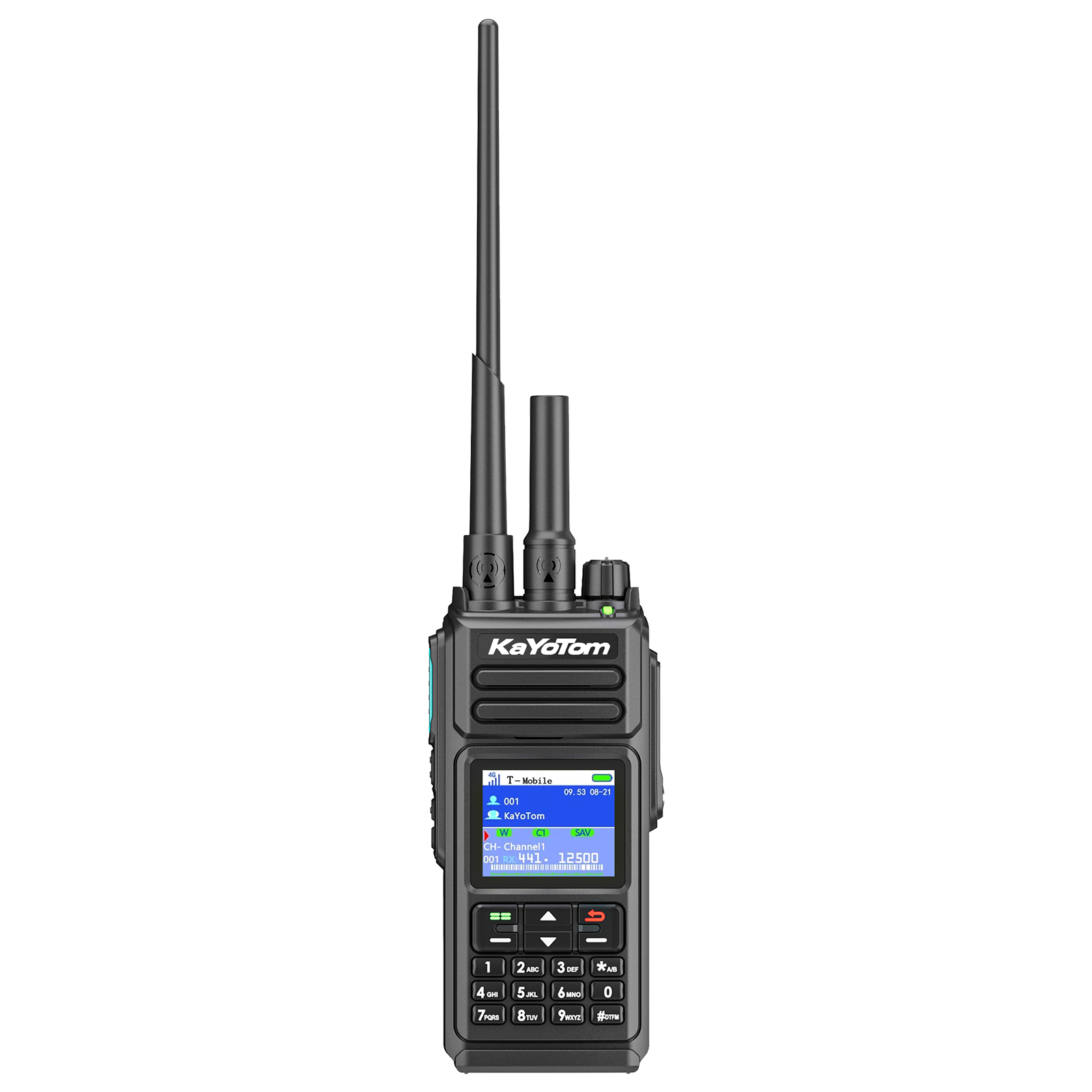
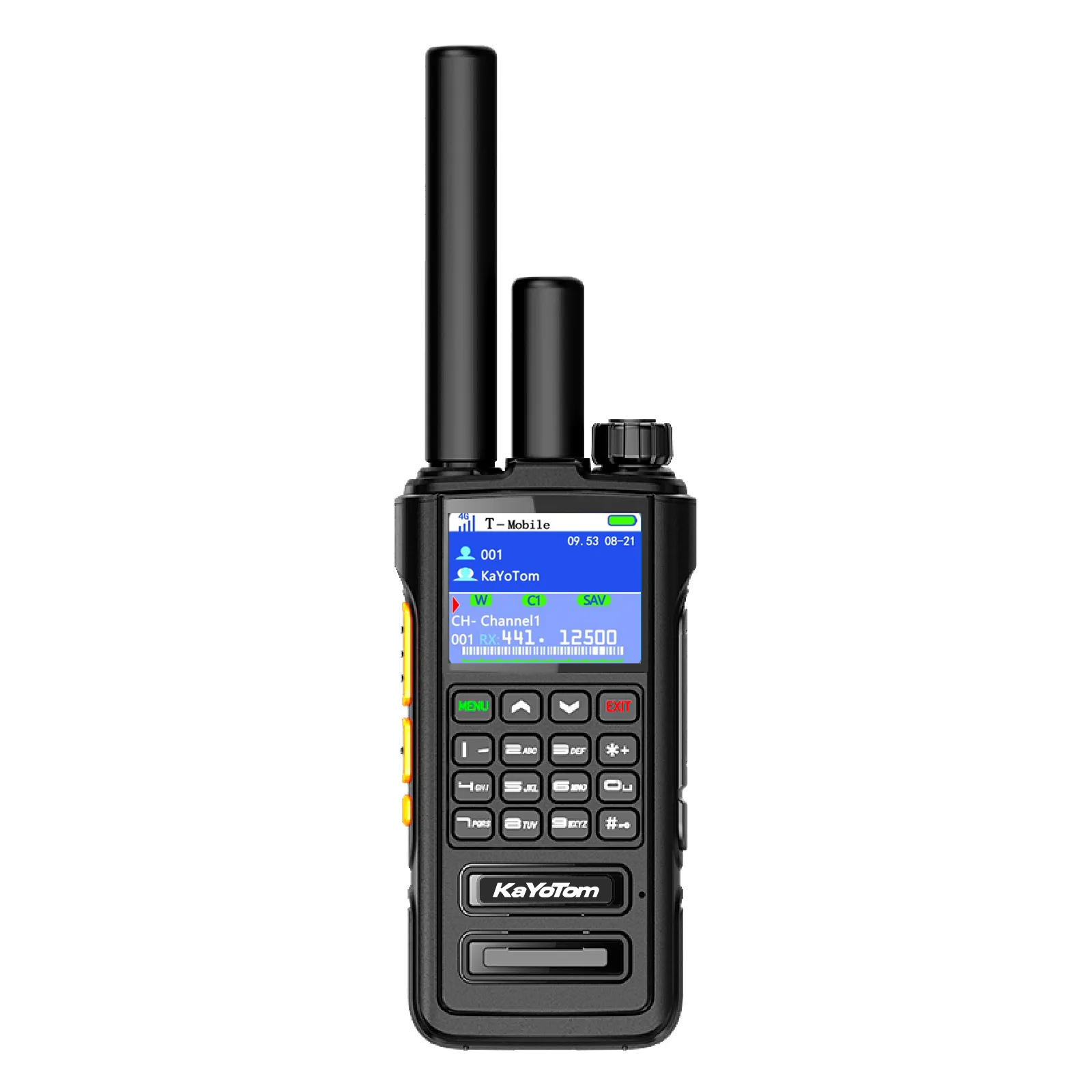
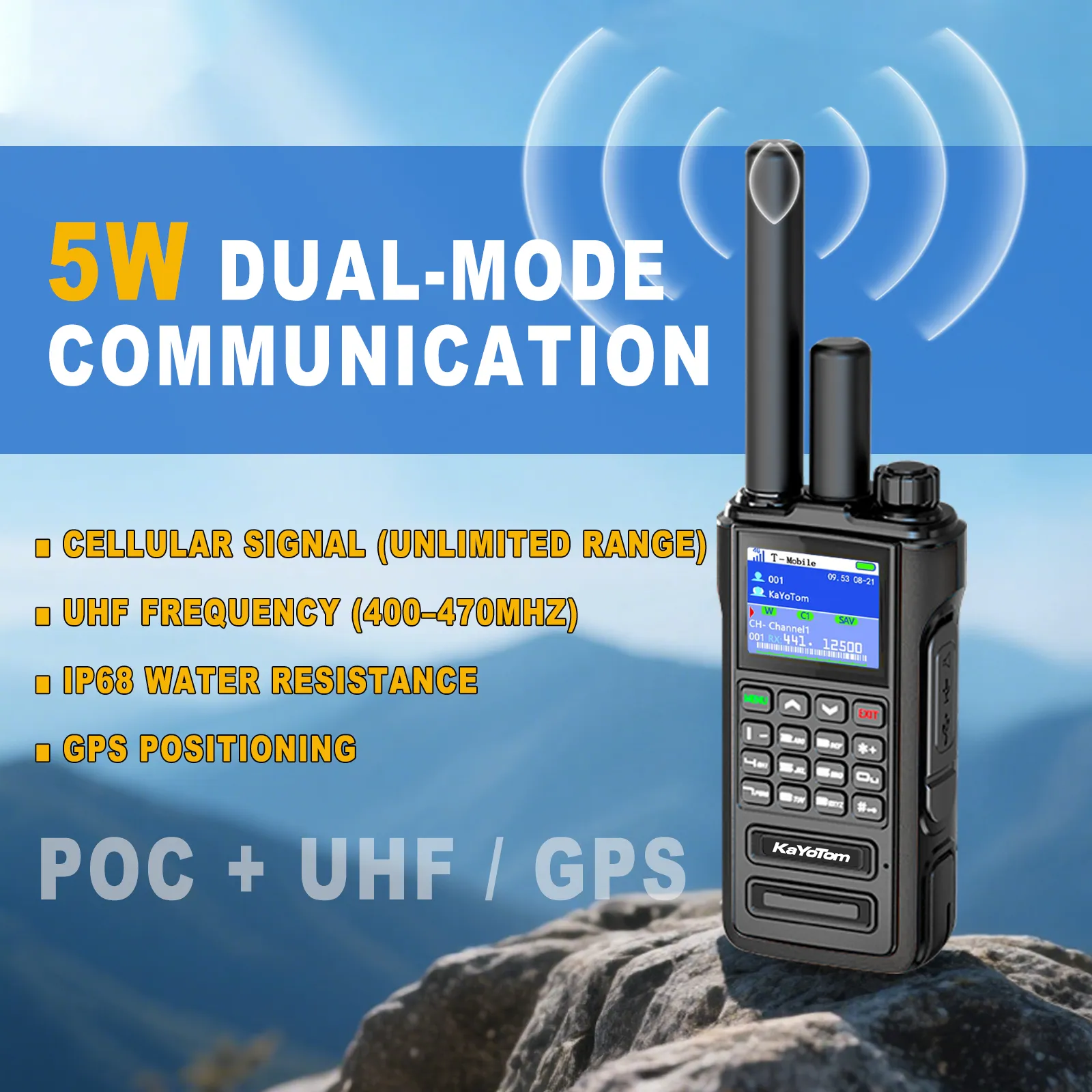
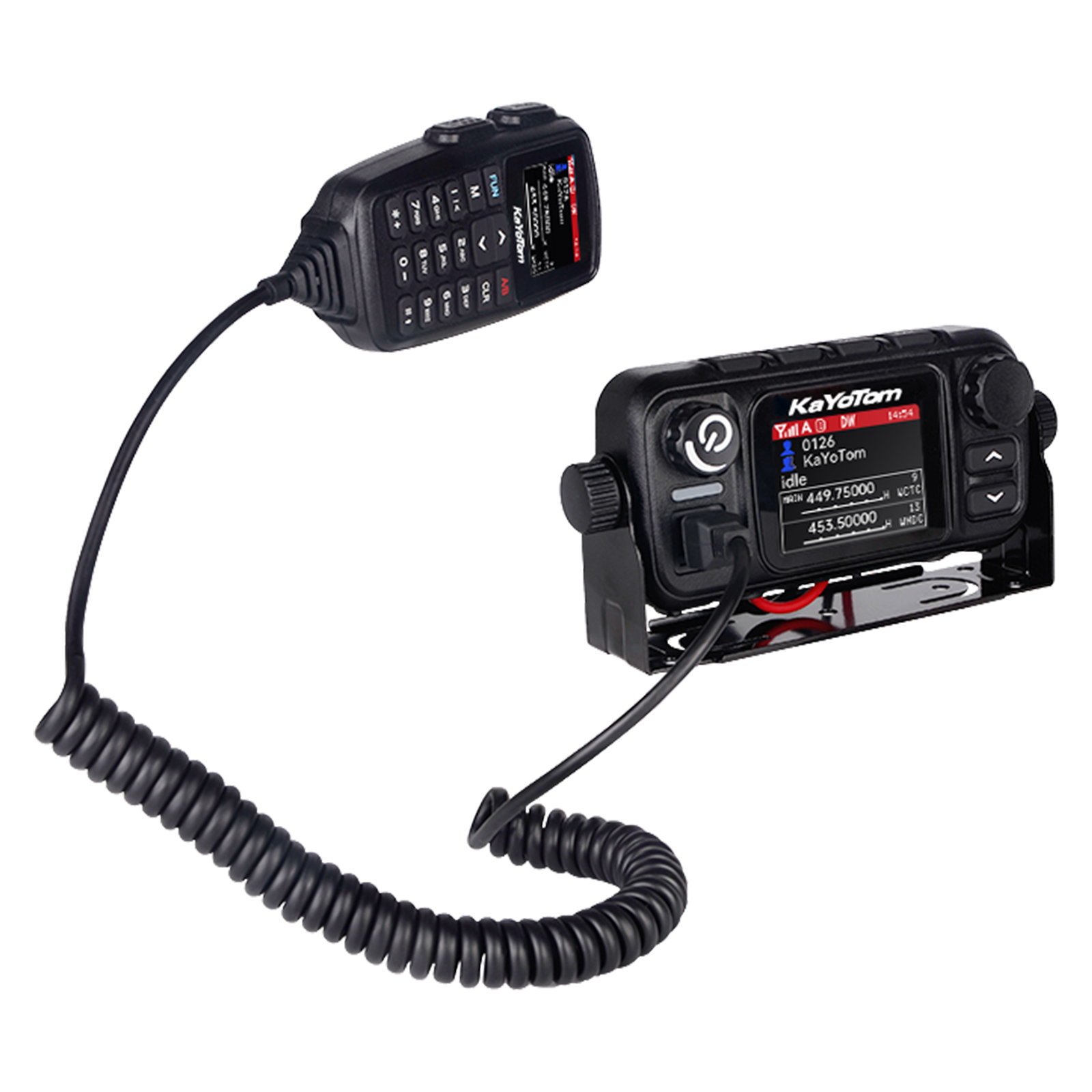
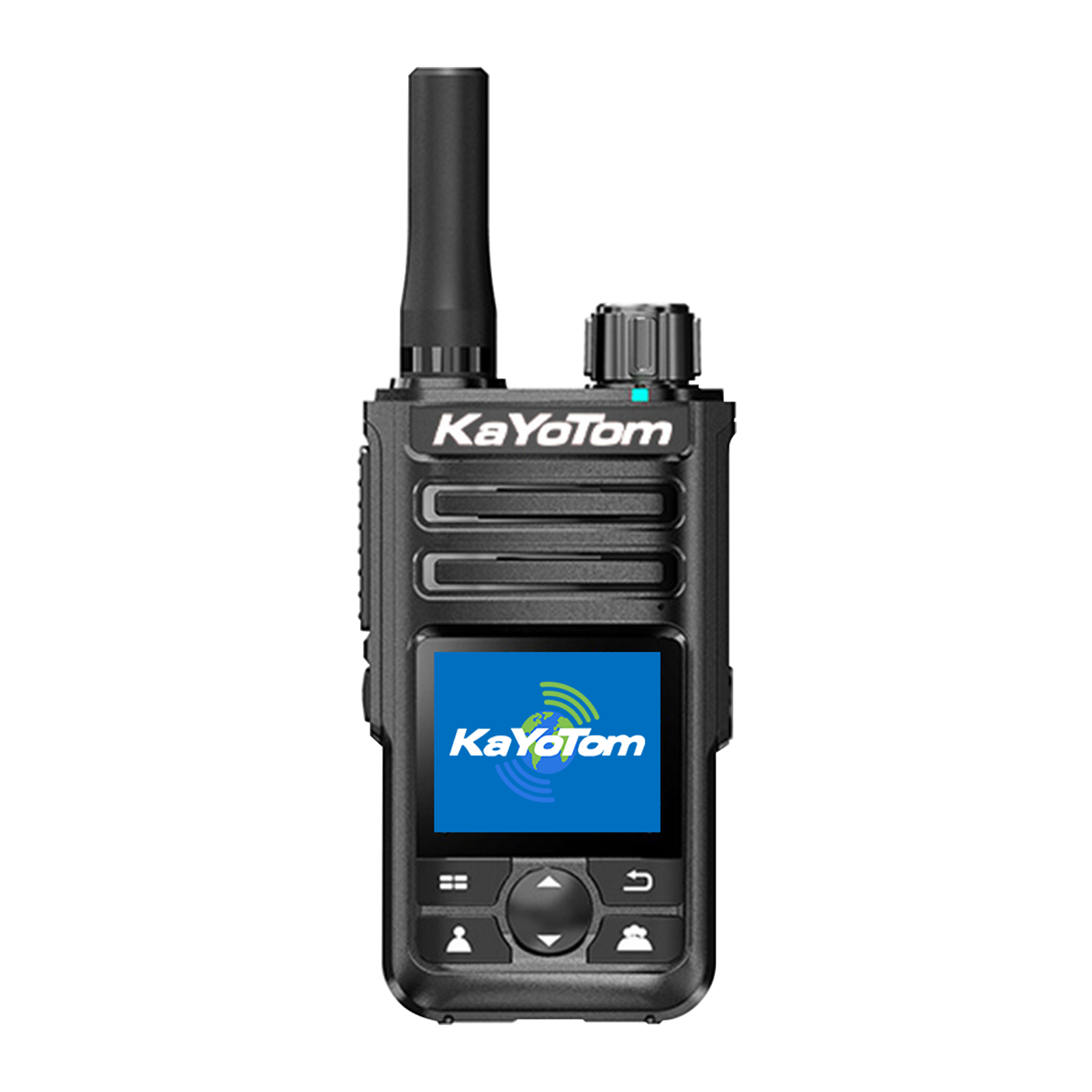
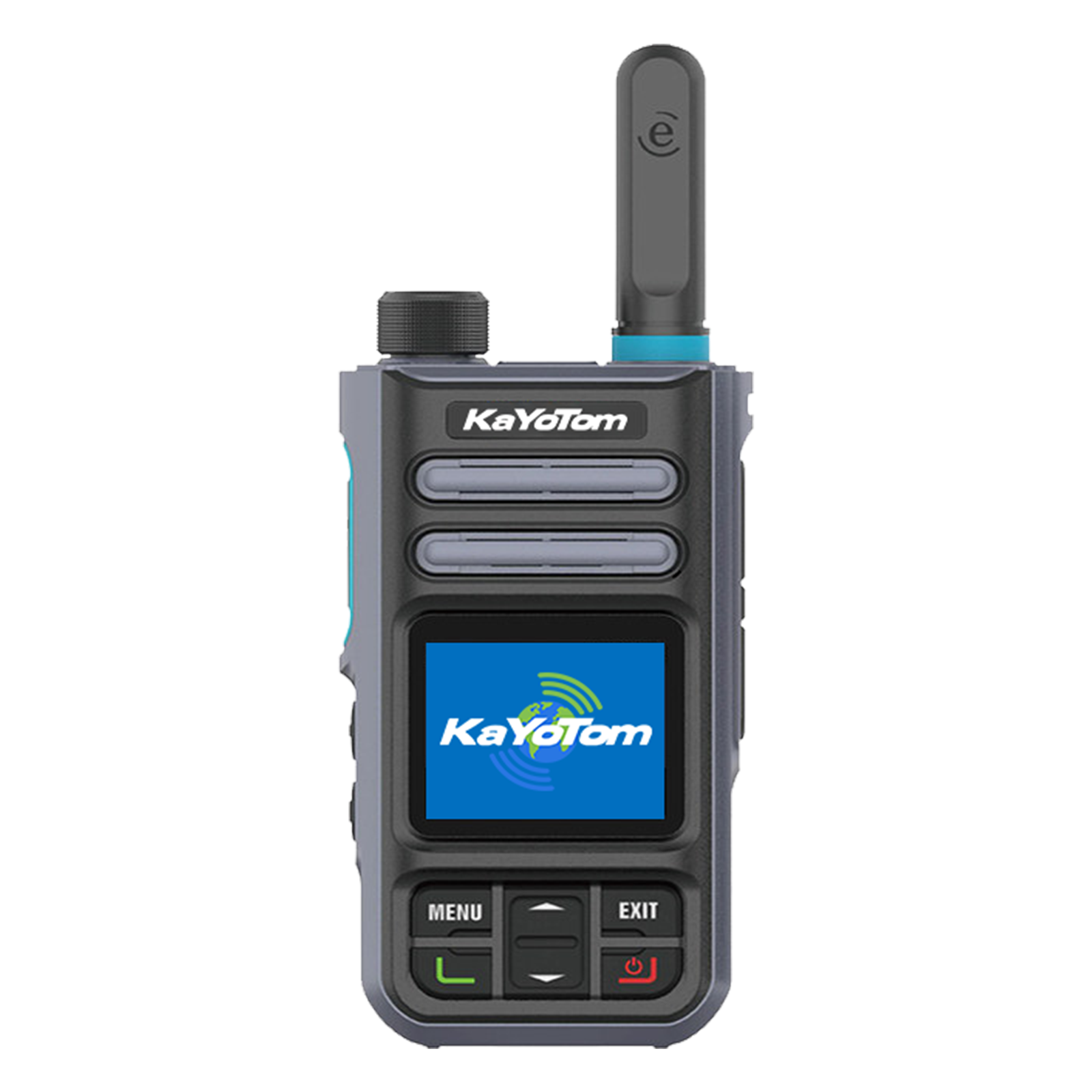
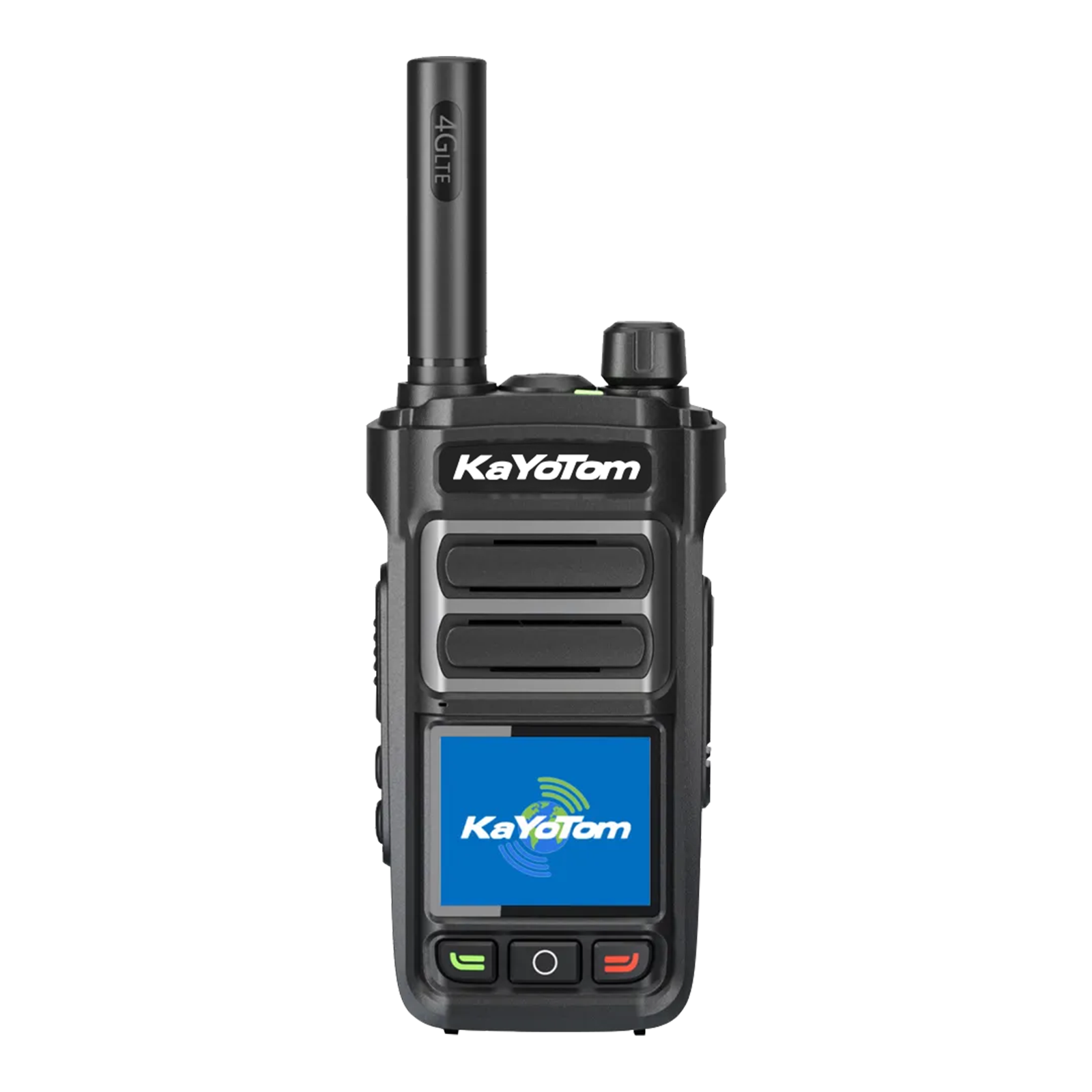
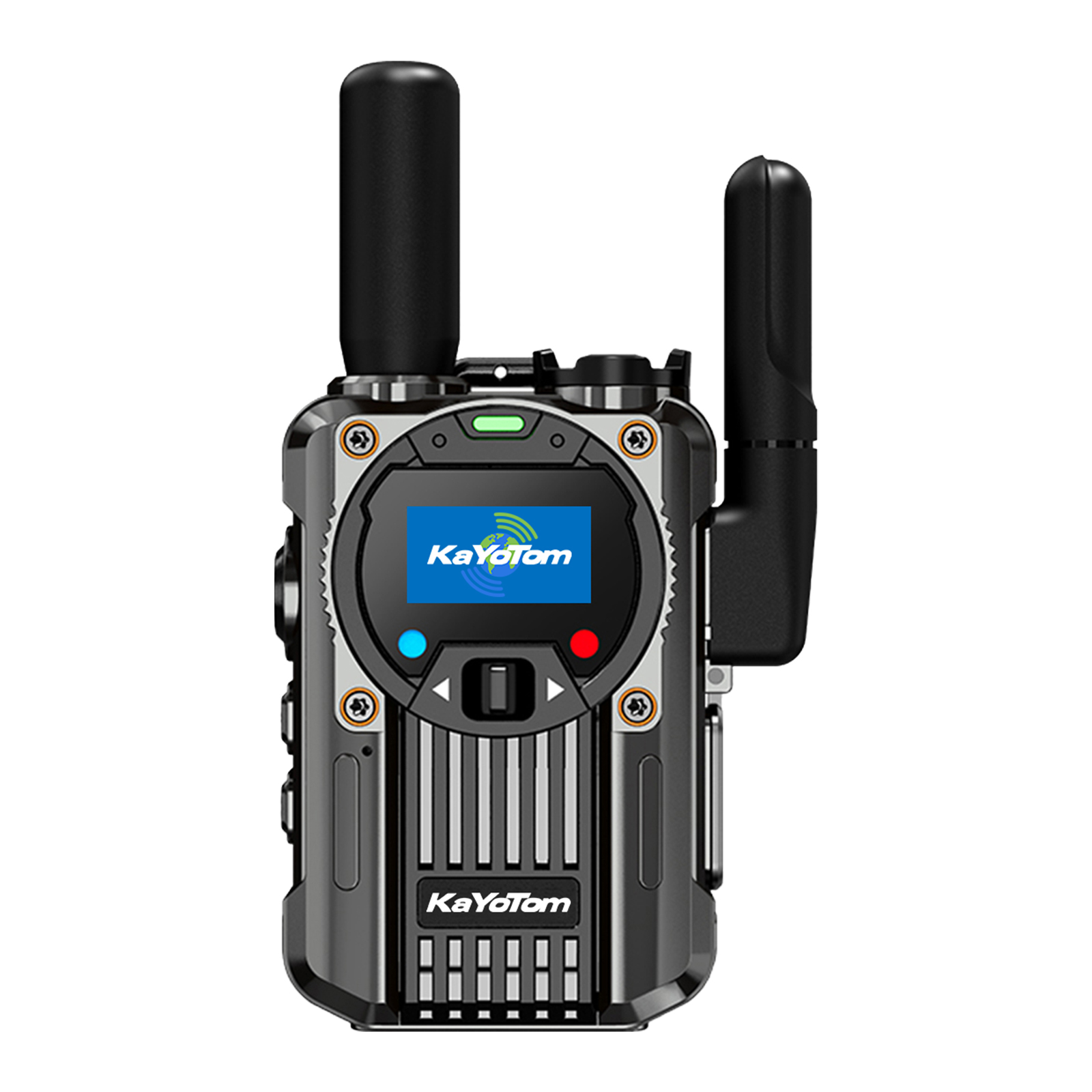
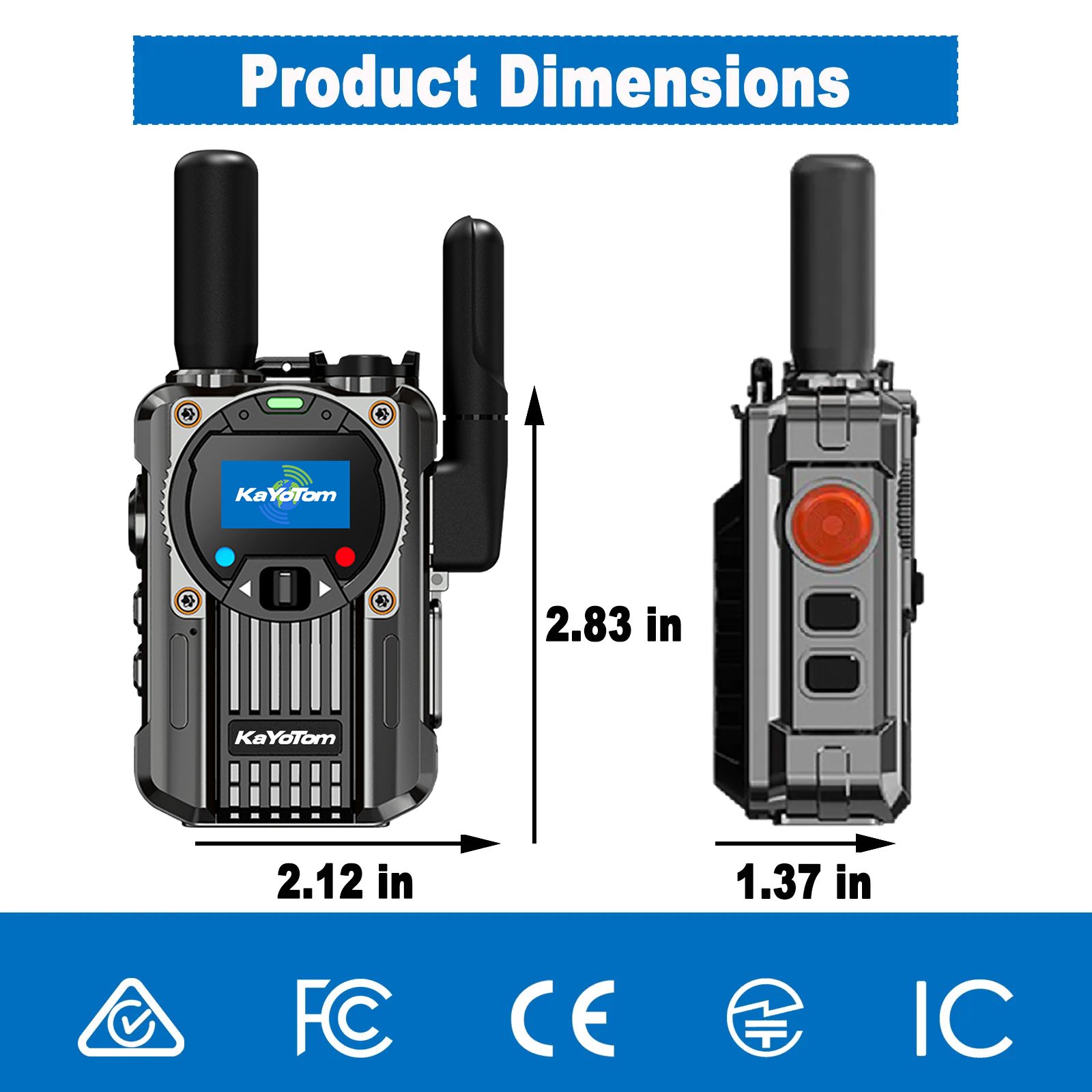
Engineered for extreme wilderness environments and high-intensity trail expeditions, the Kayotom D10 dual-mode radio delivers key field advantages:
| Feature Dimension | Kayotom D10 Specification | Tactical Value in Off-Road & Overlanding |
| Communication Modes | 4G LTE Cellular PTT + UHF/VHF Dual Mode | Bridges long-distance highway rallies with off-grid trails; automatically fails over to direct RF when cell service drops |
| Ruggedness | IP68 Dust & Water Resistance | Built to withstand desert dust, mud immersion, torrential rain, and heavy drops on rocky trails |
| Location Tracking | Real-Time Global GPS Tracking | Provides convoy leaders with live spatial telemetry to locate stuck or separated vehicles quickly |
| Grouping & Cost | Multi-Channel Grouping + Lifetime Free Data | Supports segregated channels for lead, sweep, and recovery crews, with zero recurring annual cellular renewal fees |
4. Frequently Asked Questions (FAQ)
Q1: How does the Kayotom D10 maintain contact when off-roading in remote zones without cell coverage?
Answer: The Kayotom D10 features built-in UHF/VHF direct radio hardware. When convoys enter remote deserts, mountains, or off-grid trails without cellular infrastructure, units instantly switch to direct radio mode to maintain point-to-point communication among nearby vehicles.
Q2: How can convoy leaders track team members across long off-road trails in real time?
Answer: The device incorporates a global GPS module. Convoy leaders and sweep teams can monitor real-time spatial coordinates and movement trajectories of trail vehicles on a digital map, preventing participants from getting lost at unmarked trail forks.
Q3: How are cellular data fees handled for off-road enthusiasts using PoC radios?
Answer: The Kayotom D10 includes lifetime free cellular PTT data. Drivers and overlanding clubs do not need to pay recurring annual SIM subscription renewals, ensuring cost-free communication during weekend trail rides and long-duration cross-country expeditions.