

1. Primary Communication Challenges in Logistics & Transport Fleets
Transportation fleets operating over long distances—from freight corridors to sprawling logistics parks—frequently encounter major communication barriers:
-
Cross-Regional Range Disruption: Standard RF radios cap out at a few miles, preventing central dispatchers from instantly communicating with drivers across state or city lines.
-
Lack of Location Visibility: Fleet managers struggle to monitor real-time vehicle positions without unified tracking, leading to delayed dispatching and inefficient drop-off scheduling.
-
Environmental Stress & Signal Dead Zones: Deep loading docks, underground distribution hubs, and mountainous transit corridors often suffer from cellular blackouts.
2. Core Technology: How Cellular PTT and Dual-Mode Power Fleet Dispatch
To support high-mobility transport networks, advanced dual-mode radio architectures redefine wide-area fleet management:
-
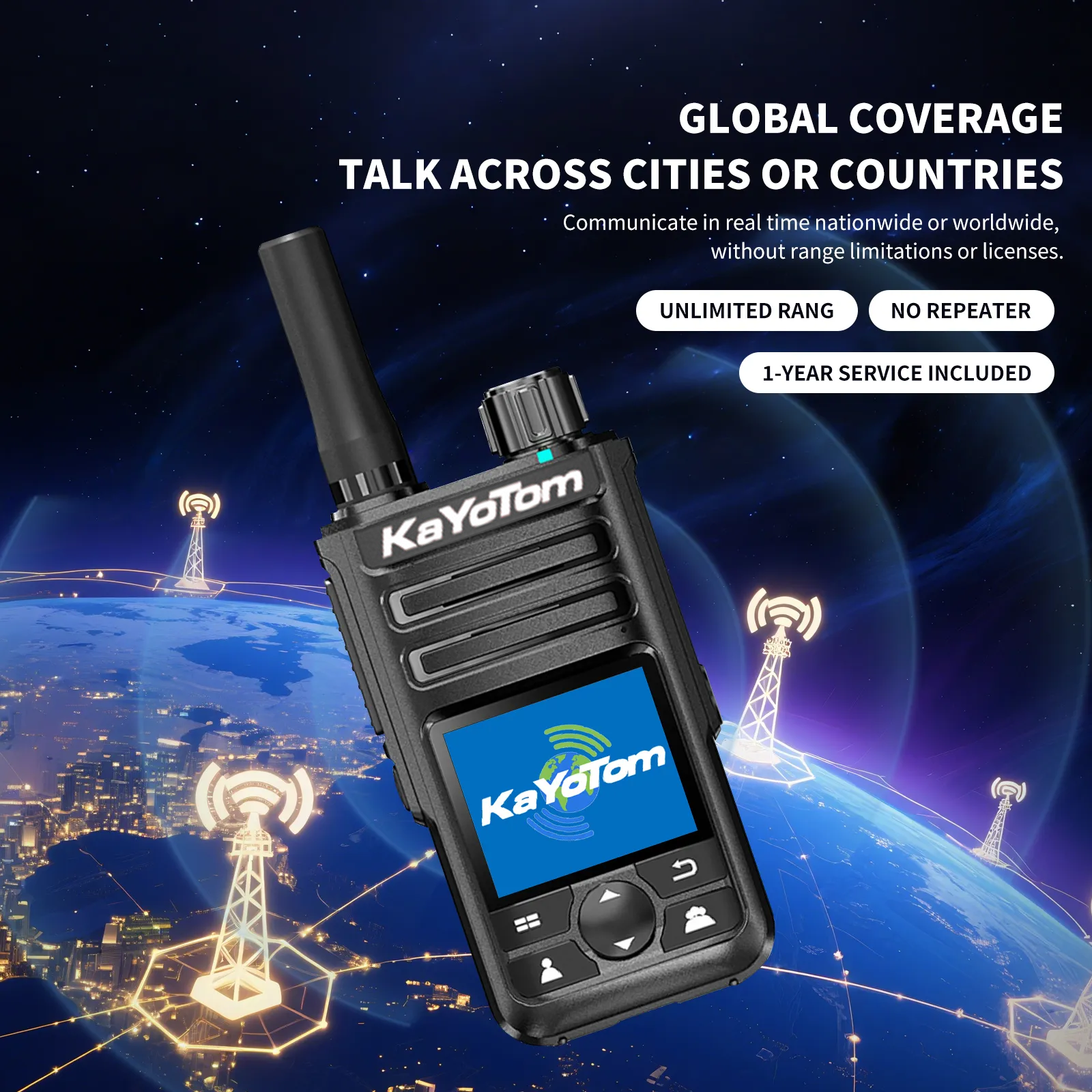
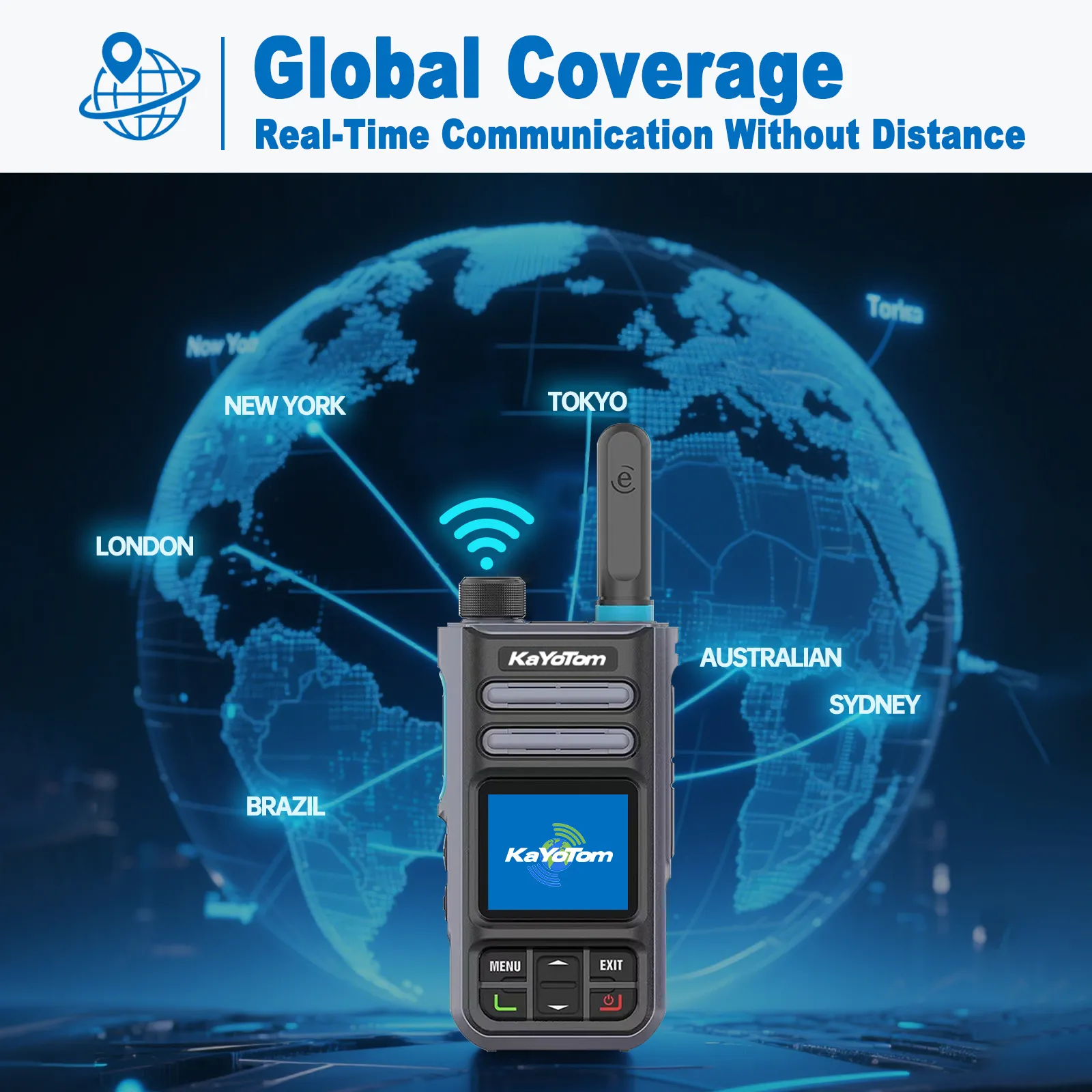
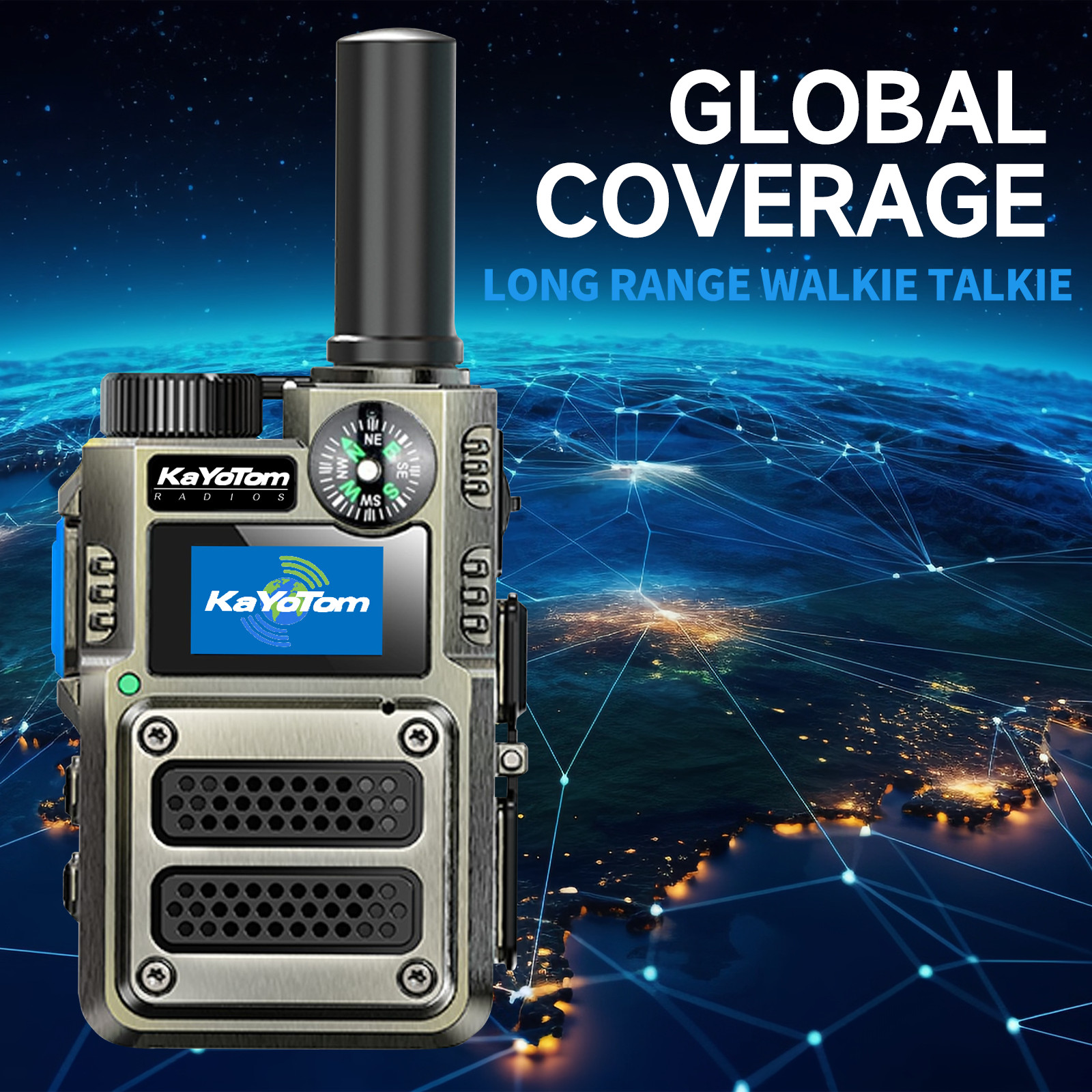
PoC Wide-Area Cellular Coverage: Leveraging nationwide 4G/5G mobile carrier networks, dispatch centers can execute instant group broadcasts or individual calls to drivers anywhere in the country.
-
Seamless Dual-Mode Failover: Uses cellular PTT for primary long-haul communication, then automatically fails over to direct UHF/VHF frequencies in off-grid mountain passes or shielded loading bays.
-
Real-Time GPS Tracking: Integrates spatial telemetry into dispatch platforms, enabling fleet managers to review live driver locations, optimize delivery routes, and accurately estimate arrival times.
3. Logistics Radio Evaluation: Kayotom D10 Field Advantages
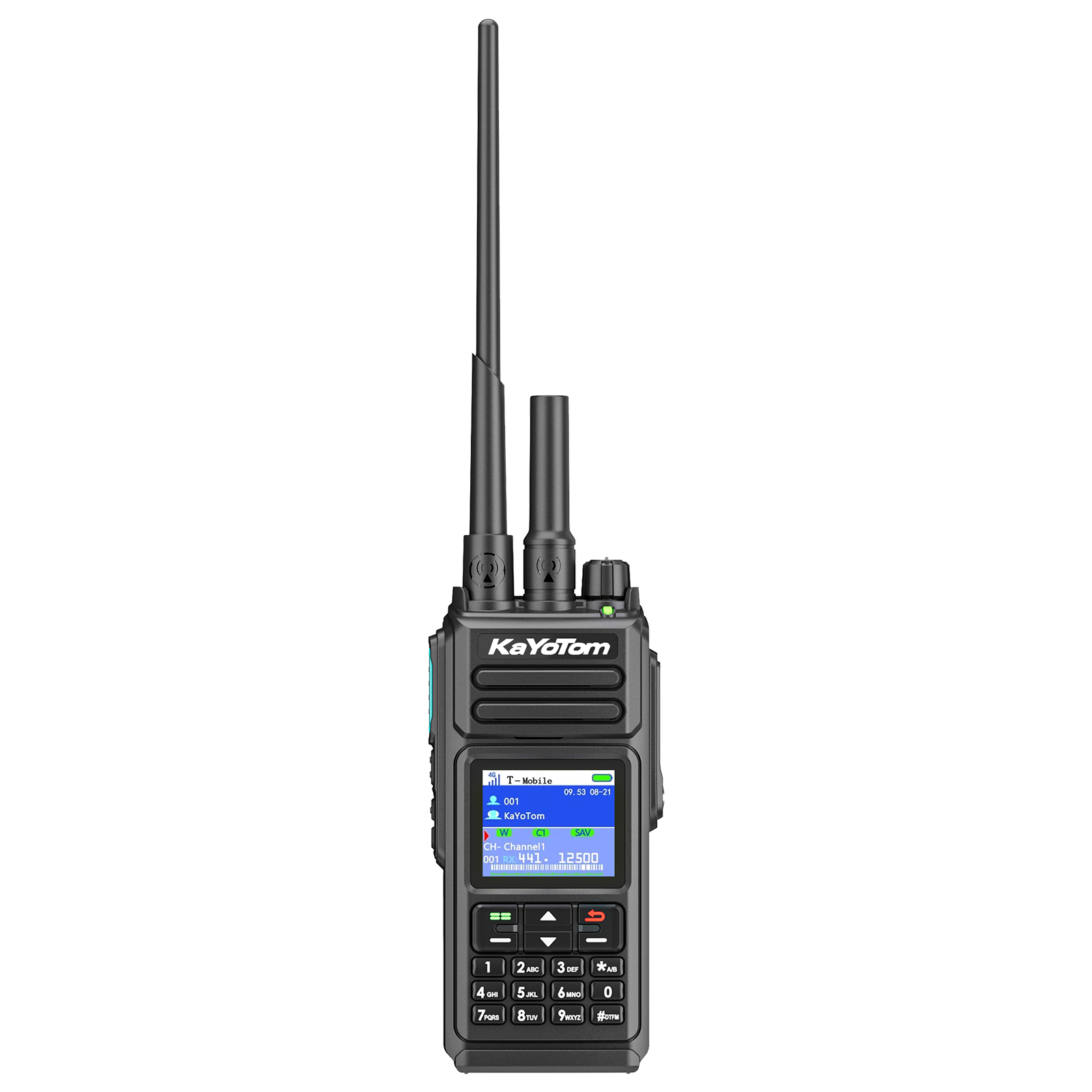
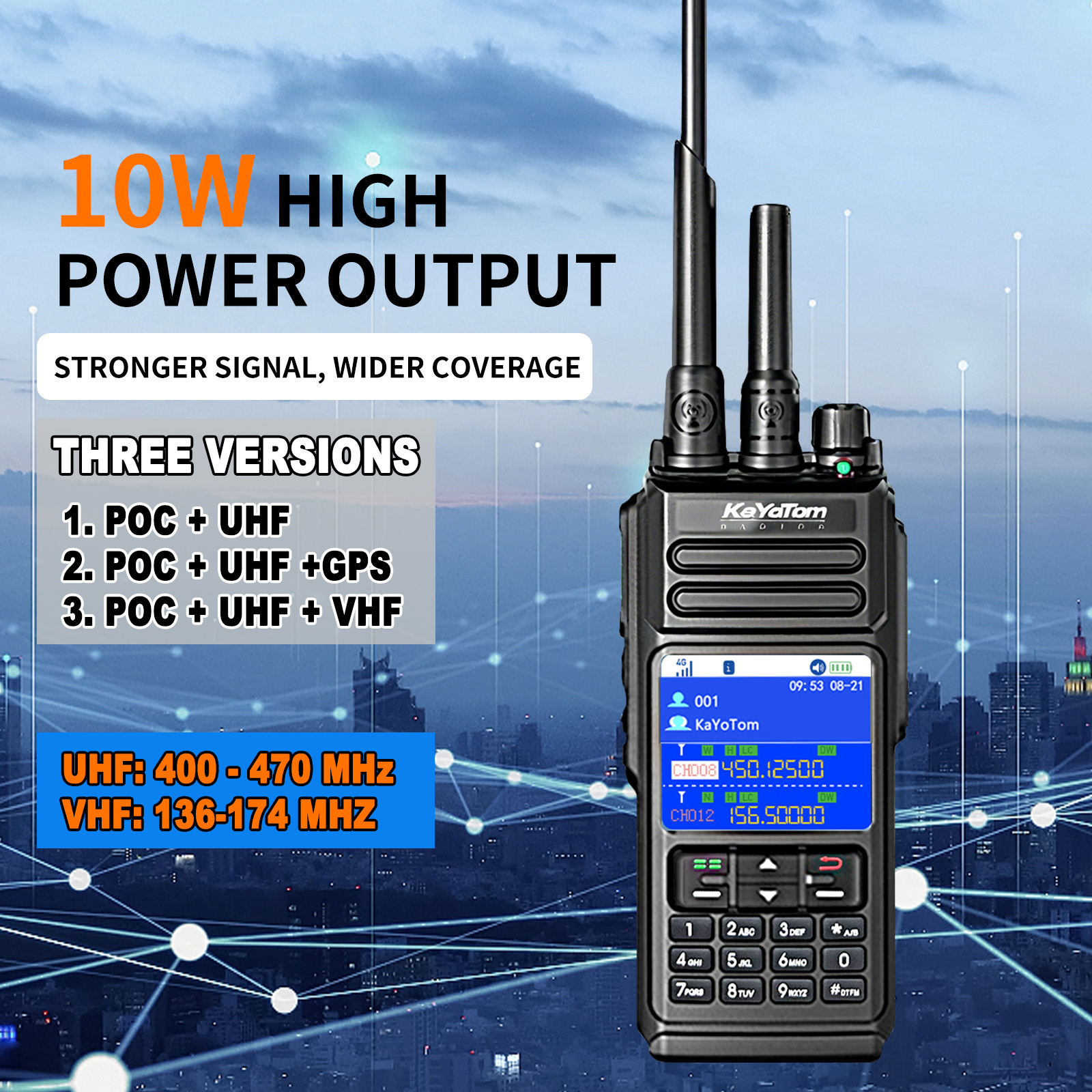
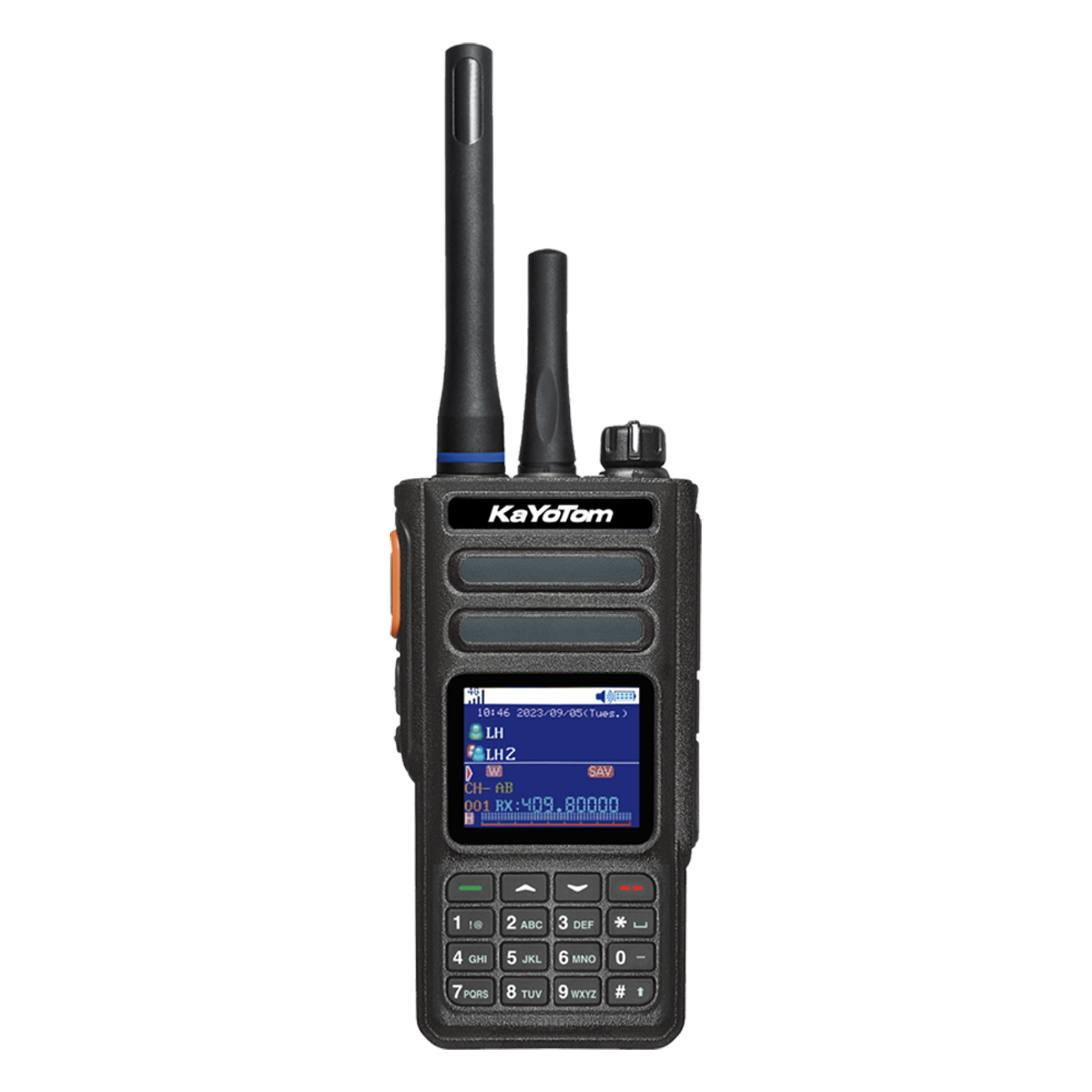
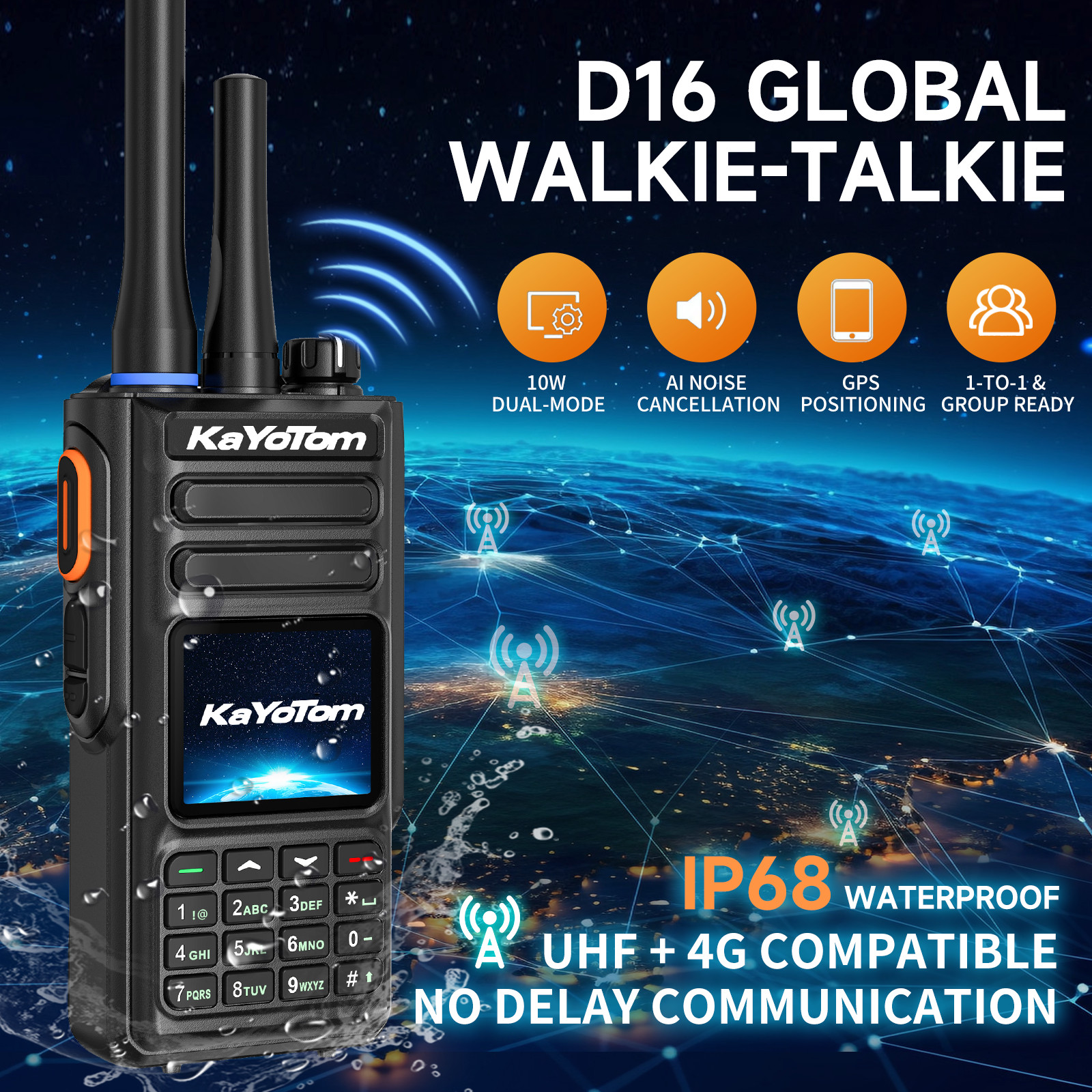
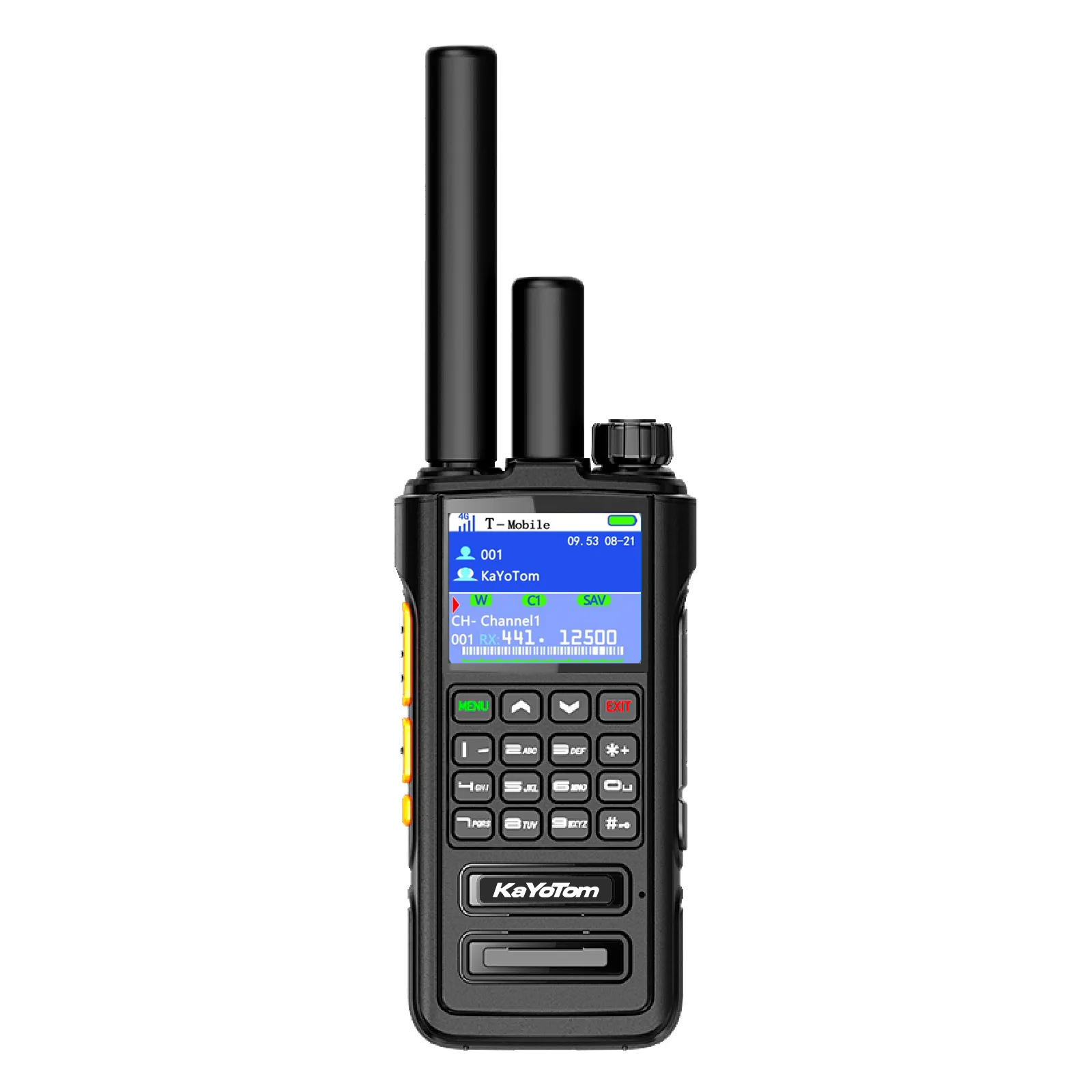
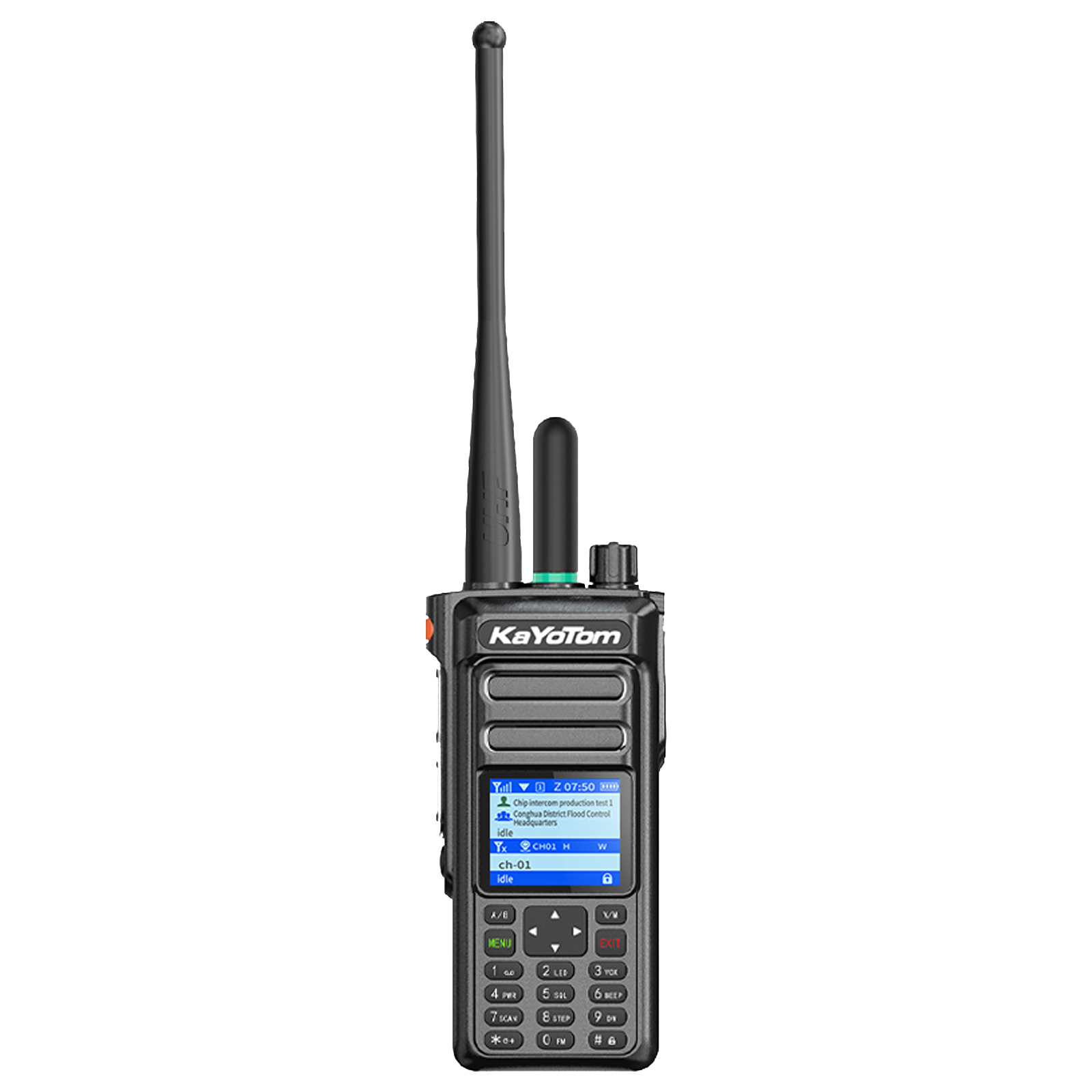
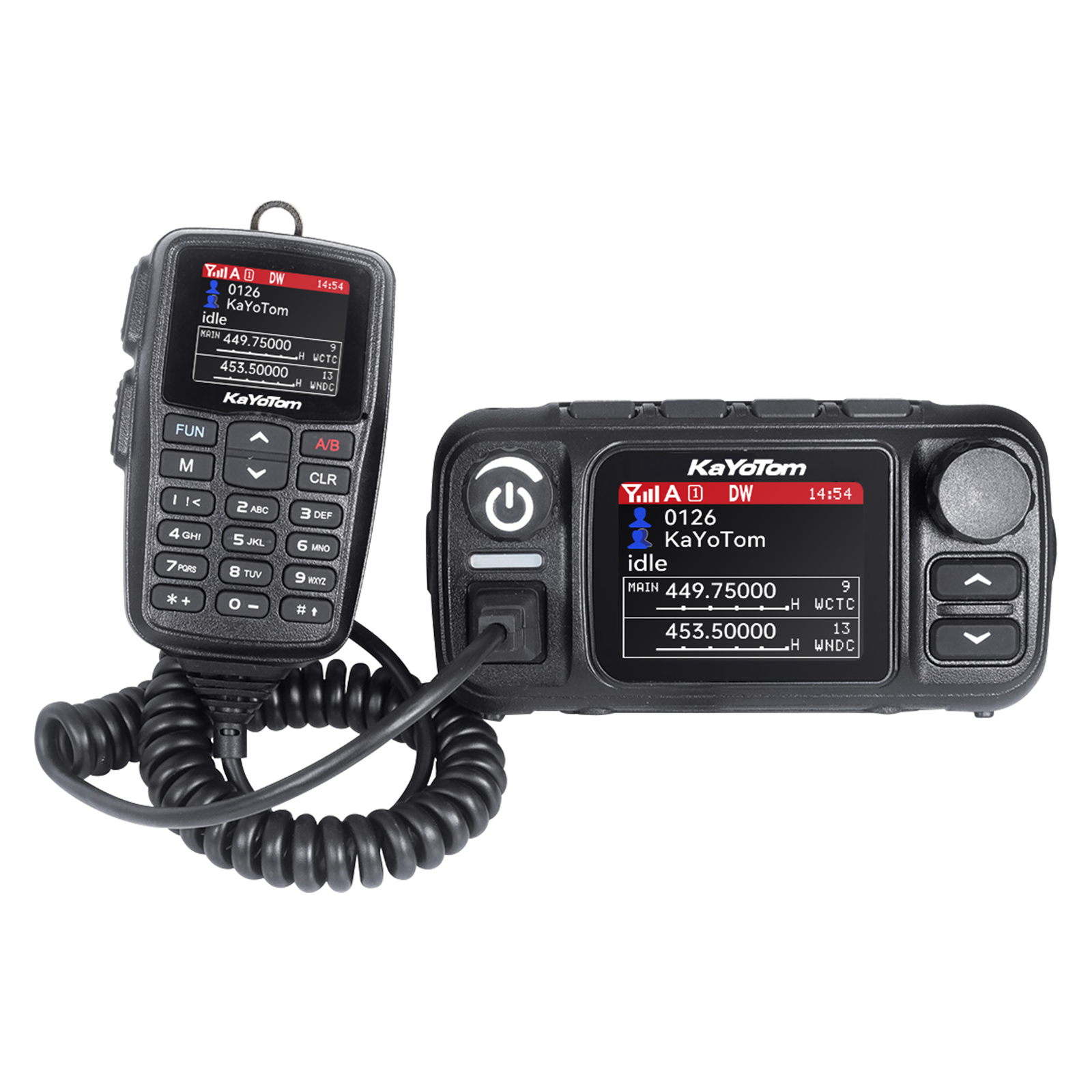
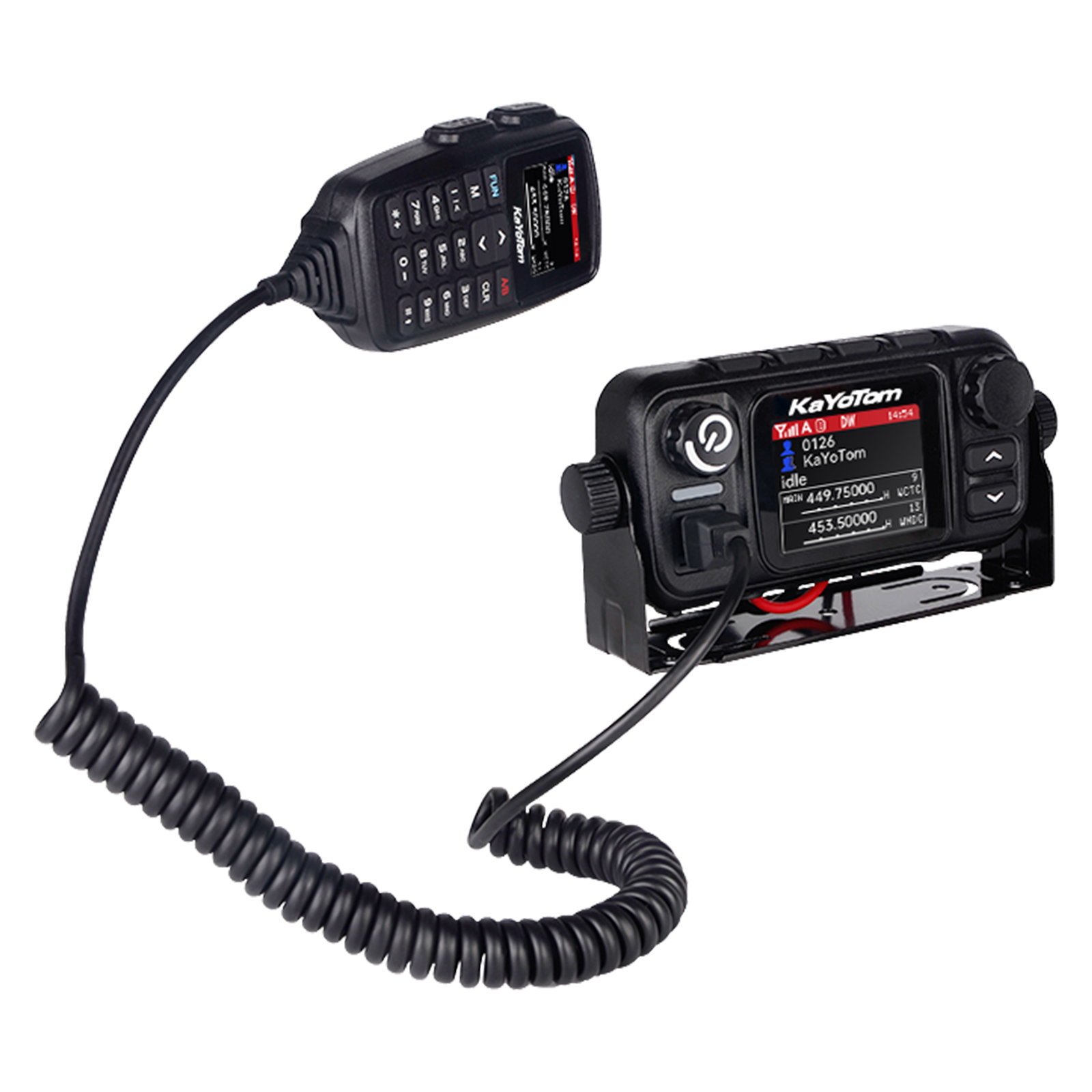
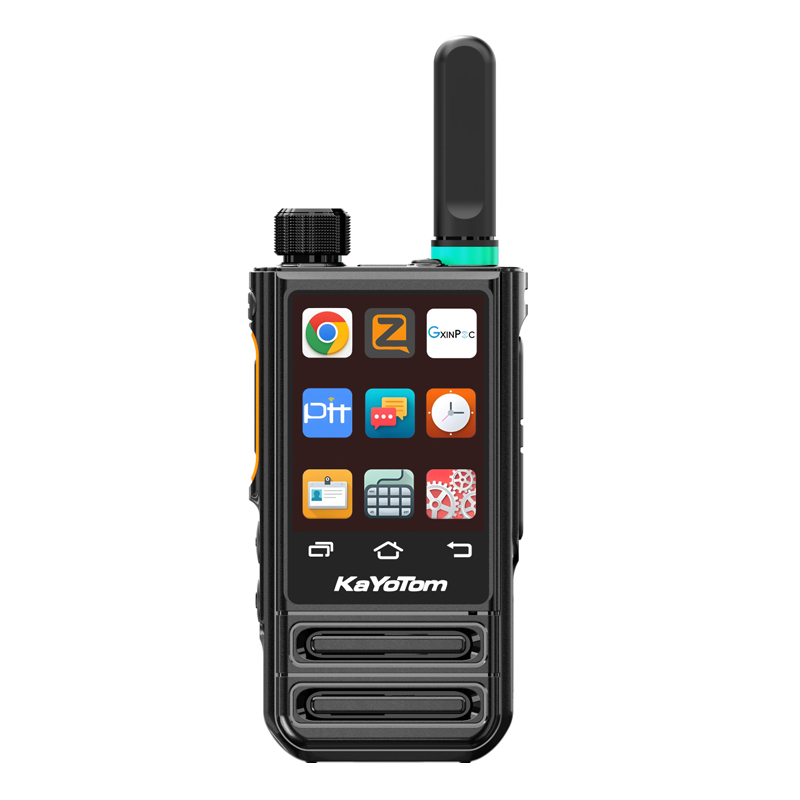
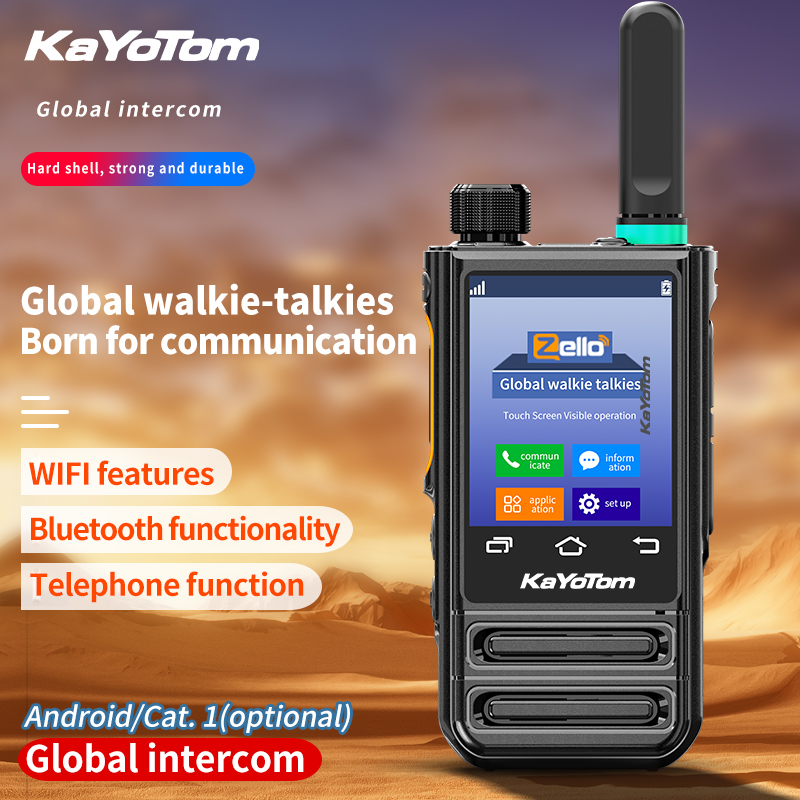
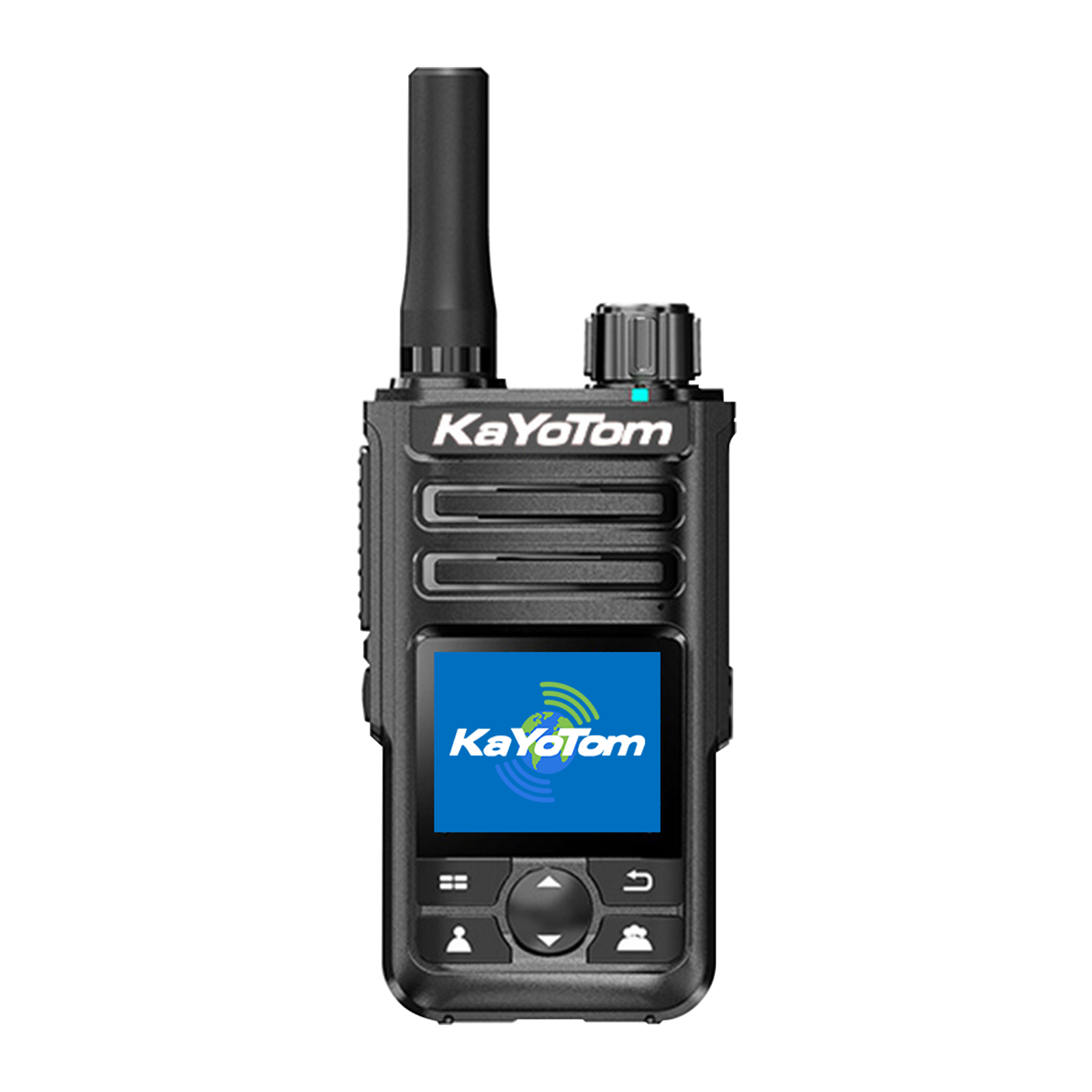
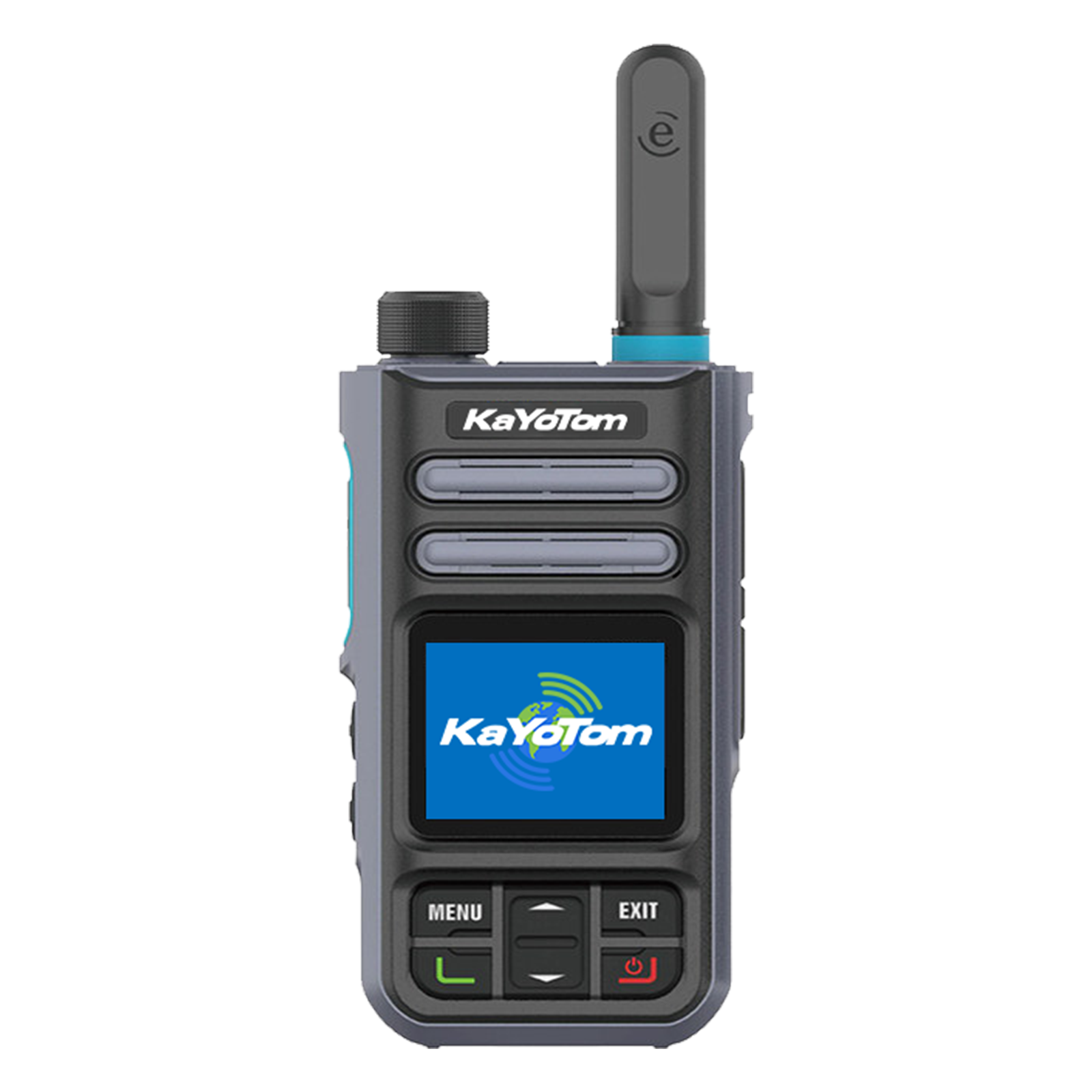
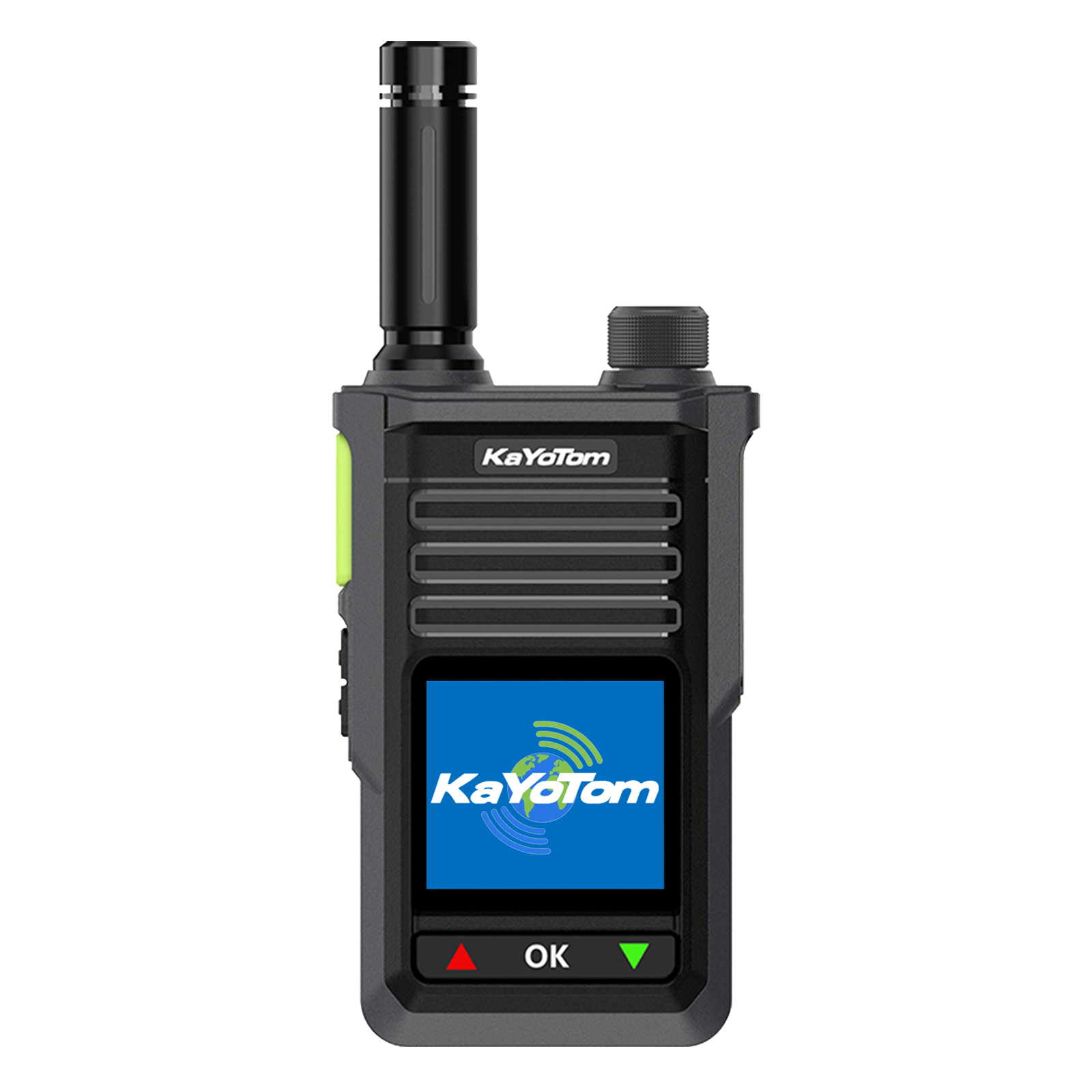
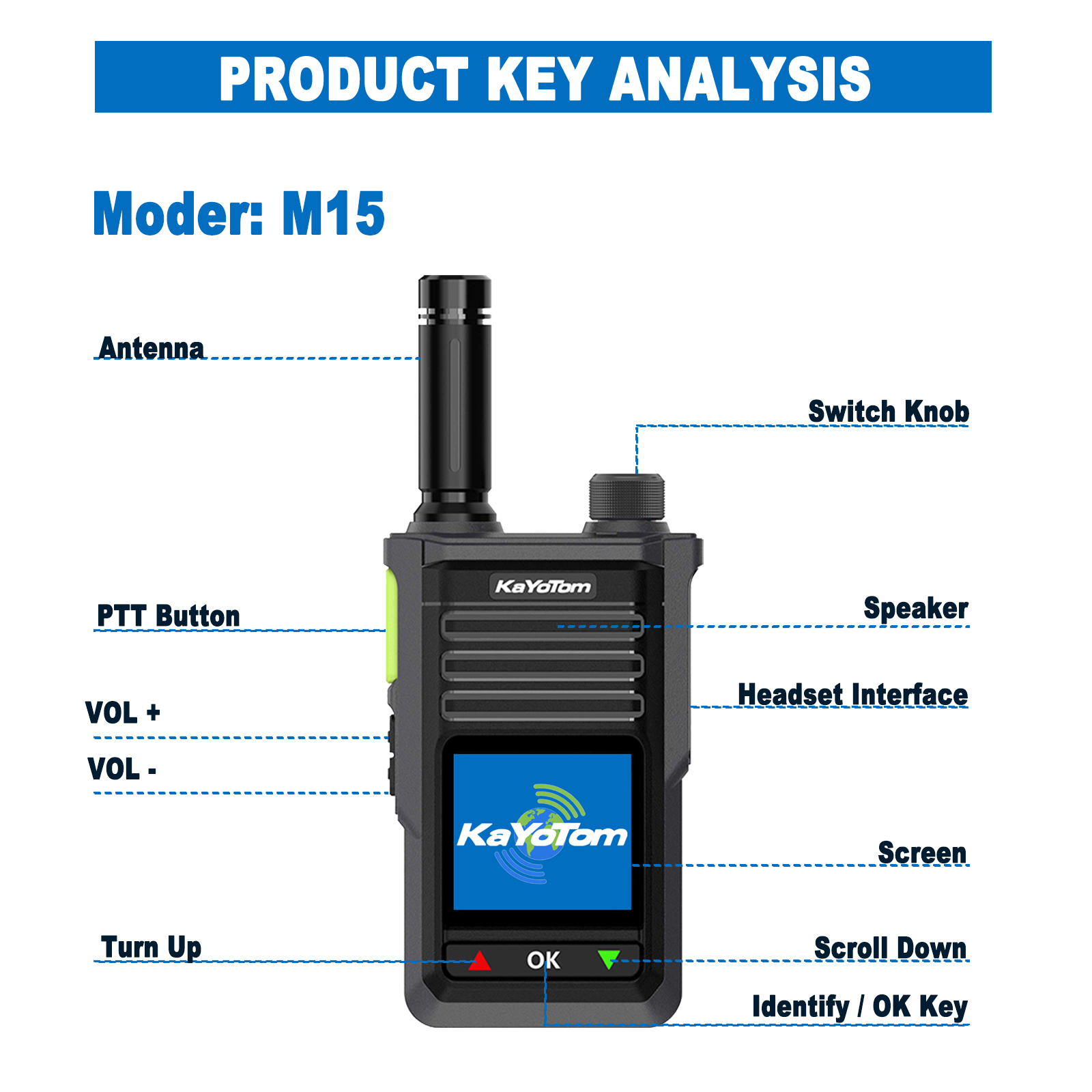
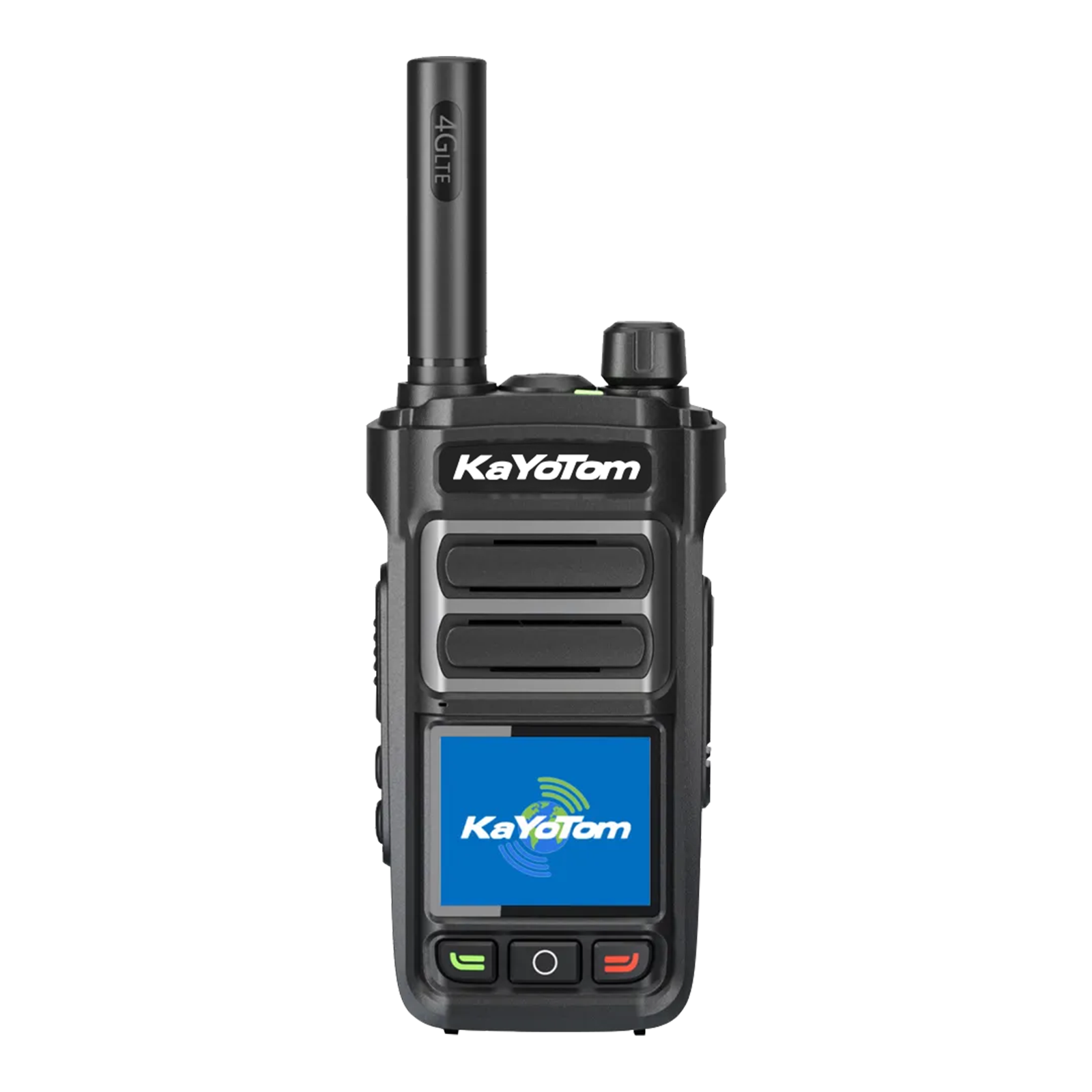
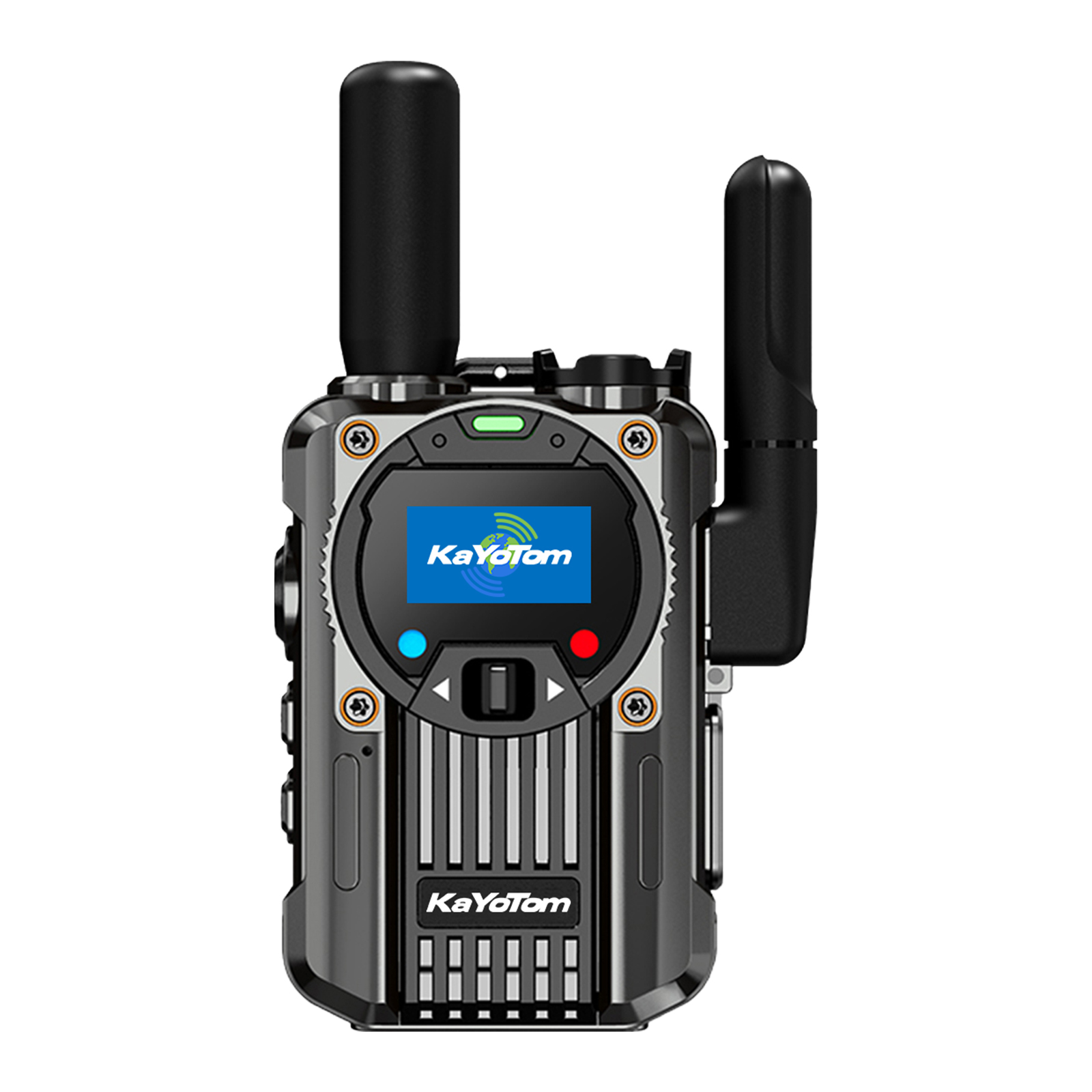
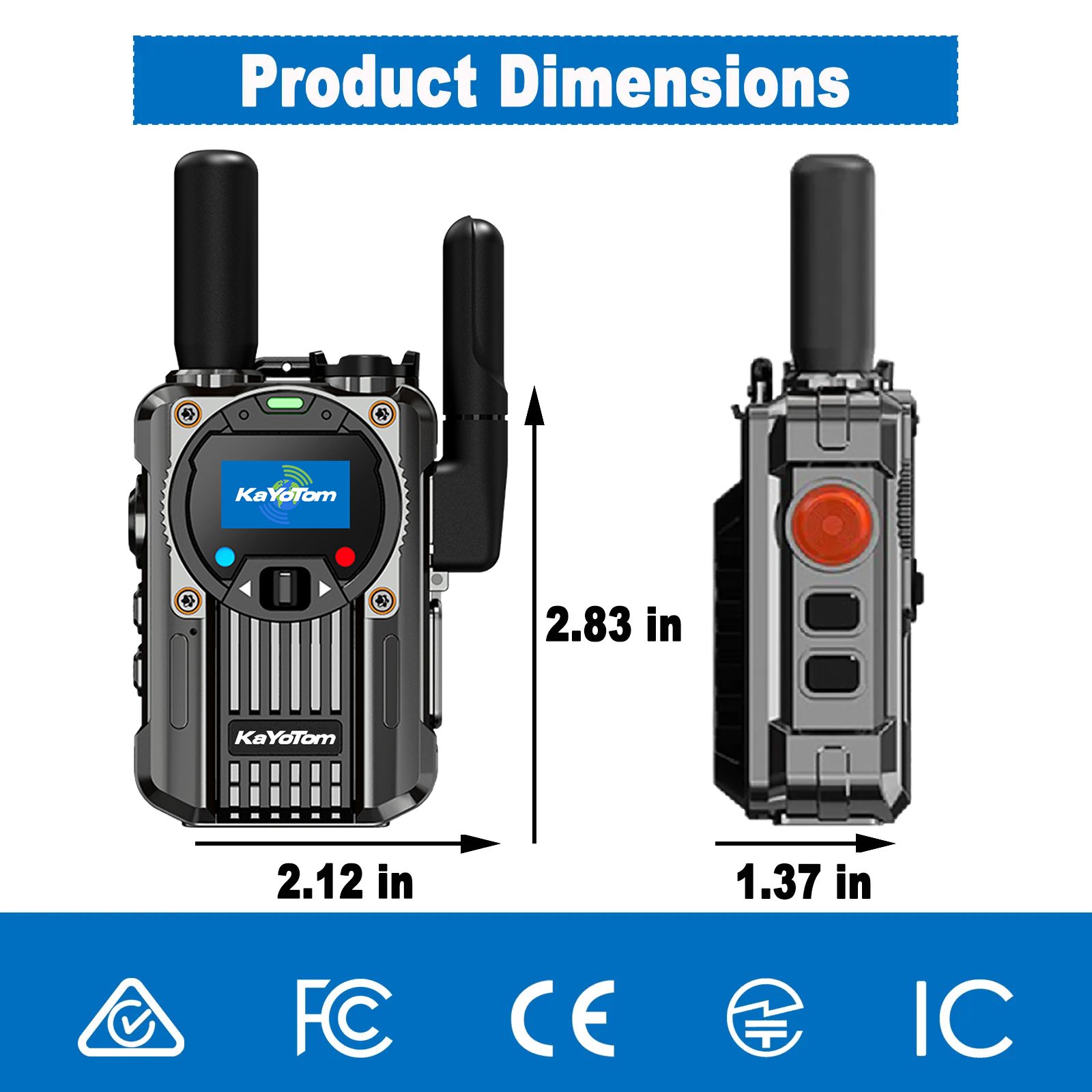
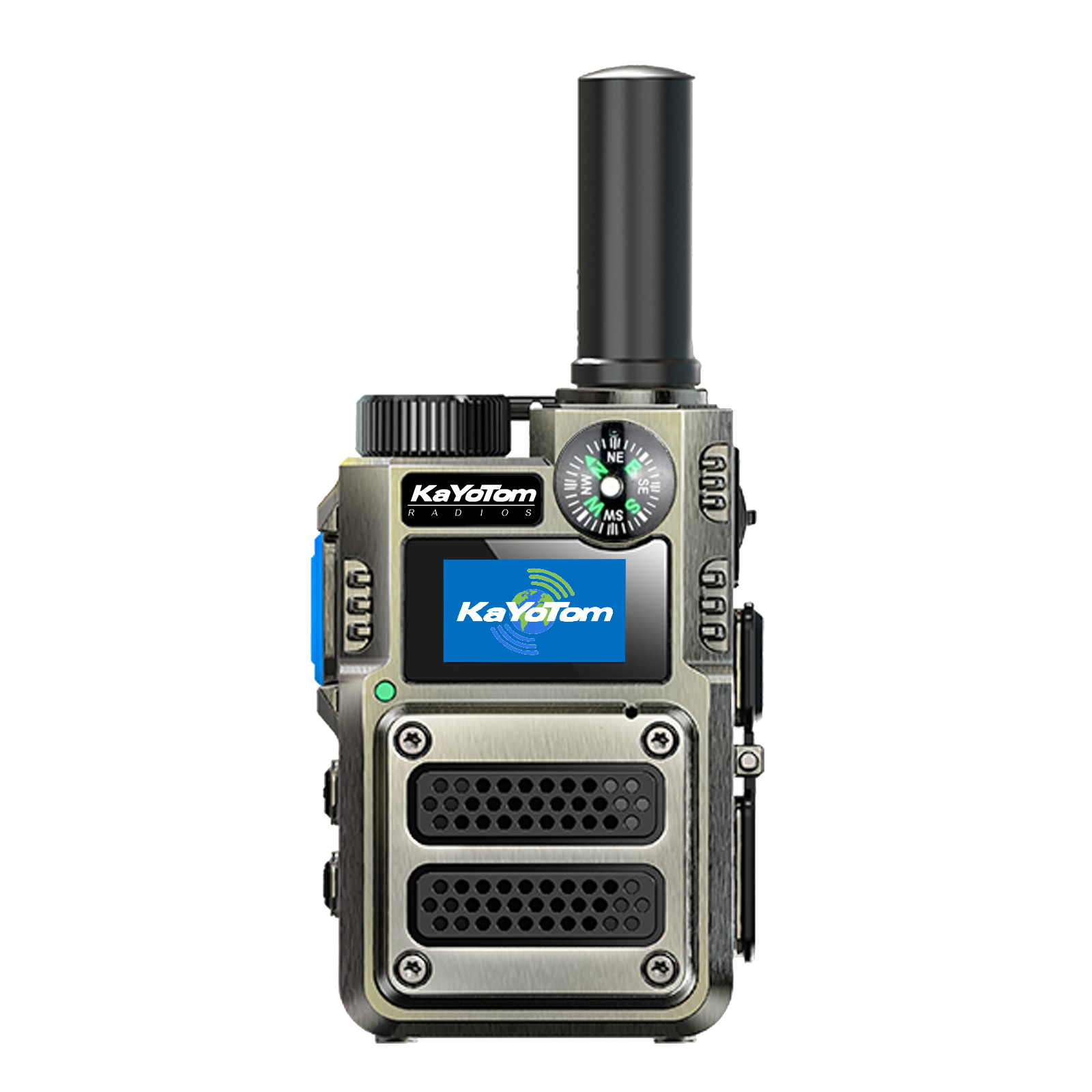
Engineered for rugged freight environments and long-haul transportation, the Kayotom D10 dual-mode radio delivers key operational benefits:
| Feature Dimension | Kayotom D10 Specification | Tactical Value in Logistics & Freight |
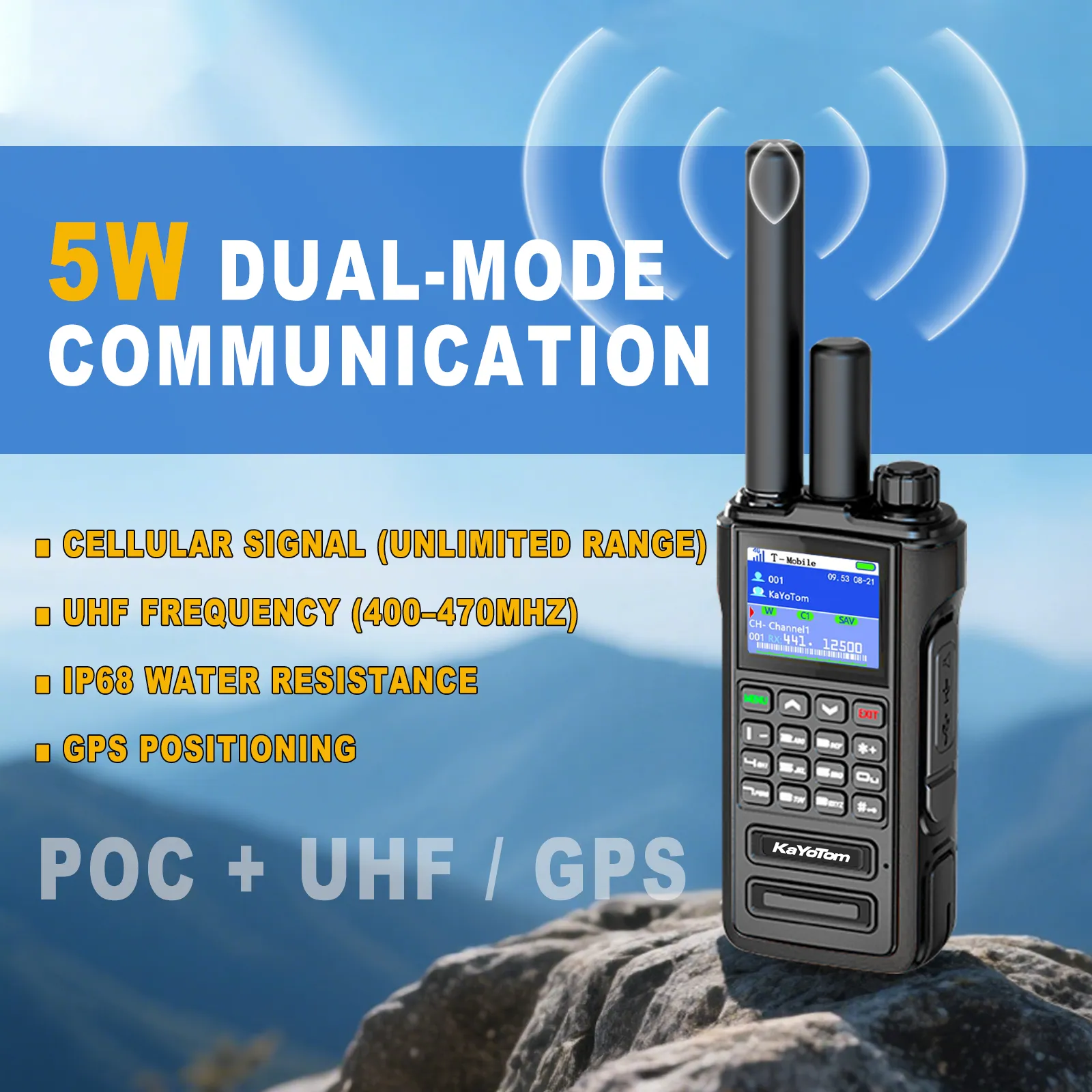
| Communication Modes | 4G LTE Cellular PTT + UHF/VHF Dual Mode | Bridges long-distance highway routes with remote loading docks for zero-downtime dispatch |
| Ruggedness | IP68 Dust & Water Resistance | Built to endure heavy rain, harsh outdoor cargo bays, and accidental drop impacts |
| Location Tracking | Real-Time Global GPS Tracking | Provides dispatchers with continuous location visibility to optimize routes and monitor fleet safety |
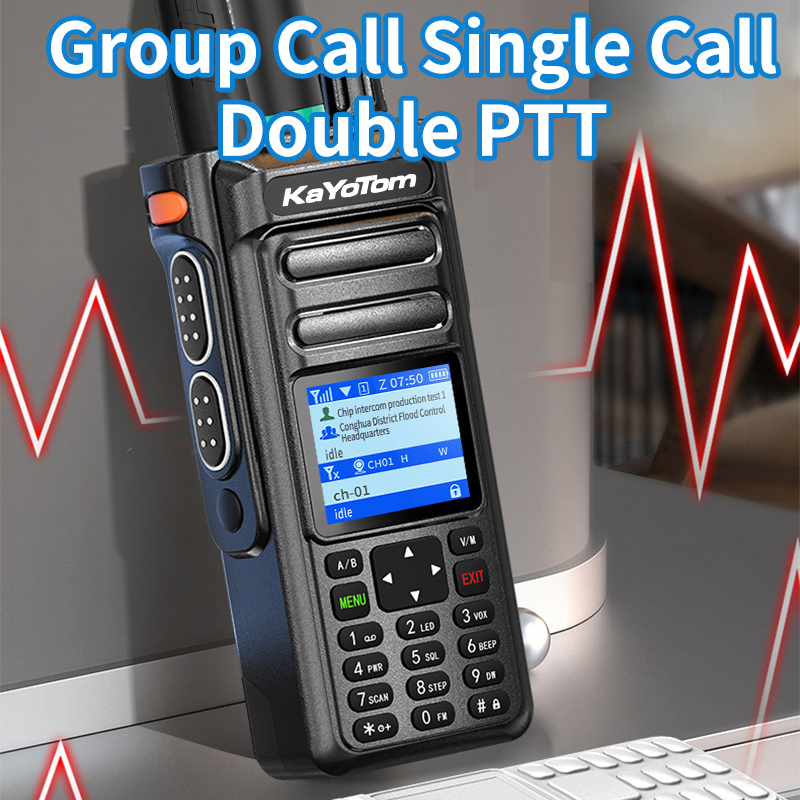
| Grouping & Dispatch | Multi-Channel Dynamic Grouping Support | Allows flexible channel grouping across regional routes, sub-fleets, and warehouse hubs |
4. Frequently Asked Questions (FAQ)
Q1: How are cellular data fees handled for long-haul transport fleets using PoC radios?
Answer: The Kayotom D10 comes with lifetime free cellular PTT data. Fleet operators do not need to pay annual subscription fees or data renewals after purchasing the device, allowing drivers to communicate freely across nationwide routes with zero recurring operating costs.
Q2: How does the Kayotom D10 maintain contact when trucks travel through off-grid mountain zones?
Answer: The Kayotom D10 features built-in UHF/VHF direct radio hardware. When trucks travel into remote areas without cell service, drivers can switch to direct radio mode to maintain point-to-point communications across convoy vehicles within range.
Q3: Is using a cellular walkie talkie safe and convenient for drivers while operating a truck?
Answer: Yes. PoC walkie talkies feature a dedicated physical PTT (Push-to-Talk) button designed for blind operation, along with high-output noise-canceling speakers. Drivers can send and receive voice transmissions without looking at or unlocking a screen, enhancing road safety when paired with vehicle mounts or heavy-duty shoulder microphones.