

Communication is the backbone of any successful group cycling ride. Whether you are navigating rugged mountain trails, tackling a challenging road gran fondo, or leading a weekend club tour, keeping every rider connected ensures safety, coordination, and an overall better experience.
Traditional analog walkie-talkies often fall short during long-distance rides due to limited range, static interference, and physical obstacles like hills or dense forests. This is where PoC (Push-to-Talk over Cellular) radios transform the cycling experience.
What is a PoC Radio and Why Do Cyclists Need It?
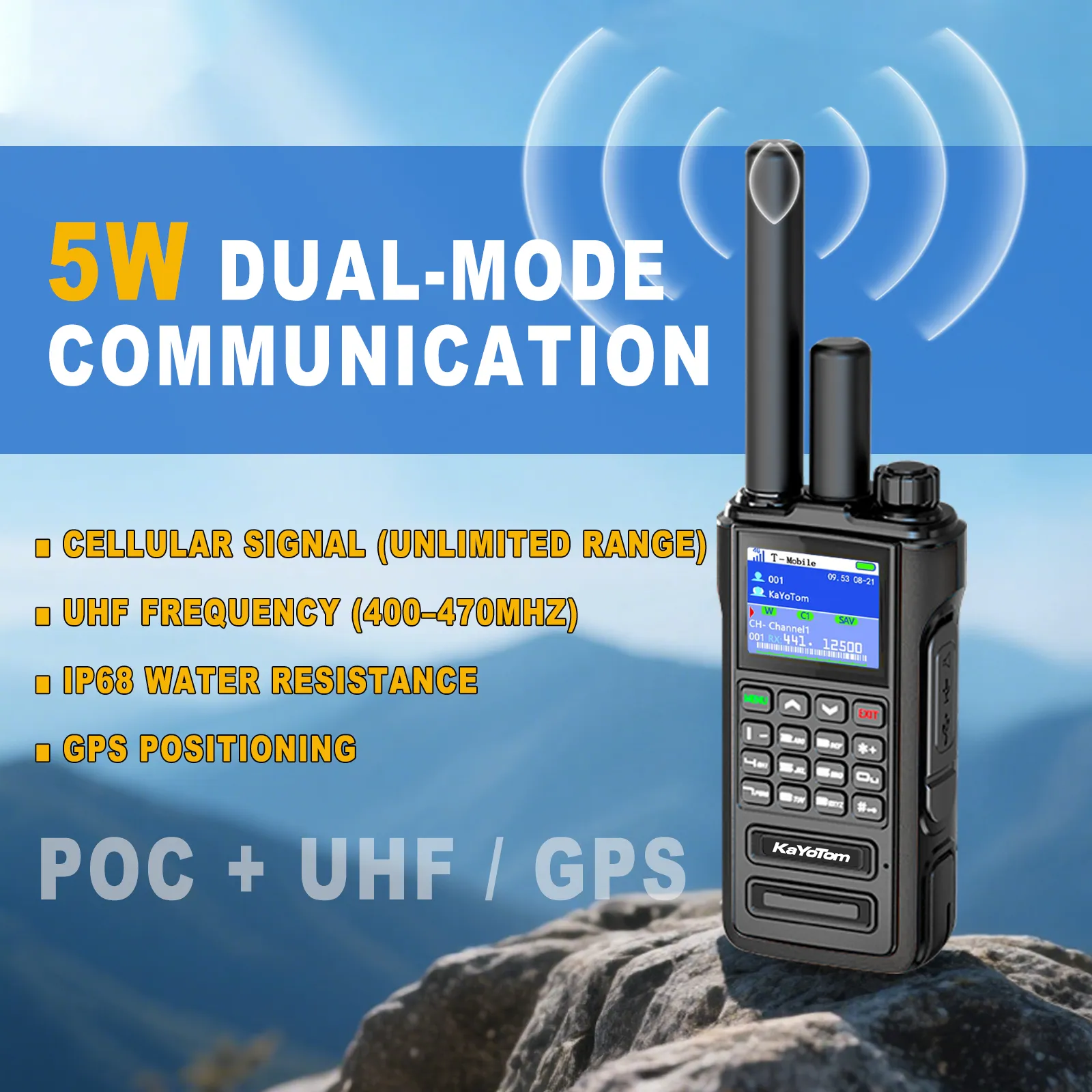
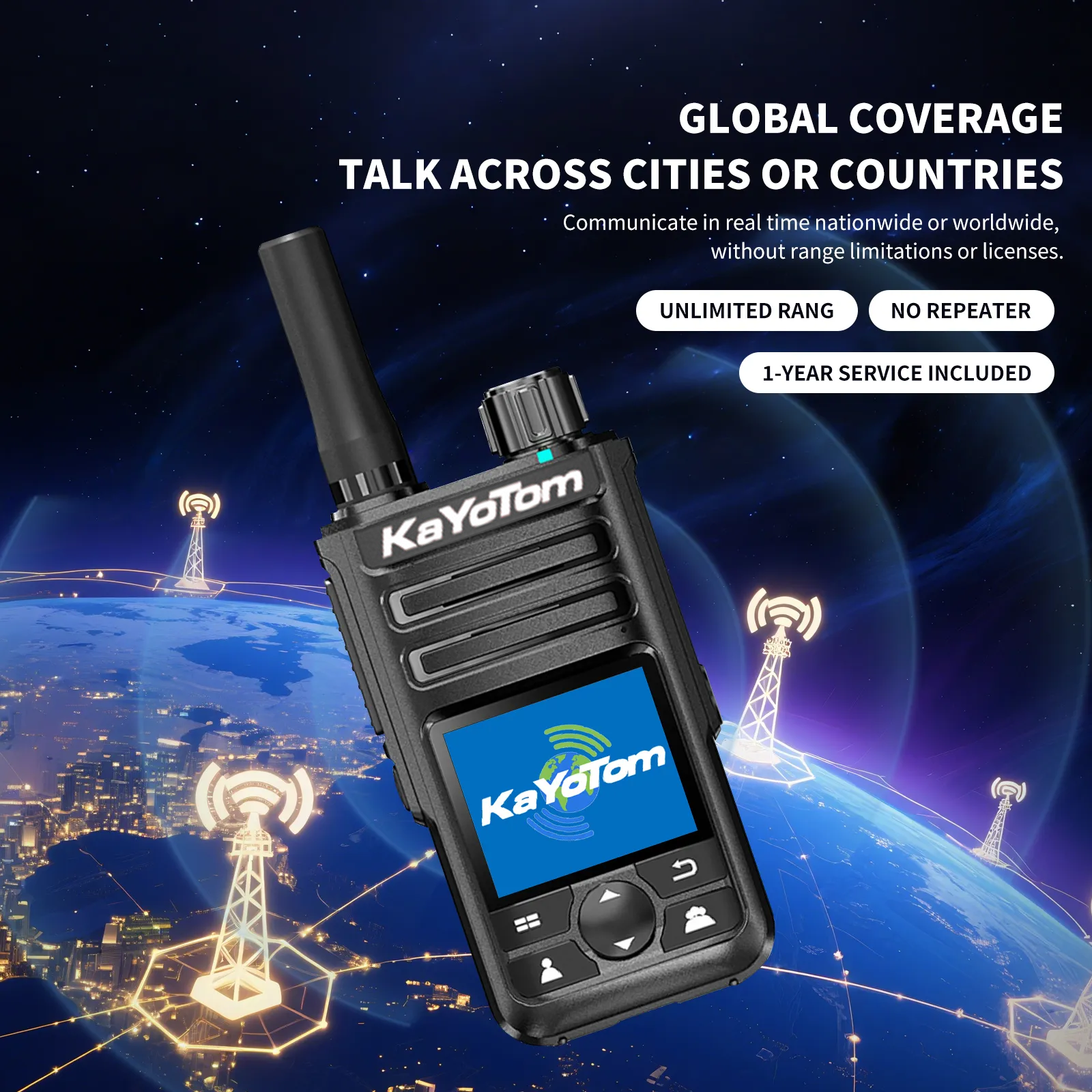
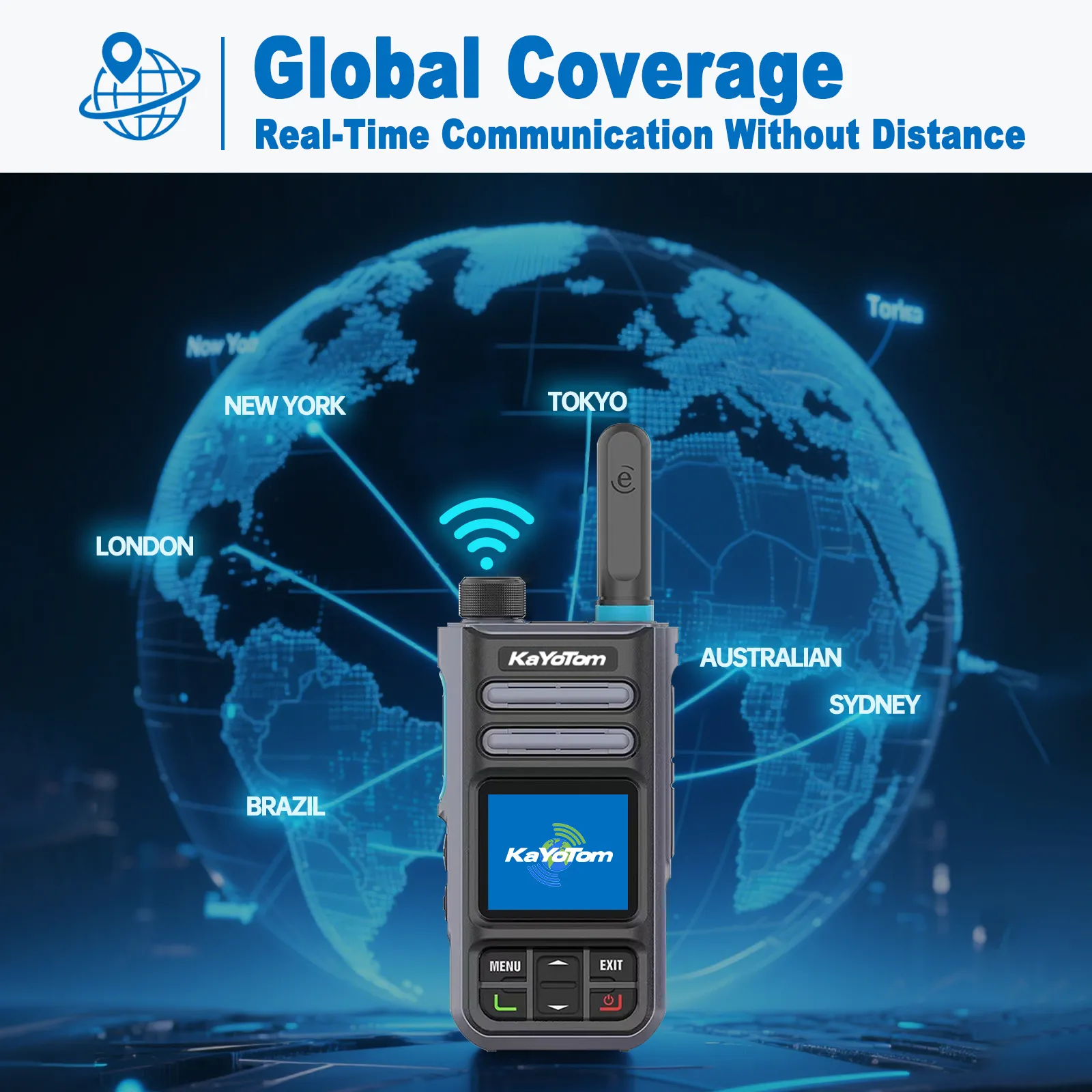
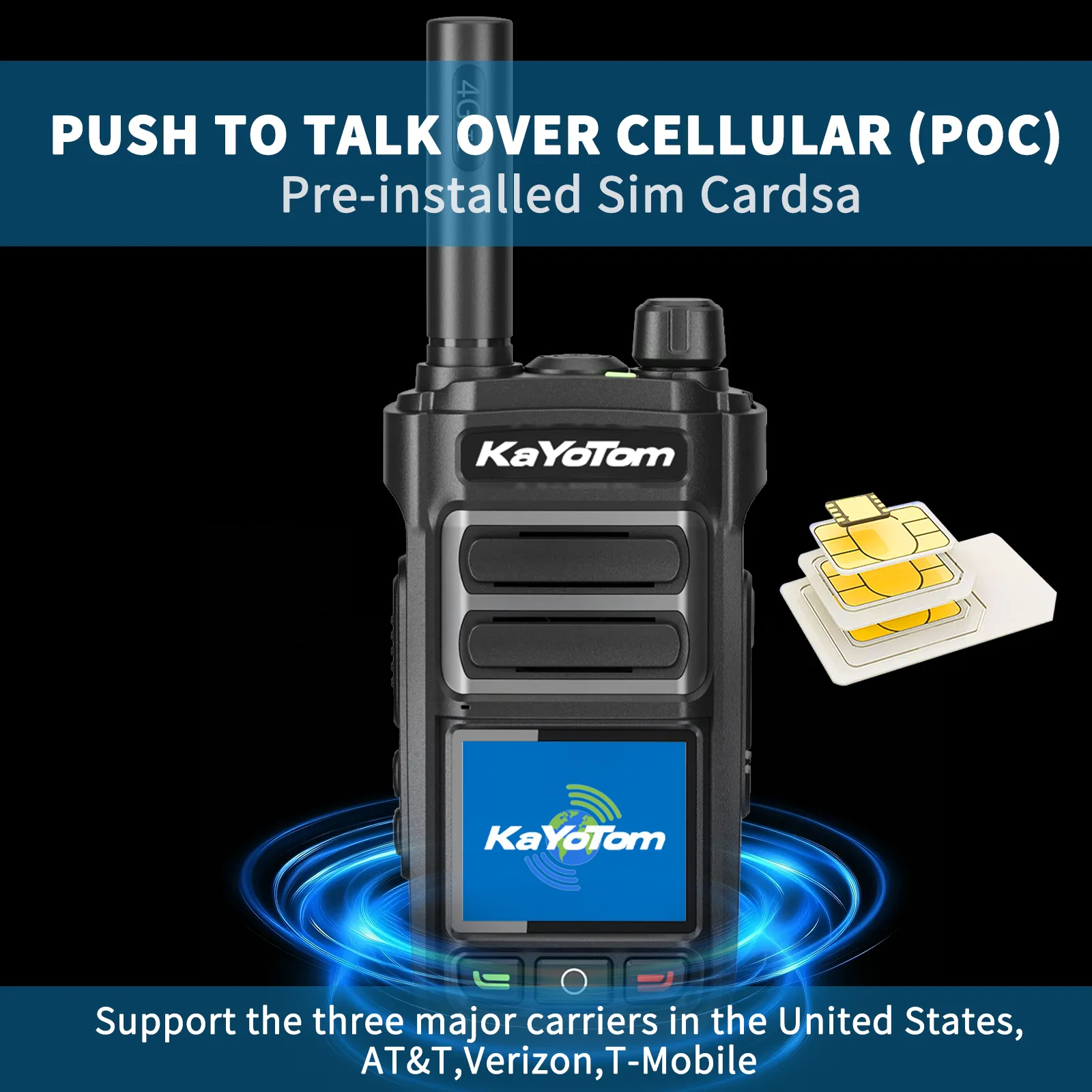
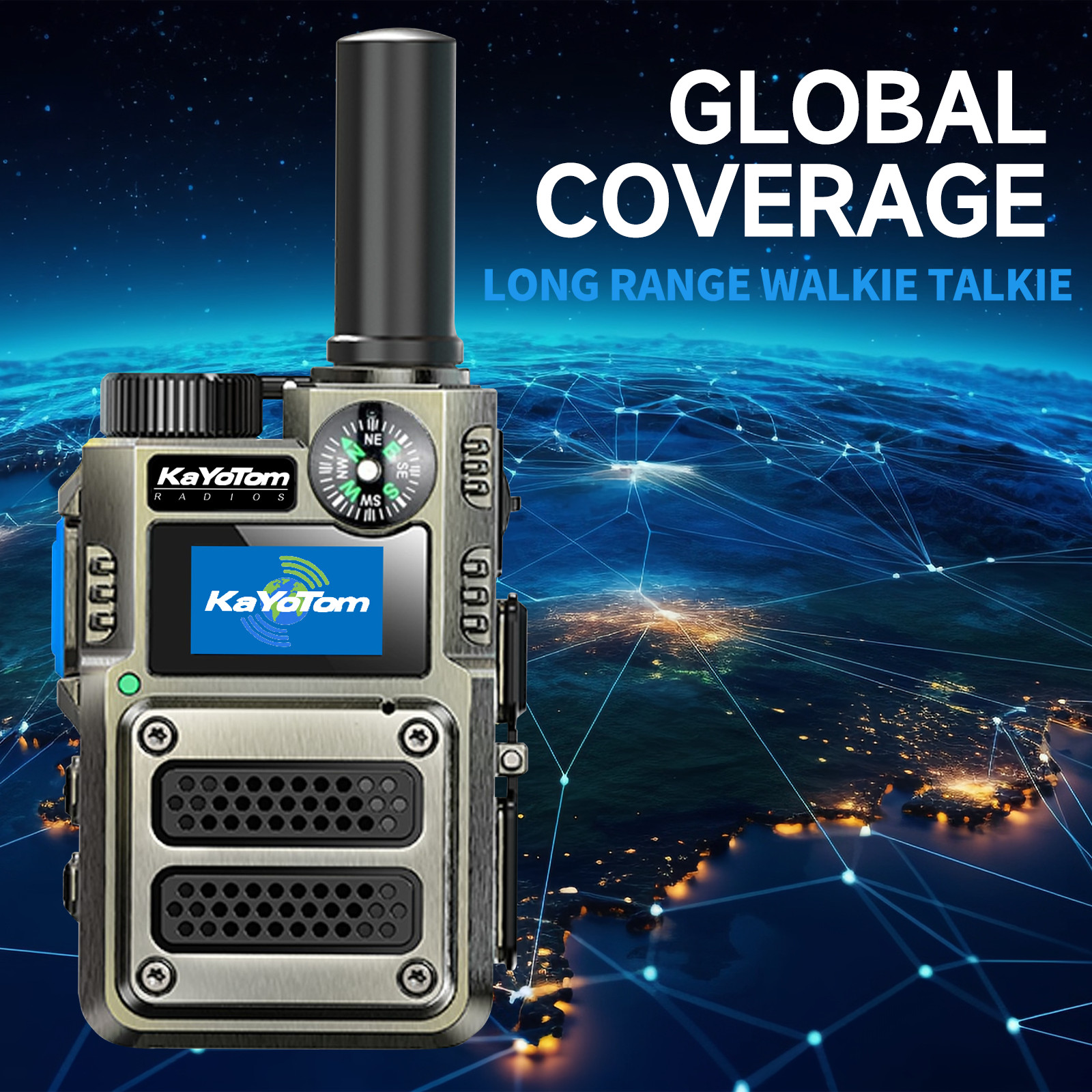
A PoC radio leverages existing cellular networks (4G/LTE) to deliver instant, push-to-talk communications over virtually unlimited distances.
Unlike traditional two-way radios restricted by line-of-sight frequencies, a PoC radio allows the ride leader at the front to communicate instantly with the sweep rider at the back, even miles apart or separated by terrain.
Key Benefits of PoC Radios for Cycling:
-
Infinite Range: Operates wherever cellular coverage is available, making it ideal for cross-city or long-distance touring.
-
Crystal-Clear Audio: Digital transmission eliminates wind noise and static, ensuring clear commands during high-speed descents.
-
Instant Group Coordination: One-touch group calling keeps the entire peloton informed of road hazards, mechanical issues, or rest stops.
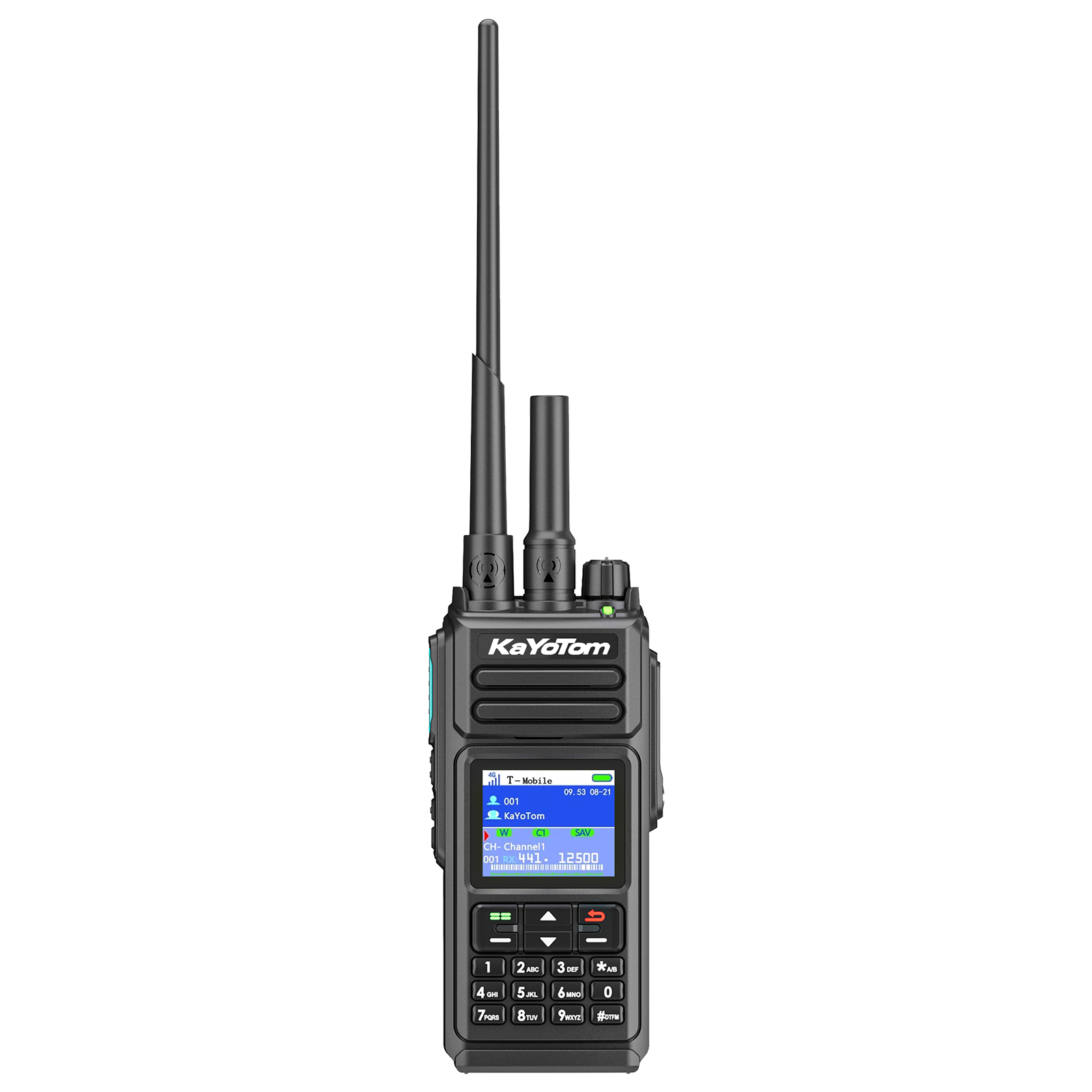
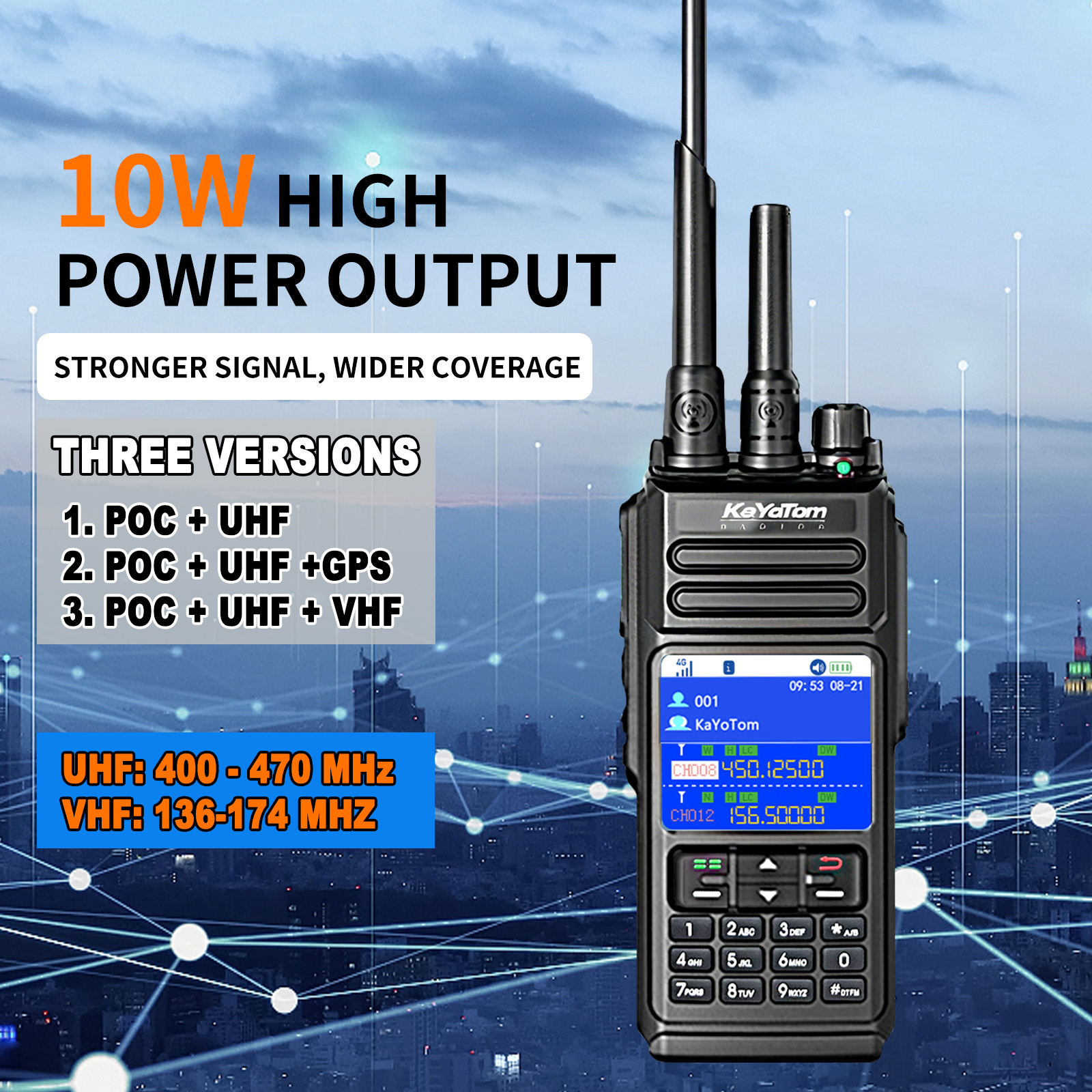
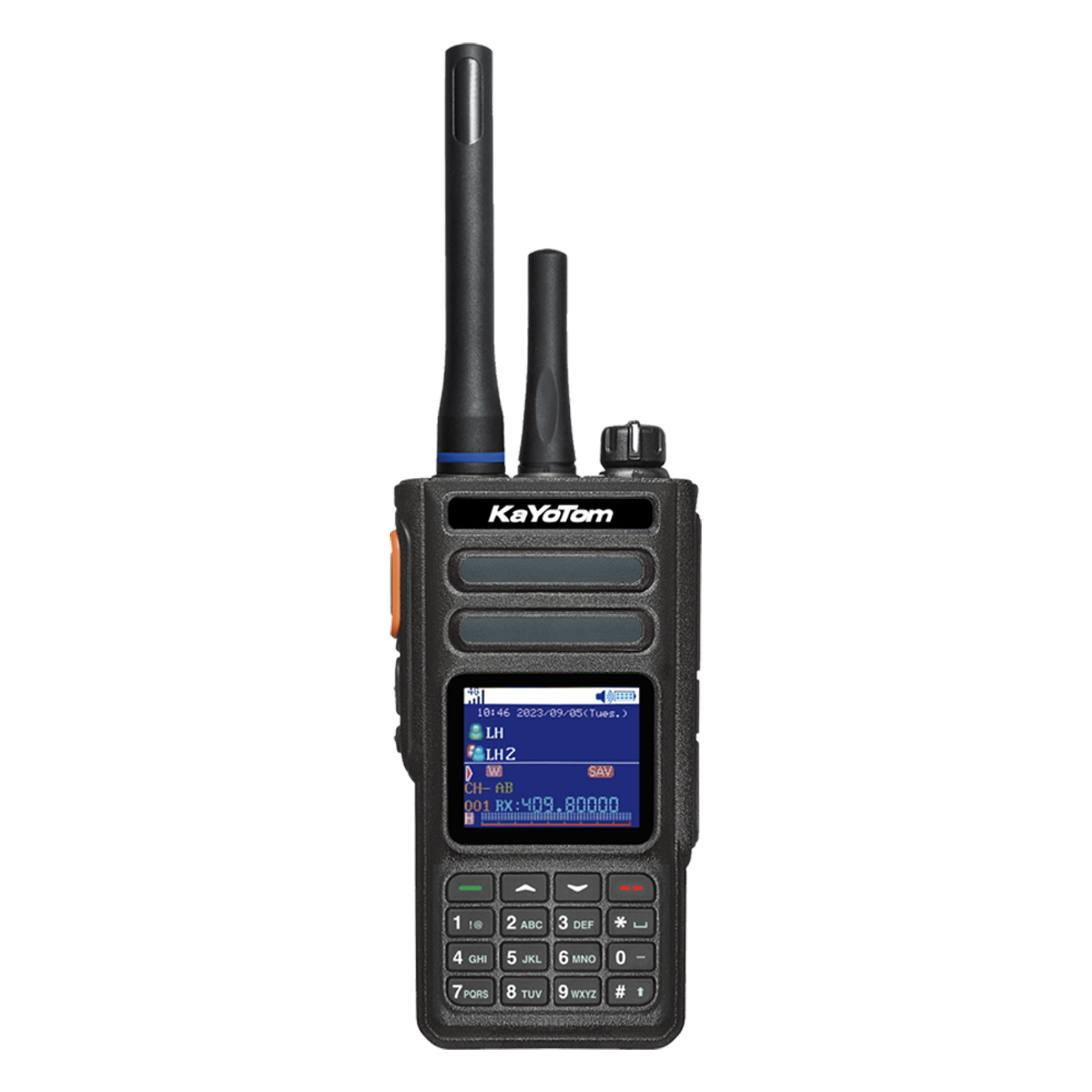
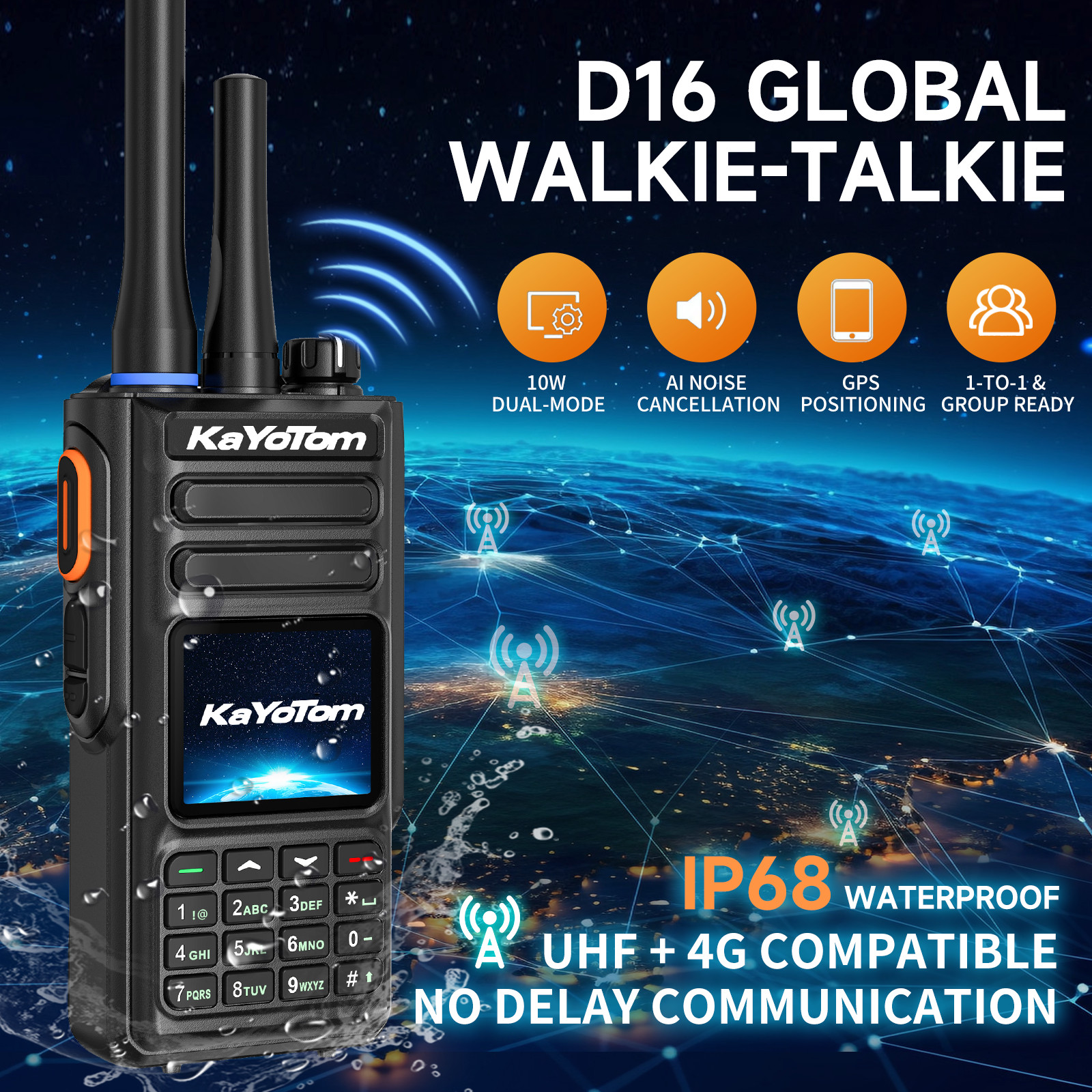
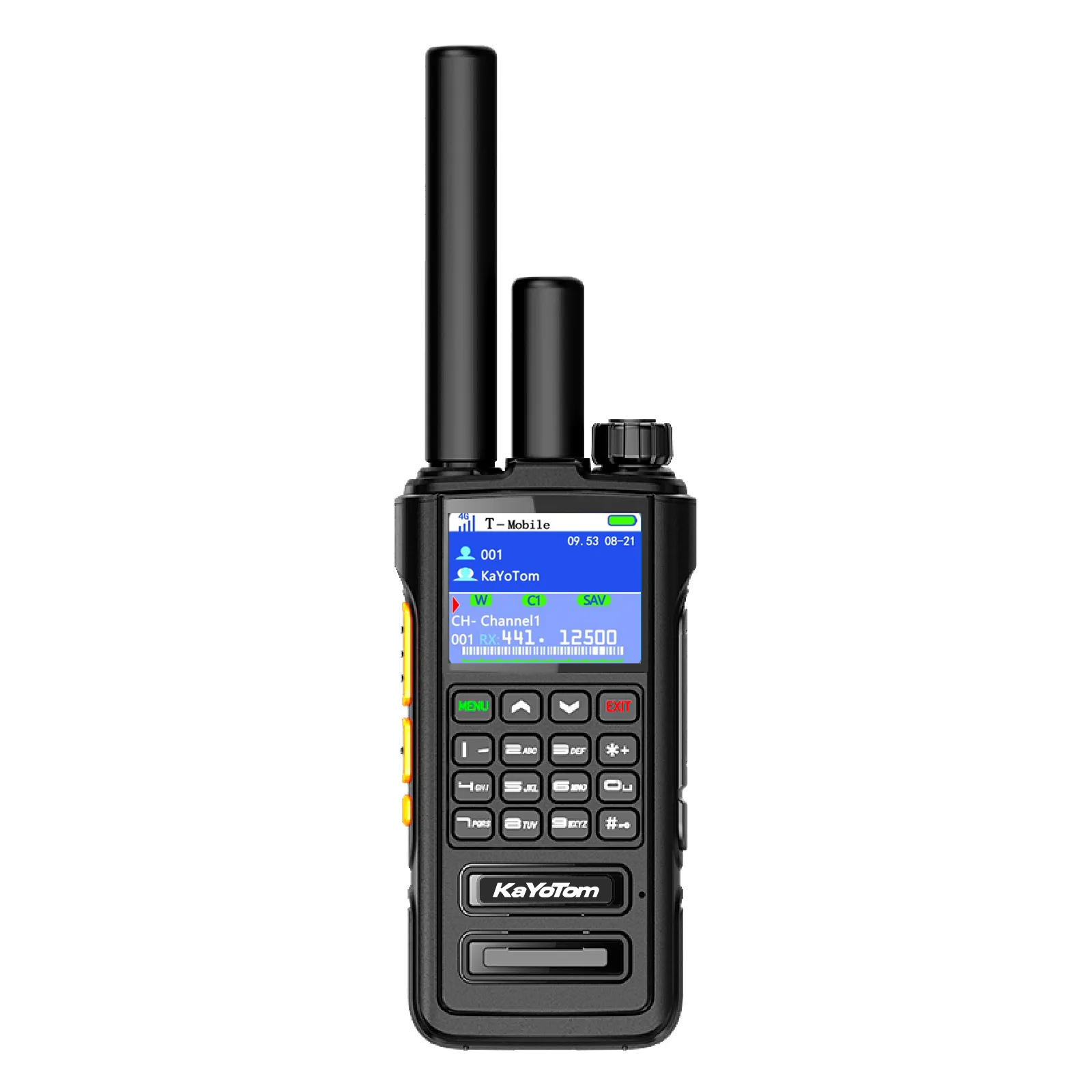
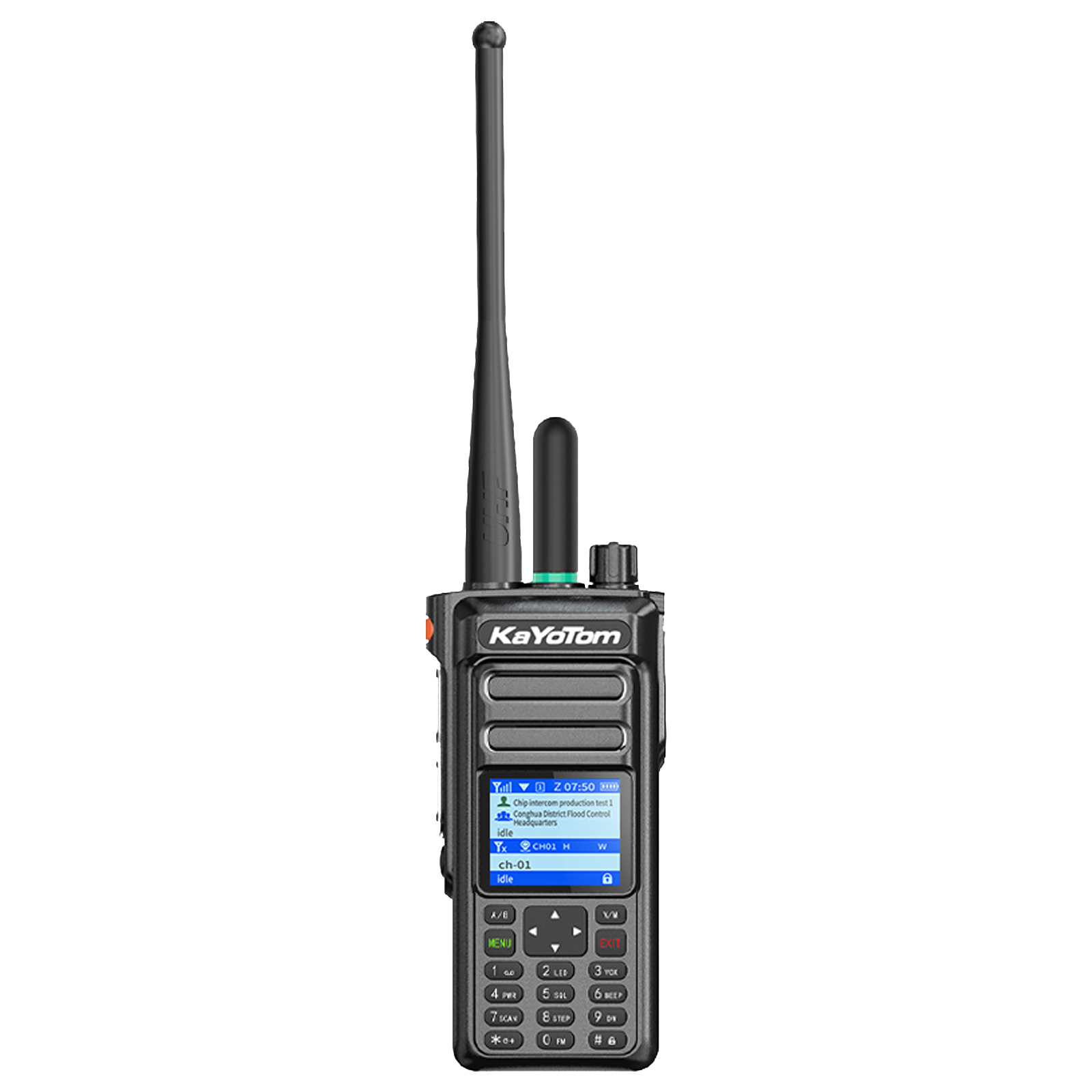
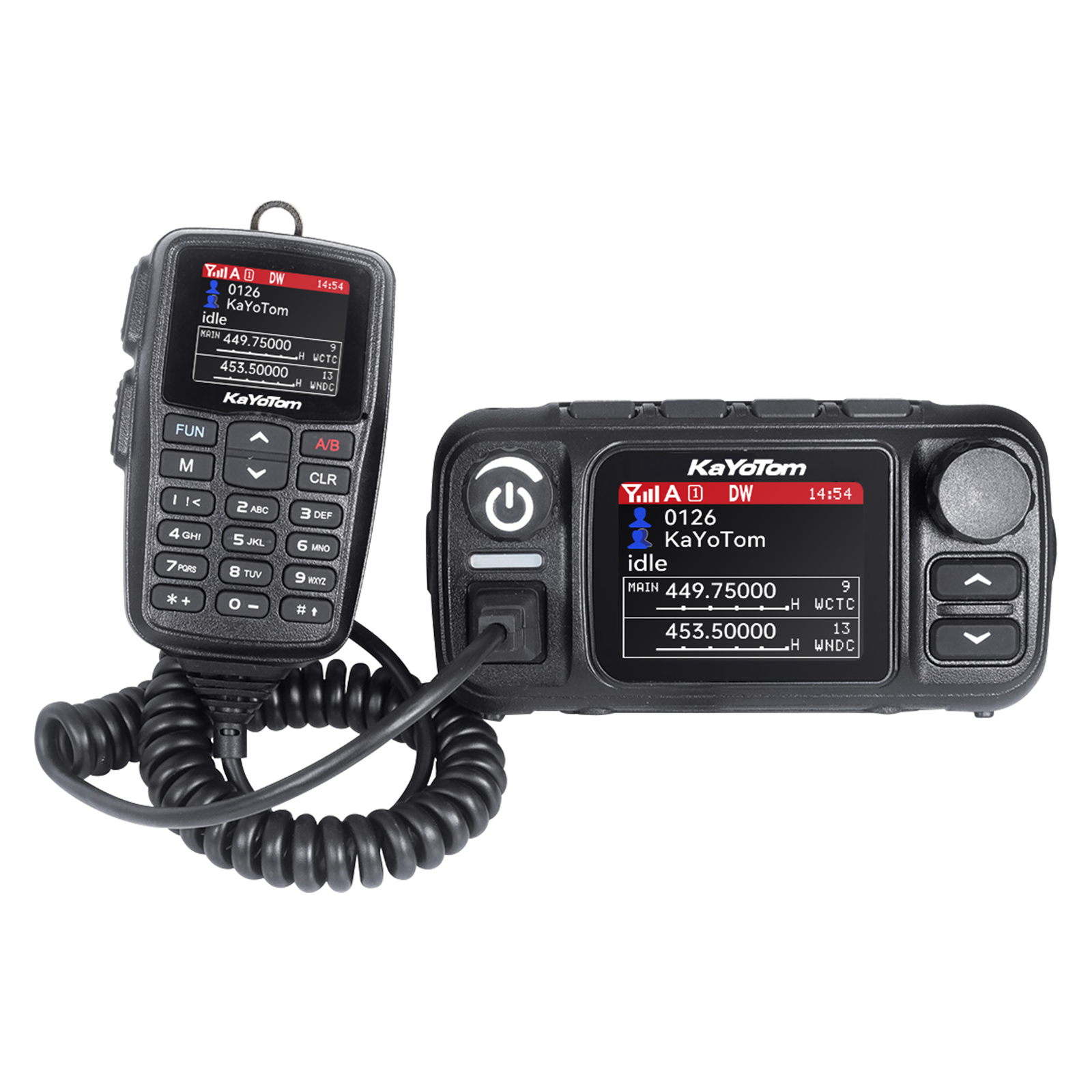
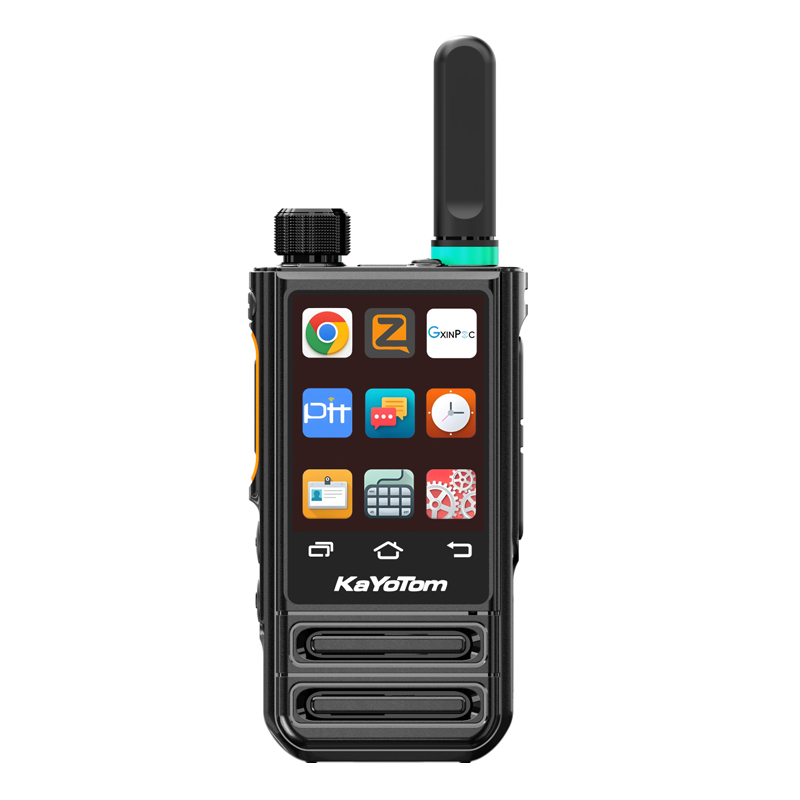
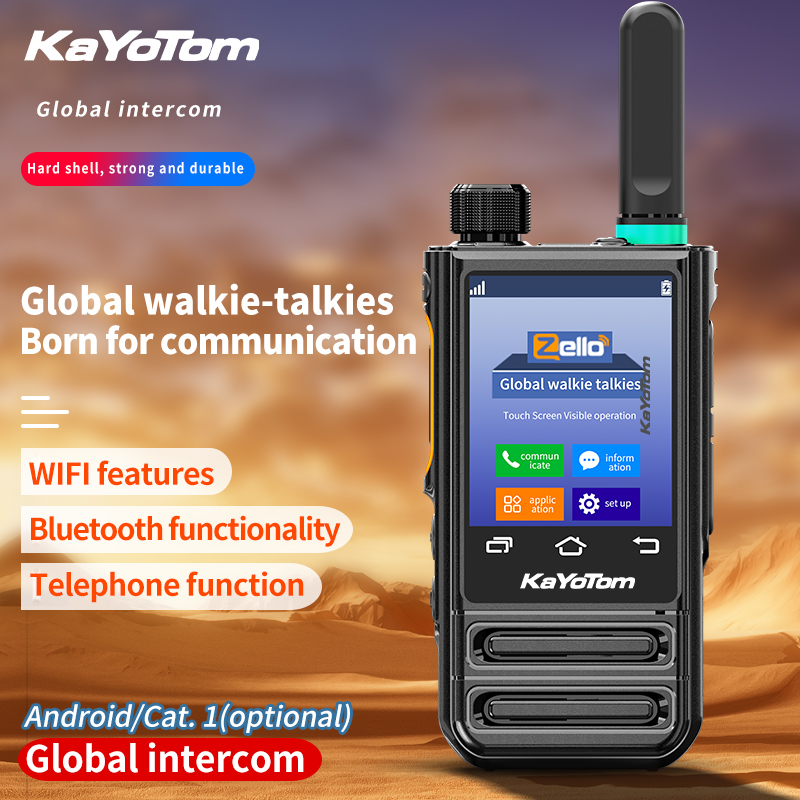
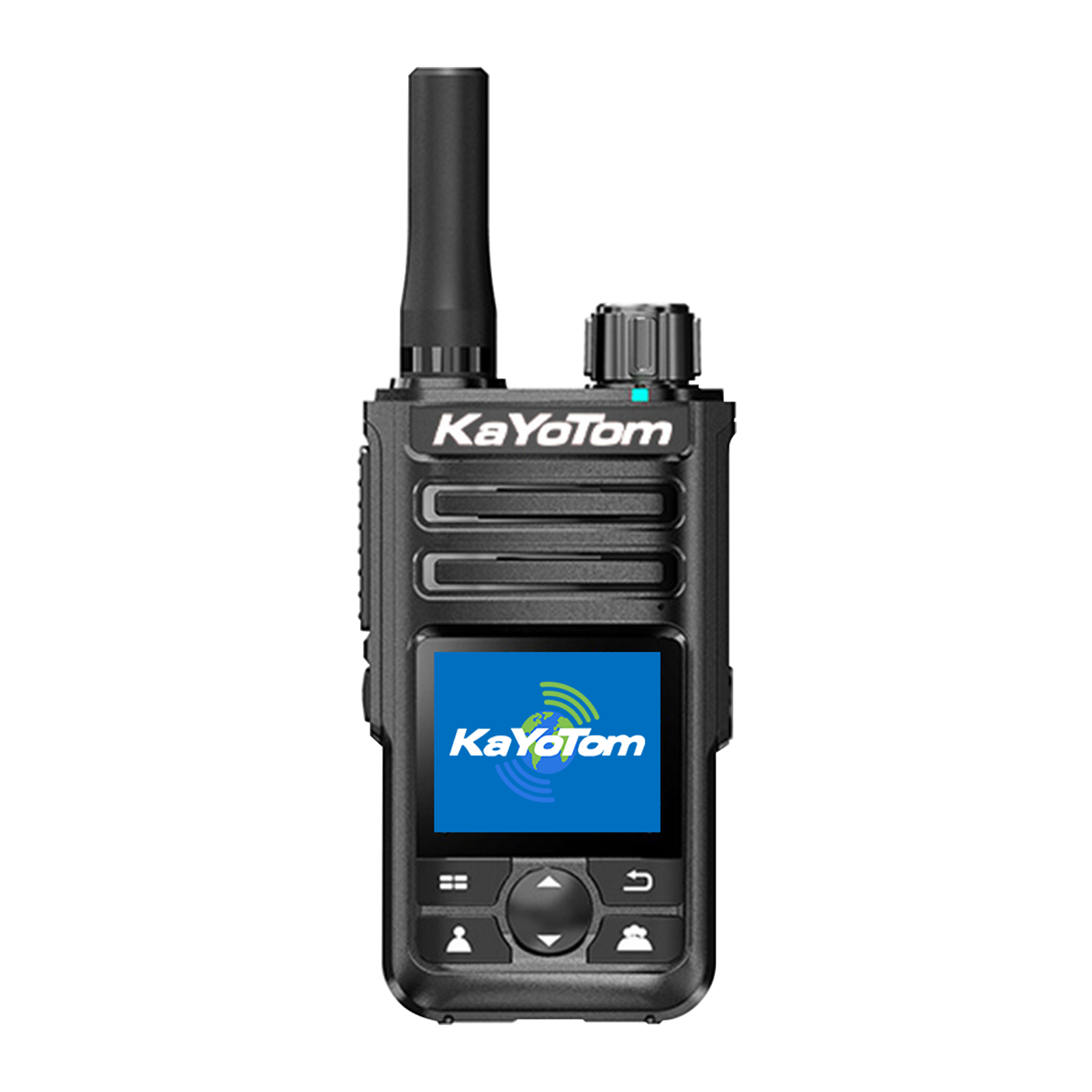
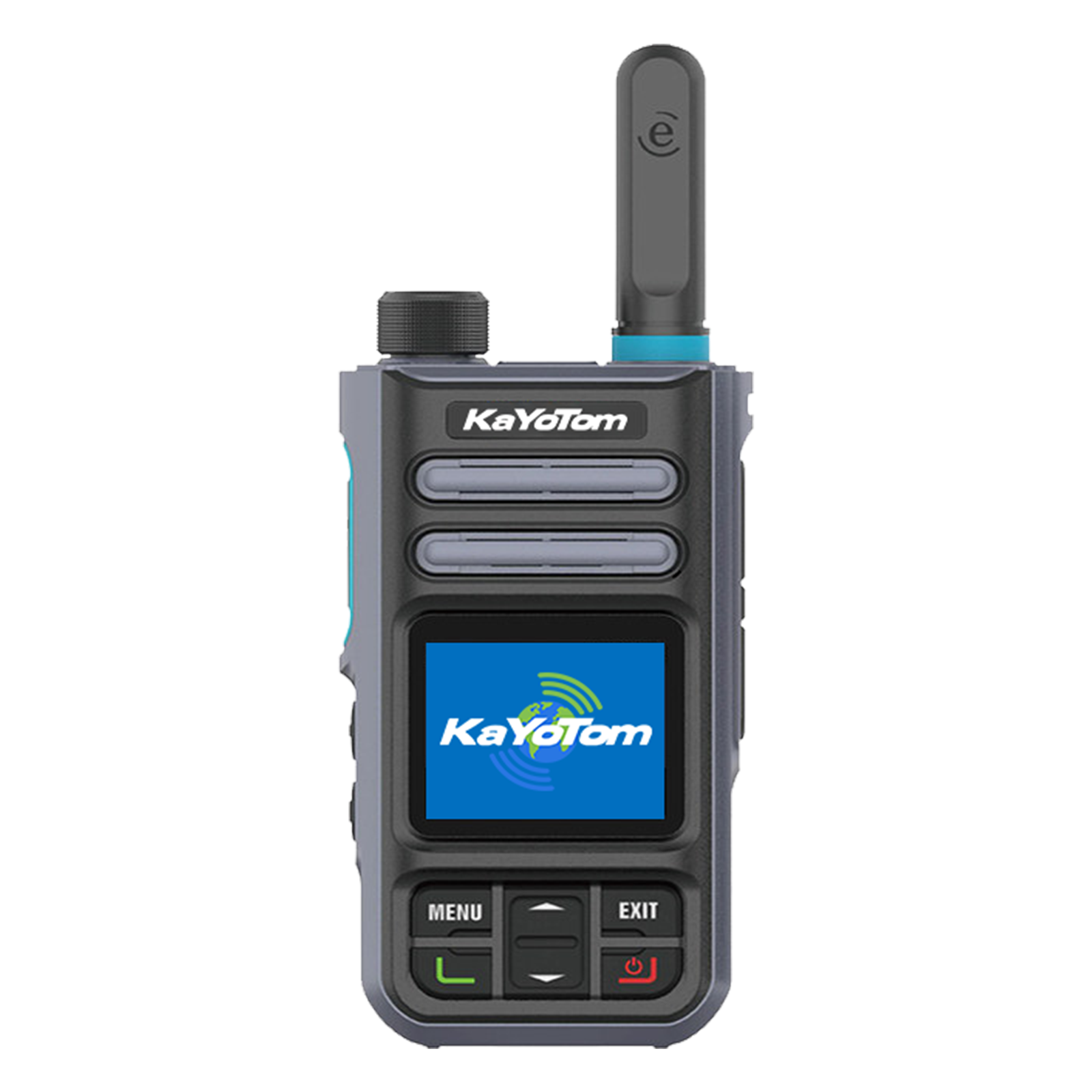
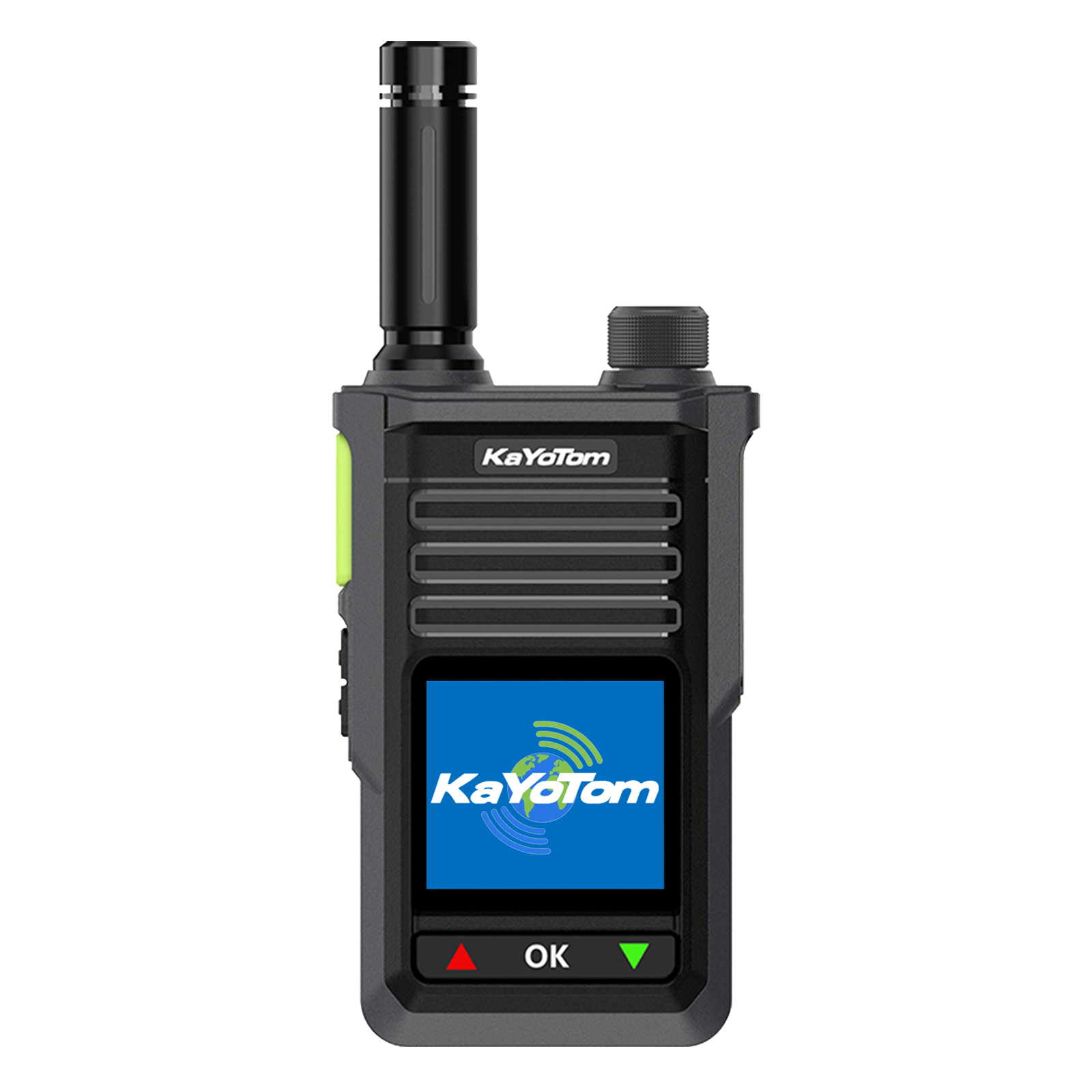
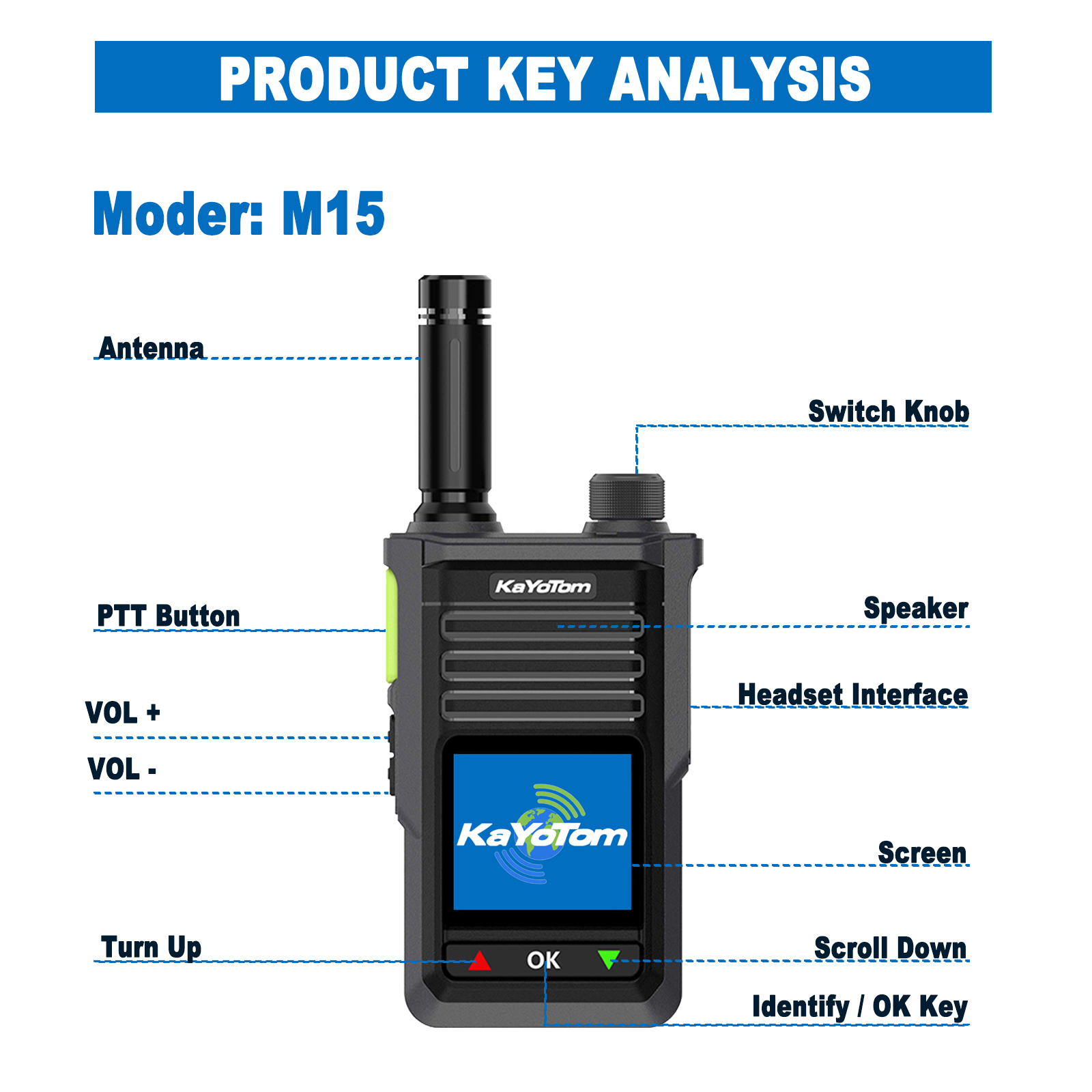
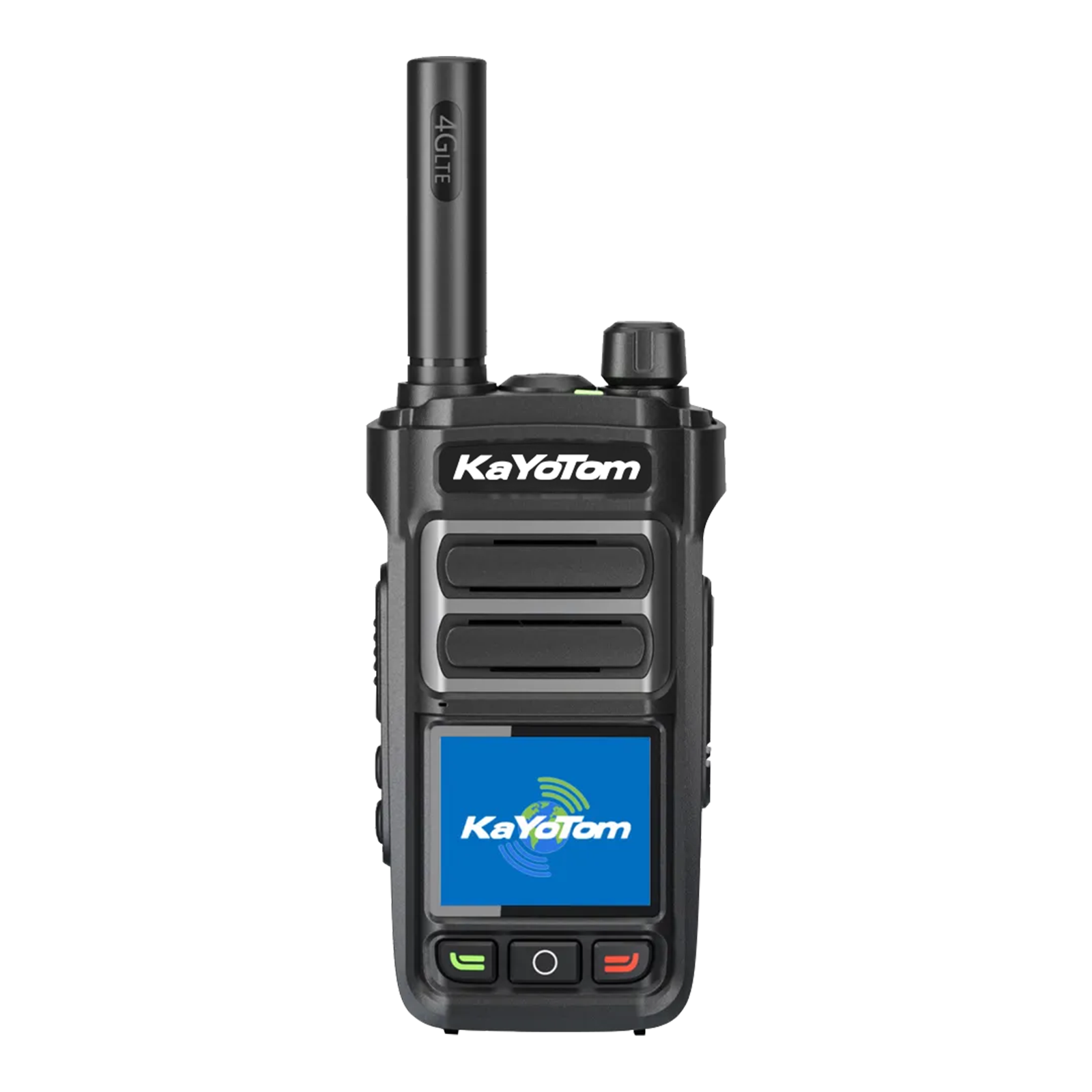
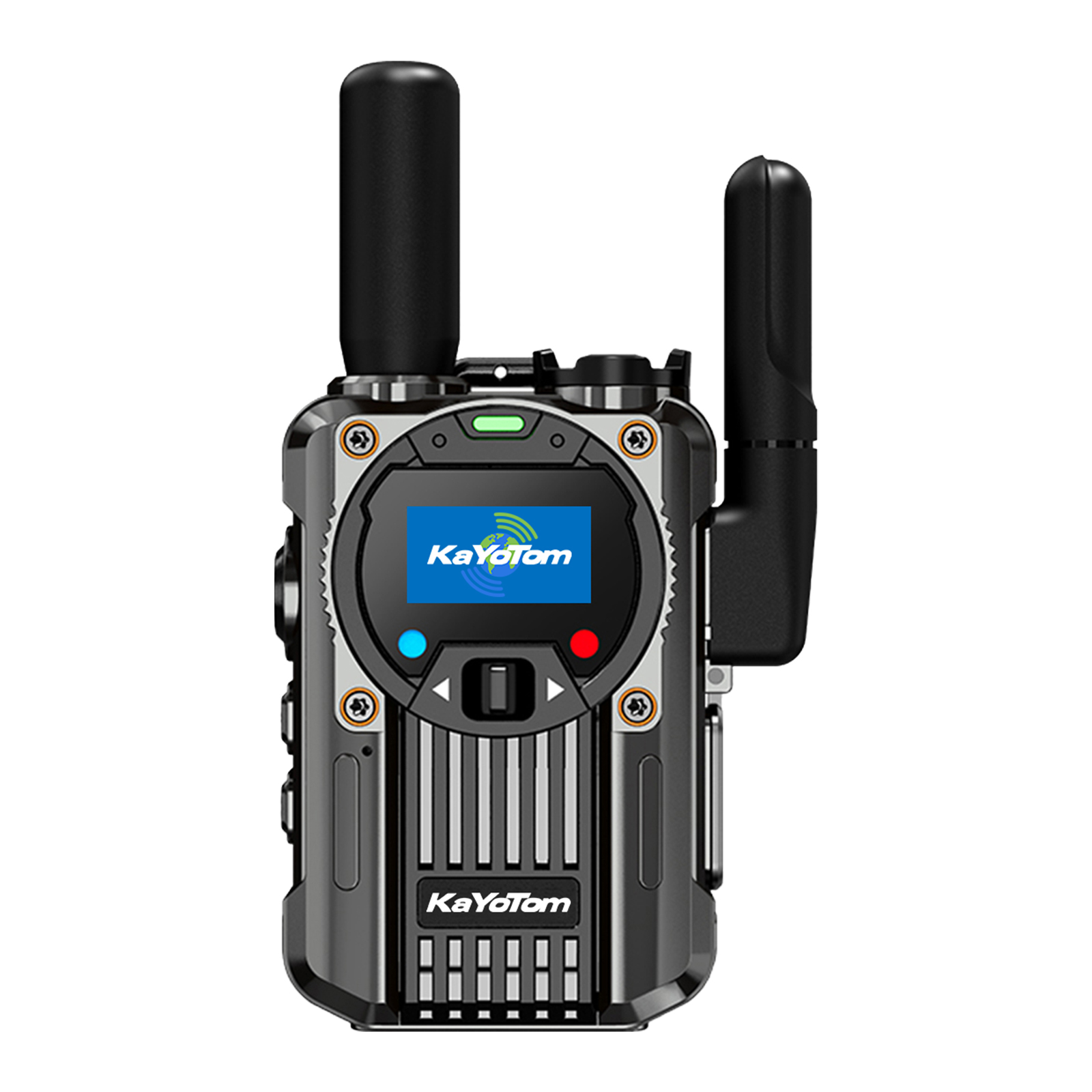
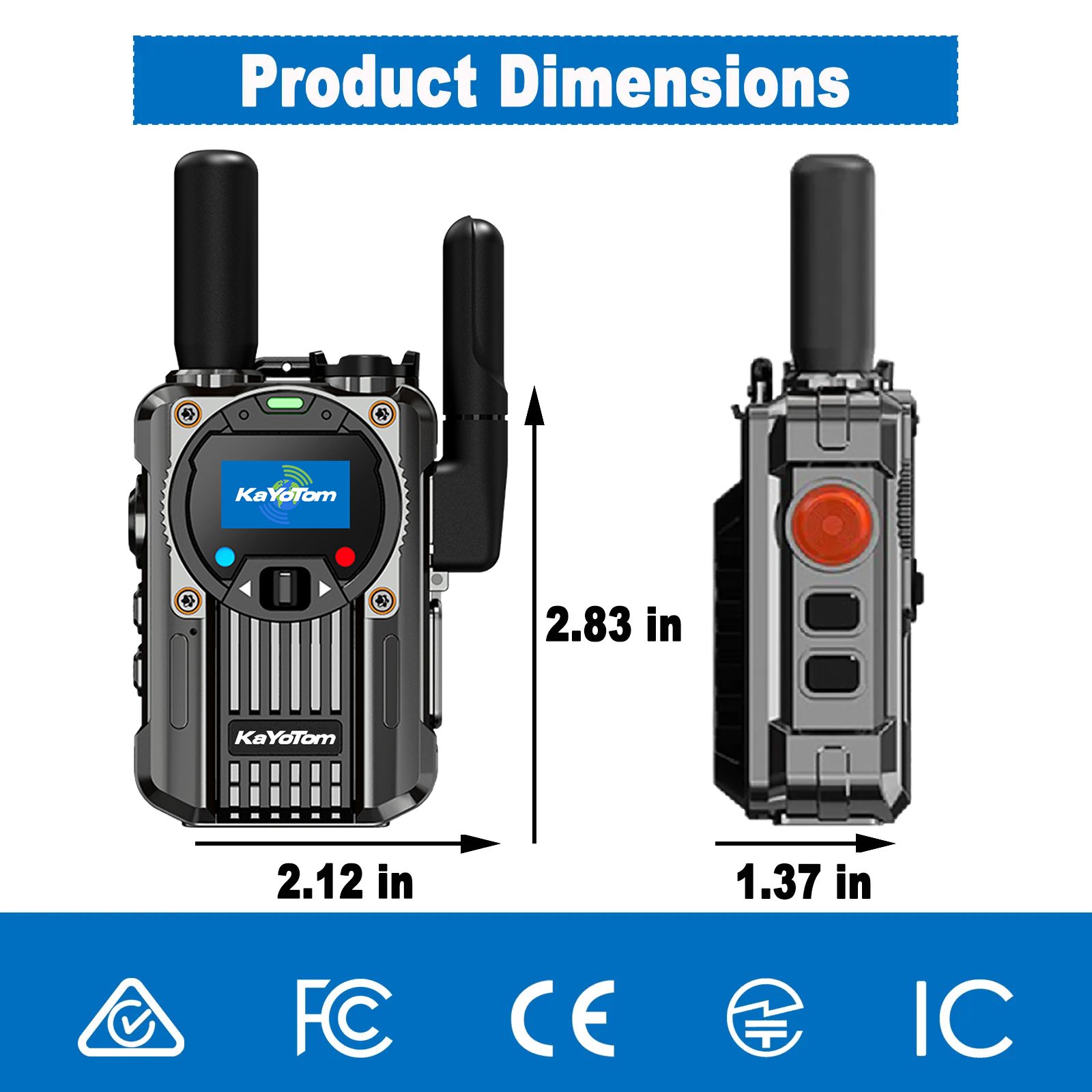
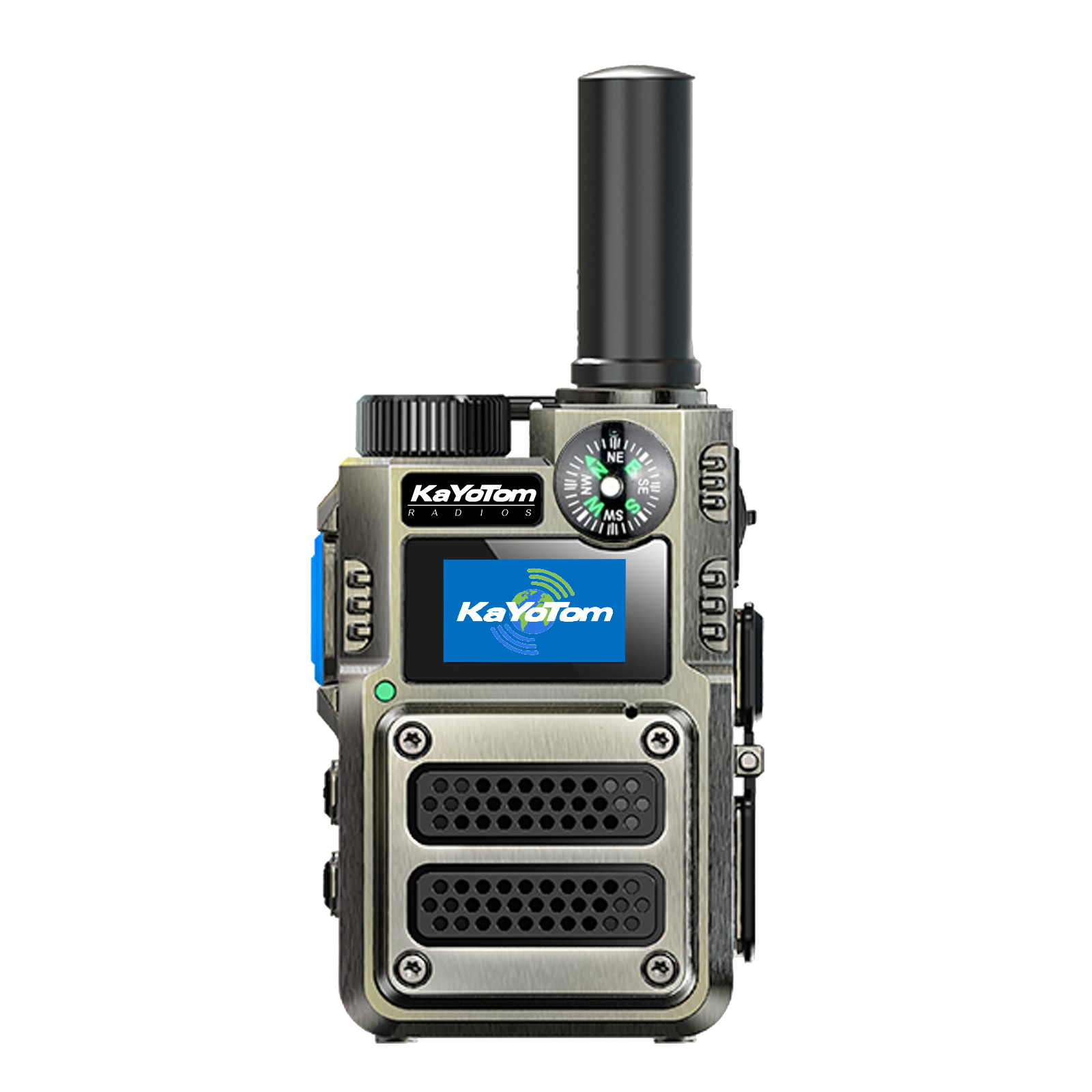
Spotlight: KaYoTom M11 Walkie Talkie for Cyclists
When it comes to selecting a reliable device tailored for active outdoor sports, the KaYoTom M11 Walkie Talkie stands out as a top-tier choice for cycling enthusiasts and clubs.
Core Features of KaYoTom M11 in Cycling Scenarios:
-
Robust LTE Connectivity: Ensures seamless connection across vast cycling routes without dropping communication channels.
-
Ergonomic & Lightweight Design: Built to be easily clipped onto jersey pockets or handlebars without adding unnecessary bulk to a cyclist's load.
-
Long Battery Life: Powers through endurance rides, sportives, and all-day touring events without needing a mid-day charge.
-
Durable Build Quality: Designed to withstand vibrations, dust, and unexpected weather changes encountered on outdoor rides.
How to Optimize Group Ride Safety Using KaYoTom M11
To get the most out of your communication gear during a ride, consider the following best practices:
-
Assign Dedicated Channels: Keep dispatch lines clear by separating emergency alerts from casual chatter.
-
Pre-Ride Audio Checks: Test volume and PTT (Push-to-Talk) response times before leaving the starting point.
-
Mounting Setup: Use secure handlebar mounts or shoulder strap clips for safe, hands-free operation while pedaling.
Frequently Asked Questions (FAQ)
Q1: Do PoC radios like the KaYoTom M11 require a license to operate?
A: Unlike traditional GMRS or ham radios, PoC radios operate over cellular networks and typically do not require specialized radio operating licenses, making them much easier to deploy for group events.
Q2: How does the KaYoTom M11 handle poor cell service areas?
A: While PoC radios rely on cellular networks, devices like the M11 are optimized to connect to the strongest available multi-carrier signals, maintaining stability across diverse geographic regions.